





- What is Wheel Alignment and Balancing (Rot Balans) Adjustment?
- How is Wheel Alignment and Balancing Done?
- Checking Tires and Rims
- Vehicle Lifting and Safety Precautions
- Performing the Alignment (Rot) Adjustment
- Performing the Balancing (Balans) Adjustment
- Test Drive and Final Checks
- Why is Wheel Alignment and Balancing Important?
- What is the Function of Wheel Alignment and Balancing?
- Tests Applied During Wheel Alignment and Balancing
- Steering Angle and Balance Check
- Tire and Rim Balance Measurement
- Suspension and Front End Check
- What are the Points to Consider in Wheel Alignment and Balancing?
- Tire Pressure and Wear Condition
- Shock Absorber and Suspension Health
- Steering Response and Road Holding
- How is Wheel Alignment and Balancing Done According to Vehicle Types?
- Wheel Alignment and Balancing in Passenger Cars
- Wheel Alignment and Balancing in SUVs and 4x4 Vehicles
- Wheel Alignment and Balancing in Commercial Vehicles
- Wheel Alignment and Balancing in Trucks and Buses
- Wheel Alignment and Balancing in Sports and Modified Vehicles
- What are the Problems Encountered When Wheel Alignment and Balancing is Faulty?
- Steering Pulling to the Left or Right
- Uneven Tire Wear
- Vibration While Driving on the Road
- Difficulty in Steering Control
- Increase in Fuel Consumption
- Damage to Suspension and Mechanical Parts
- When Should Wheel Alignment and Balancing Be Done?
- Frequently Asked Questions About How Wheel Alignment and Balancing is Done
- What Happens If Wheel Alignment and Balancing is Faulty?
- How Do We Know If Wheel Alignment and Balancing is Needed?
- How Often Should Wheel Alignment and Balancing Be Done?
- What Happens If Wheel Alignment and Balancing is Not Done?
- Are Wheel Alignment and Tire Balancing the Same Thing?
- How Long Does Wheel Alignment and Balancing Take?
- Is Wheel Alignment and Balancing Mandatory When New Tires Are Fitted?
- How Do I Know If My Wheel Alignment and Balancing is Faulty?
What is Wheel Alignment and Balancing? How is Alignment and Balancing Done?
Wheel alignment and balancing (Rot Balans) is an adjustment made to ensure the car's tires and rims are in balance. This adjustment improves the vehicle's driving quality, road holding, and tire life. A correct alignment and balancing adjustment ensures driver safety while positively affecting the vehicle's performance.
What is Wheel Alignment and Balancing (Rot Balans) Adjustment?
Wheel alignment and balancing adjustment is the process of keeping the center of gravity of the vehicle's tires and rims in balance. This process is important for the tires to rotate properly. Unbalanced tires can cause vibrations and loss of direction during the vehicle's drive.
How is Wheel Alignment and Balancing Done?
To perform wheel alignment and balancing, it is necessary to first use the correct equipment and methods. This should include checking the tires and rims, lifting the vehicle, and taking safety precautions. These steps are critical for the adjustment to be performed correctly.
In the shop, the mechanic performs the wheel alignment and balancing adjustment as follows:
- Lifts the vehicle or positions it on a flat surface
- Checks tire pressures
- Inspects suspension and steering parts
- Connects computerised equipment to the wheels
- Performs alignment adjustment (this is done via computer)
- Performs balancing adjustment (this is done via computer)
- Conducts a test drive
- Performs the final check and hands over the vehicle
Checking Tires and Rims
Before starting the alignment and balancing adjustment, the condition of the tires and rims must be checked. The tire air pressures should be checked to ensure they are at the correct level. The presence of defects such as wear, bulging, or warping must also be checked. This stage provides the basic information necessary for the adjustment to be effective.
Vehicle Lifting and Safety Precautions
Safely lifting the vehicle during the adjustment process is critically important. Stabilise the vehicle on a flat surface using the vehicle lifting apparatus. Support the vehicle with safety stands to prevent it from tipping over while working underneath it. After the lifting process is complete, carefully check the surroundings to ensure access to all parts of the vehicle. Do not forget to take all necessary precautions for your safety.
Performing the Alignment (Rot) Adjustment
Alignment (Rot) adjustment is the proper setting of the angles between the front and rear axles of the tires. This process ensures the vehicle sits better on the road and that the tires wear evenly. Alignment is usually done with visual observation and special measuring tools. A correct alignment adjustment increases driving comfort and reduces technical faults.
Performing the Balancing (Balans) Adjustment
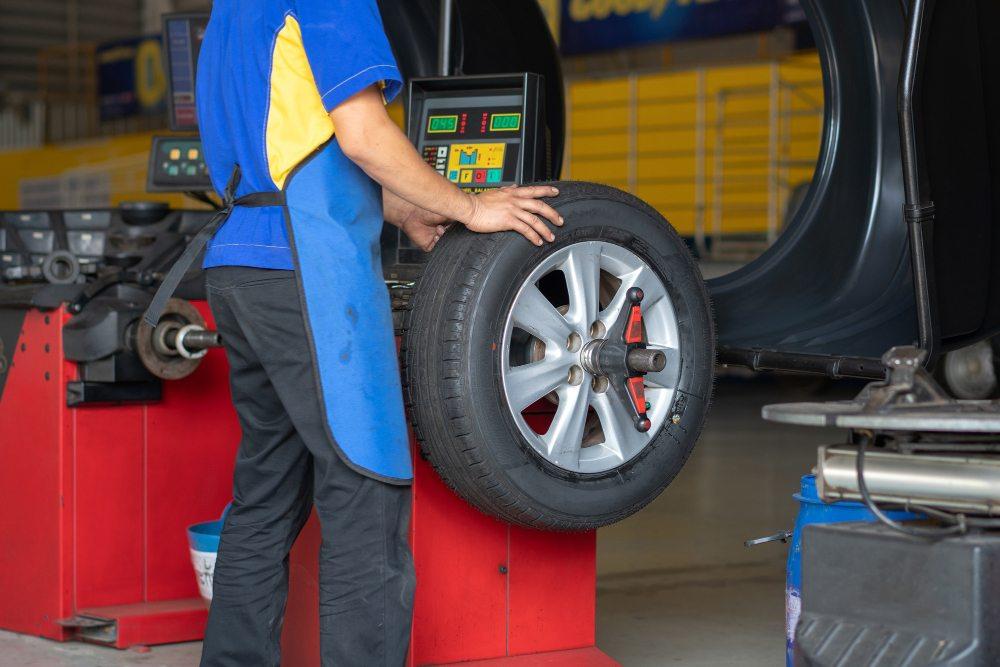
Balancing (Balans) adjustment is the process of checking the weight balance of the tire and rim. We place the vehicle on the balancing machine and check whether the tires are unbalanced. The tires are balanced by adding or removing necessary weights. A proper balancing adjustment prevents vehicle vibration and improves driving quality.
Test Drive and Final Checks
After the balancing and alignment adjustments are complete, taking a test drive is important. Vibrations on the road and steering responses should be checked. If any abnormality is felt during the drive, the adjustments may need to be re-evaluated. The test drive provides a final check to assess whether the operations performed were successful.
Why is Wheel Alignment and Balancing Important?
Wheel alignment and balancing is vital for the vehicle's performance and safety. Balanced tires ensure the vehicle expends less energy and moves stably during the drive. If this adjustment is not made, the life of the tires is shortened, and fuel consumption increases.
What is the Function of Wheel Alignment and Balancing?
Wheel alignment and balancing improves the vehicle's road holding and driving comfort. When balance is achieved, the wear condition of the tires and rims is equalized. This process strengthens the driver's steering control and prevents potential technical problems. Its purpose is to increase the vehicle's performance and ensure driving safety.
Tests Applied During Wheel Alignment and Balancing
Several important tests must be applied during the wheel alignment and balancing adjustment. These tests are necessary to confirm that the vehicle is running smoothly and that the adjustments made are effective.
- Steering Angle and Balance Check
- Tire and Rim Balance Measurement
- Suspension and Front End Check
Steering Angle and Balance Check
Steering angle and balance check is a critical test for driving safety. By checking if the steering is at the correct angles, we ensure the vehicle is tracking properly. Incorrectly adjusted steering can cause the driver to zigzag in their lane. In this case, the steering unit and alignment need to be adjusted.
Tire and Rim Balance Measurement
Tire and rim balance measurement is one of the fundamental steps of wheel alignment and balancing. Using a balancing machine, it is checked whether the tires are unbalanced. If imbalance is detected, the necessary weights are added or removed. This process helps prevent the vehicle from vibrating during the drive.
Suspension and Front End Check
Suspension and front end check is a test that affects the vehicle's overall performance. By checking whether the parts of the suspension system are healthy, we increase driving comfort. Wear or looseness of the front end components are also determined in this check. These tests should be performed to strengthen the vehicle's road holding and steering control.
What are the Points to Consider in Wheel Alignment and Balancing?
There are important points to consider during the wheel alignment and balancing adjustment. Having the correct tire pressures increases the efficiency of the process. Using worn tires may prevent the adjustment from being done correctly. The health of the shock absorbers and suspension should also be checked to increase the vehicle's stability. All these factors are elements that affect your driving safety.
Tire Pressure and Wear Condition
Tire pressure is an important factor affecting driving quality. Before the alignment and balancing adjustment, it is necessary to check whether the tire pressures comply with the manufacturer's recommendations. The wear condition shows whether the tires are healthy. Even wear is a sign that the tires are correctly adjusted, while uneven wear indicates that the tires have problems.
Shock Absorber and Suspension Health
The shock absorber and suspension system are critical parts that affect the vehicle's road holding. The sealing and operation status of the shock absorbers must be checked. The robustness of the suspension components reduces the vehicle's vibrations and increases comfort. A healthy suspension system positively reinforces the effect of the wheel alignment and balancing adjustment.
Steering Response and Road Holding
Steering response is a factor that directly affects the vehicle's control capability. Wheel alignment and balancing ensures the steering responds correctly. The vehicle's road holding is vital for driver safety. A well-adjusted steering increases the driver's maneuverability. Therefore, attention must be paid to all details during the adjustment procedures.
How is Wheel Alignment and Balancing Done According to Vehicle Types?
Wheel alignment and balancing may differ according to vehicle types. The adjustments to be made in passenger cars, SUVs, commercial vehicles, and trucks/buses vary. Each vehicle type has its own unique characteristics. Performing the adjustment using methods appropriate for these characteristics increases the vehicle's performance.
Wheel Alignment and Balancing in Passenger Cars
Wheel alignment and balancing in passenger cars is generally a simpler process. First, the tire air pressures are checked, and imbalance tests are performed with the necessary equipment. After the rims and tires are balanced, the alignment adjustment should be done. These procedures increase the driving comfort and safety of the passenger car.
Wheel Alignment and Balancing in SUVs and 4x4 Vehicles
Wheel alignment and balancing in SUVs and 4x4 vehicles should be done with more robust equipment. The tires and rims of such vehicles are generally heavier. Nevertheless, the basic steps are similar to passenger cars. The imbalance of the tires should be checked, and the necessary adjustments should be made.
Wheel Alignment and Balancing in Commercial Vehicles
Wheel alignment and balancing in commercial vehicles gains even more importance depending on the intensity of use. Tire pressures should be checked according to the vehicle's load capacity. The balancing adjustment affects the vehicle's wear condition and fuel efficiency. Therefore, it is a process that needs to be done meticulously.
Wheel Alignment and Balancing in Trucks and Buses
Wheel alignment and balancing in trucks and buses usually takes place with larger and heavier equipment. Balancing the tires of these vehicles is a critical point for driving safety. During the adjustment process, the vehicle's suspension system also needs to be checked. A correct adjustment increases the performance of these large vehicles, helping to ensure passenger and cargo safety.
Wheel Alignment and Balancing in Sports and Modified Vehicles
Wheel alignment and balancing in sports and modified vehicles requires a performance-oriented approach. Since the tires and rims of such vehicles have a special design, the adjustment procedures must be done carefully. Balancing is of great importance to ensure safe driving even at high speeds.
What are the Problems Encountered When Wheel Alignment and Balancing is Faulty?
When wheel alignment and balancing is faulty, many problems can be encountered during the drive. These problems affect the vehicle's performance and threaten the driver's safety. Problems such as the steering pulling to the left or right, and uneven tire wear may occur. Timely detection of such problems is important.
Steering Pulling to the Left or Right
The steering pulling to the left or right indicates that the alignment adjustment is faulty. In this case, the driver has to constantly correct the vehicle. This reduces driving comfort and can cause distraction. Correcting the alignment adjustment eliminates this problem.
Uneven Tire Wear
Faulty wheel alignment and balancing leads to uneven tire wear. One side of the tires wearing more can cause serious tire problems in the future. Even wear indicates that the tires are healthy. However, uneven wear always indicates that the balancing adjustment needs to be checked.
Vibration While Driving on the Road
The vehicle vibrating while driving on the road indicates that the balancing adjustment is faulty. This vibration is caused by the imbalance of the tires and causes discomfort during the drive. The severity of the vibrations may increase depending on the vehicle's speed. Checking a vibrating vehicle is essential to ensure driving safety.
Difficulty in Steering Control
Faulty wheel alignment and balancing causes the driver to experience difficulty in steering control. The control of the vehicle becomes difficult, and this can become a dangerous situation. The driver has to exert more force during sudden maneuvers. Adjustment procedures must be performed for the steering to respond correctly.
Increase in Fuel Consumption
When wheel alignment and balancing is faulty, an increase in the vehicle's fuel consumption may occur. Unbalanced tires cause the vehicle to expend more energy. In this case, driving economy is negatively affected. With frequent adjustments, it will be possible to control fuel consumption.
Damage to Suspension and Mechanical Parts
A faulty wheel alignment and balancing can damage the vehicle's suspension system and mechanical parts. Unbalanced driving leads to faster wear of these parts. Over time, repair and maintenance costs increase, creating an economic problem. Therefore, regular wheel alignment and balancing is important.
When Should Wheel Alignment and Balancing Be Done?
Wheel alignment and balancing is an important process that should be done in certain situations. The adjustment should be done when new tires are fitted, after the tires are replaced, or if the vehicle is damaged. In addition, wheel alignment and balancing may be necessary when the tires show signs of wear.
Frequently Asked Questions About How Wheel Alignment and Balancing is Done
You can find the questions and answers about wheel alignment and balancing below.
What Happens If Wheel Alignment and Balancing is Faulty?
When wheel alignment and balancing is faulty, various problems arise in the vehicle's drive. These problems include vibration, the steering pulling, and uneven tire wear. When the driver encounters these situations, they should understand that the wheel alignment and balancing needs to be checked.
How Do We Know If Wheel Alignment and Balancing is Needed?
One of the most obvious ways to know if wheel alignment and balancing is needed is the vibrations that occur during the drive. If the vehicle's steering wheel is vibrating or strange noises are coming from the tires, an adjustment may be needed. Signs of uneven wear on the tires also indicate that wheel alignment and balancing is essential.
How Often Should Wheel Alignment and Balancing Be Done?
Wheel alignment and balancing is generally recommended to be done with every tire change or every 10,000-15,000 km. However, this period may vary depending on the use of the vehicle and road conditions. If any symptoms of a problem are observed in the vehicle, it will be beneficial to have it checked more often.
What Happens If Wheel Alignment and Balancing is Not Done?
When wheel alignment and balancing is not done, the vehicle's performance is negatively affected. Unbalanced tires cause vibration and loss of control during the drive. This leads to faster tire wear and an increase in fuel consumption. The driver's safety is put at risk.
Are Wheel Alignment and Tire Balancing the Same Thing?
Although the terms wheel alignment and tire balancing are often confused, they are not the same thing. Wheel alignment is aimed at ensuring the balance of the vehicle's steering system. Tire balancing is the process of checking the balance of the tire and rim. Both adjustments are important for the vehicle's performance.
How Long Does Wheel Alignment and Balancing Take?
Wheel alignment and balancing generally takes between 30 minutes to 1 hour. The process performed may vary depending on the vehicle's condition and the shop's workload. During the adjustment process, alignment and balancing checks are performed. Therefore, the duration varies.
Is Wheel Alignment and Balancing Mandatory When New Tires Are Fitted?
Yes, it is mandatory to perform wheel alignment and balancing when new tires are fitted. When tires are mounted, a balancing adjustment is required for them to move properly. This process increases the life of the tires and enhances driving comfort. If the correct adjustments are not made with new tires, serious problems may be encountered in the future.
How Do I Know If My Wheel Alignment and Balancing is Faulty?
To know if your wheel alignment and balancing is faulty, you need to pay attention to the vehicle's driving characteristics. If your steering wheel is vibrating or you are experiencing problems with the vehicle's direction, it indicates that the balancing adjustment needs to be checked. Signs of uneven wear on the tires are also an indication of this situation.