





The shock absorber mount is an extremely critical connecting component that links the vehicle’s suspension system to the chassis; it absorbs vibrations and impacts from the wheels while driving, thereby ensuring both ride comfort and safety. When it fails, it manifests itself through symptoms such as abnormal noises coming from the steering wheel, harsh jolts felt over speed bumps, or noticeable loss of steering control. Since this component directly affects the vehicle’s ability to maintain a secure grip on the road, its proper and full functionality is vital not only for ensuring an enjoyable driving experience but also for protecting other valuable parts of the suspension system and preventing potentially costly mechanical repairs.
What Is a Shock Absorber Mount?
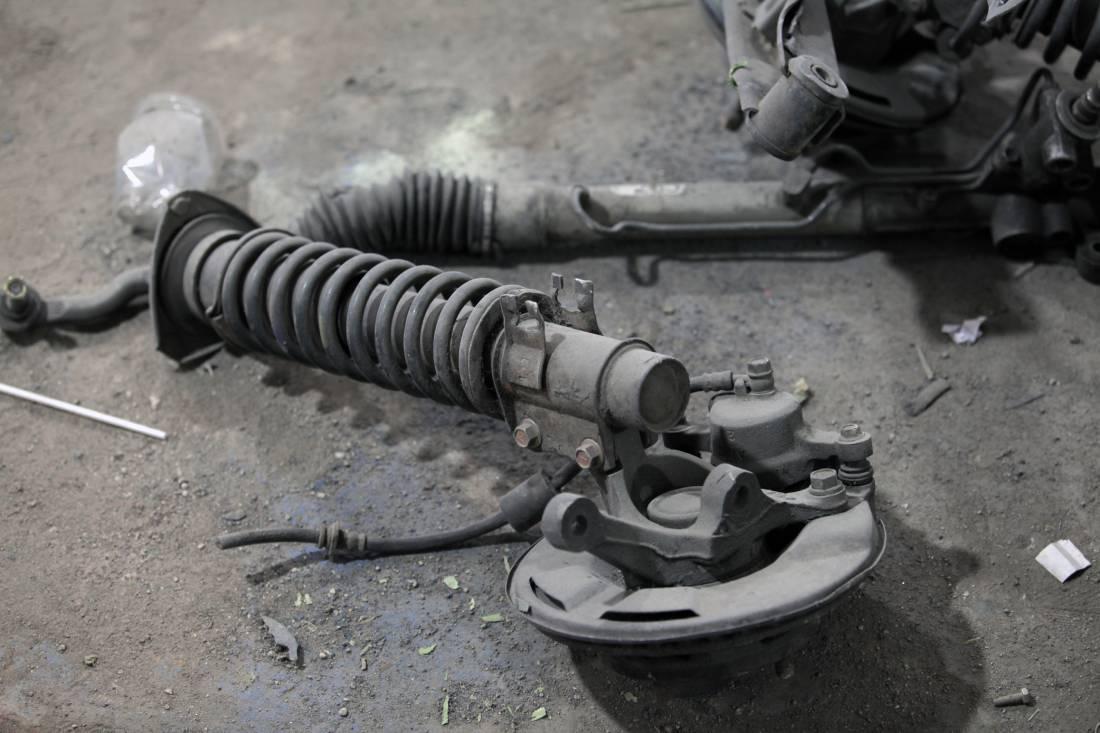
Serving as a bridge in a car’s suspension architecture, the shock absorber mount is a durable mounting unit typically manufactured by combining high-strength metal and shock-absorbing rubber materials through specialized processes. Located at the very top of the shock absorber shaft alongside the coil springs, this component ensures that the entire moving suspension system is securely mounted to the vehicle’s rigid body. Thanks to the dense rubber in its internal structure, which prevents metal-to-metal friction, the mount also incorporates a ball bearing mechanism in front suspension systems that allows the shock absorber to rotate smoothly around its own axis.
As one of the cornerstones of the suspension system, this component continuously supports the vehicle’s weight—which amounts to several metric tons—while effectively isolating the cabin from road irregularities, vibrations, and jolts. Although material quality has improved with advancements in automotive technology over time, the basic operating principle of the shock absorber mount and its role as a vibration barrier between the chassis and the wheels have never changed.
What Does a Shock Absorber Mount Do?
The most basic function of a shock absorber mount is to filter out the vibrations and shock waves caused by any type of road irregularity encountered by the vehicle’s wheels while in motion, preventing them from reaching the chassis. The flexible rubber insulation material it contains dampens the mechanical energy generated by potholes, speed bumps, and bumps on the road, maximizing comfort for the driver and passengers. By smoothing out the suspension system’s up-and-down movement, it significantly contributes to maintaining a quiet cabin environment.
In addition, front shock absorber mounts directly support the vehicle’s maneuverability by ensuring that the shock absorbers rotate smoothly and without binding around their axis along with the wheels as the steering system is turned to the right or left. Another important function in terms of vehicle dynamics is to help maintain the front suspension geometry at the correct factory-set angles. This ensures that the tires maintain full and balanced contact with the road under all conditions; braking distance is reduced, body roll in corners is prevented, and a stable straight-line driving characteristic is achieved at high speeds.
How to Identify a Faulty Shock Absorber Mount?
Shock absorber mounts, which operate under constant pressure, weight, and movement, can wear out over time and lose their function—or even become completely damaged—despite being manufactured to be highly durable. If this part fails or reaches the end of its service life, the vehicle will alert the driver through various physical and audible signs. The symptoms detailed in the subheadings below are very helpful for correctly identifying the problem in the suspension system and taking timely action without compromising safety.
Abnormal Noises Coming from the Steering Wheel
The most common symptom of a shock absorber mount failure—and the first one drivers notice—is an annoying noise coming from the front suspension, especially when parking or maneuvering at low speeds. These noises—which sound like friction, squeaking, spring tension, or a metallic clatter when you turn the steering wheel all the way to the right or left—usually indicate that the bearing inside the shock absorber has failed or is no longer functioning properly. When the bearing fails, the shock absorber cannot rotate smoothly, and the coil spring suddenly releases its tension; this is characterized by a distinct “ringing” or “bouncing” sound coming from the spring.
Jolting Sensation Over Bumps and Potholes
If road irregularities are felt intensely inside the cabin and are directly transmitted to the steering wheel, this indicates that the rubber on the shock absorber has lost its damping properties. “Thud” or “clunk” sounds coming from the front of the vehicle when driving over bumps, potholes, or rough roads are quite characteristic. Due to the rubber cushioning surface tearing, melting, or breaking off completely, the shock absorber shaft begins to strike the metal chassis directly, which can cause permanent damage to the vehicle body beyond just a loss of comfort.
Loss of Steering Control and Skidding
For a safe and precise steering feel, the front suspension components must operate with complete tightness, without play, and in perfect synchronization. Play or wear in the shock absorber mounts causes the driver’s steering commands to be transmitted to the wheels with a delay, leading to the vehicle drifting on the road and the need for constant corrections while traveling in a straight line. Maintaining control of the vehicle becomes particularly difficult in crosswinds or at high speeds; it is clearly noticeable that the front end behaves erratically when entering turns and tends to skid earlier than expected.
Signs of Uneven Tire Wear
Any play or alignment issue in the suspension system directly disrupts the tires’ contact angle with the road. A worn-out or defective shim alters the wheel’s camber or caster angles, leading to much faster, wavy, and uneven wear on the inner or outer shoulder areas of the tire tread. If, during periodic visual inspections, you notice that one side of the tire is worn down or frayed more than the other, simply having the wheel alignment adjusted will not solve the problem; the condition of the shock absorber mounts must also be inspected.
Why Do Shock Absorber Mounts Fail?
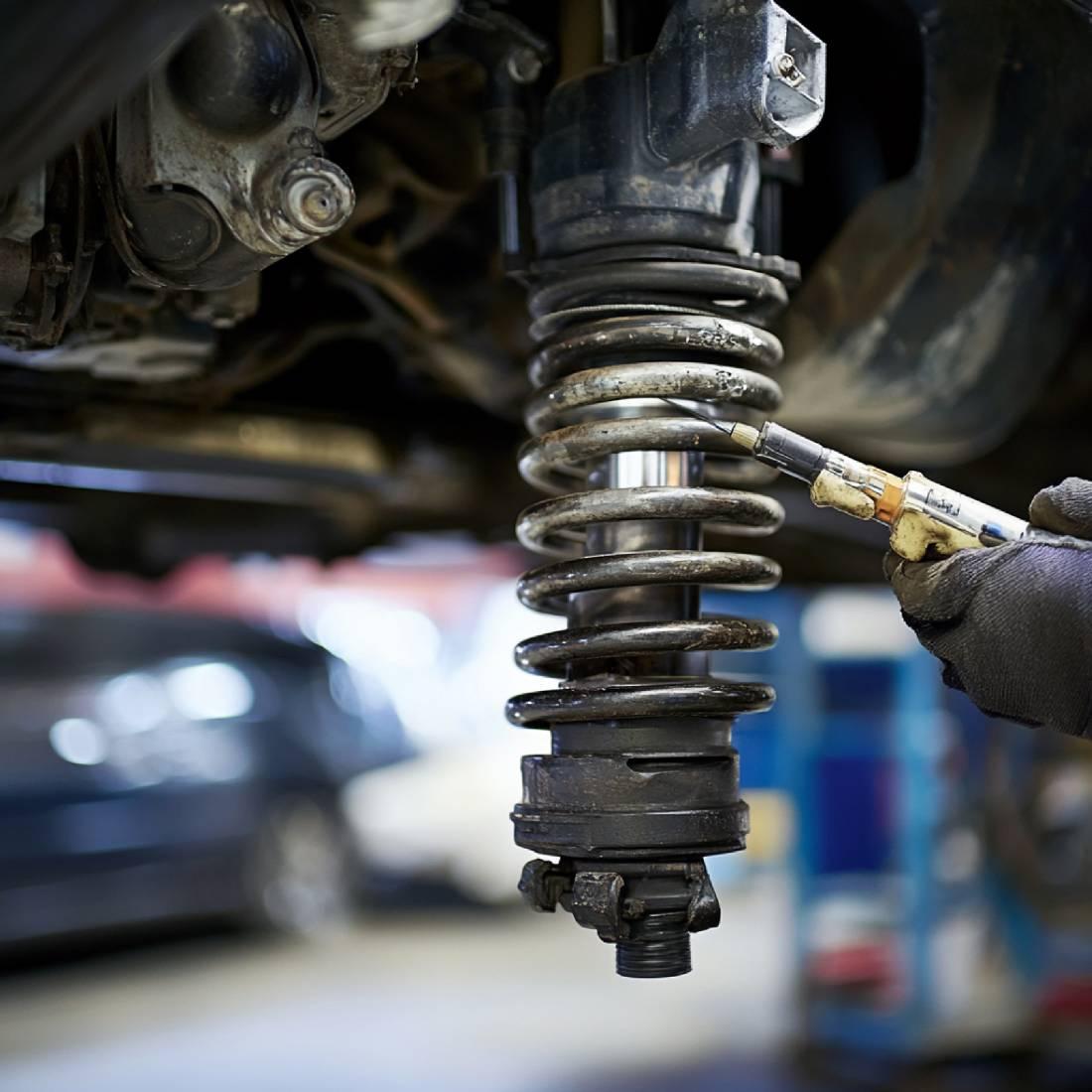
Although they are sophisticated engineering products made from metal and rubber materials, these components—like all other mechanical parts—have a limited lifespan and can wear out much faster under certain harsh conditions. The primary factors that shorten the lifespan of a shock absorber mount, damage its rubber structure, and cause it to fail by wearing out its bearing can be categorized as environmental factors, driving habits, and exceeding physical limits.
Harsh and Poor Road Conditions
Continuous use of the vehicle on roads with poor infrastructure—such as those with potholes, rocky surfaces, or numerous patches—incredibly increases the dynamic load on the suspension system. These harsh and continuous impacts push the rubber material’s elasticity limits to the breaking point, leading to the formation of micro-cracks and, over time, setting the stage for the part to tear and break from the inside out. In urban driving, passing over deep speed bumps at high speed without slowing down also sends a sudden, destructive shock wave to the bushings, causing both the bearing to be crushed and the rubber to deform.
Material Fatigue and Component Aging
Like any mechanical component, even if it is never subjected to impact, the shock absorber mount ages due to the wear and tear caused by time and the elements. In particular, the rubber material—the main component responsible for the part’s flexibility—loses its chemical structure over the years due to external factors such as seasonal temperature fluctuations, high heat radiating from the engine compartment, rainwater, mud, and road salt spread on roads during winter. As the rubber hardens, dries out, and cracks, it loses its shock-absorbing ability, becomes brittle, and is no longer able to function properly even with the slightest jolt.
Overloading the Vehicle Beyond Its Capacity
Cars are designed according to a specific maximum load capacity determined by the manufacturers’ engineers, and all safety tests are conducted within these weight limits. Continuously loading the vehicle’s trunk or cabin with loads exceeding its capacity causes the shock absorbers—and consequently the mounts holding them—to be subjected to constant excessive pressure. This static and dynamic excessive pressure causes the ball bearings inside the mount to become misaligned, the rubber to be irreversibly compressed, and the structural integrity of the part to fail in a very short period of time.
How to Replace a Shock Absorber Mount?
Repairing front-end and suspension components is a mechanical process that requires specialized expertise, the right technical equipment, and great attention to detail—it is a task that leaves no room for error. Since replacing a shock absorber mount involves lifting the vehicle and disassembling the tensioned suspension system, it must be performed by professionals in a fully equipped service environment for safety reasons.
Necessary Checks Before Replacement
Before beginning the replacement process, a qualified technician must thoroughly inspect the overall condition of the suspension system. This preliminary inspection helps clearly identify the source of the problem and prevents unnecessary part replacements.
- The shock absorber shaft is checked for any oil leaks, seepage, or physical bending.
- The coil springs are inspected for structural weaknesses, cracks, or breaks.
- Other steering-related components, such as control arm bushings, Z-links, and tie rod ends, are tested for play.
- The brake hoses, ABS cables, and wheel bearings are examined for any secondary damage caused by the suspension failure.
Once all necessary inspections have been completed and the damage has been definitively identified, the most suitable replacement parts—whether original or OEM quality—are procured, and the vehicle is prepared for installation.
Step-by-Step Shock Absorber Mount Replacement
Shock absorber mount replacement is a highly delicate removal and installation process that requires specialized tools and strict safety precautions. By following the professional steps below, the old and worn-out part can be safely replaced with a new one.
- The vehicle is safely raised on a lift, the relevant wheels are removed, and full access to the suspension components is ensured.
- The upper and lower mounting bolts connecting the shock absorber to the mount, the ball joint system, and the chassis tower are carefully removed, and the entire unit is taken out of the vehicle.
- The coil spring, which is under significant tension, is compressed using a special hydraulic or mechanical spring compressor to render it completely safe.
- The upper nut at the end of the shock absorber shaft is loosened to remove the damaged bushing and the dislodged bearing; after cleaning the mounting socket, the new bushing is installed with proper alignment.
- The suspension unit is reassembled by strictly following the reverse procedure; the spring is released, and all bolts are tightened to the torque values specified by the manufacturer to secure the unit to the vehicle.
The complete and error-free execution of these steps is critical for restoring the vehicle’s driving dynamics and road safety.
Frequently Asked Questions About Shock Absorber Mounts
It’s perfectly natural for drivers to have many questions about vehicle maintenance, potential breakdowns they might encounter, and repair methods. The most frequently asked questions regarding shock absorber mount failure, the replacement process, and important details to keep in mind afterward are addressed below to help you take the right steps and use your vehicle safely.
Can You Drive a Car with a Faulty Shock Absorber Mount?
While, in theory, the vehicle will continue to move as long as the engine is running and the wheels are turning, driving with a faulty shock absorber mount—or ignoring this issue for an extended period—is extremely dangerous from a driving safety perspective. The loss of function in this component significantly weakens steering response, increasing the risk of losing control of the vehicle during an emergency maneuver or braking. Furthermore, since harsh impacts that cannot be dampened by the mount are transmitted directly to the chassis, shock absorber towers, and other front suspension components, a problem that could initially be resolved with a simple mount replacement will, over time, develop into much more costly major mechanical failures.
Can Shock Absorber Mounts Be Repaired, or Do They Need to Be Replaced?
Because shock absorber mounts are made of molded, one-piece rubber blocks and sealed bearing systems—as dictated by their manufacturing design—they are absolutely not suitable for repair, patching, or restoration. Attempting to hold torn rubber in place with adhesives, welding broken parts back together, or trying to silence a faulty bearing by greasing it are all temporary, ineffective, and amateur solutions that jeopardize driving safety. The only definitive and reliable method is to completely replace the damaged or worn-out part with a brand-new, guaranteed, high-quality replacement.
Is Wheel Alignment Required After Replacing a Shock Mount?
Yes, it is strongly recommended that a computerized wheel alignment be performed after replacing a shock absorber mount or any related front suspension component. Removing and reinstalling the shock absorber, or the fact that the new part may have a different shape or tightness compared to the old one, causes deviations—even if only by a few millimeters—in the camber, caster, and toe angles of the front suspension geometry. If these minor geometric deviations are not corrected, over time they will cause the vehicle to pull to the right or left while driving, the steering wheel to not stay straight, and brand-new tires to wear unevenly and become unusable in a short time; therefore, it is essential to connect the vehicle to a wheel alignment machine immediately after the work is completed.
Should the Right and Left Shock Absorber Mounts Be Replaced at the Same Time?
Just like tires, brake rotors, brake pads, or the shock absorbers themselves, replacing shock absorber mounts in pairs on the same axle is one of the most fundamental golden rules in the automotive industry. Replacing only the faulty side creates differences in flexibility, ride height, and response between the right and left suspension, dangerously compromising the vehicle’s braking and cornering stability. To achieve a stable driving experience, prevent the vehicle from leaning to one side, and avoid paying labor costs again when the other worn-out part eventually fails, replacing the right and left shock absorber mounts as a set at the same time is the most logical and correct approach.
In summary, the shock absorber mount is one of those hidden yet powerful heroes that ensures your vehicle’s safe contact with the road, driving stability, and in-cabin comfort. Being attentive to symptoms such as abnormal noises from the steering wheel at low speeds, harsh jolts felt over potholes, or inconsistencies in steering response allows you to identify the problem before it escalates significantly. Thanks to timely and proper technical interventions and the replacement of high-quality parts on both sides, your vehicle’s suspension system will regain its original quiet operation, top-tier safety standards, and seamless road-holding performance.