





A steering box malfunction occurs when the main mechanism that transmits the driver’s steering commands to the wheels fails to function due to causes such as wear and tear, fluid leaks, or physical impact; this is clearly indicated by stiff steering, unusual noises, or play in the steering. As one of the most critical components for the vehicle to travel safely on the road and avoid sudden obstacles, any malfunction in this system directly jeopardizes driving safety. Early detection of the problem and proper maintenance methods are vital for ensuring the safety of both the driver and passengers and for preventing costly repairs that may arise in the future.
What Is a Steering Box?
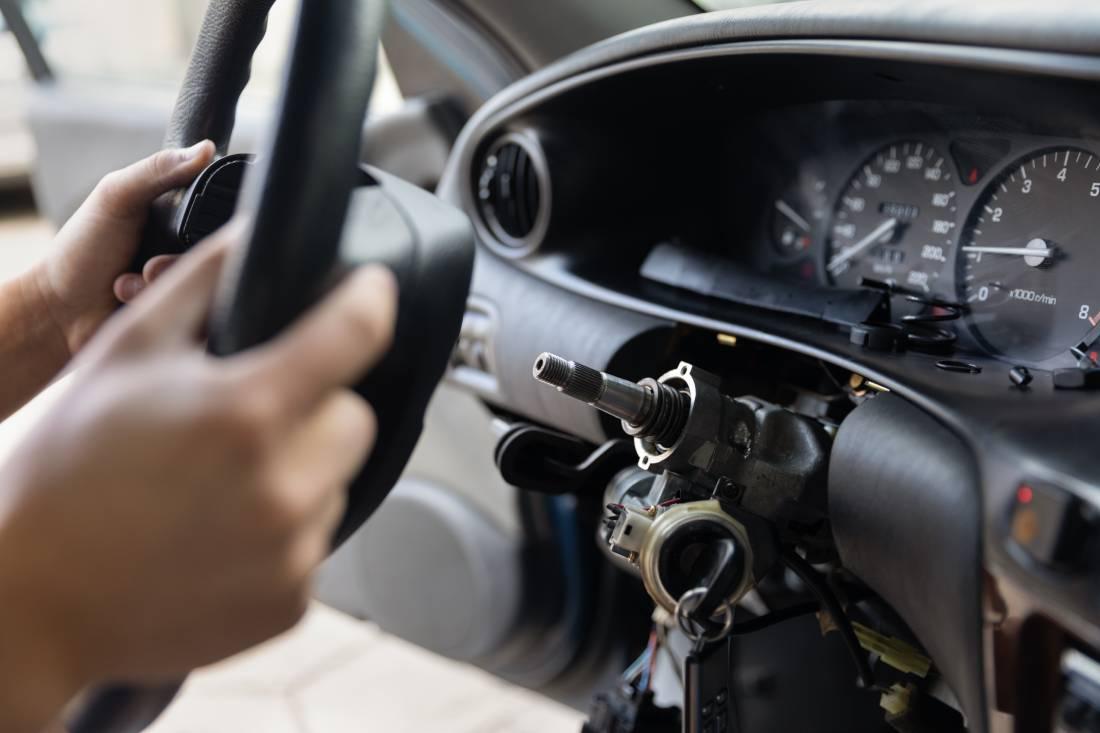
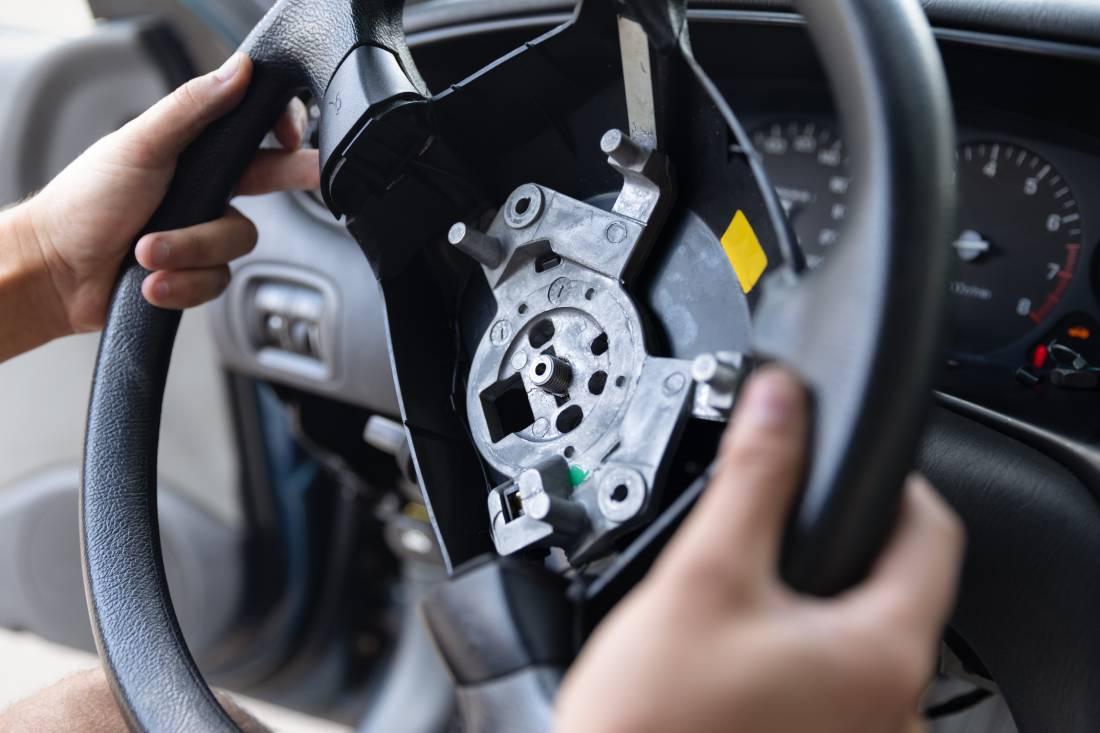
The steering box is the fundamental mechanical unit that converts the rotational movement from the steering wheel into horizontal pushing and pulling motions, enabling the vehicle’s front wheels to turn left or right. When the driver turns the steering wheel, this motion is transmitted to the steering box via a steering shaft, and the steering is directed to the wheels as the pinion gear inside the box moves the rack. In modern automobiles, this system typically operates with hydraulic pressure or electric motor assistance, allowing the driver to achieve maximum steering capability with minimal physical effort at low speeds or while parking.
This vital mechanism, also known as the rack-and-pinion steering system, has a direct impact on the vehicle’s overall road holding, cornering ability, and driving dynamics. A properly functioning steering box strengthens the driver’s connection to the wheels—and thus to the road—allowing instant reflexes to be transmitted to the vehicle as accurately and quickly as possible. Carefully engineered components within the system—including seals, mechanical gears, dust-proof protective boots, and hydraulic fluid—ensure that this complex structure operates safely as a whole.
What Causes Steering Box Failures?
Since the steering box is a component that directs the vehicle’s weight and is constantly subjected to physical stress during driving, it can fail over time due to various factors. These failures are typically caused by mechanical fatigue, adverse external factors, or missed maintenance intervals.
Irregular and Incomplete Periodic Maintenance
Failure to have vehicles undergo regular maintenance allows minor issues in the steering system to escalate into serious mechanical failures. Such minor malfunctions, if not detected in a timely manner by an expert, pave the way for much larger structural problems and safety hazards in the future.
- Over time, hydraulic fluid loses its viscosity, failing to adequately lubricate the gears and increasing friction.
- Torn dust boots go unnoticed by the vehicle owner, allowing water or mud to enter the system’s sensitive internal components.
- Loose fasteners, if not tightened during periodic maintenance, subject the mechanism to constant and damaging vibration.
Failure to perform regular professional inspections ultimately leads to the steering box becoming completely locked up and the need for major repairs that are quite costly.
Impacts Caused by Poor Road Conditions and Potholes
Like the suspension system, the vehicle’s steering system is among the components most directly affected by rough roads and environmental factors. In particular, driving into deep potholes at high speeds or hitting speed bumps too hard causes the powerful impact from the wheels to be transmitted directly and violently to the steering box.
Such sudden and severe physical impacts can, over time, cause the rack shaft to bend or the gears to break. Furthermore, when these vibrations combine with damage to the tie rod arms and play in the tie rod ends, they disrupt the delicate operating mechanism inside the housing, leading to permanent damage and alignment issues.
Deterioration or Leakage of Hydraulic Fluid
In classic hydraulic power steering systems, high-quality hydraulic fluid is the most important factor ensuring the system’s smooth and seamless operation. Over time, if this fluid becomes contaminated, loses its chemical properties, or leaks due to worn seals in the system, the steering box will operate completely dry and without lubrication.
Metal gears operating by rubbing directly against each other without a lubricating oil film wear out very quickly and generate high heat within the system. This risky situation causes both the steering pump motor to be overloaded and the metal components inside the housing to melt and be irreversibly damaged.
Metal Fatigue and Wear That Develop Over Time
Like any mechanical automotive part, the steering box has a specific service life depending on manufacturing standards and usage. Metal components that undergo continuous rotation, flexing, pressure, and friction over hundreds of thousands of kilometers eventually become fatigued and undergo a natural wear process.
In particular, an increase in manufacturing tolerances within the gear mechanism—resulting in play—causes the system to deviate from its factory assembly settings and prevents the parts from fitting together properly. Frequent stop-and-go driving in city traffic accelerates this metal fatigue, and once mechanical wear reaches a certain point, it completely eliminates the vehicle’s steering precision.
What Are the Signs of a Steering Box Malfunction?
Mechanical and hydraulic issues in a vehicle’s steering system typically send clear physical and audible warnings to the driver. Recognizing and addressing these critical signs early on is absolutely crucial to preventing more serious safety risks and property damage.
Steering Wheel Stiffness and Heaviness
The most common problem drivers encounter—and the one most easily noticed while driving—is when the steering wheel becomes much harder to turn than usual and feels as heavy as a log. This condition occurs when the hydraulic pump fails to generate sufficient pressure, fluid is lost due to a leak in the system, or, in electric models, the steering motor malfunctions.
- In the morning, when the vehicle is first started, the steering feels very stiff and softens slightly once the engine warms up.
- While driving, when attempting sudden evasive maneuvers, the steering system suddenly becomes unresponsive, giving the sensation that it is locking up.
- When turning exclusively to the right or exclusively to the left, an insurmountable physical resistance is encountered at a specific turning point.
This increased steering resistance not only compromises driving comfort but also prevents the quick maneuvers required in emergency situations, directly creating a high risk of a major accident.
Humming or Clicking Noises When Turning the Steering Wheel
A healthy steering system has a sealed design that should operate quite quietly under normal conditions without transmitting noise into the cabin. If you hear a faint pumping hum or the sound of metal scraping against metal while turning the steering wheel—especially during full-turn maneuvers such as parking—it indicates that the oil level in the system has begun to drop significantly.
In addition, when driving over speed bumps, cobblestones, or rough roads at low speeds, distinct clunking and rattling noises often come from the lower center of the vehicle. These annoying knocking sounds directly indicate play in the internal gears of the steering box or worn-out fasteners.
Play Felt in the Steering Wheel
When the vehicle is traveling at a certain speed on a straight paved road, and the wheels do not respond immediately when you gently turn the steering wheel to the right or left, this is called mechanical steering play. The main cause of this dangerous play is the gears inside the steering box rubbing against each other or wearing down and becoming thinner.
This lack of responsiveness in the steering creates the sensation that the vehicle is constantly drifting or veering from side to side on the road. This makes it extremely difficult for the driver to keep the vehicle straight in its lane, particularly on highways and at high speeds, resulting in a tiring and stressful driving experience.
Steering Fluid Leaking from Under the Vehicle
In vehicles equipped with a hydraulic power steering system, the steering box is tightly sealed using special seals and gaskets to contain the high-pressure fluid inside. When these rubber sealing elements tear due to extreme heat, cold, or aging, pinkish, brown, or reddish oil stains begin to accumulate on the asphalt where the vehicle is parked.
If this leak goes unnoticed and is not repaired, the hydraulic fluid in the system will drain completely, the pump will burn out, and the steering box will reach the point of locking up—even while the vehicle is in motion—which is extremely dangerous.
How to Identify a Steering Box Malfunction?
If you suspect a problem with the steering box, there are specific methods to follow to diagnose whether the issue originates from this mechanism or another component of the undercarriage.
Checking Steering Response While Driving
The most important and first step in diagnosing a problem is the driver’s attention and the tests they perform while operating the vehicle. While driving at low speeds on an empty, traffic-free, and safe road, the driver should carefully test how smoothly and effortlessly the steering turns to the right and left.
Check for any mechanical binding when turning the steering wheel fully to the left and right. Also, pay attention to whether the system self-centers and returns to its original position when you release the steering wheel after exiting a turn. Responses that fail to center or exhibit binding typically confirm a steering box malfunction.
Checking for Oil Leaks While Parked
After the vehicle has been parked in the same spot on a clean, level surface for several hours, visually inspect the ground directly beneath the engine compartment. If you notice fresh or dried oil droplets on the ground, immediately open the hood and inspect the power steering fluid reservoir.
If the fluid level is well below the minimum (MIN) line on the cap and there are sticky oil deposits resembling condensation on the high-pressure hoses leading to the steering box, this unequivocally indicates the source of the leak.
Inspection by a Specialist with the Vehicle on a Lift
After the vehicle owner’s observations, the vehicle must be raised on a lift at a fully equipped authorized service center or a specialized wheel alignment and balancing shop to make a definitive and technical diagnosis. All mechanical components in the undercarriage are inspected one by one with the naked eye under strong lighting and using specialized tools such as pry bars.
Expert technicians physically flex the wheels and control arms to measure the amount of non-standard play within the housing. They also detach and open the steering dust boots from their clamps to thoroughly inspect for any hidden oil leaks, rust, or corrosion inside.
How to Fix a Steering Box Malfunction?
When a definitive malfunction is detected in the steering box, various permanent repair methods can be applied depending on the severity of the mechanical issue, the extent of wear on the part, and the vehicle’s overall condition. These delicate repairs must always be performed by technicians trained in this field.
Steering Box Overhaul and Repair
If there are no cracks, holes, or loss of structural integrity in the steering box’s main aluminum or steel housing, the system typically undergoes an overhaul, which is a cost-effective solution. The overhaul process involves completely removing the faulty box from the vehicle and disassembling it down to its smallest components on a clean workbench, such as in a laboratory setting.
Worn Teflon seals, gaskets, bushings, and—if necessary—the scratched rack shaft are replaced, and damaged components are precision-machined using CNC or lathe processes. After the parts are reassembled, they undergo a high-pressure test and are reinstalled in the vehicle; this process restores the unit to a level of performance very close to factory standards.
Steering Box Replacement
If the steering box has been used for an extended period while faulty and without oil, if there is excessive rust on the housing, if serious physical distortions have occurred as a result of an accident, or if the internal gear mechanism is melted to the point where it cannot be repaired and will leave metal shavings, a rebuild is absolutely not possible. In such cases, the only solution for driving safety is to replace the entire steering box.
The old, damaged steering box is removed and replaced with a new one using original equipment manufacturer (OEM) parts compatible with the vehicle’s make or certified, high-quality aftermarket products. Although replacing the steering box is a much more expensive procedure than a rebuild, it offers a definitive and guaranteed solution that will remain trouble-free for many years.
Hydraulic Fluid and Power Steering Pump Replacement
Sometimes the problem may stem not from the steering box itself, but directly from the power steering pump, which supplies the necessary operating pressure to the box. A power steering pump whose internal vanes have worn out or burned due to the use of the wrong fluid or running dry is removed and replaced with a new one.
Regardless of whether it’s a steering box overhaul or a pump replacement, during all these mechanical procedures, the old, contaminated, burnt-smelling hydraulic fluid—filled with metal shavings—is completely drained from the system. Then, new steering hydraulic fluid with the correct grade specified by the vehicle manufacturer is added, and the system is fully bled by turning the steering wheel a full turn to the right and left.
Frequently Asked Questions About Steering Box Failures
Since the steering mechanism is at the heart of driving dynamics, it is one of the vehicle components that drivers worry about most. Answers to the most frequently asked technical questions about this critical component and its failures are compiled below.
Is It Dangerous to Drive a Vehicle with a Faulty Steering Box?
Yes, taking a vehicle with a faulty steering box out on the road and driving it in this condition is extremely dangerous. While driving, losing control of the vehicle due to gear play, the steering suddenly locking up and failing to turn, or delayed response to steering commands can lead to traffic accidents with very serious consequences. The safest course of action is to have the vehicle towed to a service center as soon as the malfunction is confirmed.
How Long Does Steering Box Repair Take?
The repair and maintenance time for this component varies depending on the severity of the malfunction, the workshop’s workload, and the speed at which replacement parts can be sourced. A detailed overhaul involving the removal of the steering box and replacement of the steering gear assembly is typically completed within 1 to 3 business days. If a direct replacement of the steering box is required, and the part is in stock, the process can be completed in an average of 4–5 hours, after which the vehicle can be returned to the customer.
What Is the Difference Between Hydraulic and Electric Steering Box Failures?
Failures in hydraulic power steering systems are generally fluid- and mechanically-related issues, such as hose cracks, fluid leaks, seal failures, or hydraulic pump malfunctions. In new-generation Electric Power Steering (EPS) systems, however, since there is no hydraulic fluid, malfunctions generally manifest as digital and electrical issues, such as torque sensor reading errors, problems with the electronic control unit (ECU), or the assist motor overheating and burning out.
What Happens If the Steering Box Isn’t Repaired?
Steering boxes that are neglected and left unrepaired despite showing signs of failure will, over time, spread the damage to other healthy suspension and front-end components in the drivetrain, causing them harm as well. As the unresolved problem progresses, not only does the steering box fail, but the excessive strain also causes the power steering pump to burst, bends the tie rod ends, and leads to uneven tire wear—both on the inner and outer sides—significantly increasing the overall repair costs.
Will Steering Play and Malfunctions Pass a Vehicle Inspection?
During periodic vehicle inspections conducted at TÜVTÜRK stations, the steering and front suspension systems are examined with great care. Excessive play in the steering system, hydraulic fluid leaks dripping onto the undercarriage, or stiffness and binding issues during steering are directly classified as “major defects.” It is absolutely impossible, both legally and technically, for a vehicle with a faulty and unsafe steering box to pass the inspection successfully; once the faults have been rectified in a service setting, the vehicle must legally undergo a re-inspection.
To summarize: the steering box and the entire steering system it is connected to are the most critical components that ensure the vehicle remains stable on the road and responds to the driver’s commands. A minor oil leak that is overlooked or a faint rattling sound that goes unnoticed can, over time, lead to irreversible situations such as complete steering lockup. For this reason, even the slightest abnormality, play, or humming sound felt in the steering wheel while driving must be inspected by a professional service; any necessary repairs or part replacements should be performed professionally without delay. A steering system that receives regular maintenance and has its fluid levels properly maintained will continue to provide a safe and comfortable driving experience for hundreds of thousands of kilometers.