





- What Is a Thermostat Malfunction?
- Why Is a Thermostat Malfunction Important?
- How to Tell If Your Thermostat Is Faulty?
- What Causes a Thermostat Malfunction?
- What Are the Different Types of Thermostats?
- What Are the Types of Thermostat Failures?
- How to Fix a Thermostat Malfunction?
- Frequently Asked Questions About Thermostat Failures
A thermostat malfunction occurs when the valve that regulates the flow of engine coolant fails, preventing the vehicle from reaching its ideal operating temperature or causing it to overheat; this issue can be easily identified by a drop in engine performance, increased fuel consumption, and fluctuations on the instrument panel. This critical problem, which directly affects your vehicle’s engine lifespan, can lead to engine damage—and consequently, significant costs—if not addressed in a timely manner. To ensure driving safety and maintain vehicle health, drivers must have a detailed understanding of how this system works, the signs of failure, and possible solutions.
What Is a Thermostat Malfunction?
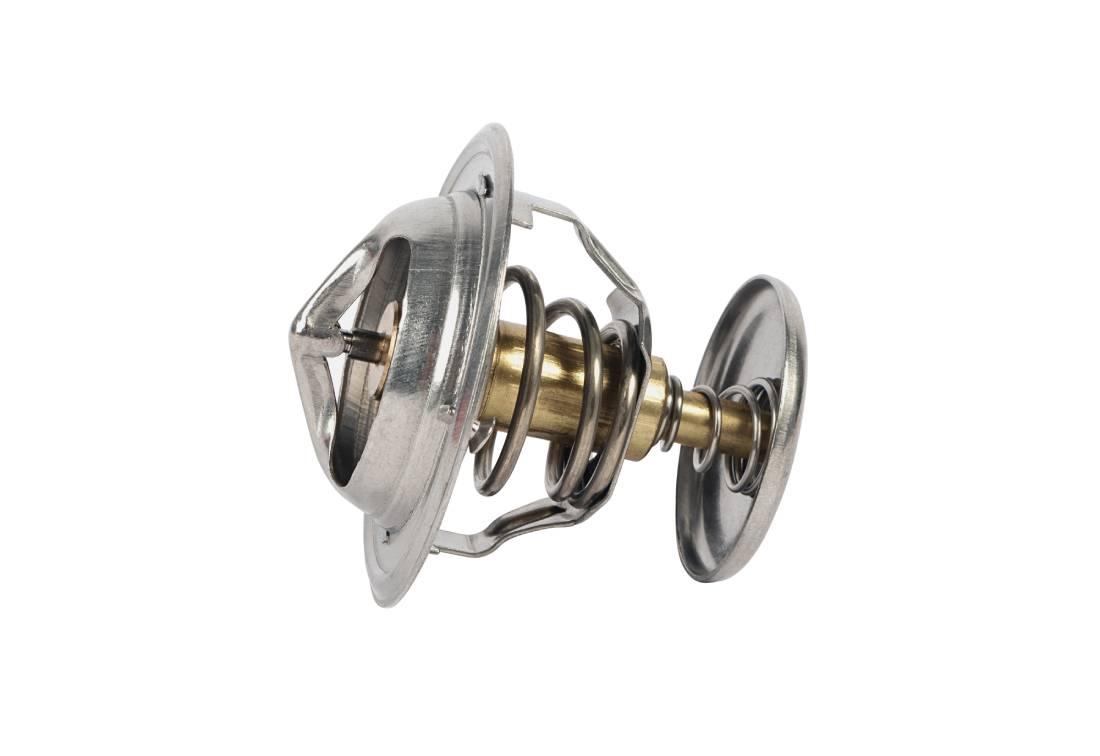
A thermostat malfunction occurs when the mechanical or electronic valve responsible for maintaining the engine’s temperature at an ideal level fails to function properly. This component remains closed while the engine is cold, allowing coolant to circulate within the engine and enabling it to warm up quickly; once the engine reaches its ideal temperature, it opens to direct the coolant to the radiator and initiate the cooling process. When the thermostat fails, this balance is completely lost, and the valve gets stuck in either a constantly open or constantly closed position.
Why Is a Thermostat Malfunction Important?
Proper thermostat operation not only prevents the engine from overheating but also ensures that all mechanical parts operate smoothly within the optimal temperature range.
The Importance of the Thermostat for Engine Health
The parts inside the engine are designed to work in perfect harmony once they reach a specific operating temperature. When the thermostat fails, the engine either remains too cold or overheats. In the event of overheating, irreversible damage occurs, such as warping of the engine blocks, burning of the cylinder head gasket, and metal parts welding together. If the engine remains constantly cold, it reduces the viscosity of the oil, leading to faster wear of the parts.
Impact on Fuel Consumption
Operating below the engine’s ideal operating temperature is one of the major factors that directly and negatively affects fuel consumption. When the electronic control unit detects that the engine is cold, it prepares a rich fuel mixture and sends more fuel to the cylinders. Since the thermostat remains open, the engine cannot warm up, and the vehicle continues to consume significantly more fuel than normal.
How to Tell If Your Thermostat Is Faulty?
There are many clear signs that indicate whether your vehicle has a problem with the thermostat, and these symptoms usually become evident while driving.
Engine Overheating
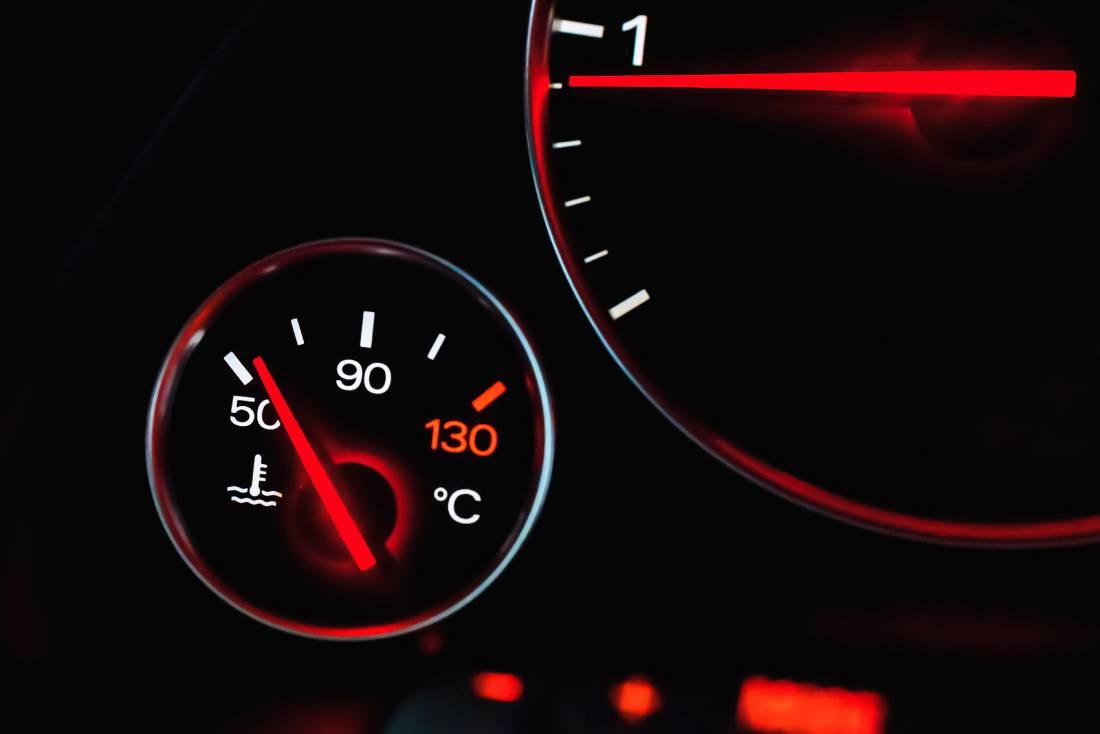
When the thermostat gets stuck in the closed position, it prevents the hot coolant inside the engine from flowing to the radiator to cool down. This causes the engine temperature to rise to dangerous levels very shortly after you start driving. A rapid rise in the temperature gauge on the dashboard into the red zone is the most critical sign of a thermostat failure.
Engine Takes Too Long to Warm Up or Fails to Warm Up at All
If the thermostat is stuck in the open position, engine coolant continuously flows through the radiator as soon as the vehicle starts. Especially during winter months or while driving at high speeds on long trips, it takes a very long time for the engine to reach its ideal operating temperature, or the gauge needle remains at the lowest level.
Heater Not Working
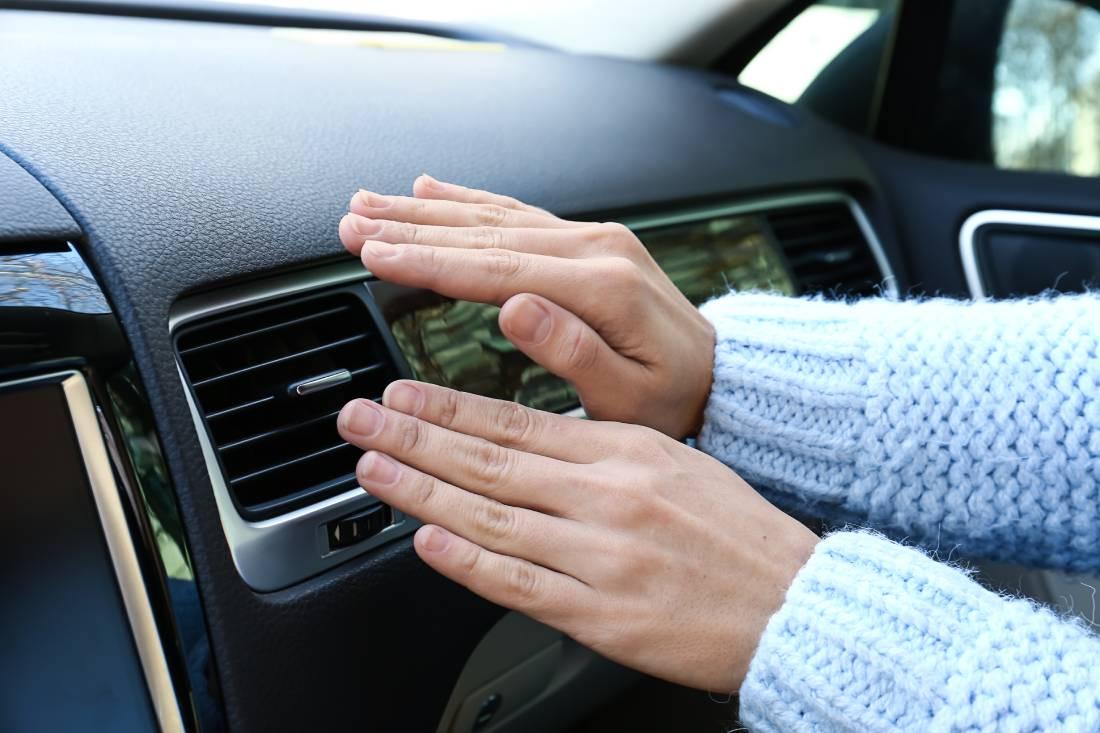
The vehicle’s interior heating system draws its power from the engine’s heated coolant. Since the thermostat remains open, the engine coolant cannot reach a sufficient temperature; as a result, even if the heater fan is running, it blows only lukewarm or completely cold air into the cabin. This malfunction is usually the underlying cause of heater failure during the winter months.
Anormal Increase in Fuel Consumption
You may notice that your vehicle is consuming significantly more fuel than usual on your regular routes and with your usual driving habits. Fuel consumption increases exponentially as long as the engine remains cold. More frequent stops at gas stations are an important sign that the thermostat system needs to be checked.
Erratic Movement of the Temperature Gauge
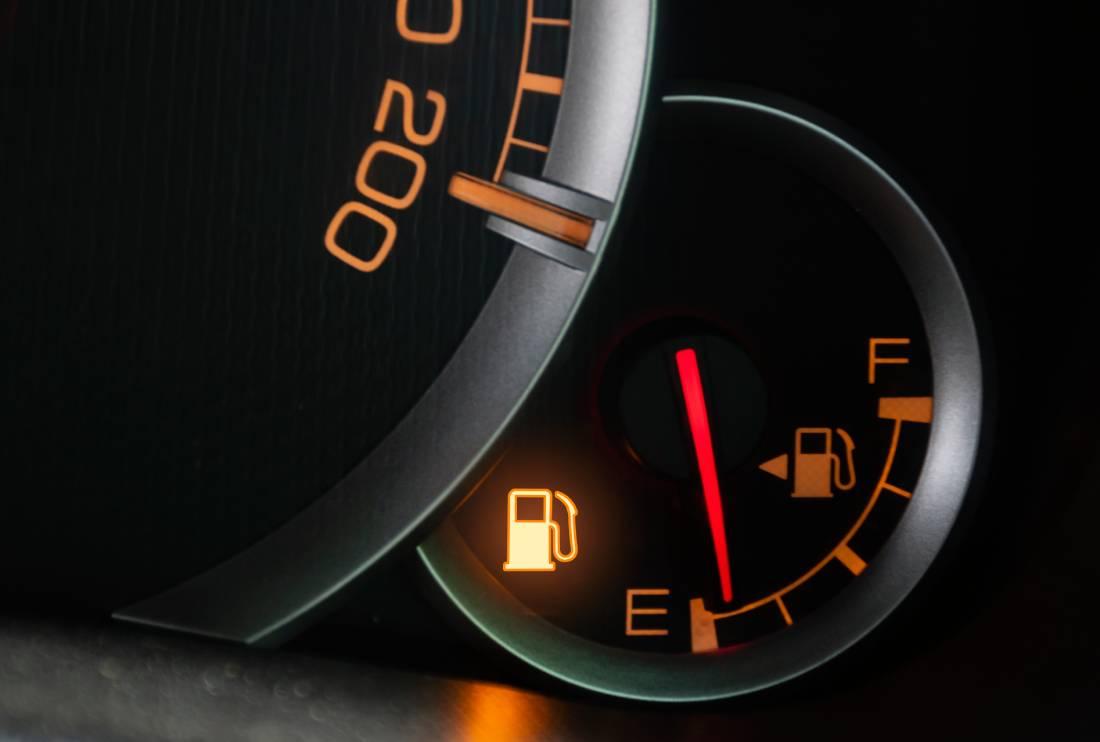
It is not normal for the temperature gauge to constantly fluctuate up and down while driving. In particular, if the needle drops rapidly when you step on the gas or go downhill, and then suddenly rises when you enter stop-and-go traffic, this indicates that the thermostat is not functioning properly.
Antifreeze Leaks
Cracks in the thermostat housing or a worn-out gasket can cause green, blue, or red antifreeze to leak onto the outside of the engine block. If you notice pools of fluid under the engine where you parked your vehicle, the thermostat housing may have lost its seal.
What Causes a Thermostat Malfunction?
Since the thermostat is one of the engine’s most moving parts and is constantly in contact with fluid, it can be easily affected by external factors and wear and tear over time.
Wear and Tear Over Time
Like any mechanical part, the thermostat has a limited service life. Its internal spring mechanism and special temperature-sensitive wax chamber suffer from metal fatigue after opening and closing thousands of times, eventually losing their flexibility and becoming stuck.
Use of Low-Quality Antifreeze or Plain Water
Using only tap water in the cooling system or opting for low-quality antifreeze is detrimental to the thermostat. The minerals and acidic properties in tap water coat the thermostat’s moving parts, preventing the valve from moving freely.
Scale and Rust
Coolant that is not replaced in a timely manner causes scale and rust to form inside the engine block. This layer of scale and rust particles accumulates on the edges of the thermostat valve, roughening the surface of the part and causing the valve to become stuck in the open or closed position.
Gasket and Leakage Issues
The rubber or paper gaskets located where the thermostat connects to the engine block dry out, harden, and crack over time due to constant exposure to the engine’s high temperatures. This not only causes fluid to leak out but also disrupts the pressure balance in the system, preventing the thermostat from functioning properly.
What Are the Different Types of Thermostats?
With the advancement of automotive technology, the designs of thermostats used to improve engine efficiency have also evolved over time.
Traditional (Mechanical) Thermostats
- They contain a special wax capsule that expands with heat.
- They open and close mechanically based entirely on the physical temperature of the engine coolant.
- They do not have an electronic control mechanism and operate completely independently.
Although this model, commonly found in older-generation vehicles, is durable due to its simple design, it may not respond quickly to sudden changes in driving conditions.
Electronic (Mapped) Thermostats
- They are controlled by an electric current from the engine control unit (ECU).
- The computer determines the valve’s opening angle based on the vehicle’s speed, engine load, and driving mode.
- By ensuring the engine remains at a much more precise and optimal temperature, it reduces emissions.
Used in nearly all modern vehicles, this system is designed to maximize driving comfort and engine efficiency.
What Are the Types of Thermostat Failures?
The nature of the thermostat failure is the most important factor directly determining the engine’s response and the extent of potential damage.
Stuck-Open Failure
When the valve remains constantly open, the engine coolant is continuously cooled in the radiator. This prevents the engine from overheating but does not allow it to reach its ideal operating temperature. Since the engine runs constantly at a low temperature, wear increases, the heater fails to provide heat, and the vehicle consumes excessive fuel.
Stuck-Closed Malfunction
If the valve remains completely closed, the coolant becomes trapped inside the engine block. Since the fluid cannot flow to the radiator to cool down, the engine temperature reaches dangerous levels within minutes. This type of malfunction can lead to overheating disasters that could render the engine completely inoperable if not addressed immediately.
How to Fix a Thermostat Malfunction?
Solving problems that arise in the thermostat system generally involves replacing the worn-out, malfunctioning part with a new one.
Troubleshooting Methods
- While the engine is cold, check for a temperature difference by touching the upper and lower radiator hoses with your hand.
- At professional service centers, an OBD (On-Board Diagnostics) scanner is connected to monitor engine temperature sensor data in real time.
- The removed thermostat is placed in a container filled with hot water, and it is observed to see if it opens according to its specified temperature.
These methods help determine whether the problem is definitely caused by the thermostat or by the water pump or the sensor.
How Is a Thermostat Replaced?
Before replacing the thermostat, wait for the engine to cool completely and drain some of the coolant from the system. Then, remove the bolts from the thermostat housing to take out the old part; the mating surface is carefully cleaned of scale and old gasket residue. The new thermostat is installed in the correct orientation with a new gasket, and the bolts are tightened to the proper torque value.
Antifreeze Leak and Fluid Check
After installing the new thermostat, be sure to top off the coolant with a mixture of new antifreeze and distilled water that meets the manufacturer’s specifications. Start the engine to bleed the air from the system and wait until the fan turns on. During this process, the temperature of the hoses opened by the thermostat is checked, and the connection points are visually inspected for any leaks.
Frequently Asked Questions About Thermostat Failures
To make the right decisions when faced with thermostat issues, drivers need to be aware of the most commonly asked questions regarding this system.
Can You Drive the Vehicle If the Thermostat Is Malfunctioning?
If the thermostat remains in the open position, the vehicle can be driven carefully for short distances and at low speeds until it reaches a service center. However, if the thermostat remains in the closed position, the engine will overheat within minutes, so you must absolutely not drive the vehicle and must have it towed to a service center.
Does a Faulty Thermostat Cause the Engine to Overheat?
Yes, especially if the thermostat is stuck in the closed position, it completely blocks the engine coolant from reaching the radiator, causing the engine to overheat very quickly.
Can a Thermostat Be Repaired, or Does It Need to Be Replaced?
Due to its design, a thermostat is not a part that can be opened and repaired; therefore, when it malfunctions, the only solution is to replace the old part with a new one.
How Much Does a Thermostat Replacement Cost?
Replacement costs vary significantly depending on your vehicle’s make and model, as well as whether the thermostat is mechanical or electronic (wet-type); however, in general, labor costs are low, and the part price is reasonable.
Does a Faulty Thermostat Cause the Cylinder Head Gasket to Burn?
When the engine overheats due to a stuck thermostat, the cylinder head gasket cannot withstand the high heat and burns, causing engine oil to mix with water and water to mix with oil.
What Is the Lifespan of a Thermostat, and When Should It Be Replaced?
- It is generally recommended to replace it every 80,000 to 100,000 kilometers or approximately every 5 years.
- It is also recommended to replace the thermostat during major maintenance or when the water pump is replaced.
Replacing the part at the specified intervals reduces your risk of breaking down on the road to zero.
To summarize, the thermostat is a small but vital component that directly affects your vehicle’s engine health, fuel economy, and driving comfort. Regularly monitoring fluctuations on the dashboard, the heater’s performance, and sudden increases in fuel consumption allows you to catch a potential thermostat malfunction before it becomes a major issue. If you notice any of these symptoms in your vehicle, you should seek assistance from a professional service center without delay to have the thermostat inspected, in order to prevent permanent and costly damage to your engine.