





- What Is a Starter Motor?
- What Does the Starter Motor Do?
- How to Identify a Starter Motor Malfunction?
- What Are the Signs of a Starter Motor Malfunction?
- Why Does the Starter Motor Fail?
- What Are the Differences Between a Starter Motor Failure and a Battery Failure?
- Frequently Asked Questions About Starter Motor Failures
A starter motor malfunction can be identified by distinct electrical and mechanical signs, such as the engine showing no response when you turn the ignition to start the vehicle, a faint clicking sound coming from under the hood, or the starter turning much more slowly than usual. Since a failure of this vital component—which starts your vehicle’s engine—will make it impossible to begin driving, accurately identifying the source of the problem is of the utmost importance. To make a correct diagnosis and minimize the risk of being stranded on the road, you need to have a detailed understanding of the starter motor’s structure, its failure symptoms, and how to distinguish them from battery-related issues.
What Is a Starter Motor?
Vehicle engines require a powerful external initial impulse to start their own cycle and ignite the fuel-air mixture. The electromechanical component that provides this initial mechanical force is called a starter motor. The startup of internal combustion engines depends on the pistons completing their first revolution; the starter system performs this process—which is impossible to achieve by human strength—in a matter of seconds.
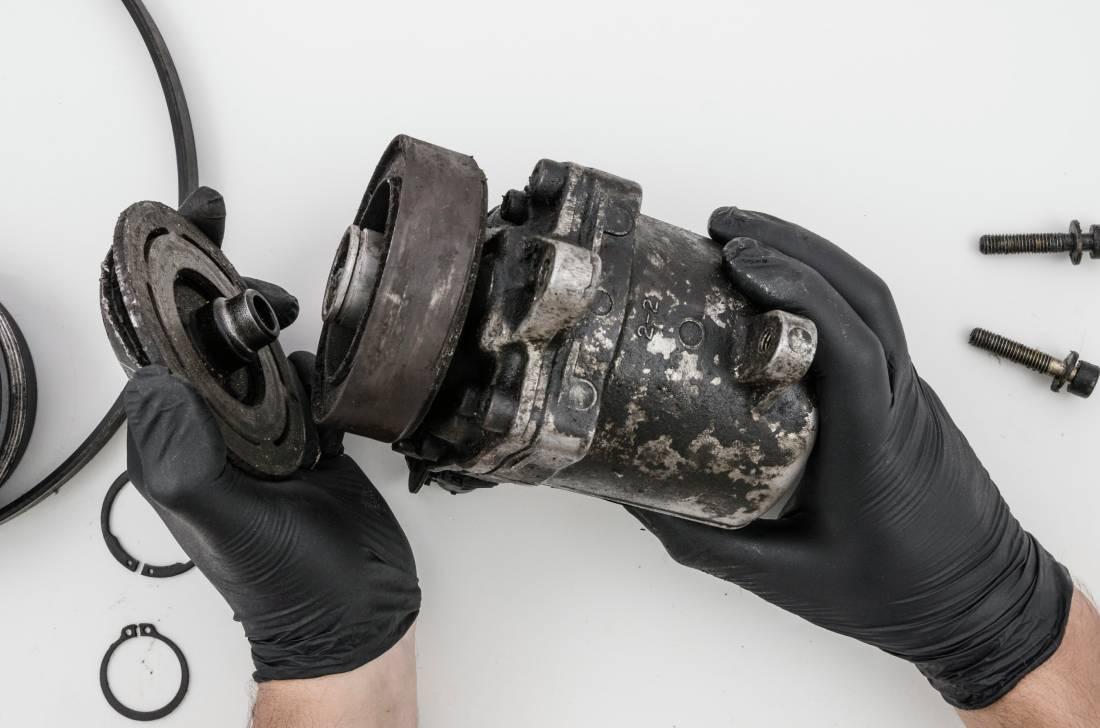
It has a compact design consisting primarily of a powerful electric motor, a moving pinion gear, and a starter solenoid that directs the electric current. Although it is not very large in size, it draws a very high amount of electrical energy instantaneously to rotate the engine block—the vehicle’s heaviest component—from a standstill. It is one of the most fundamental systems that enables the vehicle to operate by converting this potential power from the battery into mechanical energy.
What Does the Starter Motor Do?
The sole and most important function of the starter motor is to respond to the driver’s command to start the engine and provide the initial momentum needed to bring the engine up to idle speed. When the driver turns the ignition key or presses the start button, the system directs the high electrical current from the battery directly to the starter motor. Thanks to this current, the gear mechanism at the end of the starter motor shoots forward and locks into the engine’s large flywheel gear.
Immediately after engagement, the starter motor begins to rotate at high speed and with great force. This powerful rotational motion is transmitted directly to the crankshaft, causing the pistons to move up and down; fuel is drawn into the engine cylinders, and the first ignition occurs. The moment the engine begins to run on its own through its fuel cycle, the starter motor automatically disengages, the pinion gear retracts, and the component returns to standby mode until the next start-up.
How to Identify a Starter Motor Malfunction?
Determining whether there is a problem with your vehicle’s starting system is quite easy by observing the reactions that occur the moment you turn the ignition key. Any physical or audible abnormalities you encounter during startup immediately indicate the presence of a malfunction.
No Sound When the Ignition Is Turned On
If you hear no mechanical sound from the vehicle when you turn the key or press the starter button, and the system remains completely silent, it means electrical current is not reaching the starter motor. This situation typically indicates that internal wiring connections have broken or that the motor’s internal windings have completely burned out. The system’s lack of response is a direct result of a break in the electrical circuit.
Only a Clicking Sound Is Heard, but the Engine Does Not Start
If, when you turn the ignition key, you hear a distinct “click” or a series of clicks from under the hood instead of the sound of the engine turning, this indicates that the starter motor has engaged but is unable to generate the mechanical power needed to turn the main engine. Despite the gear engaging, the actual rotation cannot occur due to a lack of electrical power or an internal jam. This clicking sound is one of the most common symptoms of a starter motor malfunction.
The Starter Motor Turns Slower Than Normal
If, while trying to start the vehicle, you hear a much slower, whining, and strained starter sound instead of the usual smooth operating sound, it means fatigue and wear have begun in the starter’s internal components. Wearing-down brushes or increased friction in the bearings make it difficult for the part to turn the engine. This strain is an early warning sign that the starter motor will soon stop working entirely.
A Burning Smell or Smoke When Trying to Start the Engine
If you notice a burning wire smell or light smoke coming from the ventilation grilles or directly from under the hood while trying to start the vehicle, this indicates a severe short circuit in the system. This is caused by the melting of the internal coil windings or by current being misdirected, leading to overheating. If smoke or a burning smell is detected, you must immediately turn off the ignition without putting any further strain on the system.
What Are the Signs of a Starter Motor Malfunction?
Malfunctions in the starter motor manifest themselves through various secondary symptoms that directly affect the vehicle’s performance while running. Imbalances in the electrical current are the primary cause of these symptoms.
Dimming of Dashboard Lights
If, the moment you turn the ignition, the warning lights on the instrument panel and the headlights suddenly dim excessively or go out completely, it means the faulty starter motor is attempting to draw a current that the system cannot handle. Since short circuits inside the starter motor effectively drain the electricity, there is no power left for other in-vehicle systems.
The Vehicle Won’t Start Even Though the Battery Is Fully Charged
If all the vehicle’s electrical components—such as the multimedia system, headlights, horn, and windshield wipers—are functioning at full capacity, it’s clear that the battery is in good condition. However, if the engine fails to start when the ignition is turned on, the problem lies directly with the starter motor. Since the energy supplied by the battery cannot be processed by the faulty component, the vehicle cannot start.
Engine Runs Only at Certain Times
If your vehicle starts smoothly on the first try on some days but fails to respond at all on others, there is a contact issue with the starter brushes or internal conductors. This intermittent malfunction is caused by the parts momentarily making contact and then separating again due to vibrations and temperature fluctuations.
A Scraping Sound from the Starter Gear
If, immediately after the engine starts successfully, you hear a high-pitched, annoying grinding sound resembling metal scraping against metal, it means the starter gear is not retracting in time after completing its task. The engine flywheel, which begins to rotate on its own, strikes the starter gear that has not retracted, causing mechanical wear and this annoying noise.
Why Does the Starter Motor Fail?
Although it is made of durable metals, the starter motor may reach the end of its service life over time, be subject to user errors, or be affected by electrical fluctuations. Failures are most often caused by mechanical fatigue or power outages.
Wear and Depletion of Starter Brushes
Starter brushes, which are responsible for conducting electrical current to rotating parts, are constantly exposed to friction during operation due to their design. Over time, they wear down as a result of this friction until they are completely depleted and can no longer conduct electricity. Depending on regular use, the most natural and common cause of starter failure is the depletion of the brushes.
Starter Solenoid Failures
The starter solenoid—a switch mechanism that regulates the intensity of the electric current and propels the pinion gear forward—can wear out over time due to heavy current flow. As a result of oxidation of the internal contact points or burning of the copper windings, the gear cannot be propelled forward, and the system becomes completely inoperable.
Breakage or Stripping of the Starter Gear
The starter gear, which experiences a hard impact with the engine flywheel during every start, can crack, have its ends stripped, or break over time due to metal fatigue. In particular, accidentally pressing the starter button again while the engine is already running or holding the ignition switch down for too long are the main causes of these gears breaking.
Oxidation or Disconnections in the Electrical Wiring
Corrosion, rust, or loosening may occur at the terminals of the thick power cables connecting the battery to the starter motor. This layer of oxidation creates an insulating barrier that prevents the flow of high current. Even if the starter motor itself is completely intact, breaks in the wiring can cause the system to behave as if it were faulty.
What Are the Differences Between a Starter Motor Failure and a Battery Failure?
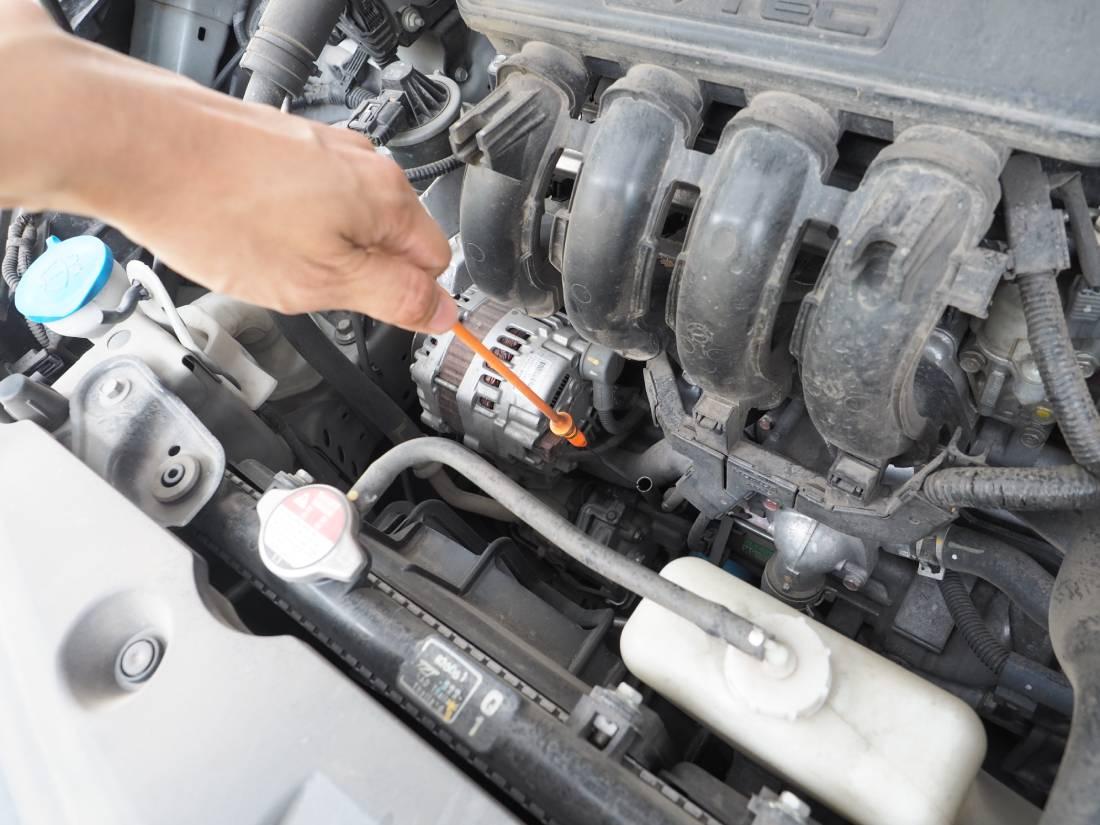
When a vehicle won’t start, the biggest dilemma for drivers is determining whether the problem stems from the battery or the starter motor. Although both conditions prevent the engine from starting, their symptoms and diagnostic methods are clearly distinguishable from one another.
Situations Encountered in the Event of a Battery Failure
In the event of a battery failure or a dead battery, the vehicle’s electrical system experiences a general failure, which manifests itself through various signs.
- The vehicle’s interior lights and headlights glow very dimly or do not turn on at all.
- When the horn is sounded, it produces a much weaker, fainter sound than normal.
- The lights on the instrument panel go out completely the moment the starter is engaged, and the system shuts down.
- When power is supplied from another vehicle using jumper cables, the engine starts immediately and runs smoothly.
These reactions confirm that the electrical power is completely depleted and that the problem stems from the battery, independent of the starter system.
Symptoms of a Faulty Starter Motor
When the starter motor fails, even if the battery is fully charged, the mechanical components of the system cannot engage, and different symptoms are observed.
- The headlights, radio, windshield wipers, and interior lights operate flawlessly and with exceptional brightness.
- When you turn the ignition key, only a single clicking sound is heard from the engine compartment; there is no other movement.
- The engine either struggles excessively or remains completely unresponsive when attempting to turn over.
- Even if the battery is jump-started, no change or improvement in the vehicle’s operating condition is observed.
The absence of mechanical movement despite the clear presence of electrical power confirms that the malfunction is directly attributable to the starter motor.
Frequently Asked Questions About Starter Motor Failures
When the starter system fails, vehicle owners often have many questions about how to resolve the issue and the repair process. This section answers the most frequently asked questions and provides guidance on how to fix the problem.
Can a Starter Motor Be Repaired?
A starter motor is not a disposable part that must always be replaced with a brand-new one when it fails; in most cases, it can be repaired and overhauled. The part can be restored to its original condition by replacing worn-out carbon brushes, refurbishing a malfunctioning starter solenoid, rewinding burnt-out windings, or replacing damaged gears. Having internal components replaced by a professional auto electrician is a much more economical method compared to a complete replacement.
Will the Vehicle Start If the Starter Motor Fails?
When the starter motor completely fails, it is absolutely impossible to start the vehicle normally using the ignition key or start button. Since the engine relies on the starter system to complete its initial cycle, the vehicle will remain immobilized. Alternative mechanical methods can be attempted only in manual transmission vehicles; automatic transmission vehicles will definitely not start.
Does Starting a Car by Pushing It Damage the Starter Motor?
Starting a manual transmission vehicle by pushing it or letting it roll downhill (by coasting) does not directly damage the starter motor. This is because the starter system is already deactivated during this process, and the rotation of the wheels is mechanically transferred to the engine. However, coasting is a risky method that is never recommended except in emergencies, as it can cause the timing belt to break, the camshaft to jump, and severe mechanical damage to the engine block.
How Can You Tell When the Starter Motor Brushes Are Worn Out?
When the starter motor brushes are worn out, the dashboard lights come on when you turn the ignition key, but the starter does not engage or provides only a very intermittent, weak rotation. If you tap the starter motor’s outer casing lightly with a soft object, the remaining carbon brush fragments inside may temporarily restore conductivity, allowing the vehicle to start just once. This test—tapping the casing lightly and then checking if the engine starts—is the most well-known method for determining whether the carbon brushes are worn out.
Will a Starter Motor Failure Leave You Stranded on the Road?
Since the starter motor only functions when first starting the engine, it won’t cause you to suddenly stall while driving or leave you stranded on the road while in motion. However, it can indirectly cause you to be stranded because you won’t be able to restart your vehicle once you reach your destination and turn off the engine, or when you stop at a gas station. For this reason, you may need a tow truck.
What Is the Average Lifespan of a Starter Motor?
The lifespan of a starter motor varies depending on the vehicle’s routine usage conditions and the driver’s habits. In vehicles that are constantly driven for short distances and started dozens of times a day, or in vehicles that make heavy use of start-stop technology, starter components wear out more quickly. Still, under normal conditions and with regular maintenance, an original starter motor is expected to function trouble-free for an average of 150,000 to 200,000 kilometers.
In conclusion, the starter motor is the most fundamental mechanism that keeps your vehicle’s heart beating and ignites that first vital spark. Signs such as unusual noises, clicking sounds, or a lack of response when you turn the ignition are clear warnings that this system requires maintenance or repair. Understanding the subtle differences between these issues and battery problems allows you to identify the problem early on, helping you avoid unexpected breakdowns and high repair costs. Paying attention to the signals your vehicle is giving you and contacting a professional service center without delay is the best way to ensure a safe, comfortable, and uninterrupted driving experience.