





- What Is a Ball Joint?
- What Does a Steering Knuckle Do?
- What Causes Tie Rod End Failure?
- How Can You Tell If a Steering Knuckle Is Faulty? What Are the Signs?
- How to Replace a Steering Knuckle?
- What Happens If the Steering Knuckle Isn’t Replaced? What Kind of Risks Does It Pose?
- What Is the Lifespan of a Tie Rod End? How Often Should It Be Inspected?
- What Is Wheel Alignment, and Why Is It Required After Replacing the Steering Knuckles?
- Frequently Asked Questions About Wheel Studs
The steering knuckle is one of the most critical front-end components, transmitting steering input from the steering box to the wheels and ensuring the vehicle moves safely in the desired direction. The rotational motion generated when you turn the steering wheel is transmitted to the steering knuckle via the steering shaft, and this component enables the vehicle to change direction by adjusting the wheel angle. This mechanical component, which directly affects driving safety, road-holding performance, and tire life, can wear out over time and become unable to perform its function. To maintain a safe driving experience and prevent damage to other components in the vehicle’s mechanical system, it is crucial to regularly inspect the front suspension system and accurately analyze any symptoms.
What Is a Ball Joint?
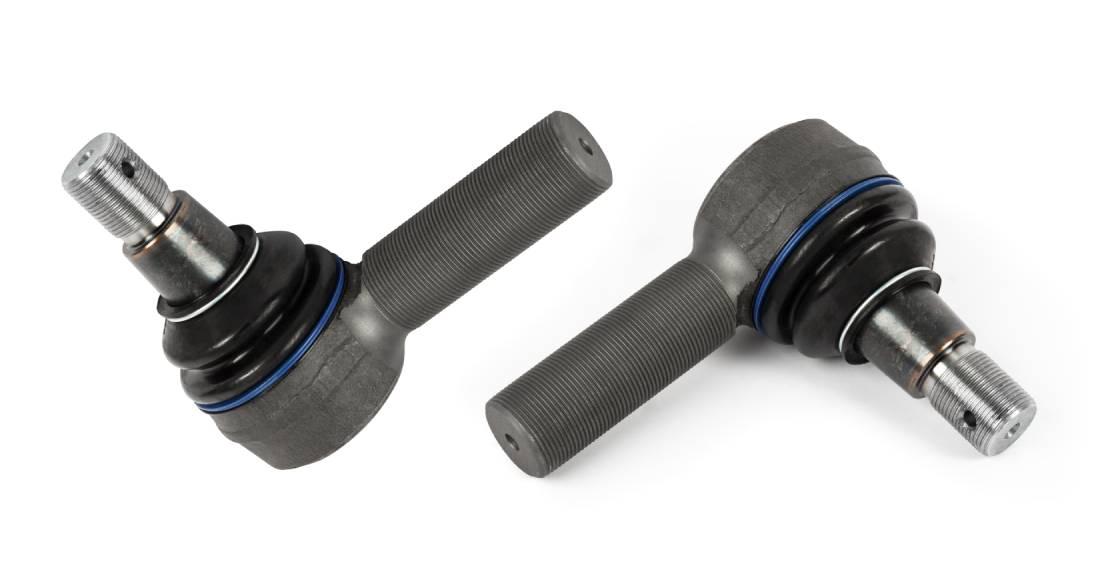
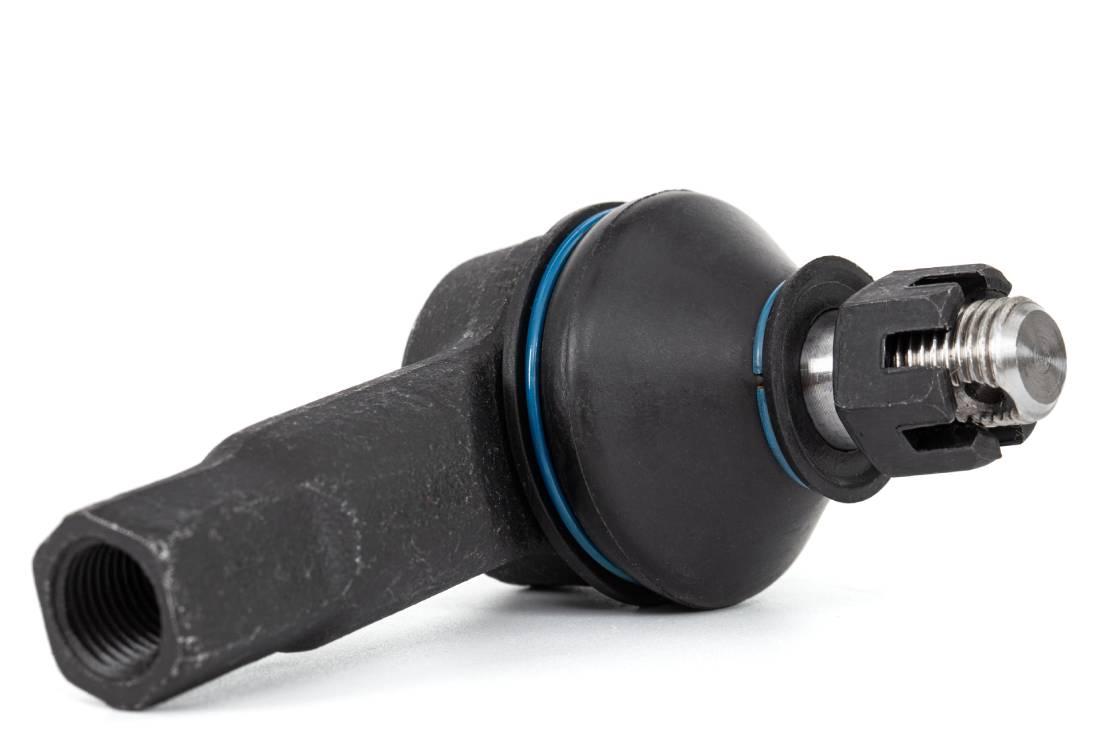
A ball joint is a spherical joint that connects the vehicle’s steering system to the wheel hubs. The motion transmitted from the steering box passes through the steering shaft and reaches the ball joint, which is located closest to the wheel. Thanks to its spherical head, this component allows for horizontal steering movements while also accommodating the vehicle’s vertical suspension movements. There is one outer ball joint on each side—left and right—in the vehicle’s front suspension system.
This mechanical component consists of a metal housing and a steel ball that can move freely inside the housing. It is covered with a durable rubber bellows to keep the internal joint lubricated and protect it from foreign substances such as mud, water, and dust. A sturdy steering knuckle ensures that even the slightest force applied by the driver to the steering wheel is transmitted to the wheels instantly and without loss.
What Does a Steering Knuckle Do?
The primary function of the steering knuckle is to convert the mechanical rotational motion from the steering wheel into a linear force and transmit it to the wheels. This ensures that no matter which direction the driver turns the steering wheel, the front wheels follow that direction with millimeter-level precision. It is the steering knuckle’s responsibility to ensure the wheels make contact with the road at the correct angle—not only when driving straight but especially when cornering and maneuvering.
It also absorbs the vertical movements caused by road irregularities, potholes, and bumps that the wheels encounter while driving. It ensures that the steering linkage does not break or remains flexible during the suspension system’s vertical oscillations. This not only enhances driving comfort but also protects the steering system from excessive loads and breakage.
What Causes Tie Rod End Failure?
The most common cause of tie rod end failure is the natural wear and tear that occurs over time. The ball joint, which is constantly in motion, begins to wear out as the lubricant inside loses its effectiveness with increasing mileage. Frequent travel on rough, rocky, and pothole-ridden roads significantly increases the load on the ball joints and drastically shortens the part’s mechanical lifespan.
Another major cause of failure is a tear or crack in the rubber dust boot that protects the ball joint. Dust, sand, and water entering through the boot—which dries out over time or is damaged by an external impact—wash away the grease inside the joint, causing metal-to-metal friction. In situations such as hitting a curb hard, driving into large potholes at high speed, or being involved in an accident, the steering knuckle may bend or break due to a sudden impact.
How Can You Tell If a Steering Knuckle Is Faulty? What Are the Signs?
There are many clear signs that indicate a steering knuckle is faulty or has reached the end of its service life. These signs typically manifest clearly in the steering feel, noises coming from the vehicle, and the physical condition of the tires.
Feeling of Play and Vibration in the Steering
When the ball joint in the steering knuckle wears out, an excessive amount of play develops in the ball bearing inside the joint. Because of this play, when the driver turns the steering wheel, the wheels do not respond until a certain angle is reached, and a feeling of looseness is felt in the steering. Especially when driving at high speeds or on rough roads, the free movement caused by the worn joint results in noticeable vibrations and shaking in the steering wheel.
Uneven and Premature Tire Wear
A faulty steering knuckle directly disrupts the wheel’s rotation angle and contact geometry. Since the wheel cannot maintain its ideal alignment, it begins to wear unevenly on the inner or outer shoulder areas. If, upon checking the tread depth of the tires, one side is completely worn down while the other remains new, this is one of the clearest indications that the steering knuckle has failed and the wheel alignment is off.
Rattling and Squeaking Noises Coming from the Vehicle
When the grease inside the steering knuckle runs out or the protective boot tears, metal parts begin to rub against each other without lubrication. This causes squeaking noises to come from under the vehicle, especially when the steering wheel is turned to the right or left at low speeds. Metallic clunking and thumping noises from the front suspension when driving over potholes or speed bumps are also signs of a loose steering knuckle.
The Vehicle Pulling to One Side
Wear on either the right or left steering knuckle causes that wheel to adopt an independent angle during driving. Even if the driver keeps the steering wheel straight, the vehicle will tend to veer constantly to the right or left due to the misaligned wheel. If the vehicle drifts out of its lane when you momentarily release the steering wheel while driving on a straight road, it means there is play in the tie rod components of the front suspension.
Reduced Steering Control
Wear on the steering knuckles weakens the precise, dynamic connection between the steering system and the wheels. The driver’s steering commands are transmitted to the wheels with a delay, making it difficult for the vehicle to maintain its line, especially on winding roads. Heavy steering, loss of agility in turns, and a general feeling of driving insecurity indicate that the steering knuckle is not functioning properly.
How to Replace a Steering Knuckle?
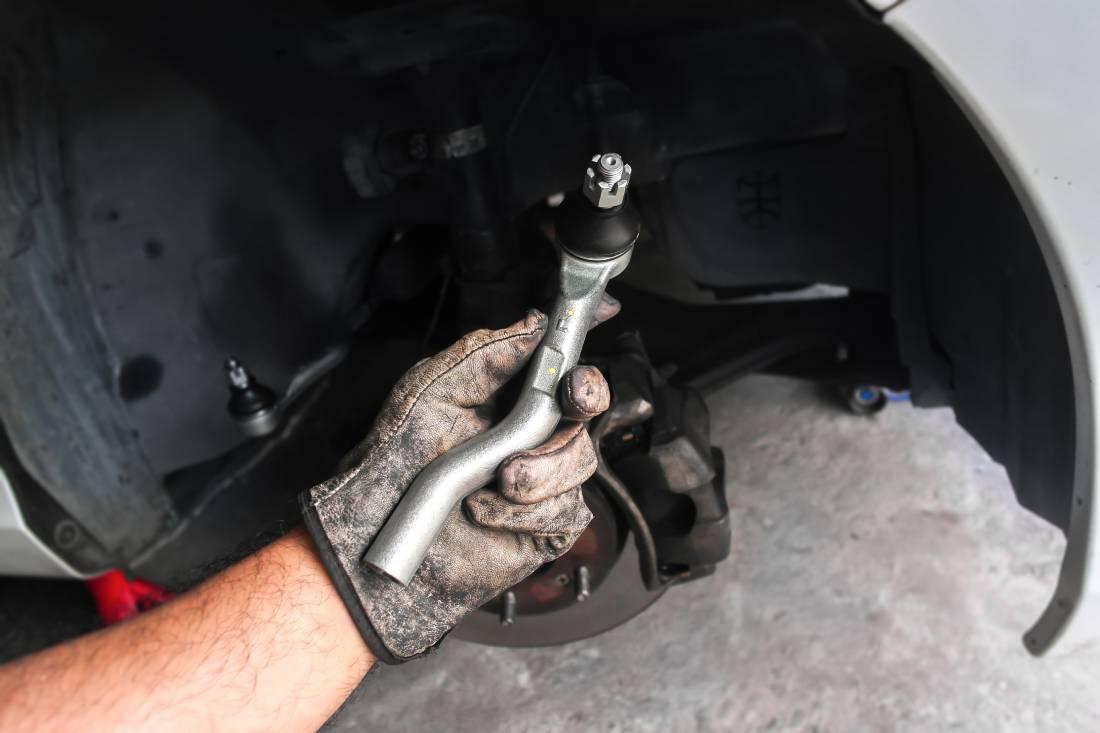
A steering knuckle replacement is a front-end repair procedure that requires expertise and professional equipment. First, the vehicle is raised using a lift, and the wheel on the side where the damaged part is located is removed. Next, the lock nut securing the steering knuckle to the steering knuckle shaft is loosened, and the nut securing the steering knuckle to the wheel hub is removed, allowing the part to be freed.
A special puller is typically used to remove the old steering knuckle, ensuring that the hub structure remains undamaged. When installing the new steering knuckle, it is screwed in to a similar depth, taking into account the number of threads or the measurement of the old part on the shaft. After the new part is tightened to the appropriate torque values, the wheel is reattached, and the process is complete.
What Happens If the Steering Knuckle Isn’t Replaced? What Kind of Risks Does It Pose?
Delaying the replacement of a faulty steering knuckle leads to very serious consequences that directly jeopardize driving safety. This play in the front suspension eventually causes premature wear on other expensive components, such as the steering shaft, steering box, and shock absorbers.
- A ball joint that wears out while driving can pop completely out of its socket or break.
- The wheel’s connection to the steering system can suddenly snap, causing the wheel to turn in an uncontrolled direction.
- This makes it completely impossible for the driver to steer the vehicle, which can lead to fatal accidents at high speeds.
To avoid these risks, front-end suspension failures must be repaired as soon as they are detected.
What Is the Lifespan of a Tie Rod End? How Often Should It Be Inspected?
While tie rod ends do not have a standard service life, they are generally expected to function trouble-free for between 80,000 and 100,000 kilometers under normal road conditions. However, consistently aggressive driving, driving over speed bumps too hard, and driving on unpaved roads can cut this lifespan in half. The quality of the part’s manufacturing and the standard of materials used are also factors that determine its lifespan.
To ensure safe driving, steering knuckles and general front suspension components must be visually and mechanically inspected during every periodic maintenance check—typically every 10,000 to 15,000 kilometers. Additionally, technicians should inspect the condition of the steering knuckles whenever new tires are installed or the steering alignment is adjusted.
What Is Wheel Alignment, and Why Is It Required After Replacing the Steering Knuckles?
Wheel alignment is the process of adjusting the angles of the vehicle’s four wheels relative to each other and to the road surface to meet factory standards. This adjustment ensures that the tires make contact with the road surface perfectly parallel, thereby optimizing ride comfort and ensuring even tire wear. Proper wheel alignment reduces fuel consumption and maximizes the vehicle’s handling performance.
When a steering knuckle is replaced, the wheel’s toe angle is inevitably altered because the bolt pattern on the axle changes by a few millimeters. If a wheel alignment is not performed after installing the new part, the vehicle will continue to pull to one side on straight roads, and even your new tires will wear out very quickly. For this reason, having a professional digital wheel alignment performed immediately after every steering knuckle replacement is a legal and technical requirement.
Frequently Asked Questions About Wheel Studs
Drivers often have many common questions about wheel stud failures, maintenance, and replacement processes. The answers to these questions serve as a guide for maintaining the health of your vehicle’s front suspension.
What Do You Feel While Driving If the Tie Rod End Fails?
When a tie rod end fails, you’ll notice a distinct loss of responsiveness, looseness, and a feeling of play in the steering wheel. This creates a sense of insecurity, especially when taking turns, as if the vehicle is struggling to stay on the road. When driving at high speeds, mechanical vibrations and jolts strong enough to be uncomfortable in your hands are clearly felt through the steering wheel.
Can a Steering Knuckle Failure Cause a Wheel to Come Off?
Yes, steering knuckles that have been neglected for a long time and are severely worn can break off completely. The moment the ball joint pops out of its socket, the connection between the wheel hub and the steering box is severed. In this situation, the wheel may fold outward or inward uncontrollably, causing the vehicle to veer off the road or roll over.
How Long Does a Ball Joint Replacement Take?
Removing the tie rod end on a single side and installing a new one takes an average of 20 to 30 minutes at a professional service center with the proper equipment. If both sides are replaced at the same time, this process can take approximately 45–60 minutes. However, when the mandatory tie rod adjustment required after the replacement is factored in, a total of 1–1.5 hours should be allocated for the entire process.
What Is the Difference Between a Tie Rod End and a Tie Rod?
A tie rod is a long, straight metal rod that transmits the linear motion from the steering box to the tie rod end. The tie rod end, on the other hand, is the end piece that is screwed onto the end of this rod, features a spherical joint, and connects directly to the wheel. In summary, while the steering shaft transmits motion, the steering knuckle is responsible for flexibly transferring that motion to the wheel.
Should a Steering Knuckle Be Repaired or Replaced?
Steering knuckles are mechanically pressed, one-piece components of critical importance for safety. It is absolutely impossible and extremely dangerous to repair, weld, or fill a steering knuckle that is worn, has developed play, or has a torn boot. In the event of a failure, the part must be replaced with an original or high-quality equivalent.
Will a Faulty Steering Knuckle Pass Inspection?
At vehicle inspection stations, front suspension components are thoroughly tested using mechanical vibration devices. Play, wear, torn boots, or bending detected in steering knuckles are considered major defects because they directly endanger driving safety. In such cases, the vehicle fails the inspection, and the owner is required to replace the part and return for a re-inspection.
In summary, the steering knuckle—as one of the most critical components of a vehicle’s steering and front suspension systems—forms the foundation of safe driving. Play in the steering wheel, uneven tire wear, and unusual noises coming from the front suspension are all warning signs of a steering knuckle failure. If you notice these symptoms, you should contact a professional service center immediately, have the worn parts replaced, and then have the wheel alignment checked. Regular inspections and timely repairs not only prevent costly breakdowns but also ensure the safety of you and your loved ones on the road.