





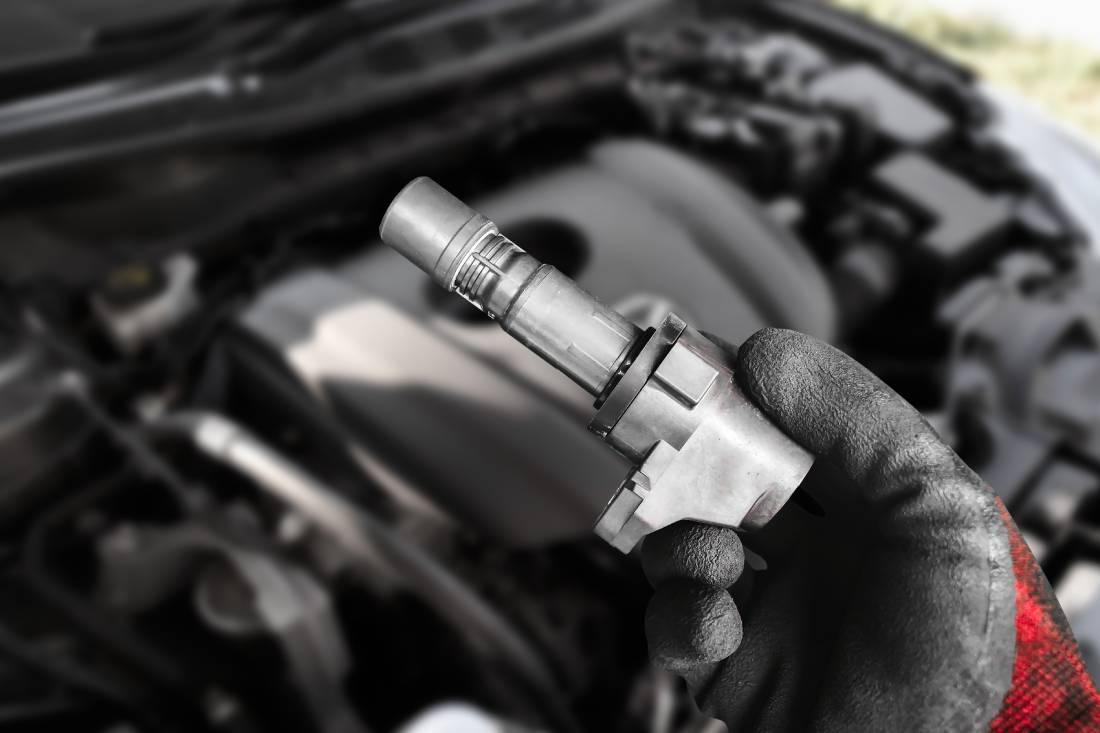
An ignition coil failure occurs when the high voltage required to ignite the fuel-air mixture in the vehicle’s cylinders cannot be generated or cannot be reliably transmitted to the spark plugs; this failure causes the engine to misfire, lose power, and experience a significant increase in fuel consumption. Understanding why this critical component—which directly affects your vehicle’s engine performance—fails and recognizing the symptoms early can help you prevent more serious mechanical issues. By learning the underlying causes of this common electrical failure, how it manifests while driving, and the correct solutions, you can extend the life of your vehicle.
What Is an Ignition Coil?
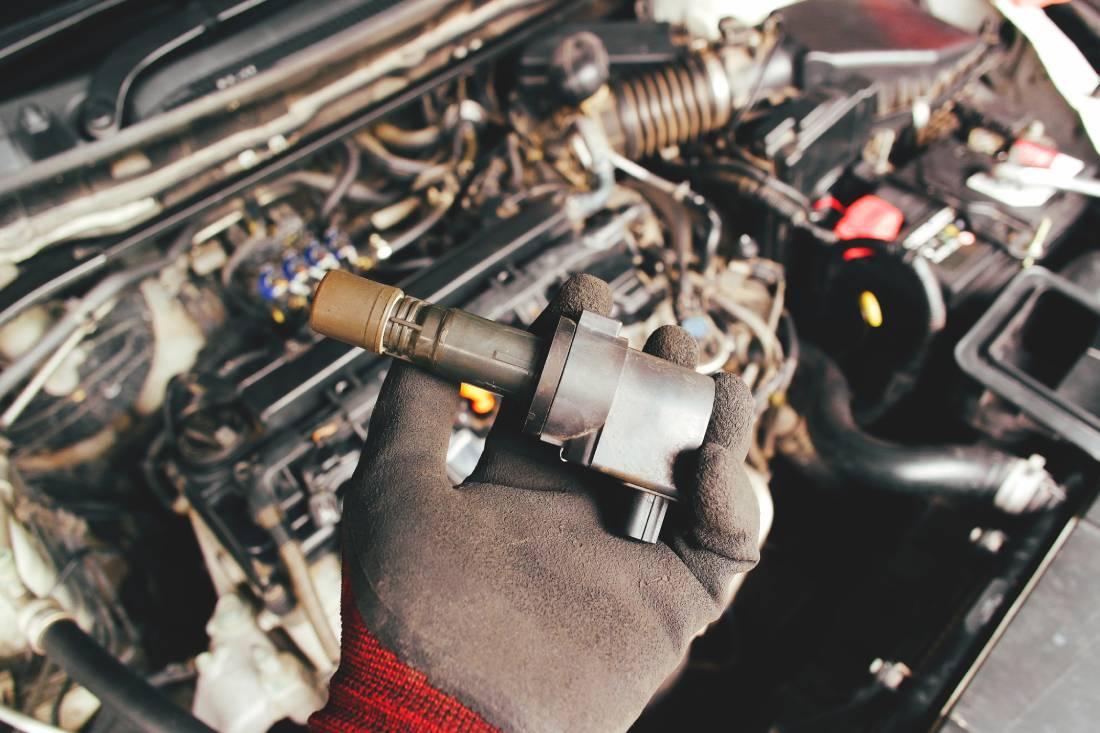
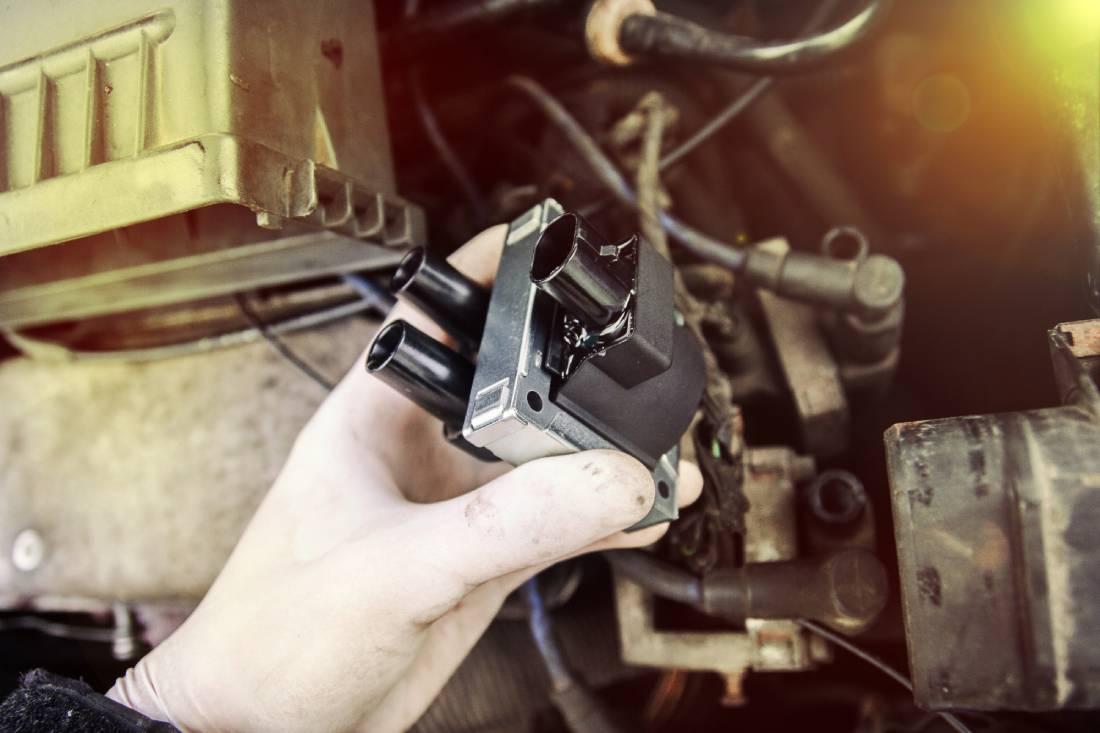
An ignition coil is a type of transformer that converts the 12-volt low-voltage electrical energy from the car’s battery into thousands of volts of high voltage to ignite the fuel inside the cylinders. In modern vehicles, this component—which provides independent current to each cylinder or spark plug to ensure the engine runs smoothly—is the heart of the ignition system. Containing two distinct windings called the primary and secondary windings, this component operates on the principle of electromagnetic induction to generate high current at exactly the right moment in response to signals from the engine management system.
What Does an Ignition Coil Do?
The primary function of the ignition coil is to provide the high voltage needed to generate the spark required by the spark plugs so that the air-fuel mixture compressed in the engine’s combustion chamber can ignite. Since the battery current alone is not sufficient to produce a strong spark at the spark plug, the coil steps in to boost this energy to levels ranging from approximately 20,000 to 50,000 volts. This spark, generated with precise timing and stable voltage, is the most important factor ensuring that the engine operates efficiently, is environmentally friendly, and is fuel-efficient.
Why Do Ignition Coils Fail?
Although ignition coils have durable mechanical and electronic designs, they can lose their functionality over time due to environmental factors and operating conditions inside the engine. Understanding the key factors that shorten the lifespan of this critical component and lead to sudden failures makes it easier to take early preventive measures. The most common factors contributing to coil failure are as follows:
Spark Plug and Spark Plug Wire Wear
Spark plugs that have reached the end of their service life, are worn out, or have a widened electrode gap require a much higher voltage from the ignition coil to produce a spark. To meet this extra demand, the coil is forced to operate beyond its capacity, and its internal windings are damaged due to overload. Similarly, spark plug wires that have lost their insulation properties cause current leaks, which disrupt the coil’s internal resistance and prematurely shorten the component’s lifespan.
Excessive Heat Inside the Engine
Ignition coils located on or near the engine block are constantly exposed to high temperatures while the engine is running. Over time, this continuous cycle of extreme heat causes the insulation material on the outside of the coil, the plastic housing, and the protective layer of the internal windings to crack or melt. A coil whose structural integrity has been compromised by heat loses its electrical insulation, causing a short circuit and rendering it completely inoperable.
Electrical Voltage Fluctuations
Irregularities in the vehicle’s charging system or alternator can cause sudden and high voltage fluctuations in the electrical system. Since coils are designed for a specific input voltage, these sudden current surges cause excessive heating and burning in the device’s primary windings. Additionally, a weakened battery or one with oxidized terminals can send irregular current to the system, leading to unstable operation and eventual failure of the coil.
Moisture and Water Exposure
Water that seeps into the engine compartment during careless washing while cleaning the engine or during heavy rain can accumulate in the ignition coil sockets. Water and moisture cause electrical current to leak out, leading to rust and oxidation in the socket connections, which significantly reduces conductivity. Short circuits caused by moisture instantly burn out the coil’s internal electronic circuits, permanently disabling the component.
How to Identify an Ignition Coil Malfunction?
When the ignition coil fails to function properly, the engine’s combustion cycle is disrupted, and the vehicle begins to send clear warning signals to the driver. Accurate analysis of these symptoms prevents the risk of breaking down on the road and damage to other engine components. The most common warning signs drivers encounter are as follows:
Engine Vibration and Misfiring
When the coil fails, an irregular spark—or no spark at all—is sent to the affected cylinder, causing the engine to run unevenly and jerkily. In particular, intense vibration is felt in the steering wheel and seats while the vehicle is idling, and during acceleration, the engine responds in short bursts, causing it to misfire. This situation is a typical case of misfiring caused by one or more cylinders failing to complete the combustion process.
Excessive Fuel Consumption
Due to a weak spark, the fuel-air mixture entering the cylinder cannot be fully burned and is expelled through the exhaust without being converted into energy. To compensate for the loss of power and maintain performance, the engine control unit instructs the system to send more fuel to the cylinders. As a result, your vehicle’s traction decreases, and the amount of fuel you consume per kilometer traveled rises well above normal levels.
The Check Engine Light Comes On
Sensors in modern vehicles continuously monitor combustion quality in the cylinders and deviations in electrical current, reporting this information to the engine control unit. The moment an irregularity or current interruption is detected in the ignition coil, the yellow engine malfunction light on the instrument panel illuminates. In some vehicles, this condition is directly recorded as a “misfire” code—indicating an ignition failure in a cylinder—when the vehicle is connected to a diagnostic scanner.
Decrease in Engine Performance and Traction
It is clearly evident—especially when driving uphill, when the vehicle is loaded, or when sudden acceleration is required—that the engine cannot produce its former power and feels sluggish. Despite pressing the accelerator pedal, the vehicle struggles to accelerate, and engine RPM rises very slowly. The cause of this performance loss is that one cylinder is either completely disabled or producing insufficient power due to a faulty coil.
Raw Fuel Odor Coming from the Exhaust
Fuel gas that fails to ignite in the combustion chamber is forced directly into the exhaust system before it has completely lost its liquid form, where it partially vaporizes due to the high temperature. This causes a very sharp and unpleasant odor of raw gasoline or gas to emanate from the rear of the vehicle or the exhaust outlet. This fuel may also continue to burn inside the catalytic converter, potentially causing this expensive component to melt.
Delayed Engine Start or Failure to Start
In older single-coil systems, or in cases where multiple coils are damaged simultaneously, the engine may turn over when the starter is engaged but the initial ignition does not occur. In newer-generation vehicles with multiple ignition coils, however, even if only a few coils are faulty, the engine’s initial startup time increases and the vehicle has difficulty starting. This delayed startup and failure to crank problem becomes much more pronounced during the winter months or in the morning when the engine is cold.
How to Fix an Ignition Coil Failure?
When an ignition coil fails, it is necessary to identify exactly which cylinder or wire is affected in order to take the correct action. Since it is an electrical component, proceeding with professional steps rather than trial and error is the safest solution. The following technical steps are followed during the repair process:
Troubleshooting with an OBD Scanner
To troubleshoot a problem, you must first connect the vehicle to an OBD scanner and read the error codes stored in its memory. The device displays error codes on the screen, such as P0300 (general ignition fault) or specific codes like P0301 and P0302, which indicate which cylinder’s ignition coil is faulty. This allows for pinpoint identification of the exact component that needs attention when the hood is opened, thereby preventing unnecessary part replacements.
Replacing a Faulty Ignition Coil
Once the ignition coil is confirmed to be faulty, the electrical connector is carefully disconnected, and the coil is removed by loosening the mounting screws. During replacement, care must be taken to ensure that the new coil is an original or high-quality part that is fully compatible with the vehicle’s make, model, and engine code. Once the new coil is fully seated in its housing and secured with screws, the socket connection is securely locked into place to complete the installation.
Inspection of Connection Wires and Spark Plugs
Replacing only the coil may not always provide a permanent solution; therefore, the spark plugs connected to the coil and the current-carrying wiring must also be inspected. If the spark plugs have reached the end of their service life or the wires show signs of wear, they can cause the newly installed coil to burn out quickly. Accordingly, replacing worn-out spark plugs and cleaning the wire connectors with contact cleaner during the coil replacement is a critical step for system health.
Frequently Asked Questions About Ignition Coil Failures
Can You Drive a Car with a Faulty Ignition Coil?
It is strongly discouraged to continue driving a vehicle with a faulty ignition coil, as this can cause permanent and costly damage to the engine. Unburned fuel entering the exhaust system can melt the catalytic converter, and excessive engine vibration can damage the engine mounts. While it is possible to drive at very low speeds until you reach the nearest service center in an emergency, using the vehicle this way for an extended period can completely ruin the engine.
Can an Ignition Coil Be Repaired?
Since ignition coils have a sealed structure consisting of insulated windings and sensitive electronic circuits housed within a molded plastic casing, they cannot be repaired. If the internal windings break or the insulation cracks, it is technically impossible to access the component’s interior and repair it safely. Therefore, the only definitive solution for a malfunctioning, shorted, or burned-out ignition coil is to replace it with a new one.
What Is the Lifespan of an Ignition Coil in Kilometers?
Although ignition coils do not have a specific expiration date, the lifespan of a high-quality coil generally ranges from 100,000 to 150,000 kilometers. However, this lifespan may be shorter or longer depending on the vehicle’s operating conditions, whether the spark plugs are replaced on time, and the engine’s internal temperature. Ensuring that spark plug replacements are not neglected during routine maintenance is the most important factor in helping the coils reach their maximum lifespan.
If a Single Ignition Coil Fails, Should All of Them Be Replaced?
In vehicles with independent coils for each cylinder, replacing only the single faulty coil is technically sufficient and saves you money. However, since all coils are exposed to the same heat and operational load over the same mileage, it’s important to remember that when one fails, the others are also nearing the end of their service life. If your budget allows, replacing the entire set of coils at once provides greater long-term peace of mind, as it helps avoid having to return to the service center in the future.
Does an Ignition Coil Malfunction Increase Fuel Consumption?
Yes, an ignition coil malfunction is one of the key factors that directly and significantly increases a vehicle’s fuel consumption. When combustion within the cylinder does not occur at full capacity, the engine loses power, and the driver is forced to press the gas pedal harder to maintain the same speed. In addition, the engine control unit compensates for this power loss by sending a rich fuel mixture to the cylinders, thereby maximizing unburned fuel consumption.
Is It Harmful to Use Aftermarket Ignition Coils?
Using low-quality, unbranded, and cheap aftermarket ignition coils poses a major risk to the vehicle’s sensitive electronic system and engine health. Since these parts cannot fully meet the manufacturer’s specified voltage values, they cause the engine to run erratically, misfire prematurely, or reignite too quickly. In systems as critical as the ignition—the heart of the engine—choosing original parts or high-quality, manufacturer-approved aftermarket brands is always the safest and most economical approach in the long run.
Ignition coil failures are a serious problem that, if not addressed promptly, can go far beyond a simple part replacement and result in significant repair costs for the engine. The moment you notice vibration, a loss of power, or increased fuel consumption in your vehicle, seeking assistance from a professional service to have the ignition system inspected is the best step you can take for your driving safety.