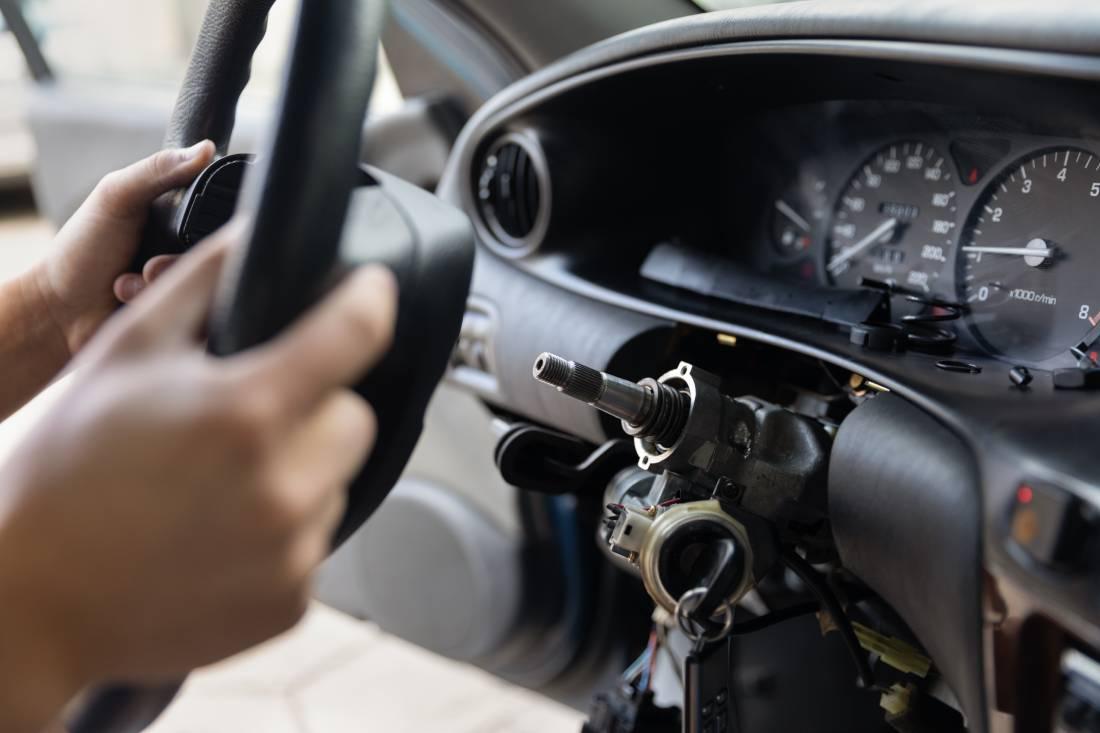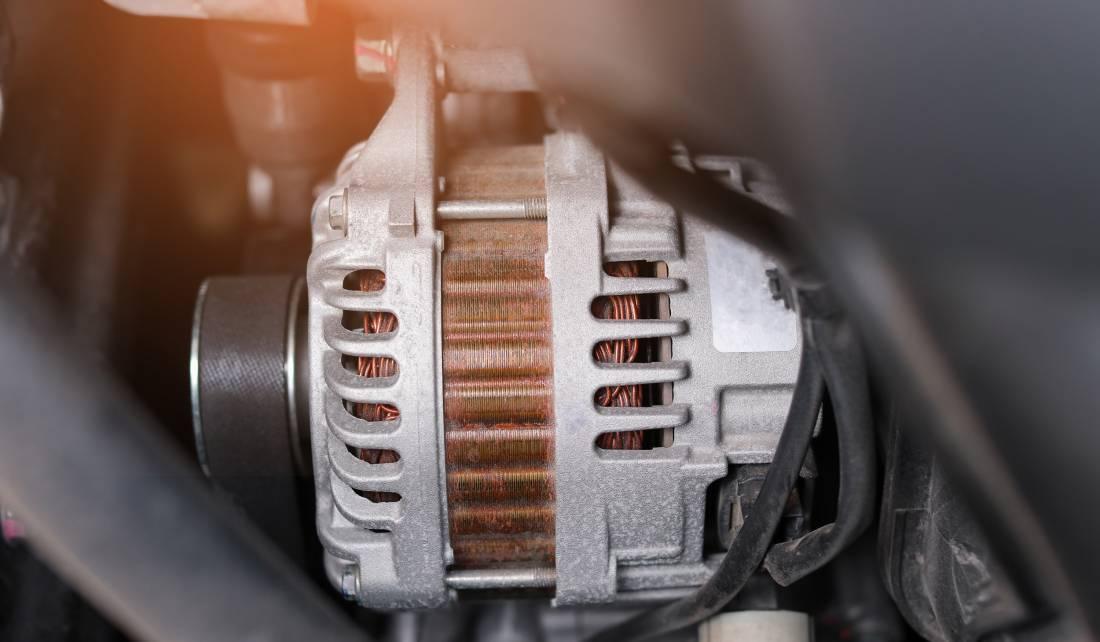






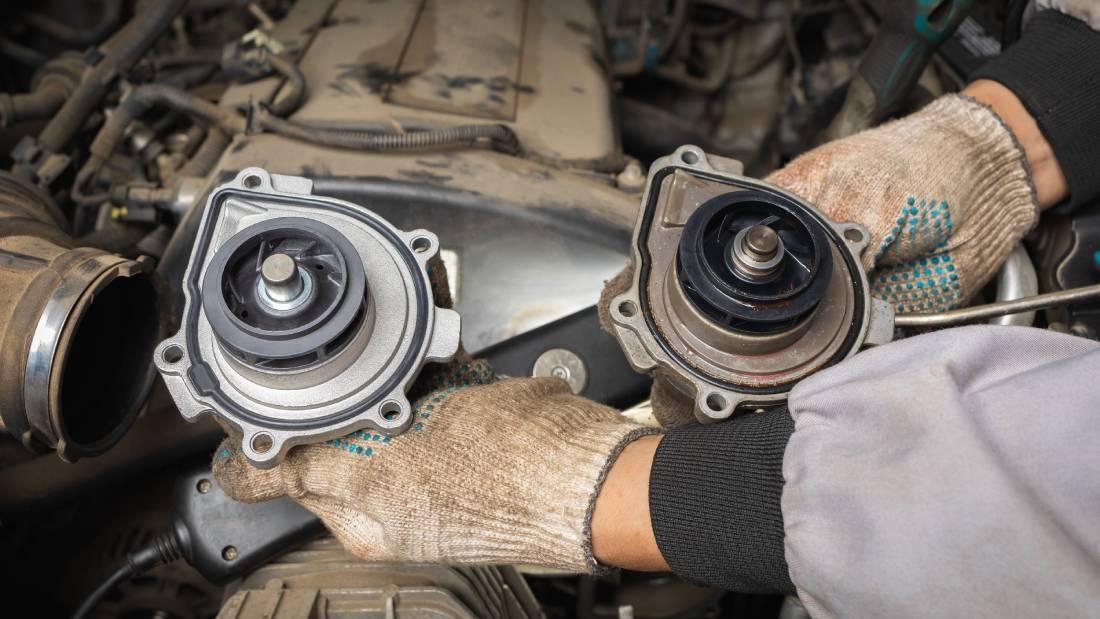
A coolant pump failure is a critical mechanical issue in which the water pump—which plays a vital role in the engine’s cooling system—ceases to function, preventing the coolant from circulating through the engine and, as a result, causing the engine to overheat. The most obvious signs of this failure include the vehicle’s temperature gauge rising above normal levels, water leaking from under the vehicle while parked, or unusual humming noises coming from under the hood. Failure of this system, which is crucial for engine health, can lead to much more severe and costly engine damage if not detected early and addressed by a professional.
What Is a Coolant Pump?
The coolant pump is a fundamental mechanical component located within a vehicle’s engine block that ensures the continuous circulation of engine coolant (a mixture of antifreeze and water) throughout the system. Typically driven by the timing belt or the alternator belt, this component features an internal impeller-driven structure that facilitates fluid circulation. While the pump’s outer housing is made of metal alloys capable of withstanding extreme temperatures, its interior contains central bearings that facilitate rotation and seals that maintain a leak-free environment.
Also known as a water pump, this mechanism serves as the heart of the system, ensuring that internal combustion engines remain at their ideal operating temperature. Although its design and operating principle are quite simple, it is one of the most essential components for ensuring the vehicle operates safely and that engine components are protected from damage caused by high heat.
What Does a Coolant Pump Do?
While internal combustion engines are running, they generate very high temperatures due to the continuous explosions occurring inside them, and this temperature must be kept under constant control. The coolant pump draws coolant—which is cooled by air or a fan in the radiator—and pumps it through special water channels around the engine block and cylinder head, preventing the engine from overheating. It then returns this heated coolant to the radiator, creating a continuous cycle within a closed loop.
Thanks to this continuous movement of the coolant, the engine is kept at the optimum operating temperature specified by the manufacturer (typically around 90 degrees) at all times. When the system operates correctly and efficiently, it prevents metal parts inside the engine from expanding and rubbing against each other, avoids performance losses, and maintains fuel efficiency at an ideal level.
How to Recognize a Coolant Pump Failure?
Failures in the coolant pump manifest themselves to drivers through various mechanical and visual signs, providing an opportunity for early intervention. Changes on your vehicle’s instrument panel or certain abnormalities you may physically observe indicate that this component is not functioning properly.
Rising Engine Temperature
A temperature gauge on the vehicle’s dashboard rising well above normal levels is the most common and dangerous sign that the coolant pump is failing. When the pump breaks down or seizes up, the impellers stop spinning, preventing coolant from circulating through the engine, causing the engine temperature to rise rapidly in a very short period of time.
If this situation occurs, it is critical to immediately pull the vehicle over to a safe location and turn off the engine. Continuing to drive when the temperature gauge reaches the red zone will cause permanent damage to the engine block and cylinder head, resulting in serious, irreversible expenses.
Water Leaks from Under the Vehicle
If you notice a pool of green, red, or orange liquid under the front of your vehicle—especially after parking it and waiting for a while—this indicates a leak in the cooling system. Cracks in the water pump housing, bearing failure, or worn-out seals can cause coolant to leak directly onto the ground.
Regularly checking the underside of the vehicle and the engine compartment allows for the early detection of such leaks. A periodic drop in the water level in the expansion tank is also the most significant indicator of a hidden leak originating directly from the pump.
Abnormal Humming Noises Coming from the Engine
If you hear a continuous, high-pitched humming or a scraping sound against metal coming from under the hood while the engine is running—a sound you haven’t heard before—this is most likely caused by the pump’s bearings. Bearings that have worn down over time, rusted due to contact with fluid, or become dry produce a very annoying, high-pitched sound as the belt rotates.
If the noise level increases with engine RPM—that is, as you press the accelerator—it may indicate that the pump is nearing the end of its mechanical life. When such noises are heard, the tension of the belts and the water pump should be thoroughly checked without delay.
Insufficient Heating from the Heating System
If your vehicle’s heater isn’t blowing as much hot air as it used to and isn’t warming the cabin during the winter months, the underlying problem may stem from the engine’s coolant pump. The vehicle’s heating system draws the hot water it needs directly from the engine’s cooling system; therefore, when the pump cannot circulate the fluid sufficiently throughout the system, hot water cannot reach the radiator core.
This indirect symptom serves as an excellent early warning sign before other major overheating issues arise. Even if the engine temperature appears normal, a heater that fails to warm up indicates that fluid flow has slowed and the pump has lost performance.
Rust and Corrosion in the Water Pump
If you open the hood and physically inspect the water pump, and you see rust, corrosion, or oxidized blisters on the pump housing, it indicates that the system has been experiencing minor leaks for some time. Using the wrong coolant or constantly adding tap water to the system causes severe corrosion on the pump’s outer surface and internal impellers.
Over time, this corrosion completely erodes the pump’s impellers, reducing fluid flow to zero. This rust, which is clearly visible to the naked eye, is physical evidence that the pump has lost its structural integrity and must be replaced as soon as possible.
Why Does the Circulation Pump Fail?
The failure of a circulation pump is generally not due to a single cause; the part’s natural service life, maintenance errors, and the use of low-quality materials all accelerate this process. Understanding the key factors that lead to the loss of function in this vital component is crucial for preventing unwanted failures.
Wear and Tear Over Time
Like any mechanical part, the circulation pump has a limited service life because it operates under constant friction and high heat. The impellers, bearings, and seals—which rotate nonstop for thousands of kilometers while the vehicle is running—undergo a natural wear-and-tear process over time.
This mechanical fatigue is the primary factor leading to the pump’s eventual failure, even in the absence of any external interference or user error. For this reason, monitoring the component’s service life and noise levels during periodic maintenance is of great importance.
Use of Poor-Quality or Incorrect Antifreeze
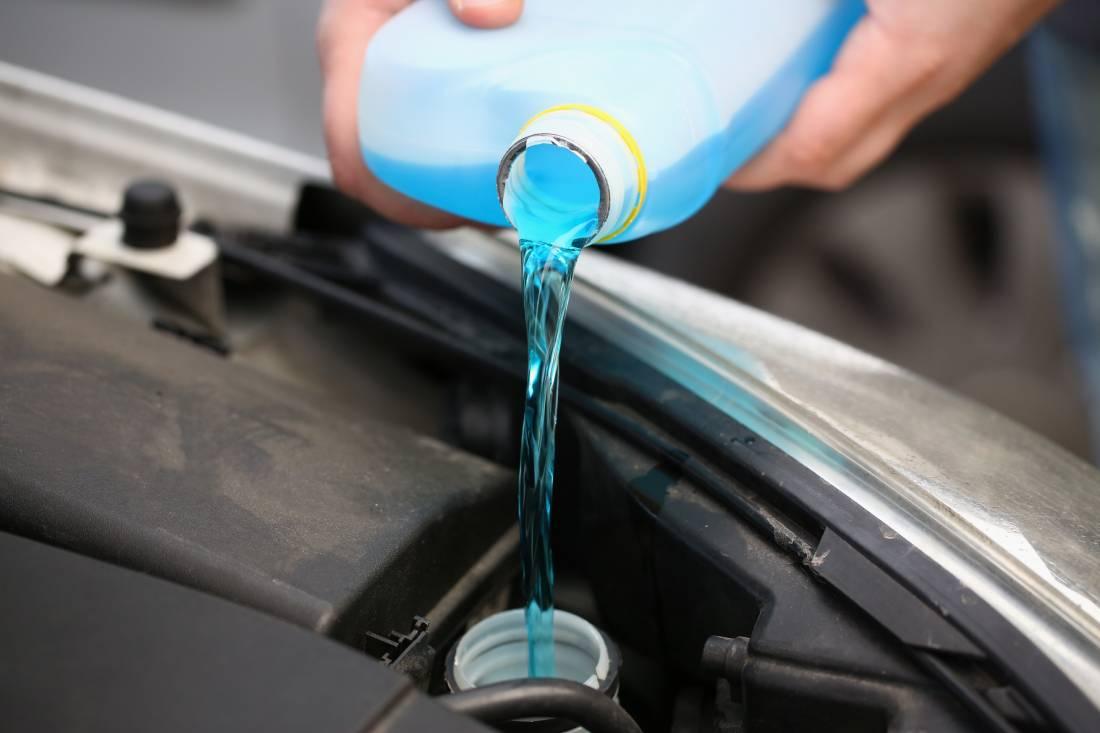
Filling the engine cooling system with nothing but hard tap water or using low-quality antifreeze with specifications not recommended by the vehicle manufacturer is the water pump’s worst enemy. The minerals in tap water cause corrosion on the pump’s impellers, seals, and gaskets, causing the part to rust from the inside out and eventually fail.
Using high-quality antifreeze in the correct proportion, on the other hand, prevents the system from rusting and significantly extends the pump’s lifespan. Antifreeze not only prevents freezing but also lubricates moving parts within the system—such as the water pump—thereby minimizing friction.
Incorrect Tension of the Timing Belt
Installing the belt—which provides the rotational power for the water pump—too tight or too loose is one of the most common external causes of failure. Excessive belt tension places an abnormally high load on the center bearings inside the pump, leading to premature failure and seizing of the ball bearings.
Such simple, amateur installation errors made during belt replacement can cause even a brand-new pump to fail in a very short time. Therefore, belt and tensioner adjustments must always be performed using appropriate measuring tools and at the correct tension levels.
Failure of Pump Seals
The rubber or metal seals that prevent fluid leakage at the point where the pump connects to the motor block are constantly exposed to high temperatures, pressure, and contact with chemical fluids. Due to these harsh operating conditions, the seals lose their flexibility over time, harden, crack, and completely lose their ability to prevent leaks.
Minor water leaks caused by the failure of these seals lead to a drop in overall system pressure and result in inefficient pump operation. Even if the mechanical structure of the water pump is sound, a single faulty seal can put the entire system at risk.
What Happens If the Coolant Pump Fails?
A failure of the water pump cannot be dismissed as a simple component failure; it disrupts the engine’s entire mechanical balance, triggering a serious chain reaction of damage. Continuing to drive the vehicle after the failure is detected leads to problems that are difficult to remedy and extremely costly.
Engine Overheating
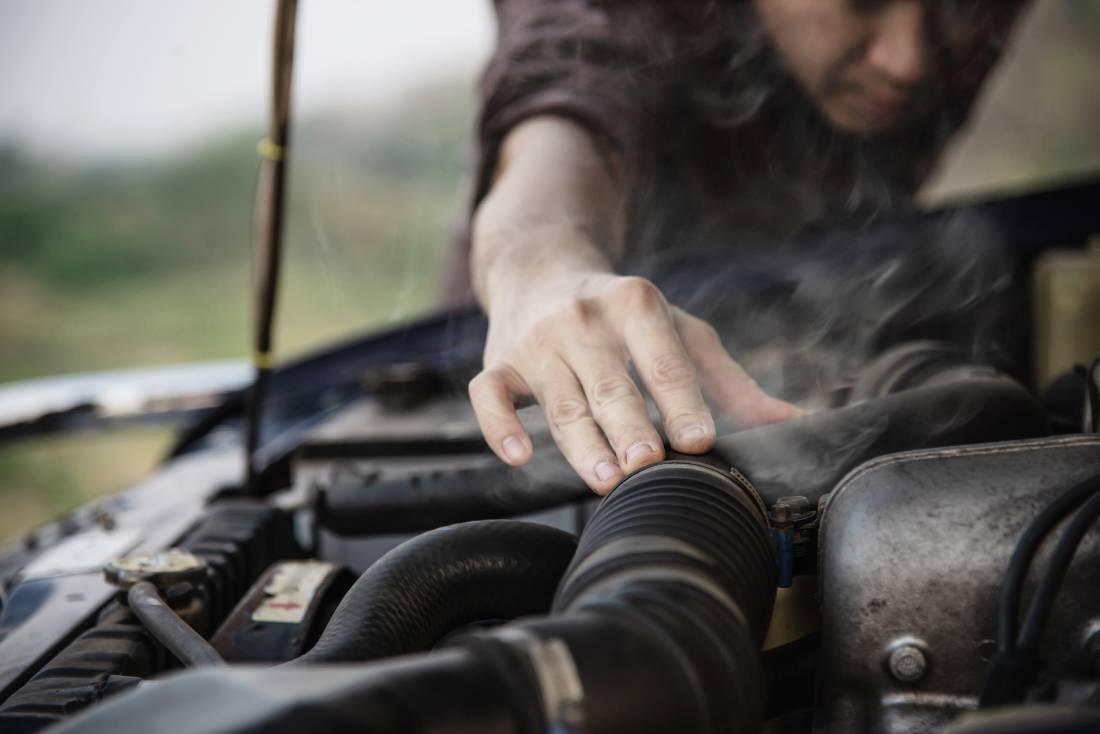
When the coolant circulation stops, the coolant inside the engine block remains stationary and reaches boiling point within minutes due to the high combustion heat generated by the engine. Since the fluid cannot flow to the radiator to cool down, the engine temperature rapidly rises to dangerous levels.
This situation is the most immediate consequence of the malfunction and the first warning sign for the driver. The temperature gauge hitting the ceiling and thick steam rising from under the hood are the clearest indications that the engine has entered an emergency overheating crisis.
Damage to the Engine Block
When exposed to excessive heat, the engine block, pistons, and cylinders begin to expand due to the effects of high temperature, as dictated by the laws of physics. Metal parts that exceed normal operating tolerances and become jammed together due to expansion wear down rapidly; in some cases, deep scratches or hairline cracks form in the engine block.
Such extensive damage to the engine block is a major expense, requiring the engine to be completely removed and rebuilt—a process known as engine reconditioning. By this stage, the mechanical balance and compression ratio within the engine have been completely disrupted.
Cylinder Head Gasket Failure
The first and most costly casualty of overheating is usually the cylinder head gasket, which ensures a seal between the cylinder head and the engine block. Unable to withstand extreme heat and expansion, this specialized gasket melts or burns very quickly, losing its structural integrity.
When the gasket fails, engine oil and coolant begin to mix; this leads to the failure of the engine’s lubrication system and oil contamination of the coolant. When this problem occurs, it becomes necessary to remove the engine cylinder head, have it resurfaced, and perform a thorough overhaul.
Coolant Pump Repair and Replacement
The repair and replacement of a failed coolant pump is a critical service procedure for engine safety. Proper planning of this process, understanding the characteristics of the part, and having it performed by expert technicians are of vital importance.
Can a Coolant Pump Be Repaired?
In today’s automotive technology, repairing a failed coolant pump is definitely not the preferred method. Removing and replacing the pressed-in bearings, seals, or corroded impellers one by one is not only very difficult but also prevents the restoration of the precise seal integrity provided by the manufacturer.
For this reason, instead of repairing a faulty part, it is replaced directly with a new, original or approved, high-quality equivalent. Amateur repair and maintenance attempts are by no means safe, as they carry the risk of fluid leakage recurring very shortly afterward or the part seizing up while driving.
When Should the Water Pump Be Replaced?
The water pump should be replaced not only when a noticeable malfunction occurs but also as part of a scheduled maintenance routine during periodic major maintenance. Vehicle manufacturers strongly recommend replacing the water pump as part of a preventive maintenance package during timing belt replacement intervals (which vary by vehicle make and model but generally range from 60,000 to 100,000 kilometers).
However, if signs of failure appear—such as unusual mechanical noises coming from the bearings or small water leaks detected under the vehicle—the replacement should be performed immediately, without waiting for any scheduled mileage limit.
What Should You Keep in Mind When Replacing the Water Pump?
To ensure a long-lasting and reliable result during water pump replacement, it is essential to follow certain critical steps without exception. Using the correct installation techniques completely prevents annoying leaks from occurring in the future.
- Original or high-quality equivalent replacement parts manufactured by reliable brands that meet the quality standards specified by the vehicle manufacturer should be selected.
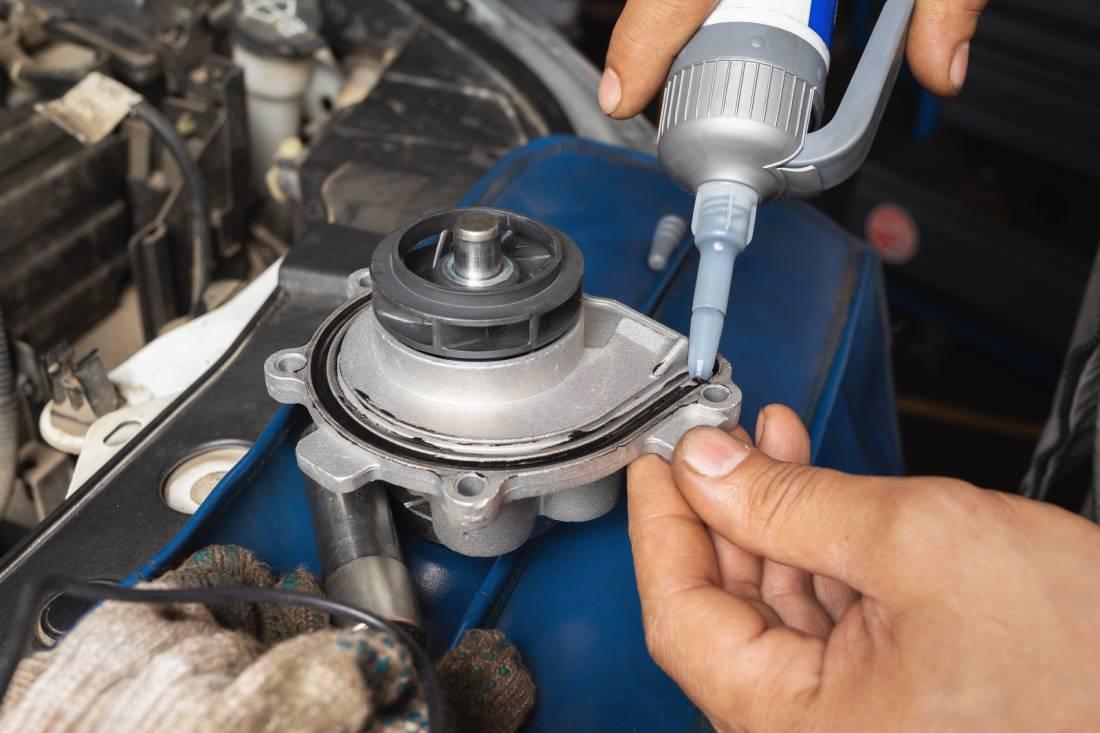
- Residues from the old gasket, dirt, and rust on the surface where the pump seats against the engine block must be removed with fine sandpaper to make the surface completely smooth.
- If new gaskets are to be supported with liquid gasket sealant, it should be applied in a thin layer as recommended by the manufacturer, and the mounting bolts should be tightened to the correct torque using a torque wrench.
- Upon completion of the installation, a new mixture of antifreeze and distilled water with the appropriate specifications must be added to the cooling system.
- After filling, any air remaining in the cooling system must be completely purged, and a thorough leak test should be performed with the vehicle running, waiting for the thermostat to open.
Paying close attention to these steps ensures that the water pump functions flawlessly and protects the engine’s other vital components.
Frequently Asked Questions About Water Pump Failures
Drivers often have many technical questions regarding cooling system issues they encounter in their vehicles. Below, we address the most common, confusing, and frequently searched-for questions about water pumps, as well as those most often directed to experts.
Can You Drive a Car with a Faulty Coolant Pump?
You absolutely should not. Continuing to drive a vehicle with a faulty coolant pump and no coolant circulation will cause the engine to overheat dangerously within just a few kilometers. An uncooled engine will very quickly cause irreparable damage to the engine block, pistons, and cylinder head. As soon as the problem is detected, the vehicle should be pulled over to a safe location, the engine should be turned off, and the vehicle should be towed to the nearest authorized service center.
What Should Be Done If the Coolant Pump Is Leaking?
When a coolant leak is detected, the engine must first be allowed to cool down completely and safely, and then the coolant level in the expansion tank should be carefully checked. After topping off the coolant, the extent of the leak, the rate of dripping, and the color of the coolant should be observed. However, if the coolant loss becomes continuous, the vehicle must not be driven any further under any circumstances, and the coolant pump—which is unable to maintain system pressure—must be replaced without delay. Adding chemical sealants to the system to stop the leak is not recommended, as they can completely clog the radiator and heater core.
How to Identify the Sound of a Water Pump?
A water pump with a failed or deteriorating bearing emits a constant, high-pitched hum or a loud scraping sound coming from under the hood. This noise typically comes from the front or side area where the belt assembly (timing or alternator belt) is located, and the frequency of the noise increases as you press the gas pedal and engine RPM rises. Unlike other standard belt squeaks, it clearly manifests as a deeper, mechanical grinding sound caused by ball bearing wear.
Should the Timing Belt Be Replaced When Replacing the Water Pump?
If the water pump in your vehicle derives its drive power directly from the timing belt, it is strongly recommended that the entire timing belt set (belt and tensioners) be replaced during the water pump replacement. This is because removing the water pump and timing belt requires quite a bit of labor; moreover, reinstalling an old, previously removed belt significantly increases the risk of it losing tension and breaking in the future. Replacing them as a set not only saves on extra labor costs in the long run but also ensures the overall safety of the engine.
What Is the Lifespan of a Coolant Pump?
The service life of a coolant pump varies depending on the vehicle’s operating conditions, the quality of the antifreeze added to the system, climatic conditions, and the quality of materials used by the parts manufacturer; however, under standard conditions, it typically provides reliable service for an average of 80,000 to 120,000 kilometers. This lifespan can be extended somewhat through the consistent use of high-quality coolant and regular maintenance.
In conclusion, the coolant pump is a vital component that ensures your vehicle’s “heart” beats at the ideal temperature; if it fails, it can result in significant costs amounting to thousands of lira. Paying attention to early warning signs—such as a simple drop of water or a faint humming sound in the cooling system—allows for early intervention and protects your engine from serious damage. Never neglect your vehicle’s scheduled maintenance, always use high-quality antifreeze year-round regardless of the weather, and replace the water pump during timing belt maintenance—these are the fundamental requirements for a safe, cool, and trouble-free driving experience.