





The valve is a critical engine component in internal combustion engines that regulates the intake of fresh air-fuel mixture into the cylinders and the expulsion of exhaust gases produced after combustion with millisecond-level precision; when it malfunctions, it manifests as a loss of power, idling vibrations, increased fuel consumption, and rattling or knocking sounds coming from the cylinder head. By ensuring the engine breathes in and out in a regular manner—which determines combustion efficiency—the smooth operation of these valves is vital for the vehicle’s performance and the engine’s overall health. Detecting these symptoms early can help you avoid much higher repair costs.
What Is a Valve?
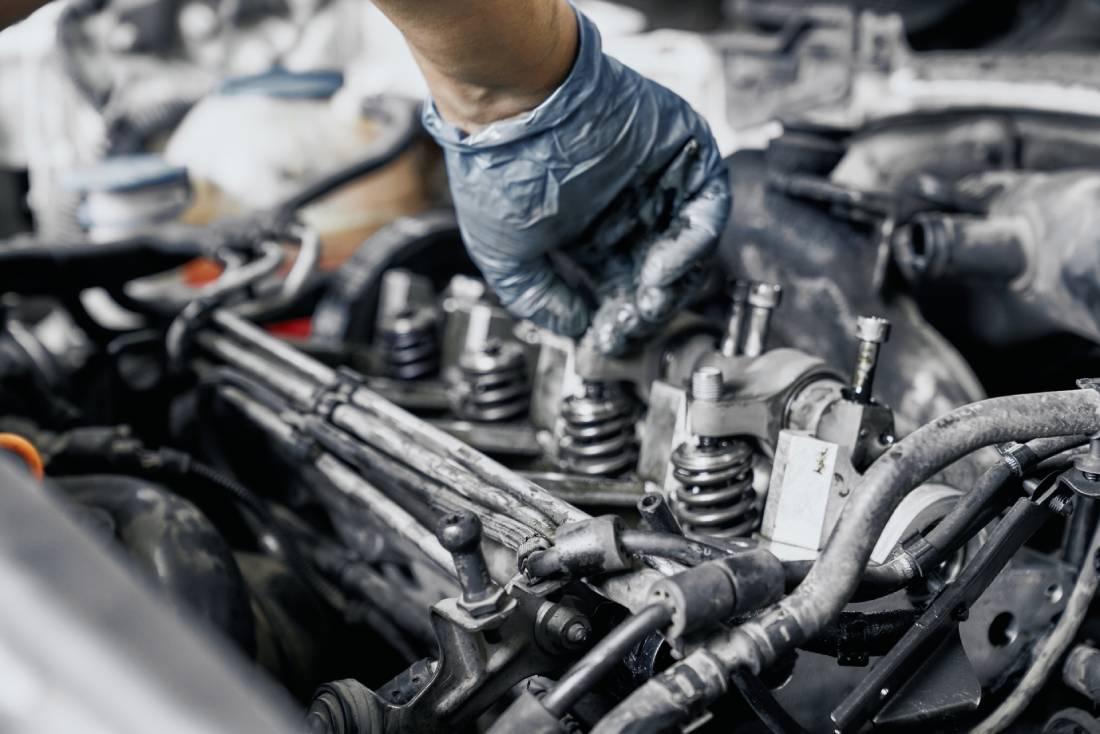
A valve is a high-strength moving component installed in the cylinder head of an internal combustion engine; it has an umbrella- or mushroom-like shape and opens and closes by moving up and down as it receives motion from the camshaft. Because they are constantly exposed to high heat, pressure, and mechanical friction, they are manufactured using specialized technology from steel, nickel, or magnesium alloys. Their primary mechanical functions are to open the connection between the combustion chamber inside the cylinder and the intake and exhaust manifolds precisely in accordance with the engine’s operating timing (stroke), and to seal the chamber tightly against leakage while the piston is compressing. While a healthy internal combustion engine typically has at least two valves per cylinder, most modern vehicles today use four valves per cylinder to improve intake and exhaust performance.
What Do Valves Do?
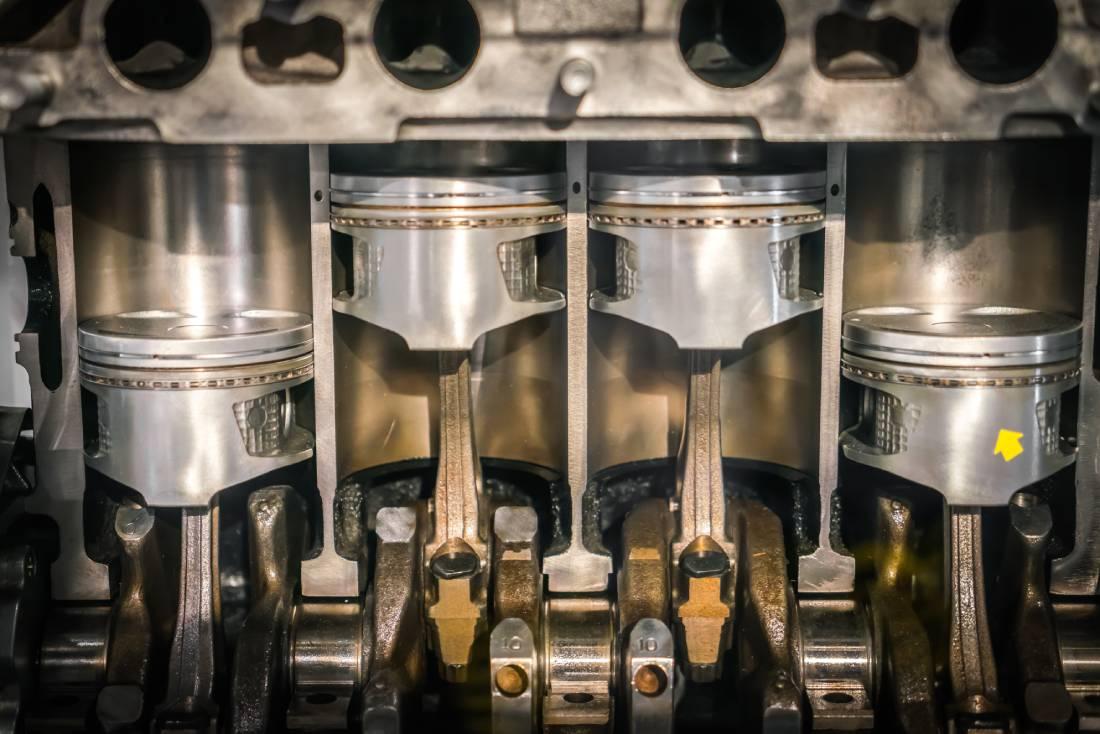
The flawless execution of the combustion cycle—during which the engine generates power—depends entirely on the precise, millimeter-level timing of the valves. As the piston moves downward during the intake stroke, the valves open to draw the necessary mixture of oxygen and fuel into the combustion chamber. They then close tightly during the compression and combustion (ignition) strokes, allowing immense compression pressure to build up inside the cylinder. This high pressure forcefully pushes the piston downward, generating the crankshaft rotation that propels the vehicle forward. Once combustion is complete and the piston begins to move upward again, the other valves open, directing the remaining toxic exhaust gases into the exhaust system and preparing the system for a new combustion cycle.
What Are the Types of Valves?
Valves, which perform different functions, are classified into two basic types based on the operating conditions within the engine and the temperatures they are exposed to.
Intake Valves
These valves are responsible for drawing clean air from outside or the air-fuel mixture into the cylinder. Because they are constantly in contact with cool outside air due to their operating principles, they are not exposed to extremely high temperatures. To allow the maximum amount of air to enter in a single stroke and increase the engine’s volumetric efficiency, they are designed with a larger diameter than exhaust valves.
Exhaust Valves
These valves ensure that the extremely hot exhaust gases—which can reach thousands of degrees Celsius—generated after the combustion process are expelled from the cylinder smoothly. Since they are constantly exposed to flames and high heat during operation, they are manufactured from special steel and nickel alloys that are much more durable than those used for intake valves. Since it is easier to expel pressurized gas, they are structurally manufactured with a smaller diameter than intake valves.
What Causes Valve Failure?
Valves operating under heavy loads and harsh conditions in the engine system typically lose their seal due to damage caused by poor operating habits, worn-out components, or external factors.
Engine Overheating and Overheating
When the engine’s temperature rises far above its normal operating range—due to causes such as a loss of engine coolant, a clogged radiator, or a fan malfunction (overheating)—it causes expansion and deformation in the valves, just as it does in all metal components. Valves that deform due to high heat may bend, fail to seat properly in their seats, or completely lose their sealing properties.
Timing Belt Breakage or Skipping
The timing belt or chain, which regulates the engine’s timing, ensures synchronization between the camshaft and the crankshaft. If this belt breaks or skips a tooth while the engine is running, synchronization is immediately disrupted. Pistons moving upward at high speed violently strike the open valves that fail to close in time. As a result of this destructive collision, the valves bend or break instantly, and the engine seizes.
Use of Low-Quality Fuel and Engine Oil
Non-standard, contaminated, or low-octane fuels cause soot buildup in the combustion chamber and lead to extreme temperature imbalances, resulting in corrosion in the valve seats. Similarly, poor-quality engine oil, oil with the wrong viscosity, or oil that has not been changed for a long time cannot adequately lubricate the camshaft and tappets. Increased friction causes the valve stems and seats to wear out much more quickly.
Effects of Long-Term LPG Use
LPG is structurally drier than gasoline and produces much higher temperatures in the combustion chamber. The original valves in many engines designed for gasoline use at the factory cannot withstand this extreme dry heat over the long term. Over time, the high temperature erodes the valve seats, degrades the metal structure, and causes structural damage known in the industry as “valve melting” or “valve elongation.”
Wear of Valve Seals
Special rubber seals located in the cylinder head and surrounding the valve stems are designed to prevent engine oil from leaking into the combustion chamber. The engine’s constant cycling between heating and cooling causes these seals to harden and crack over the years, causing them to lose their seal integrity. Oil leaks into the combustion chamber from these failed seals, forming thick layers of carbon deposits on the valve surfaces and restricting the movement of the parts.
How to Recognize a Valve Malfunction?
When the valves’ operation is disrupted or their seal integrity is lost, noticeable abnormalities in the vehicle’s engine performance begin to emerge that the driver can easily detect.
Loss of Traction and Power in the Engine
If the valves do not close completely in their seats, gas escapes during the explosion in the combustion chamber (compression leak). Because sufficient pressure cannot be built up, the engine cannot transfer the power it needs to produce to the pistons. When the driver steps on the gas, they clearly notice that the vehicle does not accelerate as it used to, and it struggles significantly—especially on hills or when the air conditioning is on—to the point of stalling.
Idling Shudder and Irregular Operation
Compression loss not only reduces power but also disrupts the balance between the cylinders. Due to a leaking valve, the engine cannot run stably at idle. A constant fluctuation is observed on the tachometer, and while the vehicle is stationary, annoying, irregular vibrations occur inside the cabin.
Significant Increase in Fuel Consumption
Since the vehicle cannot produce the desired power, the driver inevitably has to press the accelerator pedal harder to reach the speed and acceleration they are accustomed to. Because the combustion process in the cylinders has also become inefficient, a large portion of the fuel consumed is expelled without being converted into mechanical energy. This vicious cycle results in a significant increase in the fuel consumption readings on the trip computer.
Popping Sounds from the Exhaust and the Smell of Raw Gas
If the intake or exhaust valves do not close completely, fresh air-fuel mixture that has not yet fully burned escapes directly into the exhaust pipe or intake manifold during spark plug ignition. This escaping raw gas suddenly ignites and explodes in the hot exhaust system. “Pop-pop” sounds coming from the rear of the vehicle and a strong smell of raw gasoline or gas are among the most obvious signs of this problem.
Rattling and Knocking Sounds Coming from the Engine
Valve lifters that wear out over time and improper valve clearances (misaligned valves) produce a metal-on-metal clanging sound while the engine is running. If you hear a high-pitched, continuous “click-click” or “tap-tap” sound—similar to a sewing machine—coming from the cylinder head when you open the hood or while the vehicle is idling, there is wear or misalignment in the valve mechanism.
Slow Engine Start in the Morning
In cases of valve stem elongation caused by LPG use, compression drops to nearly zero when the engine is cold. When the driver turns the ignition in the morning, the starter motor spins idly for a long time, but the engine cannot ignite and start on its own. Once the vehicle starts and the metal parts heat up and expand, the clearance closes, and the vehicle behaves as if it were back to normal throughout the day.
The Check Engine Light Comes On
Valve-related compression leaks and raw gas blow-by directly compromise the engine’s emission values. The vehicle’s oxygen (lambda) sensors and knock sensors detect this abnormality in the exhaust gas and send a signal to the Engine Control Unit (ECU). As a result, the check engine light on the instrument panel illuminates, alerting the driver that technical intervention is required.
What Is Valve Adjustment and Why Is It Performed?
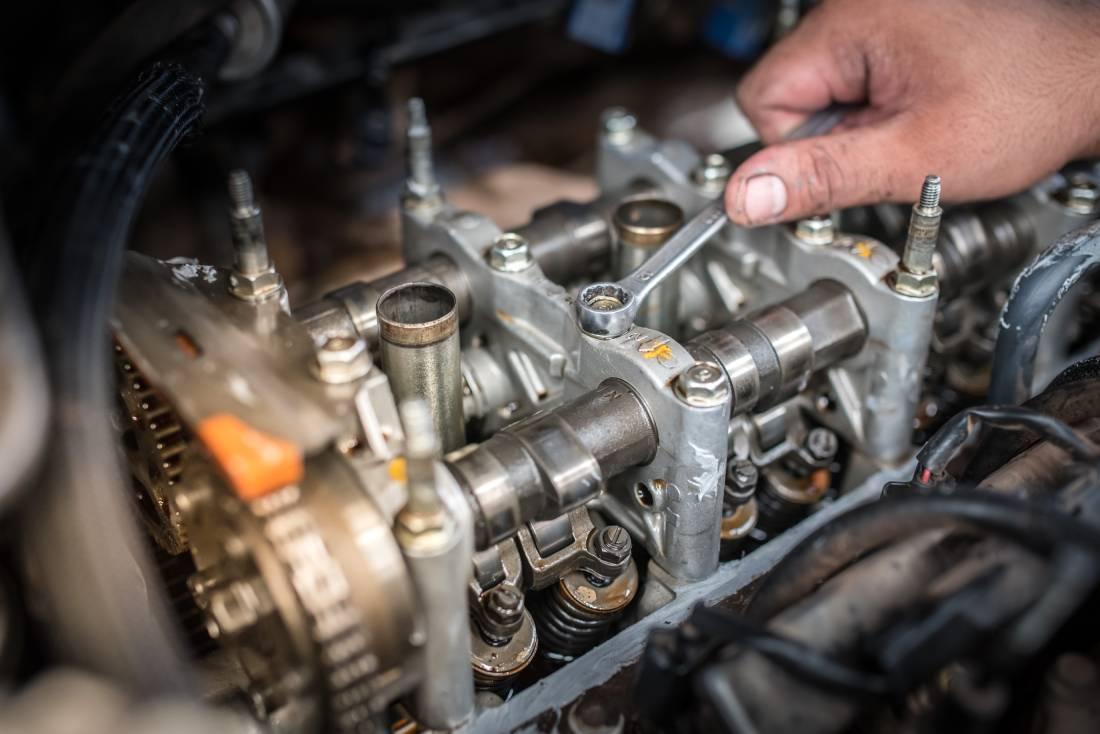
Valve adjustment is the process of restoring the required clearance between the camshaft and the valve lifters (piano keys) to factory specifications using millimeter-sized feeler gauges. This small clearance, which is left to account for the expansion of metals as the engine runs and heats up, is vital to ensure that the valves can close completely at any temperature.
Why Does Valve Adjustment Go Out of Alignment?
Natural wear occurs in mechanical parts that operate hundreds of thousands of times due to friction within the engine. Over time, micron-level wear on the camshaft, pushrods, or valve tips causes this clearance to narrow or widen excessively. Especially in mechanically adjusted engines that do not use hydraulic lifters, failure to check this adjustment at regular intervals completely compromises the system’s tolerances.
What Happens If Valve Adjustment Is Not Performed?
If the proper adjustment is not made, and if the clearance is set too wide, the parts will strike each other hard, producing a loud noise and scoring the camshaft. If the clearance is set too tight, the valves will not close completely when the heated metals expand. A valve that fails to close allows pressure to escape from the cylinder, reducing the vehicle’s power and causing the valve to burn out in a very short time as it remains directly in the path of the flame.
Valve Repair and Replacement Process
Replacing damaged valves involves a detailed cylinder head overhaul that requires high-quality workmanship and expertise, including the removal of half the engine.
How Is a Valve Replacement Performed?
The process begins with the complete removal of the cylinder head. The removed head is sent to a specialized machining shop. The machinist removes the deformed old valves, cleans and smooths the valve seats using specialized lathes. The new valves are seated in their seats with valve seat compound, and leak tests are performed. Once the process is complete, the cover is remounted onto the engine block with new gaskets, new seals, and the appropriate torque settings.
What Is the Benefit of Installing Steel Valves?
This method provides a definitive solution to the melting and warping issues experienced particularly in LPG-powered vehicles. The original magnesium or standard alloy valves are removed and replaced with steel alloy valves that are much more heat-resistant. Steel is unaffected by the high, dry heat generated by LPG; thus, the vehicle can be used safely for years with performance very close to that of a gasoline-powered vehicle, without experiencing compression loss.
Valve Repair and Replacement Costs
The cost of this overhaul varies depending on the vehicle’s make and model, the structure of the cylinder head, and the extent of the damage. Since the cost includes not only the valve set but also the cylinder head gasket, timing belt set, engine oil, antifreeze, and extensive mechanical disassembly and reassembly labor along with machining fees, it ranks among the more expensive engine repairs.
Frequently Asked Questions About Valves
As the backbone of engine health, this mechanism raises many questions in vehicle owners’ minds regarding cost, safety, and repair processes.
Can a Vehicle with a Faulty Valve Be Driven?
Driving a vehicle with a leaking or bent valve is a huge gamble. The physical stress on the faulty part increases with every passing second; the moment even the slightest fracture occurs, the broken valve piece falls directly into the cylinder. When the piston strikes this metal fragment at high speed, it shatters not only the cylinder head but the entire engine block, resulting in the vehicle requiring a completely new engine.
Does Valve Knock Damage the Engine?
A constant knocking and rattling sound coming from the engine is a sign that the clearances are too wide. If this noise is ignored and the vehicle is driven this way for a long time, the pushrods will be crushed, and the camshaft grooves will wear down and lose their shape. A system that could have been salvaged with a simple clearance adjustment will, over time, turn into a costly repair requiring the complete replacement of the camshaft and rocker arms.
How to Prevent Valve Melting in LPG-Powered Vehicles?
The best way to slow down the melting process is to avoid constantly pushing the engine to the redline (high RPMs). Using a high-quality LPG kit properly calibrated for the vehicle (AFR adjustment), switching the vehicle to gasoline occasionally during long drives to allow the valves to cool with gasoline, and not delaying engine oil changes all have a protective effect. The definitive solution, however, is to replace the valves with steel ones.
How Can Valve Warping (Bending) Be Detected?
This usually occurs within seconds after the timing belt breaks or skips a tooth. When bending occurs, when you press the starter to restart the vehicle, the engine does not strain as before; instead, because it is not compressing at all, it makes a sound like a drill spinning very fast and idling. The vehicle will definitely not start, and a tow truck must be called.
What Is the Lifespan of Steel Valves?
A high-quality set of steel valves, installed with expert machining, offers durability equivalent to the engine’s overall mechanical lifespan, provided the vehicle’s periodic fluid and filter maintenance is performed regularly. Under normal conditions and provided they are not left without oil, they will continue to function properly for 200,000 to 300,000 kilometers without causing any melting or stretching issues.
How Can You Tell If a Valve Seal Is Failing?
The most obvious sign that valve seals have hardened is the presence of distinct blue smoke coming from the exhaust when you accelerate after idling for a few minutes or when coasting downhill. This is caused by oil leaking from the hardened seals and entering the combustion chamber, where it ignites suddenly when mixed with fuel. This is often accompanied by a persistent, unexplained oil consumption issue in the vehicle.
To summarize, valves are extremely critical mechanisms that manage the intake and exhaust cycles of internal combustion engines and control all pressure within the combustion chamber. Power loss, fluctuating RPM, increased fuel consumption, or rattling noises observed in the vehicle are serious warning signs indicating that these valves have lost their seal or proper adjustment. When symptoms of a malfunction appear, consulting a specialist service without delay and not neglecting regular engine maintenance not only ensures driving comfort but is also the most important step in protecting your engine from much more extensive, difficult-to-reverse, and costly overhauls.