





- What Is a Manifold?
- What Does a Manifold Do?
- What Are the Types of Manifolds?
- What Is an Intake Manifold and What Are Its Functions?
- What Is an Exhaust Manifold and What Are Its Functions?
- How to Identify an Intake Manifold Malfunction?
- How to Identify an Exhaust Manifold Malfunction?
- What Causes a Manifold Crack or Leak?
- How to Repair and Replace a Manifold?
- Frequently Asked Questions
The manifold is a critical engine component in internal combustion engines that evenly distributes the air-fuel mixture to the cylinders and safely expels the exhaust gases produced by combustion from the engine. Since vehicle performance, torque output, and fuel efficiency are directly dependent on this component, when it malfunctions, noticeable signs that compromise driving comfort—such as a loss of power, increased fuel consumption, idle instability, or unpleasant odors seeping into the cabin—begin to appear. To maintain the engine’s healthy operation, prevent unwanted performance losses, and avoid more serious mechanical issues, it is vital to detect these signs of failure early and take action.
What Is a Manifold?
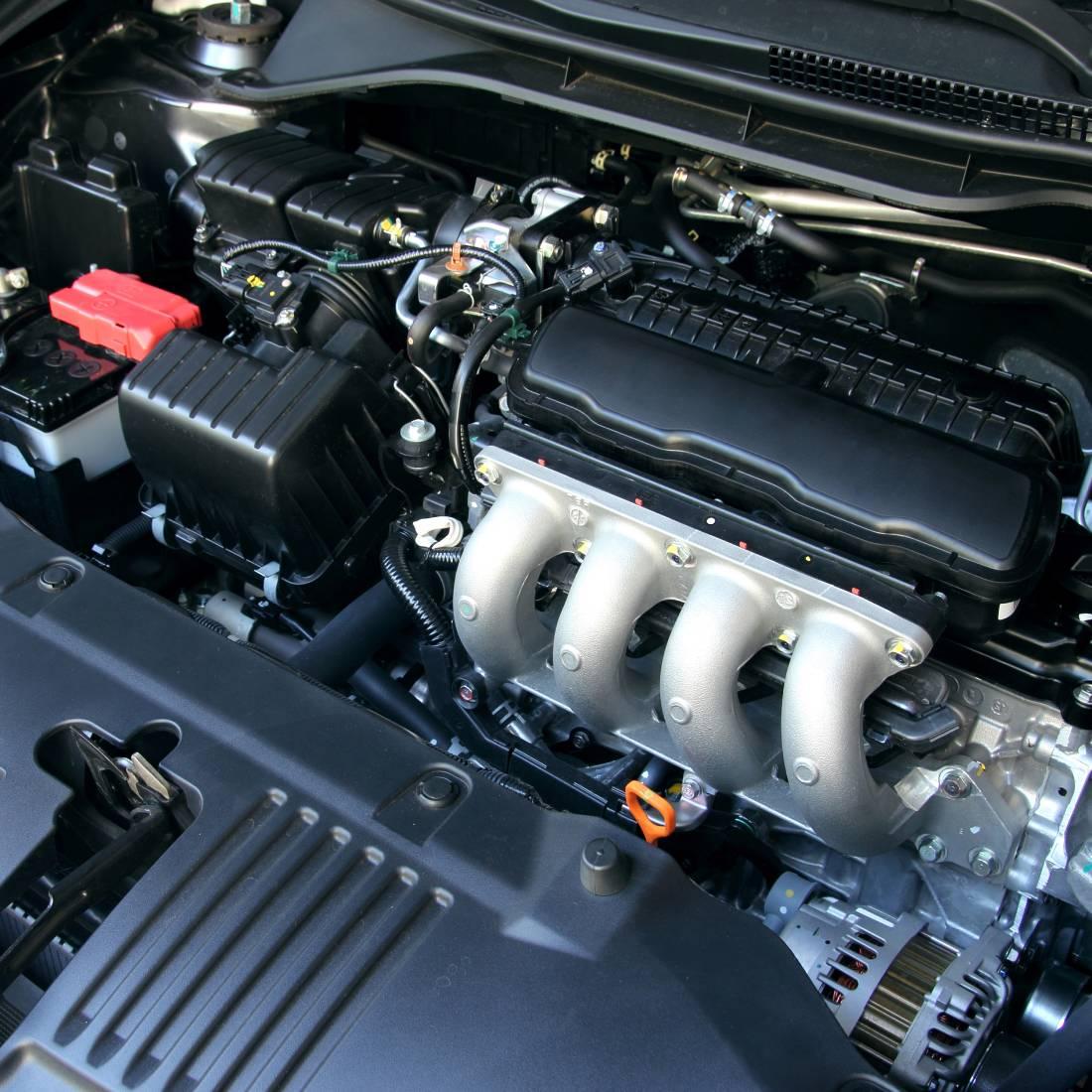
A manifold is a specially designed pipe system in automobile engines that directs fluids—that is, substances in gaseous or liquid form—from a single source to multiple channels or from multiple channels to a single outlet. Mounted primarily on the engine block, this component acts as a bridge in the process of drawing in the fresh air needed by the cylinders and expelling the exhaust gases generated inside. The manifold, which can be likened to a respiratory system that allows the engine to “breathe,” is manufactured from materials resistant to pressure, vibration, and high temperatures, depending on its intended use.
In modern vehicles, manifold bodies are typically made of heat-resistant cast iron, stainless steel, aluminum, or lightweight composite plastics. The system’s design, including pipe lengths and diameters, is determined through engineering calculations based on the engine’s displacement and number of cylinders. This flawless design enables the vehicle to operate at maximum efficiency across every RPM range while also ensuring that emissions remain within regulatory standards.
What Does a Manifold Do?
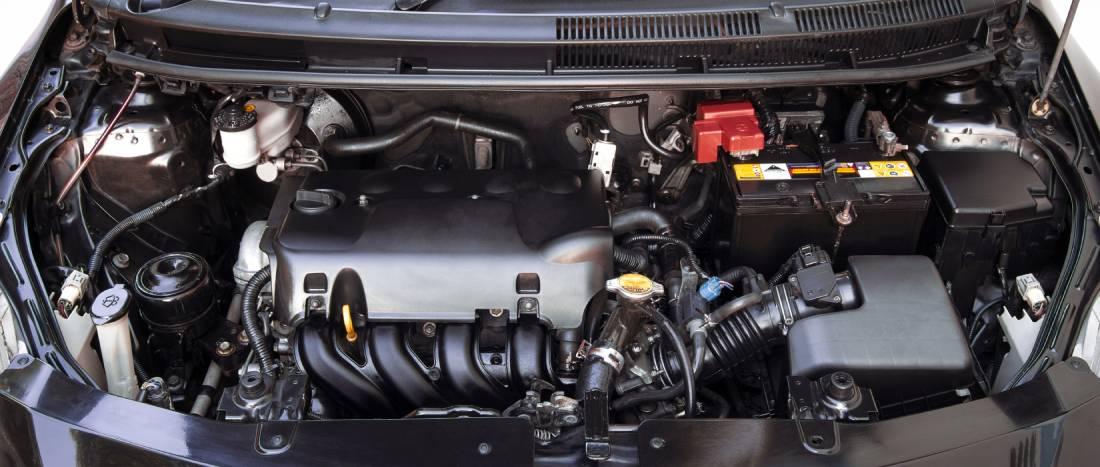
The primary function of the manifold is to ensure that the combustion reaction occurring in the engine’s combustion chambers proceeds in a continuous, balanced, and efficient cycle. It creates a homogeneous combustion environment by delivering clean air drawn from the outside—or a pre-mixed air-fuel mixture—to each cylinder in equal proportions. Since engine performance is directly dependent on the quality of oxygen entering the combustion chamber, the smooth direction of airflow is of great importance.
After the combustion process is complete, it quickly collects the harmful exhaust gases—which are at high temperatures and pressures—and directs them toward the exhaust system. Thanks to this two-way flow process, the engine can operate without being smothered by its own exhaust gases, enabling it to respond instantly when the accelerator is pressed and produce ideal torque. By optimizing flow during both the intake and exhaust processes, it lays the groundwork for the engine to operate smoothly.
What Are the Types of Manifolds?
In the automotive industry, two different types of manifolds are used, depending on the engine’s operating principle and its intended function. These two types are positioned on opposite sides of the engine block and manage complementary processes.
Intake Manifold
The intake manifold is the critical component through which clean air from the atmosphere—via the air filter—or the air-fuel mixture prepared in fuel-injected systems enters the engine cylinders. The air drawn in by the vacuum created by the cylinders during the intake stroke is distributed in equal amounts to each combustion chamber thanks to this component’s curved and aerodynamic channels. In new-generation fuel-injected vehicles, it is typically manufactured from composite plastics with a smooth inner surface, providing both weight savings and a cooler airflow, thereby increasing the engine’s volumetric efficiency.
Exhaust Manifold
The exhaust manifold is a durable metal component that collects the hot, high-pressure, and toxic gases produced after the combustion process in the cylinders and channels them into the vehicle’s overall exhaust system. Directly connected to the engine block, this component is typically made of thick cast iron or stainless steel pipes because it is constantly exposed to extreme heat of hundreds of degrees. Its primary function is to combine the different exhaust streams from all cylinders into a single point, thereby preventing backpressure and relieving stress on the engine.
What Is an Intake Manifold and What Are Its Functions?
The intake manifold is the starting point of the vehicle’s “respiratory system,” responsible for delivering the oxygen the engine needs to the combustion chambers in a planned and controlled manner. In systems where fuel injectors spray fuel into the airflow, it serves as the final stop for the air before it reaches the cylinders and plays a decisive role in driving dynamics. The primary functions of this important engine component are as follows:
- It supports smooth, balanced, and efficient combustion by distributing the air-fuel mixture evenly to the cylinders.
- It perfectly meets the engine’s instantaneous oxygen demand during changes in RPM by adjusting the speed and direction of the air passing through the throttle valve.
- It utilizes the vacuum energy generated by the engine’s operation to provide the suction power required for the vehicle’s auxiliary systems, such as the brake booster, to engage.
Thanks to its advanced aerodynamic design, the intake manifold performs these functions flawlessly, maintaining the engine’s power output at the maximum level under all conditions and directly enhancing the driving experience.
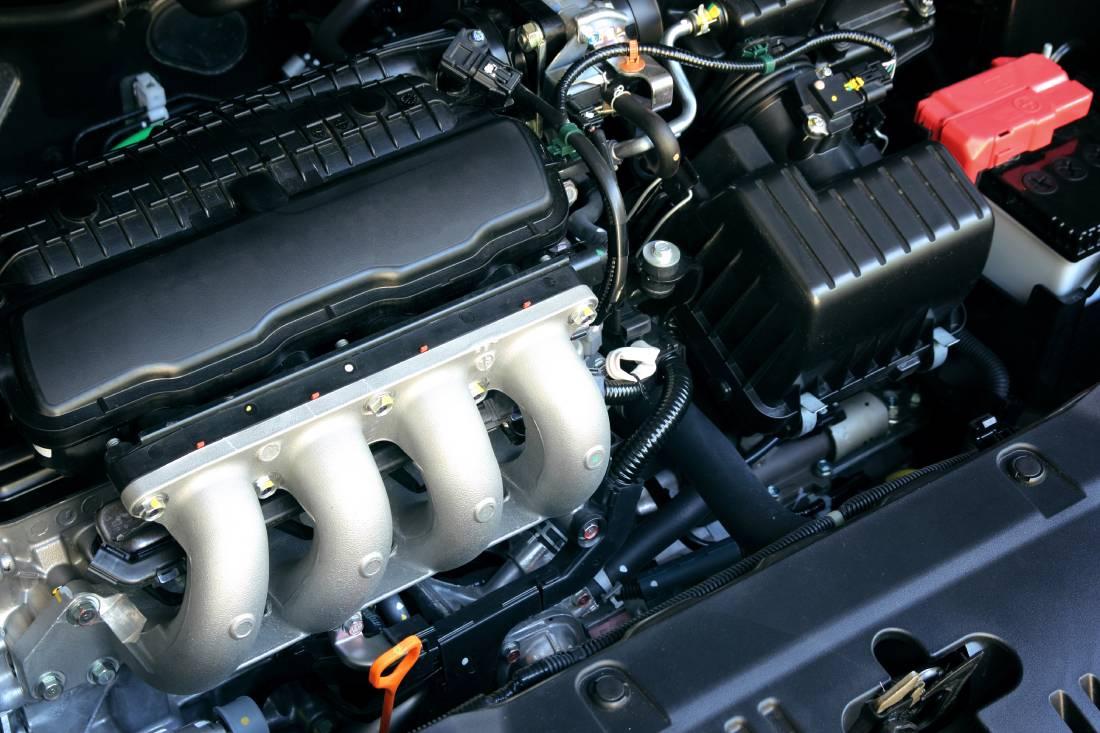
What Is an Exhaust Manifold and What Are Its Functions?
The exhaust manifold is the collection unit through which exhaust gases—pushed out by the piston’s upward movement after combustion occurs inside the cylinder—first exit the engine. By design, it features a structure where pipes connected separately to each cylinder converge into a single main line. Mounted directly to the engine block, the primary functions of this durable component can be listed as follows:
- It rapidly removes the toxic and hot gases produced by combustion from the cylinders, leaving the combustion chamber clean and ready for a new cycle.
- With an internal structure that prevents the gases from colliding and creating turbulence, it balances exhaust backpressure at the optimal level according to the vehicle’s requirements.
- By housing the oxygen sensors mounted on it, it analyzes the gas composition and transmits vital data to the engine control unit for real-time adjustment of the fuel mixture.
Operating under constant high thermal stress, this component ensures that harmful gases are safely directed to the catalytic converter, preventing overheating of the engine area and helping to reduce environmental emissions.
How to Identify an Intake Manifold Malfunction?
Structural cracks, breaks, or leaks at the gasket surfaces in the intake manifold directly disrupt the engine’s air-fuel balance, producing various symptoms that affect the vehicle’s overall driving dynamics. Correctly observing these symptoms makes it much easier to detect the problem before it escalates.
Loss of Engine Power and Poor Performance
Uncontrolled entry of excess air into the intake manifold system (vacuum leak) causes the air-fuel mixture calculated by the engine control unit to become lean, preventing the engine from achieving the desired combustion power. In particular, the vehicle’s delayed response when accelerating, difficulty climbing hills, or stuttering during sudden acceleration indicate intake manifold issues. An unbalanced amount of air entering the combustion chamber directly reduces the vehicle’s torque output.
Abnormal Increase in Fuel Consumption
When the engine control unit (ECU) detects excess air leaking from the intake manifold via the oxygen sensors, it commands the injection of more fuel into the cylinders to restore the mixture to its ideal balance. This compensatory effort causes the vehicle to consume significantly more fuel than normal. A fuel gauge that drops faster than usual, even though driving habits and road conditions remain unchanged, is one of the most obvious signs of a hidden intake manifold leak.
Idle Fluctuations and Vibration
In a healthy, leak-free engine, the idle speed should be steady, smooth, and vibration-free; however, in the case of a manifold leak, the irregular airflow seeping into the system from outside immediately disrupts the idle balance. While the vehicle is parked or waiting at a traffic light, the tachometer needle constantly fluctuates up and down, and the engine runs more roughly and unevenly than normal. In cases of severe vacuum leaks, the vehicle may be unable to maintain idle and tend to stall.
The Check Engine Light Comes On
The advanced sensor systems in modern vehicles detect air leaks and pressure fluctuations in the intake manifold within milliseconds and alert the driver via the instrument panel. The engine malfunction light on the instrument panel illuminates due to lean-burn errors caused by a vacuum leak or inconsistent data read by the MAP (Manifold Absolute Pressure) sensor. When error codes are read using computerized diagnostic tools connected to the vehicle, it becomes clear that the problem originates from the intake manifold.
How to Identify an Exhaust Manifold Malfunction?
Since the exhaust manifold is exposed to extreme temperature fluctuations and pressure surges while the engine is running, it can become fatigued over time and sustain damage, eventually manifesting physical and audible signs.
Unpleasant Exhaust Odor Inside the Vehicle
If a crack has formed in the manifold body or there is a leak in the gasket at the connection point, toxic exhaust gases spread directly under the hood before reaching the exhaust pipe. These raw gases accumulating under the hood are drawn into the vehicle’s cabin through the ventilation (air conditioning/heater) system, causing a strong exhaust odor. This situation not only compromises comfort but is also extremely dangerous to health due to the risk of carbon monoxide inhalation.
Loud Noises and Hissing Sounds from the Engine
Under normal conditions, the sound of the exhaust gases is dampened by the vehicle’s muffler system; however, if there is a leak in the exhaust manifold area, the gases are released directly into the atmosphere at high pressure. When the engine is started—especially during the initial start-up or when accelerating—a distinct rattling, clattering, or rhythmic hissing sound can be heard from the engine compartment. As the engine block heats up, the sound may sometimes subside due to the expansion of the metal, but the mechanical issue persists.
Smoke Coming from Under the Hood
Extremely hot gases escaping from a cracked or burnt-out exhaust manifold can come into contact with plastic components, wires, or oil residue accumulated on the engine block. This high-temperature contact causes vaporization or minor combustion, resulting in gray, black, or white smoke rising from under the hood. Seeing smoke seeping from the edges of the hood, especially while the vehicle is stationary, is a sign of dangerous overheating and a leak in the manifold area.
Decreased Fuel Efficiency
A leak in the exhaust manifold causes the oxygen sensors—which regulate the engine’s air-fuel ratio—to incorrectly measure the amount of oxygen in the exhaust gas. The sensor detects the clean air entering through the crack in the manifold, mistakenly assumes the mixture is lean, and sends an erroneous signal to the engine control unit to inject more fuel. As a result, the engine runs on an excessively rich mixture, and the vehicle’s fuel cost per kilometer increases significantly.
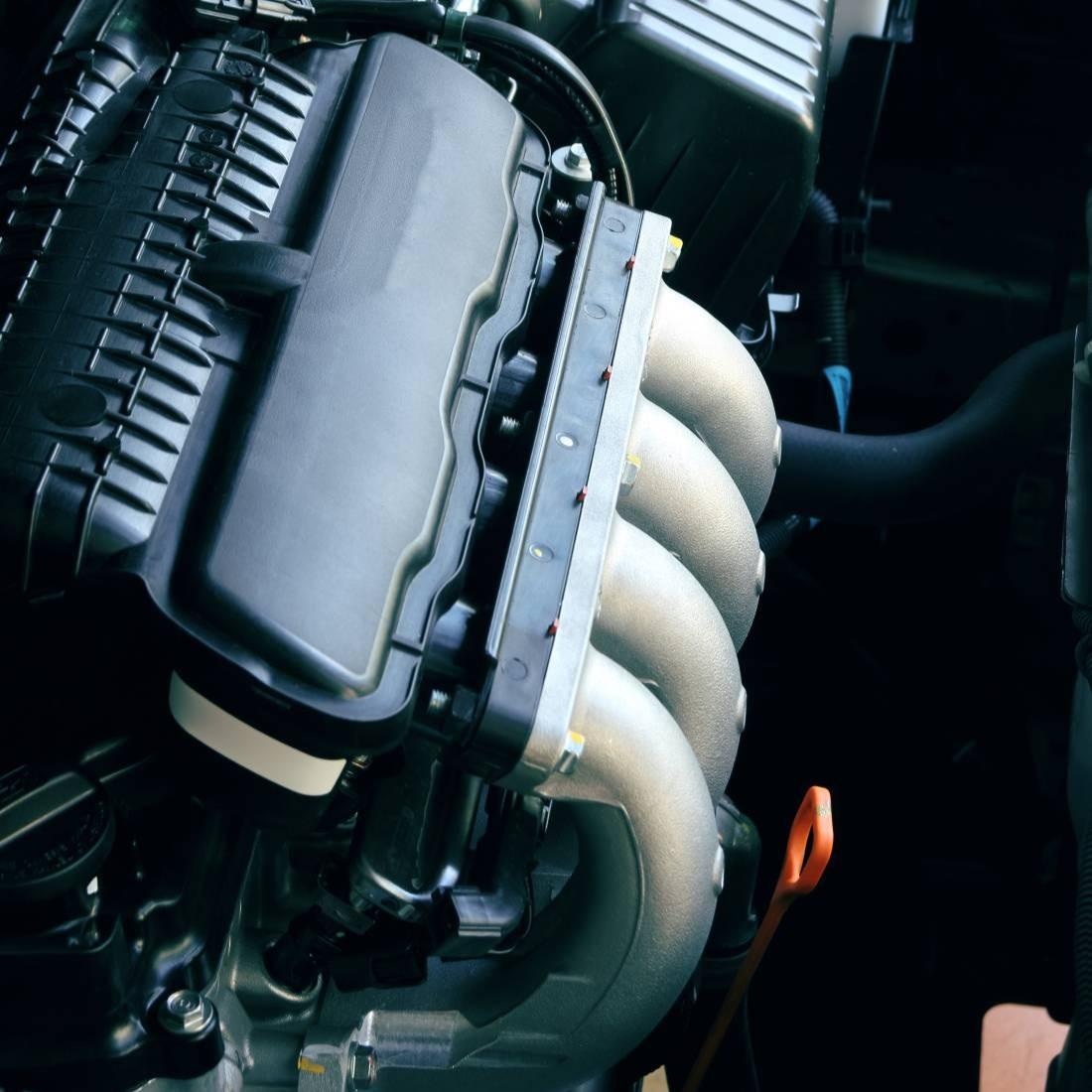
What Causes a Manifold Crack or Leak?
Although manifold components are manufactured from extremely durable materials, the harsh operating conditions under the hood and various environmental factors can compromise the part’s structural integrity over time, paving the way for malfunctions.
Engine Overheating
Engine overheating caused by a malfunction in the cooling system, a water pump failure, or a thermostat issue results in temperatures that exceed what the materials making up the manifold can tolerate. Aluminum and cast iron, in particular, experience thermal shock when they cool rapidly after overheating, causing microcracks to form in their bodies. In plastic-based intake manifolds, engine overheating directly causes the material to melt, warp, and lose its shape.
Metal Fatigue and Wear
The exhaust manifold heats up to hundreds of degrees during every drive, causing it to expand, and then cools back to ambient temperature when the engine is turned off, causing it to contract. This continuous cycle of expansion and contraction over the years weakens the material’s molecular structure, inevitably leading to metal fatigue. In vehicles that have exceeded a certain mileage or age threshold, spontaneous cracks may appear in the manifold body simply as a result of time, high-RPM use, and natural physical wear and tear.
Damage to Manifold Gaskets
The gaskets that ensure the manifold fits perfectly against the engine block and maintain gas/air tightness lose their function over time due to exposure to temperature fluctuations, causing them to dry out, harden, or burn. Even if the manifold itself has no physical damage or cracks, a worn gasket is sufficient on its own to cause a vacuum or exhaust leak. Additionally, excessive engine vibrations and engine oil or coolant dripping onto the gaskets are factors that accelerate this wear process.
How to Repair and Replace a Manifold?
Resolving manifold issues requires different repair strategies depending on the root cause of the problem, the material the part is made of, and the extent of the damage. If the problem is limited to the gaskets that ensure a seal, the process is relatively straightforward: the manifold is carefully removed by a qualified technician, old gasket residue is thoroughly cleaned from the surfaces, and new, high-quality gaskets are installed, with the bolts tightened to the torque values specified by the manufacturer. However, if the problem is a crack in the manifold body itself, the repair becomes more complex. Cast iron exhaust manifolds can, in some cases, be repaired using special high-temperature-resistant casting welding methods. Nevertheless, due to thermal stress, the welding process does not always provide a permanent solution, and the risk of cracking reoccurring near the same location is quite high.
For cracks in plastic intake manifolds or metal manifolds that are too corroded or deformed to be repaired, the only and safest method is to replace the defective part with a new one. Since fuel lines, sensitive sensor connections, the throttle body, and coolant hoses must be disconnected during the replacement process, this procedure must be performed at a fully equipped service center. Using original equipment manufacturer (OEM) or high-quality equivalent parts during the installation of the new component is critical for the engine’s long-term performance and driving safety.
Frequently Asked Questions
Below you’ll find the questions vehicle owners most commonly ask about manifold systems—the vehicle’s “breathing mechanism”—and the potential issues that can arise with these systems, along with detailed answers.
What Happens If a Manifold Cracks?
If a manifold cracks, the engine’s balanced air-fuel ratio is disrupted, the vehicle’s power output noticeably decreases, and fuel consumption increases. If the intake manifold cracks, the vehicle tends to stall at idle due to excess air entering the system, and the check engine light comes on; if the exhaust manifold cracks, high-pressure toxic gases leak into the vehicle, and the engine emits annoying rattling noises. In both cases, failure to repair the issue for an extended period can lead to overheating and damage to other engine components.
Is Intake Manifold Cleaning Necessary?
Yes, especially in vehicles equipped with an EGR (Exhaust Gas Recirculation) system and in direct-injection engines, dense carbon deposits and soot buildup form inside the intake manifold over time. Since these sticky deposits narrow the inner diameter of the air passages and make it difficult for the engine to breathe properly, cleaning the manifold at specific mileage intervals using special solutions and brushes helps restore lost engine performance.
How Long Does It Take to Replace an Exhaust Manifold?
The time required to replace an exhaust manifold varies significantly depending on the vehicle’s make, model, and the accessibility of the engine bay. In an engine bay with easy access, this procedure takes an average of 2 to 3 hours; however, in more compact engines—or when removing manifold bolts that have seized or rusted due to age—the procedure can take up to 4 to 6 hours, depending on the level of difficulty.
How Does the Vehicle React If the Manifold Gasket Burns Out?
When the manifold gasket burns out or loses its shape, the seal is compromised, causing an immediate vacuum or exhaust gas leak from the affected area. The driver will notice a strong smell of raw exhaust gas, hear sounds resembling exhaust backfires coming from under the hood, experience a drop in performance, and observe instability in the tachometer reading. Additionally, the high-temperature gases leaking from the leak point can cause nearby wires and plastic parts to heat up and melt.
Can You Drive a Car with a Faulty Manifold?
Although you can make emergency trips over short distances—just far enough to reach the nearest service center—with a faulty or cracked manifold, continuing to use the vehicle for daily driving in this condition is strongly discouraged. A leak in the manifold can cause the internal temperature of the engine block to rise to dangerous levels, leading to valve burnout; more importantly, toxic exhaust gases seeping into the vehicle cabin can cause the driver and passengers to be poisoned without their knowledge, posing a life-threatening risk.
In conclusion, the intake and exhaust manifolds form an indispensable system that ensures the engine functions properly, contributing to performance, fuel economy, and emission control. Detecting wear and leaks in these components or their gaskets in a timely manner and having them professionally repaired can save drivers from much more costly mechanical breakdowns. If you notice unusual noises, odors, or a loss of performance in your vehicle that may indicate a manifold malfunction, contact an authorized service center without delay to extend the life of your engine and continue enjoying a safe and efficient driving experience.