





- What Is All-Wheel Drive?
- Why is Permanent Four-Wheel Drive Important?
- How is Permanent Four-Wheel Drive Achieved and How Does It Work?
- What Are the Advantages of Permanent Four-Wheel Drive?
- Disadvantages of Permanent Four-Wheel Drive and Associated Risks
- When Should All-Wheel Drive Be Preferred?
- Frequently Asked Questions About Permanent Four-Wheel Drive
As the automotive world evolves, the ways in which vehicles transfer power to the road have also evolved. Among modern driving technologies, one of the most intriguing systems that combines safety and performance is the All-Wheel Drive (AWD) system. In this guide, we will examine every detail of the all-wheel drive system, from what it is and how it works to its advantages and maintenance tips.
What Is All-Wheel Drive?
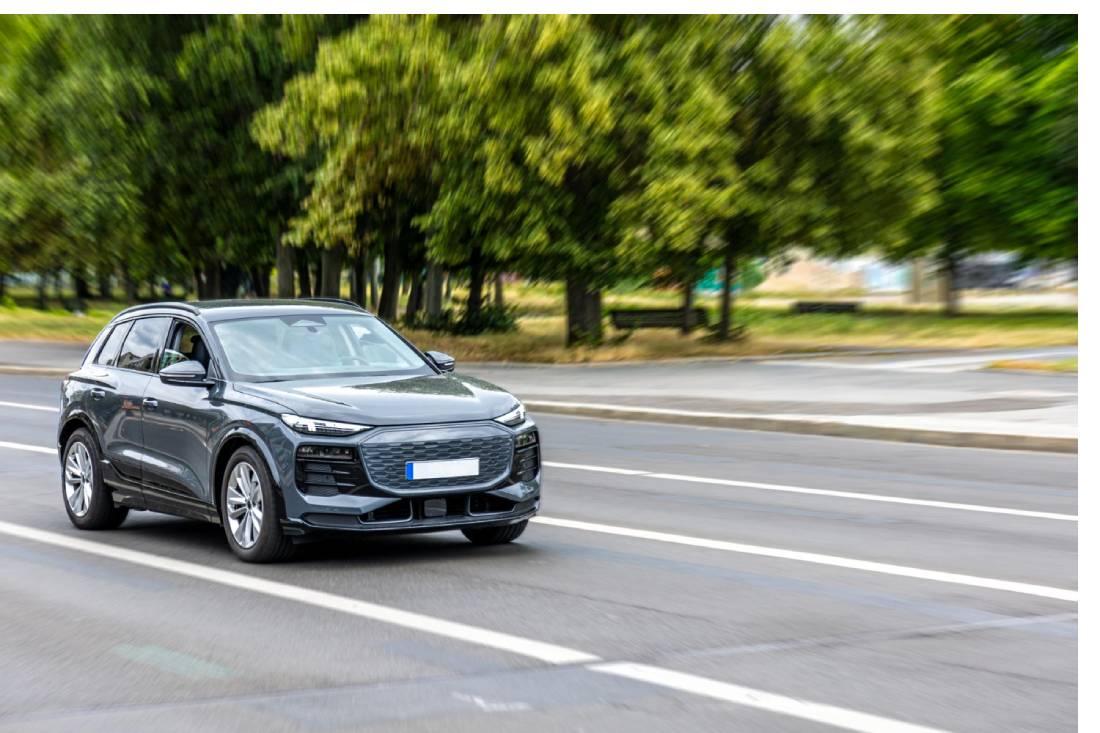
All-wheel drive (AWD) is a power transmission system in which the power (torque) produced by the engine is transmitted to both the front and rear axles simultaneously. The term “all-wheel drive” indicates that this system is always active without requiring driver intervention. While in traditional two-wheel drive (2WD) vehicles power is transmitted only to the front or rear wheels, in AWD systems all four wheels contribute to traction.
This system uses a complex mechanical and electronic network to optimize the vehicle's traction. Its primary purpose is to maintain the vehicle's balance and forward motion by redirecting power to the wheels with better traction when one or more wheels lose traction.
Why is Permanent Four-Wheel Drive Important?
The importance of a permanent four-wheel drive system stems from the predictability and safety it offers in changing road conditions. Today's vehicles are designed not only for driving on flat roads but also for coping with sudden weather changes and challenging terrain conditions.
- Traction: Prevents wheels from spinning when starting on wet, icy, or muddy roads.
- Cornering Control: Distributing torque to all four wheels when cornering reduces the vehicle's tendency to understeer or oversteer.
- Power Balance: Transmitting the power of modern, high-torque engines to only two wheels can cause rapid tire wear and loss of control. AWD distributes this power, providing more balanced acceleration.
How is Permanent Four-Wheel Drive Achieved and How Does It Work?
The permanent four-wheel drive system operates via a central transfer case that takes power from the engine and distributes it to both axles. At the heart of this system lies a central differential or electronically controlled clutches.
Working Mechanism
- Power Generation: The engine generates power, which is transmitted to the transmission.
- Transfer Case/Center Differential: The power from the transmission reaches a central point. Here, the torque is divided between the front and rear shafts.
- Torque Distribution: Modern AWD systems typically start with a fixed distribution such as 40:60 or 50:50. However, based on data from the wheel speed sensors, the power going to the slipping axle can be reduced and increased to the other.
- Electronic Control Unit (ECU): Reading data hundreds of times per second, the ECU analyzes how much traction each wheel has and directs power using hydraulic or electromagnetic clutches.
What Are the Advantages of Permanent Four-Wheel Drive?
There are many advantages to driving a vehicle with an AWD system:
- Acceleration Performance: When pulling away from a standstill, all four wheels gripping the ground simultaneously provides a tremendous acceleration advantage, especially on slippery surfaces.
- Road Holding Safety: It helps the vehicle maintain its line when driving through puddles in rainy weather (aquaplaning) or on roads with hidden ice.
- Towing Capacity: When towing loads such as caravans or boats, having all four wheels involved in traction allows the engine to use its power more efficiently.
- High Resale Value: AWD vehicles are in higher demand, especially in regions with harsh winters, and retain their value better.

Disadvantages of Permanent Four-Wheel Drive and Associated Risks
Like any technology, AWD systems have certain costs and challenges:
- Fuel Consumption: Due to more moving parts and increased friction, AWD vehicles typically consume 5-10% more fuel than their front-wheel drive counterparts.
- Weight: Differentials, shafts, and transfer cases add weight to the vehicle. This can indirectly affect performance and braking distance.
- Cost: AWD systems are more expensive both at the time of purchase and during parts replacement.
- Tire Sensitivity: In AWD systems, the wear rate and diameter of all four tires must be very similar. If one tire bursts, it may sometimes be necessary to replace all four tires (for differential health).
When Should All-Wheel Drive Be Preferred?
Although the AWD system is always engaged, it really makes a difference in the following situations:
- Light Off-Road Conditions: AWD delivers excellent results on stabilized roads, gravel surfaces, and lightly muddy areas. (4WD is recommended for heavy rock climbing).
- Wet and Slippery Asphalt: Provides significant ease when turning at intersections or starting on inclines during rainy days in urban driving.
- Snowy Roads: It is the safest option on roads where snowplows have passed but the surface is still slippery.
- High-Performance Driving: It is used in sports cars to prevent the rear of the vehicle from sliding when accelerating out of corners.
Frequently Asked Questions About Permanent Four-Wheel Drive
In this section, we answer the most frequently asked technical and practical questions users have about permanent four-wheel drive systems.
Does Permanent Four-Wheel Drive Increase Fuel Consumption?
Yes, permanent four-wheel drive systems increase fuel consumption. There are two main reasons for this: Weight and Mechanical Loss. Extra differentials and transmission components increase the vehicle's total weight, while the engine must expend more energy to continuously turn these parts. However, modern “smart” AWD systems attempt to minimize this loss by sending most of the power to the main axle when it is not needed.
How Should Tires Be Selected for Vehicles with Permanent Four-Wheel Drive?
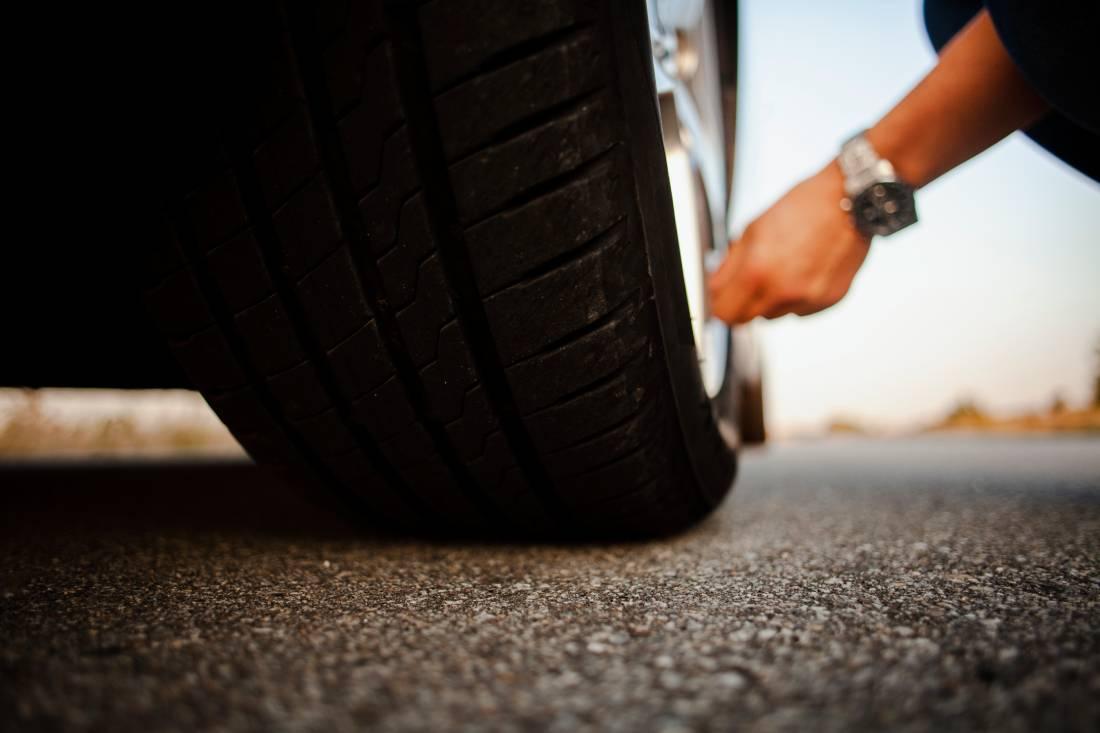
AWD vehicles are quite sensitive when it comes to tires. It is critically important that all four tires are of the same brand, model, tread depth, and size. If the tires on one axle are more worn than the others, this causes the wheels to rotate at different speeds. This speed difference can cause the center differential to work continuously and overheat, leading to failure.
What Are Common Permanent Four-Wheel Drive Problems?
The most common faults include:
- Fluid Leaks: Oil leaking from the differential or transfer case gaskets.
- Knocking Noises: Clunking noises when cornering may indicate a worn differential or CV joints.
- Electronic Sensor Failures: Contamination or malfunction of wheel speed sensors (ABS sensors) can cause the system to make incorrect decisions or shut down.
Is Permanent Four-Wheel Drive Safe in Winter Conditions?
AWD is unmatched during takeoff and acceleration in winter. However, the biggest mistake users make is assuming that AWD also improves stopping (braking) performance. All vehicles brake with all four wheels; therefore, on an icy road, the stopping distance of an AWD vehicle is almost the same as that of a front-wheel-drive vehicle. For winter safety, AWD must be supported by high-quality winter tires.

What Should Be Considered in the Maintenance of a Permanent Four-Wheel Drive Vehicle?
To extend the life of the AWD system, the following steps should be followed:
- Differential Oil Change: Oil should be changed at intervals specified by the manufacturer (usually between 60,000 and 100,000 km).
- Tire Rotation: Rotate the tires every 10,000 km to ensure even wear.
- Visual Inspection: During service maintenance, always have the transmission components checked for leaks.
Which Drivers Are Suitable for Permanent Four-Wheel Drive?
Permanent four-wheel drive is ideal for families who prioritize safety, those living in snowy or rainy regions, and performance enthusiasts who enjoy dynamic driving. If you live in a sunny climate and only drive in the city on flat roads, the extra cost and fuel consumption of AWD may be unnecessary for you. However, if you're the type of driver who says, “I want to be prepared for any condition,” AWD is your best friend.