






- What Is a Transmission Control Module (Mechatronic)?
- What Does a Transmission Control Module Do?
- How to Identify a Transmission Control Module Failure?
- Why Does a Transmission Control Module Fail?
- What Are the Solution Methods for Transmission Control Module Failure?
- Frequently Asked Questions About the Transmission Control Module
The transmission control module (TCM/Mechatronic) is a critical electronic control unit in automatic transmission vehicles that manages gear shifts, hydraulic pressure, and the clutch system by coordinating the motor and the transmission. Its failure usually manifests with clear symptoms such as harsh clunks during gear shifts, the vehicle refusing to engage gears, warning lights illuminating on the instrument panel, and the vehicle entering limp mode to restrict its speed. Knowing how this component—which plays a vital role in enabling modern vehicles to offer smooth and comfortable driving—works and diagnosing potential problems early saves drivers from high repair costs and significantly enhances driving safety.
What Is a Transmission Control Module (Mechatronic)?
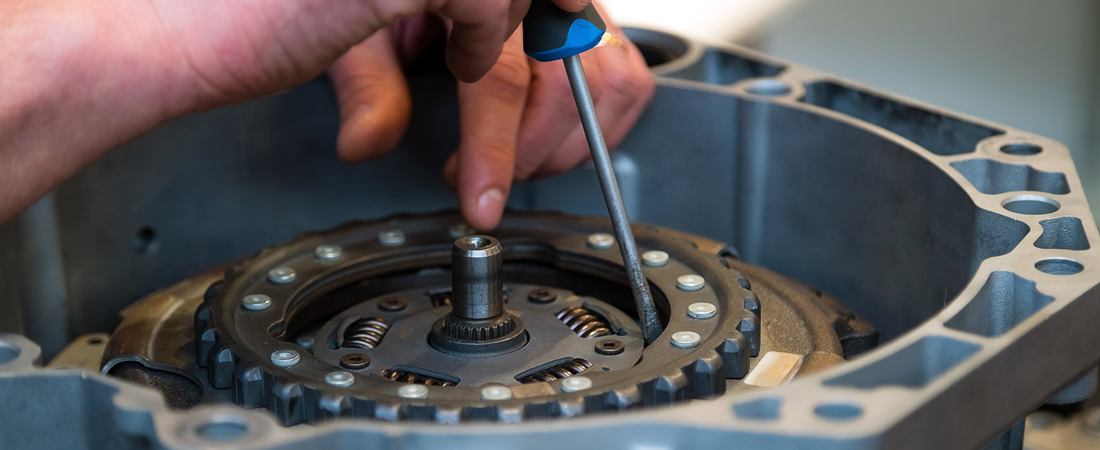
The transmission control module, often referred to as the mechatronic unit in the automotive industry, is a complex, high-tech piece of equipment where mechanical, hydraulic, and electronic systems work together. It continuously collects data such as engine RPM, vehicle speed, accelerator pedal position, and wheel rotational speed from various vehicle sensors. Processing this collected data in far less than a second, it transmits commands with millimeter accuracy to the valves and hydraulic pumps inside the transmission.
Looking at its fundamental structure, the module consists of an electronic control board that executes operations and a valve body that converts hydraulic pressure into mechanical movements. Thanks to the perfect harmony of these two main parts, the vehicle automatically selects the most accurate gear ratio without any manual intervention from the driver. Today, mechatronic systems form the heart of many different transmission types, ranging from dual-clutch transmissions (such as DSG, EDC) to fully automatic torque converter systems.
What Does a Transmission Control Module Do?
Advancements in automotive technologies directly reflect on transmission systems, which influence driving comfort. The transmission control module in automatic vehicles serves as the core management center that ensures driving smoothness by processing data received from sensors in seconds. The primary duties performed by this critical control unit include:
- Analyzing variables such as engine RPM, vehicle speed, and road inclination to decide the right time to upshift or downshift.
- Precisely adjusting the hydraulic oil pressure inside the transmission to ensure smooth engagement of clutches and transmission gears.
- Determining the optimal gear ratio to keep the engine in its most efficient RPM range in order to optimize fuel consumption.
- Detecting dangerous situations that may occur in the system—such as abnormal temperature rises or low pressure—to put the vehicle into limp mode and prevent mechanical damage.
Flawlessly carrying out all of these tasks guarantees that the power generated by the engine is transferred to the wheels with the highest efficiency and in the safest manner.
How to Identify a Transmission Control Module Failure?
When the transmission control module fails, severe and noticeable deterioration occurs in driving dynamics because the vehicle's drivetrain components cannot receive accurate commands. The symptoms that arise when this unit malfunctions are prominent, disturbing, and mechanical-health-threatening signs that the driver can notice in a short time.
Clunking and Shaking During Gear Shifts
Feeling a sudden, harsh clunk when changing gears—as if hit by a vehicle from behind—is one of the most common symptoms of a transmission control module failure. Shaking experienced while upshifting or downshifting, especially at low speeds or in stop-and-go traffic, indicates that the mechatronic unit cannot properly adjust hydraulic pressure and manages the system unevenly. These transitions, which should normally be unnoticeable, turn into a harsh mechanical reaction because the valves miss their timing.
Gears Not Engaging or Getting Stuck
A vehicle getting stuck in a specific gear while driving and failing to shift to a higher gear despite rising RPM is a serious sign of failure. In some cases, even though the gear lever is placed in "D" (Drive) or "R" (Reverse), the vehicle does not move, and the transmission behaves as if it is in neutral. This situation reveals that the electronic control unit has completely lost the hydraulic commands needed to move the transmission gears or that internal mechanical components have locked up.
Warning Light Illuminating on the Instrument Panel
Modern vehicles continuously test their own internal systems via sensors and warn the driver on the panel in an unusual situation. Engine warning lights or specific messages such as "transmission fault" or "gearbox fault" appearing on the instrument panel indicate that a fault code has formed in the unit's electronic memory. A gear icon illuminating or flashing while driving is the clearest harbinger that you must visit a service center for a detailed diagnostic test without losing time.
Vehicle Entering Emergency (Limp) Mode
When the transmission control module detects a dangerous condition—in order to prevent mechanical breakage or complete burnout in the system—it places the vehicle into emergency mode (limp mode). When this mode engages, the vehicle typically locks in 3rd gear, engine RPM does not rise above a certain limit, and driving speed is severely restricted. Known as limp mode, this restriction is a safety measure designed to allow the vehicle to travel only to the nearest service center or a safe place.
Delays in Gear Shifts
When the driver steps on the accelerator pedal, a common complaint is that the engine revs loudly instead of accelerating, but the acceleration response comes a second or two later. Likewise, a delay of several seconds in the vehicle's willingness to move forward or backward after placing the gear lever in "D" or "R" also points to pressure losses. These noticeable delays in the transmission control module's command delivery time indicate that its internal electronic traces or valve channels are beginning to lose functionality.
Why Does a Transmission Control Module Fail?
Although mechatronic units are designed to be quite durable and long-lasting, they can lose function over time due to specific user errors, environmental conditions, and lack of periodic maintenance. It is necessary to analyze well the primary factors that shorten the lifespan of the transmission control module and lead to sudden failures.
Neglecting Transmission Fluid Maintenance
Failing to change the transmission fluid on time and with a fluid compliant with vehicle standards is the most common cause of mechatronic unit failure. Fluid that becomes dirty from high heat over time, loses its viscosity, and accumulates microscopic metal shavings inside blocks the delicate valve channels inside the transmission control module. Unclean fluid also causes hydraulic pressure to drop, placing excessive strain on valves and pistons, ultimately creating an environment for irreversible unit damage.
Transmission Overheating
Constantly stopping and going in heavy traffic, towing heavy loads, or spinning wheels in snow or mud for extended periods causes the transmission fluid to overheat. The transmission control module sits in a location directly affected by the temperature of the engine and transmission casing; the resulting high heat causes solder on electronic circuit boards to melt or microprocessors to short-circuit. Plastic and rubber seals exposed to continuous, uncontrolled high heat also melt over time, causing internal hydraulic leaks.
Electrical Short Circuits and Water Contact
Driving rapidly through deep puddles or recklessly washing under the engine hood with pressurized water carries the risk of water seeping into electronic units. Moisture and water reaching the delicate connector connections of the transmission control module cause oxidation or instantaneous short circuits, rendering the control board completely dysfunctional. Additionally, alternator failures, voltage fluctuations, and battery issues in the vehicle can also damage delicate electronic components on the unit.
Wear and Tear on Mechanical Parts
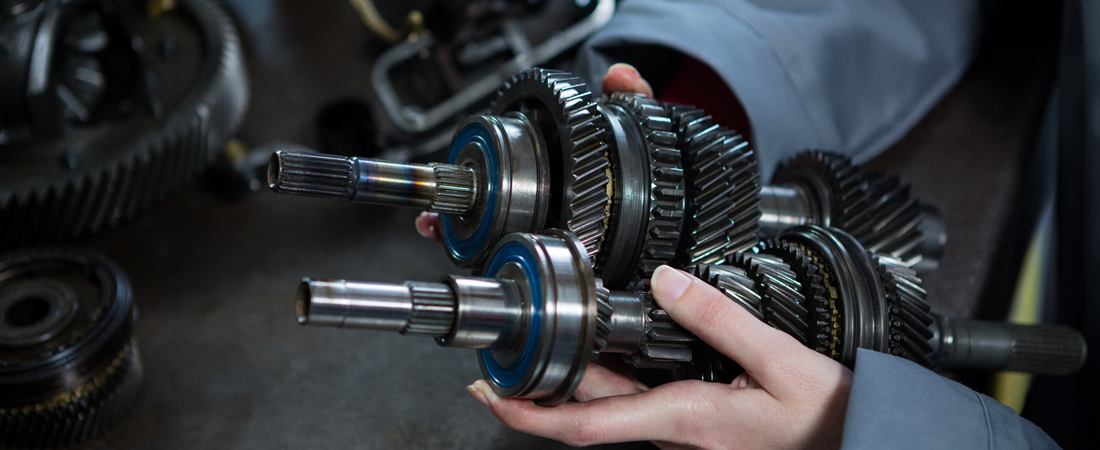
In high-mileage vehicles, small valves, springs, seals, and pistons located in the mechanical sections of the transmission control module yield to physical fatigue. Microscopic wear on these components causes hydraulic fluid to not be maintained at correct pressure values within the system, leading to leaks and pressure losses. It is an inevitable cause of failure for these parts—which are in constant motion and exposed to heavy loads—to complete their natural lifespan over time.
What Are the Solution Methods for Transmission Control Module Failure?
The repair strategy to be applied when a transmission control module fails varies depending on the scale of the fault, the damaged component, and whether the issue is electronic or hydraulic. After an accurate diagnosis is made, the main solution methods applied by specialized services are as follows:
Transmission Control Module Repair and Overhaul
If the fault stems only from a specific valve in the unit or a minor burn on its electronic board, repair can be pursued without replacing the entire component. Specialized technicians remove the unit; damaged valves, seals, or electronic traces are replaced with new ones to repair the system. Referred to as an overhaul, this process offers a much more economical solution compared to purchasing a completely new mechatronic unit and ensures the unit operates smoothly again.
Transmission Control Module Replacement
If the electronic board of the mechatronic unit is completely burnt out from a severe short circuit beyond repair, or if unrepairable cracks have occurred in the hydraulic body, complete replacement becomes mandatory. In this scenario, the faulty module is uninstalled, and a brand-new original, OEM, or guaranteed used transmission control module compatible with the vehicle brand is mounted in its place. Although part replacement is a high-cost procedure, it is the most definitive method to preserve the overall health of the transmission in severe damage cases.
Transmission Software Update and Adaptation
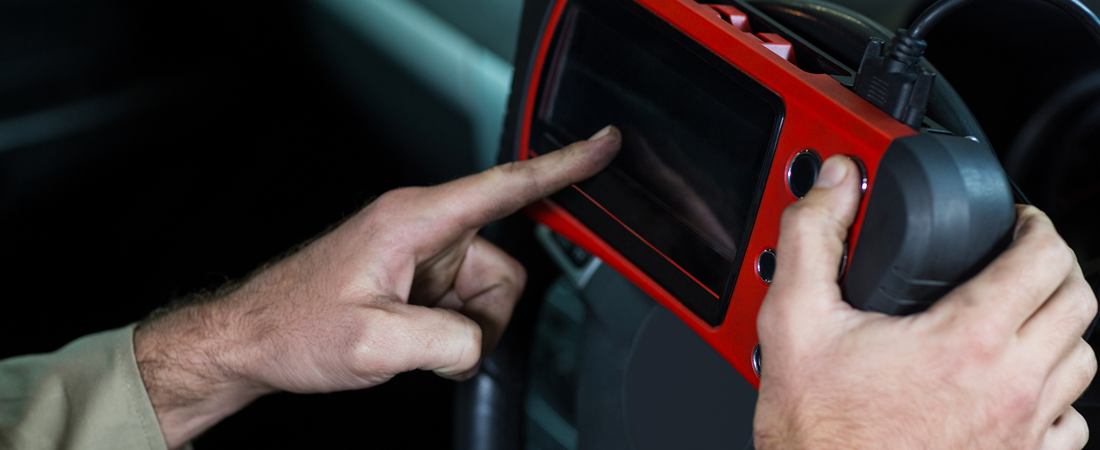
Sometimes, even though no hardware component is broken or burnt, momentary software glitches in the unit can cause jerking and hesitation during gear shifts. Connecting to the vehicle at service centers using computerized diagnostic devices allows the existing software to be updated and an adaptation (calibration) process to be performed. Adaptation is the process of re-teaching gear shift points and clutch clearances to the transmission control module, which often resolves issues like clunking without needing mechanical repair.
Frequently Asked Questions About the Transmission Control Module
Automatic transmission users have many details they wonder about and seek answers to regarding mechatronic failures and repair processes. The most frequently asked questions and technical details raised by drivers regarding the transmission control module are compiled below.
Can a Transmission Control Module Be Repaired?
Yes, a large portion of transmission control module failures—especially repairable electronic issues on the board or valve blockages—can be repaired at specialized centers. The success of the repair depends on the unit's mechanical damage state and the equipment of the center performing the repair. If severe cracks are not present, the overhaul process yields quite successful results.
Can a Vehicle Be Driven with a Faulty Transmission Control Module?
Continuing to force and drive the vehicle after failure symptoms begin is strictly not recommended. A minor hydraulic or electronic communication issue in the transmission control module can send wrong commands to transmission gears and the torque converter, causing the entire transmission system to shatter from within. When the warning light illuminates or harsh clunks begin, the vehicle should be taken to a service center via a tow truck.
How Long Does Transmission Control Module Repair Take?
Repair duration varies depending on the severity of the failure, the diagnostic process, and the availability of required spare parts. A simple valve replacement, board repair, or software update can generally be completed within 1 to 3 business days. However, in specific cases requiring heavy overhauls or when awaiting parts from different cities or abroad, this period may extend.
Does a Fluid Change Fix a Transmission Control Module Failure?
If the transmission control module is physically damaged, its seals melted, or its electronic board burnt out, merely adding fresh fluid will not solve the existing failure. However, if failure symptoms are only a temporary sticking caused by dirty fluid clogging the valves, a detailed fluid change and adaptation process can smooth out gear shifts. A fluid change is a maintenance element, not a repair for a broken component.
How Much Are Transmission Control Module Prices?
Transmission control module prices vary across a wide spectrum depending on the vehicle's make, model year, transmission type (DSG, CVT, EDC, Fully Automatic), and whether the unit is brand new, overhauled, or used. Brand-new original parts generally require significant budgets, whereas guaranteed overhaul procedures offer users a more cost-effective alternative. For precise pricing, an updated quote must be obtained from service centers using the vehicle's VIN (chassis number).
In summary, the transmission control module is the most vital electronic and hydraulic center in automatic vehicles that ensures engine and transmission harmony within milliseconds. Manifesting with symptoms such as harsh jerks during gear shifts, gears failing to engage, warning lights on the instrument panel, or the vehicle entering emergency mode, a failure in this unit—if ignored—damages all drivetrain components, paving the way for much larger costs. Not neglecting periodic transmission fluid maintenance, avoiding aggressive driving that exposes the vehicle to extreme heat, and consulting a specialized service center at the first symptoms encountered will extend the lifespan of the transmission control module and provide you with a safe, comfortable driving experience.