






- What Does It Mean When the Battery Light Comes On?
- Why Does the Battery Light Come On?
- Weak Battery or Battery at the End of Its Life
- Alternator Failure
- Charging Dynamo Failure
- Loose or Broken Alternator Belt
- Poor Contact or Corrosion on the Battery Terminals
- Problems with the Charging System Cables
- Voltage Regulator Failure
- Leakage or Fault in the Electrical System
- Can You Drive with the Battery Light On?
- What Should You Do If the Battery Light Comes On While Driving?
- What Checks Should Be Done If the Battery Light Is On?
- How to Check the Battery Voltage?
- How to Tell Whether the Alternator Is Working?
- How to Check the Battery Terminals?
- How to Check the Alternator Belt?
- How to Turn Off the Battery Light?
- Why Does the Battery Light Come On When the Ignition Is Switched On?
- Why Doesn't the Battery Light Go Out When the Engine Is Running?
- What Can Be Done to Prevent the Battery Light from Coming On?
- Frequently Asked Questions About the Battery Light
- What Does It Mean If the Battery Light Flickers On and Off?
- What Should You Do If the Battery Light Is Red?
- Why Does the Battery Light Come On Even Though a New Battery Has Been Fitted?
- How Far Can the Vehicle Go After the Battery Light Comes On?
- Does the Battery Light Come On When the Alternator Fails?
- Which Light Comes On in the Instrument Panel When the Battery Is Dead?
- Can the Vehicle Stall While the Battery Light Is On?
- Does the Battery Light Being On Prevent the Vehicle from Passing Inspection?
The battery light usually comes on when there is a problem with the vehicle's system that generates electricity and charges the battery. The source of the problem may not be the battery itself; an alternator failure, a loose or broken alternator belt, poor contact in the cables, a voltage regulator problem or another fault in the electrical system can also cause the battery warning light to come on. In particular, a red battery light that does not go out while the engine is running is an important warning that the vehicle's charging system needs to be checked.
What Does It Mean When the Battery Light Comes On?
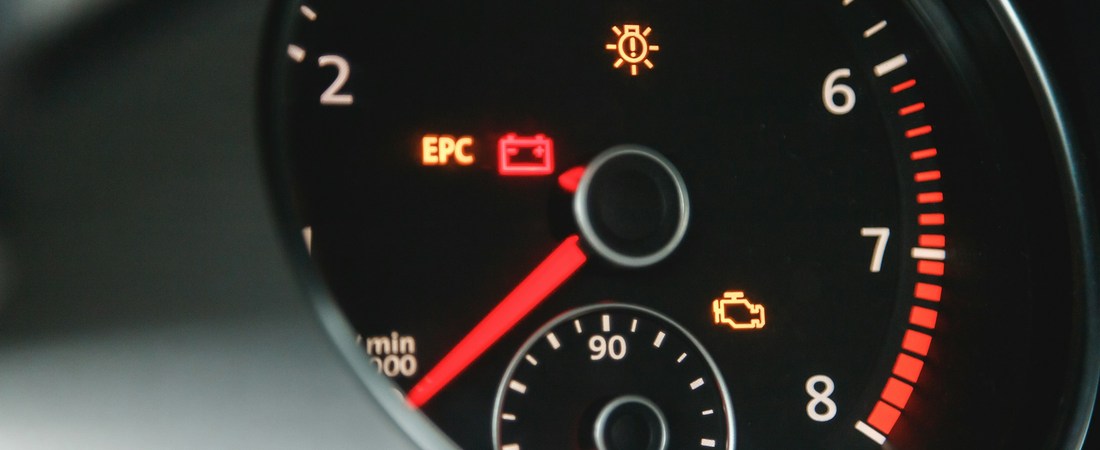
The battery symbol on the instrument panel often does not directly mean "the battery is dead." This warning essentially indicates that a problem has been detected in the vehicle's charging system. When the engine is running, the alternator should generate electricity, power the vehicle's electrical systems and recharge the battery.
If the system cannot provide the required electricity, the vehicle may continue to run for a while on the energy stored in the battery. However, as the energy in the battery is depleted, problems may begin with the headlights, multimedia system, air conditioning fan and other electrical equipment. If the problem is not resolved, the electronic systems that keep the engine running may not receive enough power either, and the vehicle may stall.
On most vehicles, it is normal for the battery light to come on when the ignition is switched on and the engine is not yet running. The light is expected to go out shortly after the engine is started.
Why Does the Battery Light Come On?
Various parts, from the battery to the alternator, may be behind the battery light coming on. For this reason, it is not possible to make a definitive diagnosis just by looking at the warning light. The battery voltage, the voltage produced by the alternator, the connections and the belt system should be checked together.
Weak Battery or Battery at the End of Its Life
Batteries can lose capacity over time. In particular, the vehicle not being used for long periods, being driven over very short distances, low temperatures or running power-consuming equipment for a long time with the engine off can contribute to the battery weakening.
A weak battery shows itself especially during the first start. The starter motor turning slowly, the vehicle starting late, the headlights looking weaker than usual or the electronic systems resetting may point to a battery-related problem.
However, a battery light that stays on continuously while the engine is running does not only mean that the battery needs to be replaced. The charging system must also be checked.
Alternator Failure
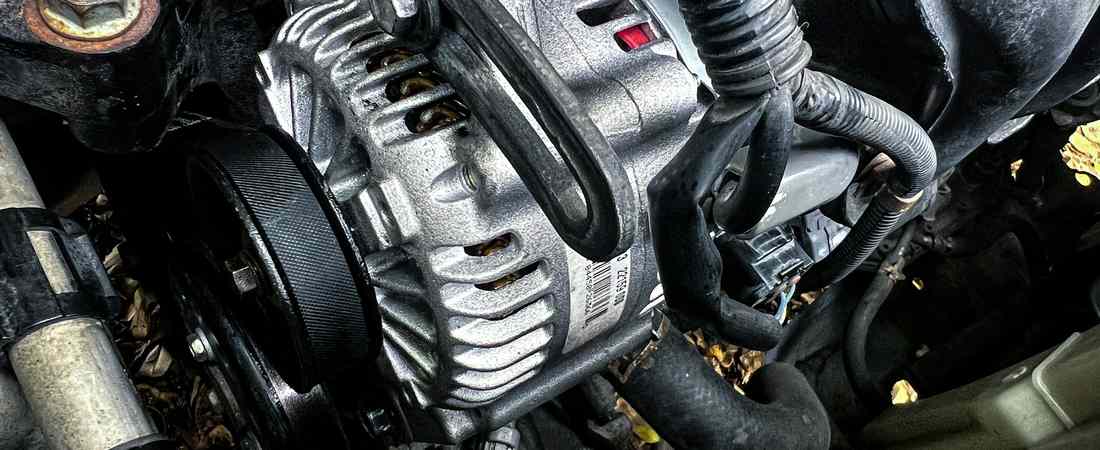
The alternator generates the electricity the vehicle needs while the engine is running and charges the battery. If the alternator cannot produce enough electricity, the vehicle starts to run on the energy remaining in the battery and the battery light on the instrument panel may come on.
In addition to the battery light, an alternator failure may cause symptoms such as changes in headlight brightness, irregular operation of electronic equipment or the battery draining in a short time.
When the alternator stops working completely, the battery's charge gradually decreases. For this reason, a battery light that stays on while the engine is running should not be ignored.
Charging Dynamo Failure
The part commonly referred to as the charging dynamo usually refers to the alternator in modern vehicles. Therefore, a failure of the charging dynamo is also one of the common reasons the battery light comes on.
Problems in the diodes, bearings, brushes or other electrical components inside the alternator can prevent the alternator from producing sufficient voltage. To determine the exact fault, the charging system should be checked with measuring equipment.
Loose or Broken Alternator Belt
In most vehicles, the alternator is driven by the engine through a belt. If the belt becomes loose, slips off or breaks, the alternator cannot turn properly and electricity generation may decrease or stop completely.
When there is a belt problem, a belt noise may be heard from the engine compartment along with the battery light. In some vehicles, the same belt also drives other auxiliary systems, so a broken belt can lead to other problems as well.
For this reason, if other warning lights come on along with the battery light while driving or the engine temperature rises, you need to stop in a safe place.
Poor Contact or Corrosion on the Battery Terminals
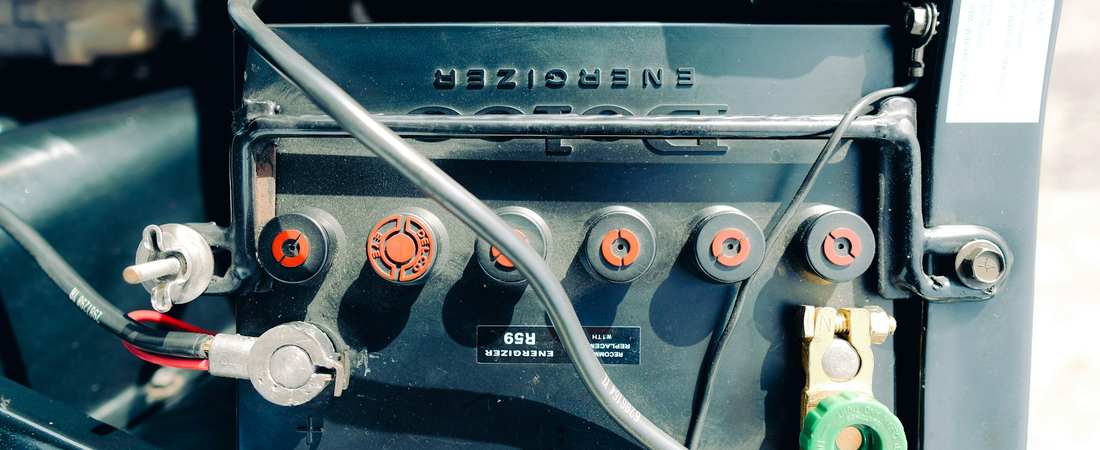
Loose or corroded connections on the battery's positive and negative terminals can disrupt the flow of electricity. White, greenish or bluish deposits on the terminals can be a sign of corrosion.
Loose connections can cause intermittent electrical problems, especially during vibration. As a result, the battery light may flicker on and off from time to time, or irregularities may be seen in the vehicle's electronic systems.
Cleaning the terminals and checking the connections should be done with suitable equipment and with attention to electrical safety rules.
Problems with the Charging System Cables
There are various cables and connection points between the alternator, the battery and the vehicle's electrical system. One of the cables becoming loose, breaking or corroding, or high resistance forming at a connection point, can prevent the charging system from working properly.
In this type of problem, even if the alternator is healthy, the electricity it produces may not reach the battery as it should. To identify the fault, both the physical condition of the cables and their electrical connections should be checked.
Voltage Regulator Failure
The voltage regulator helps keep the voltage produced by the alternator within certain limits. If the system produces too little voltage, the battery does not charge sufficiently; excessively high voltage, on the other hand, can be harmful to the battery and electronic components.
In regulator failures, in addition to the battery light coming on, changes in lighting brightness or irregular behavior in electrical systems may be seen. In some vehicles, the voltage regulator is located inside the alternator, so the fault is assessed together with the alternator system.
Leakage or Fault in the Electrical System
An electrical leak (parasitic drain) in the vehicle can cause the battery to drain faster than normal, especially when the engine is off. Aftermarket multimedia systems, alarm systems or faulty electrical connections can also consume more electricity than necessary in some cases.
Although an electrical leak does not always directly turn on the battery light, it can contribute to the battery staying at a constantly low charge level and to problems arising in the electrical system.
If an electrical leak is suspected, the amount of consumption should be checked using suitable measuring equipment.
Can You Drive with the Battery Light On?
If the battery light is on while the engine is running, it is not recommended to keep using the vehicle for a long time. Even if the vehicle is running at that moment, if the alternator is not generating electricity, the engine and electronic systems may be powered only by the energy remaining in the battery.
In this case, it is not possible to say exactly how long the vehicle will continue to run. The battery's charge level, its capacity, the vehicle's electricity consumption and the type of fault directly affect this time.
If the battery light comes on while driving, the safest approach is to reduce unnecessary electricity consumption, stop the vehicle at a suitable and safe point and have the charging system checked. If there are other critical warnings such as overheating, the vehicle should not be driven any further.
What Should You Do If the Battery Light Comes On While Driving?
The battery light coming on while driving can be a sign of a fault in the charging system. Red warning lights in particular should be taken seriously.
- Proceed safely, taking traffic conditions into account, and identify a suitable area where you can stop the vehicle.
- Turn off non-essential electrical consumers such as the air conditioning and seat heating.
- Do not turn off the headlights if they are needed for safety.
- Check whether there is an overheating warning or any other critical warning on the instrument panel.
- If there are symptoms such as the steering suddenly becoming heavy or the engine temperature rising, stop in a safe place as soon as possible.
- After stopping the vehicle, be careful of hot and moving parts in the engine compartment when opening the bonnet.
- Check whether there is a visible break in the alternator belt.
- Avoid using up the remaining energy in the battery by starting the vehicle again and again.
- If the problem cannot be identified, get roadside assistance or technical service support.
The fact that the vehicle continues to run does not mean that the charging system is healthy. When the battery is completely drained, the vehicle may not start again or may stall while driving.
What Checks Should Be Done If the Battery Light Is On?
If the battery light is on, the battery and the charging system should be evaluated together to determine the source of the fault. The battery voltage, the alternator's electricity output, the connection points and the belt system are the main areas to check.
How to Check the Battery Voltage?
The battery voltage can be measured using a suitable multimeter. When taking the measurement, it is important to set the multimeter to the correct voltage measurement position and connect the probes to the correct terminals.
A measurement taken with the engine off gives information about the current condition of the battery. A measurement taken after the engine is started helps to understand whether the charging system is supplying electricity to the battery.
However, a definitive decision about the overall health of the battery should not be made by looking at the voltage value alone. Values such as the battery's performance under load and the voltage drop during cranking are also evaluated in professional battery tests.
How to Tell Whether the Alternator Is Working?
Whether the alternator is working is usually checked by measuring the charging voltage while the engine is running. In a healthy charging system, the voltage measured across the battery is expected to rise above the engine-off value once the engine is running.
It is also possible to check how the alternator responds to the electrical load when power-consuming systems such as the headlights, the air conditioning fan and the rear window demister are switched on.
For a definitive diagnosis, the alternator's output values, its connections and, if necessary, the diode system should be tested with professional equipment.
How to Check the Battery Terminals?
First, with the vehicle in a safe area and the engine off, the battery terminals can be visually inspected. You should check whether the connections are loose and whether there is corrosion on the terminals.
Heavy corrosion or a loose connection can negatively affect electrical conduction. If work needs to be done on the terminals, suitable equipment should be used against the risk of a short circuit and the vehicle manufacturer's instructions should be followed.
How to Check the Alternator Belt?
With the engine off and sufficiently cool, the physical condition of the belt can be inspected visually. You can check whether there are signs such as cracks, breaks, excessive wear or the belt slipping out of place.
The belt should not be touched by hand while the engine is running. If there is any doubt about the belt's tension or the condition of the tensioner mechanism, a technical service check should be preferred.
How to Turn Off the Battery Light?
The right way to turn off the battery light is not to temporarily disable the warning light, but to fix the fault that is causing the light to come on.
If the problem is caused by a weak battery, the battery may need to be charged or, where necessary, replaced. If there is an alternator failure, the alternator needs to be repaired or replaced; if there is a belt problem, the belt and tensioner system need to be checked. In the case of loose or corroded connections, the electrical connections should be corrected.
Once the fault has been fixed and the charging system is working normally, on most vehicles the battery light goes out by itself when the engine is started. If the warning persists, the vehicle should be checked with a diagnostic tool and electrical measurements.
Why Does the Battery Light Come On When the Ignition Is Switched On?
The battery light coming on when the ignition is switched on, before the engine is started, is a normal system check on most vehicles. At this stage, since the alternator is not yet being turned by the engine, charging has not started.
After the engine is started and the alternator begins producing the required electricity, the battery light is expected to go out within a short time.
On some vehicles, the light not coming on at all when the ignition is switched on may also require the warning lamp, the circuit or the related system to be checked. Since normal behavior may vary according to the vehicle's make, model and the manufacturer's design, the vehicle owner's manual should be taken into account.
Why Doesn't the Battery Light Go Out When the Engine Is Running?
The battery light not going out even though the engine is running may indicate that the charging system is not working as expected. The alternator may not be producing enough electricity, the belt may not be turning the alternator properly or there may be a problem with the electrical connections.
Possible reasons for the battery light staying on while the engine is running include alternator failure, a voltage regulator problem, a loose or broken belt, cable problems and connection faults.
In this case, simply replacing the battery may not be the right solution. First, the alternator output and the overall charging system should be checked to determine the source of the fault.
What Can Be Done to Prevent the Battery Light from Coming On?
Although it is not possible to prevent every fault that may cause the battery light to come on, regular maintenance can help charging system problems to be noticed early.
- Have the general condition of the battery checked during periodic maintenance.
- Monitor the battery terminals for looseness and corrosion.
- Pay attention to the maintenance intervals of the alternator and auxiliary drive belts.
- Do not ignore signs of a weak battery, such as the starter turning harder than usual.
- If the vehicle will not be used for a long time, follow the manufacturer's recommendations to prevent the battery from draining.
- Do not run power-consuming equipment unnecessarily for long periods while the engine is off.
- Make sure that aftermarket electrical equipment added to the vehicle has been installed correctly.
- If the battery light on the instrument panel flickers on and off from time to time, have the charging system checked before the fault fully develops.
Regular checks help both to preserve the battery's service life and to reduce the risk of the vehicle breaking down on the road due to an unexpected charging system failure.
Frequently Asked Questions About the Battery Light
The behavior of the battery light can vary depending on the type of fault. The light staying on continuously, flickering on and off intermittently or persisting after a new battery is fitted may require different parts to be checked.
What Does It Mean If the Battery Light Flickers On and Off?
The battery light flickering on and off intermittently may be caused by poor contact in the electrical connections, a loose alternator belt, the alternator producing electricity irregularly or a voltage regulator problem.
In particular, if the state of the light changes depending on engine speed, driving over speed bumps or switching power-consuming equipment on and off, the charging system should be checked in detail.
What Should You Do If the Battery Light Is Red?
If the red battery light is on while the engine is running, you should assume that there may be a problem with the vehicle's charging system. Electrical equipment that is not necessary for safe driving can be switched off, and the vehicle should be taken to a safe spot and checked.
If the overheating, steering system or other critical warning lights are also on, it is safer to get help from a roadside assistance service rather than continuing to drive the vehicle.
Why Does the Battery Light Come On Even Though a New Battery Has Been Fitted?
If the battery light comes on even though a new battery has been fitted, the problem may lie outside the battery. The alternator, voltage regulator, alternator belt, cables and electrical connections should be checked.
If a new battery is not charged sufficiently because of a faulty charging system, it can quickly drop to a low charge level again. For this reason, it is also important to test the charging system when the battery is replaced.
How Far Can the Vehicle Go After the Battery Light Comes On?
It is not possible to determine exactly how many kilometers or minutes the vehicle will keep running after the battery light comes on. The battery's capacity and current charge level, whether the alternator has failed completely or partially, and the vehicle's electricity consumption all change this time.
For this reason, continuing to drive with the thought that "it will go a certain distance more" is risky. The vehicle may lose electrical power at any moment and stall.
Does the Battery Light Come On When the Alternator Fails?
Yes. Alternator failure is one of the main reasons the battery light comes on while the engine is running. If the alternator cannot provide the required electricity, the vehicle may detect this as a charging system problem and turn on the battery warning light on the instrument panel.
For a definitive diagnosis, the voltage and electrical output produced by the alternator should be measured.
Which Light Comes On in the Instrument Panel When the Battery Is Dead?
In problems related to the battery or the charging system, a red battery symbol usually appears on the instrument panel. However, this light coming on does not directly mean "the battery is completely dead."
The battery light essentially indicates that there is a problem in the vehicle's charging system. To determine whether the battery is actually weak or faulty, a voltage and battery performance test needs to be carried out.
Can the Vehicle Stall While the Battery Light Is On?
Yes, it can. When the alternator stops producing electricity, the vehicle can run for a while on the electrical energy stored in the battery. When the battery's energy falls below a critical level, the electricity required for systems such as engine management, the fuel system and ignition may not be supplied.
At this point, the vehicle may stall while driving and may not start again. For this reason, the battery light coming on while the engine is running is a warning that should not be postponed.
Does the Battery Light Being On Prevent the Vehicle from Passing Inspection?
The effect of the battery light on the vehicle inspection is assessed according to the type of vehicle, the condition of the warning system and the current defect criteria applied during the inspection. In addition, regardless of the inspection, a battery light that stays on continuously may indicate that there is a problem in the charging system that needs to be checked.
Before going to the inspection, it is advisable to determine why the battery light is on and to fix any fault caused by the alternator, battery, belt or electrical connections. In this way, not only the warning light but also the charging system problem that could directly affect the operation of the vehicle will be eliminated.