






- What Does It Mean When the ESP Light Comes On?
- Why Does the ESP Light Come On?
- The ESP System Stepping In
- ABS Wheel Speed Sensor Failure
- Steering Angle Sensor Failure
- Brake Pedal Sensor Problems
- ABS System Failure
- ESP Control Unit Failure
- Low Battery Voltage or Electrical Problems
- Different Tire Pressures or Tire Sizes
- What Does It Mean If the ESP Light Stays On?
- What Does It Mean If the ESP Light Flashes?
- Is It Safe to Drive with the ESP Light On?
- What Should You Do When the ESP Light Comes On?
- Stop the Vehicle in a Safe Place
- Switch the Vehicle Off and Restart It
- Check the Tires and Tire Pressures
- Check the ABS and Other Warning Lights
- Have It Checked with a Diagnostic Device
- Go to an Authorized or Specialist Service
- How Is an ESP Fault Diagnosed?
- How Can an ESP Fault Be Fixed?
- Frequently Asked Questions About the ESP Light
- Does the ESP light go out by itself?
- What happens if the ESP light stays on?
- What does it mean if the ESP light is flashing?
- Can you drive a car with the ESP light on?
- Why do the ESP and ABS lights come on at the same time?
- Does an ESP fault affect the vehicle's traction?
- Does the ESP light come on when the battery is weak?
- How do you turn the ESP system off and on?
The ESP light can flash briefly when the vehicle's Electronic Stability Program steps in, or it can stay on continuously when there is a fault in the system. In particular, the ESP light flashing on a slippery surface often shows that the system is intervening to prevent the vehicle from skidding. However, the light staying on throughout the drive may require components such as the wheel speed sensors, the ABS system, the steering angle sensor, the electrical system or the ESP control unit to be checked. Whether the vehicle can be driven while the ESP light is on should be assessed according to how the light comes on and whether there are other warnings along with it.
What Does It Mean When the ESP Light Comes On?
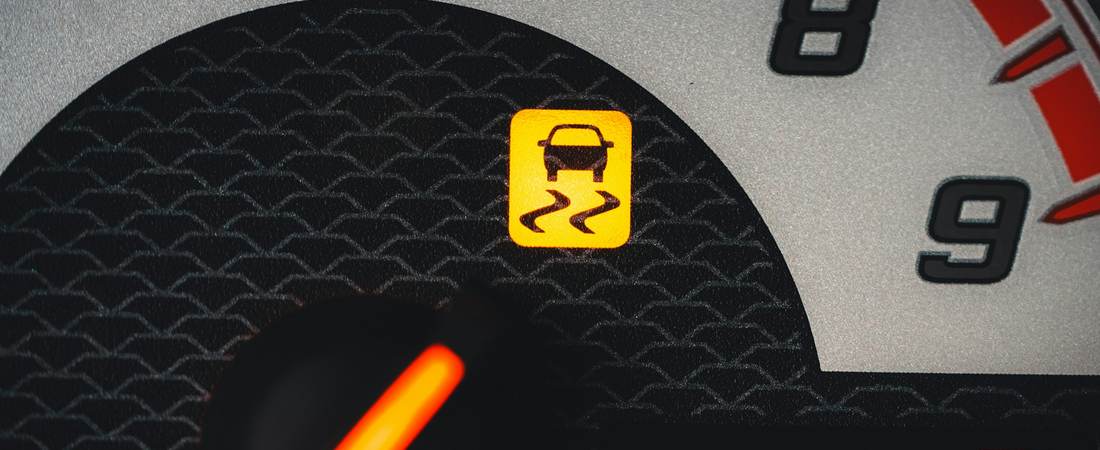
ESP is an electronic safety system that helps the vehicle maintain control in corners, during sudden changes of direction or on slippery surfaces. The system uses the ABS wheel speed sensors, the steering angle sensor and various driving data to determine whether the vehicle is deviating from the direction in which the driver is steering.
The ESP light flashing on the instrument panel usually shows that the system is actively intervening. The ESP light staying on continuously, on the other hand, may indicate that the system has been switched off or that there is a fault affecting the operation of ESP. Since dashboard symbols and the way they work can vary according to the vehicle's make and model, the explanations in the vehicle owner's manual should also be taken into account.
Why Does the ESP Light Come On?
Both normal operating conditions and electronic or mechanical faults can cause the ESP light to come on. The ESP system does not work on its own; it works together with ABS, the brake system, the wheel sensors and the steering system. For this reason, a problem in one of these systems can also lead to the ESP warning appearing.
The ESP System Stepping In
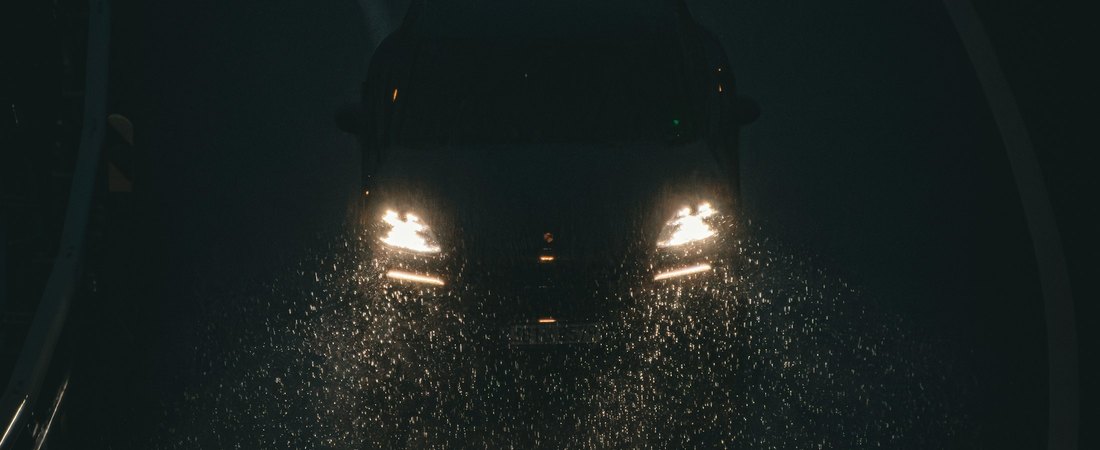
The ESP light coming on does not always mean that there is a fault. When the vehicle starts to lose grip on a wet, icy, snowy or loose surface, the ESP system can step in automatically. In this case, the ESP light on the instrument panel usually flashes at short intervals.
When necessary, the system can apply the brakes to certain wheels and, in some vehicles, limit engine torque to help the vehicle regain its balance. When grip returns to normal, the light should also stop flashing. Brief flashing, especially during hard acceleration or sudden cornering, can be considered normal.
ABS Wheel Speed Sensor Failure
The speed sensors on each wheel track the rotational speed of the wheels and send data to the ABS and ESP systems. If one of the sensors fails, becomes dirty, has a faulty connection or there is a problem with its wiring, the ESP control system may not be able to obtain accurate data.
With wheel speed sensor failures, the ABS warning light may also come on along with the ESP light. To determine exactly which sensor the fault is coming from, the error codes need to be read with a diagnostic device and, if necessary, the sensor data needs to be compared live.
Steering Angle Sensor Failure
The steering angle sensor tells the ESP system in which direction and by how much the driver is turning the steering wheel. The ESP control unit compares this information with the vehicle's actual direction of movement to assess whether there is skidding or a loss of control.
The sensor failing, losing its calibration or not being set correctly after work on the steering system can cause the ESP light to stay on. In some vehicles, the steering angle sensor may need to be recalibrated after a wheel alignment, a battery replacement or work on steering parts.
Brake Pedal Sensor Problems
The sensor that detects the position of the brake pedal, or the brake light switch, passes information about whether the driver is braking to various electronic systems. Incorrect data here can affect ESP's ability to work in coordination with the brake system.
Electrical faults or connection problems in the brake pedal sensor can cause warning lights related to ESP, ABS or the brake system to come on in some vehicles. The brake lights not working or working irregularly can also accompany a brake light switch problem in some cases.
ABS System Failure
The ESP system applies braking force to individual wheels when necessary to maintain the vehicle's stability. Since this is done through the ABS hydraulic unit and related electronic components, a fault in the ABS system can also affect the operation of ESP.
With problems in the ABS control unit, hydraulic pump, valves, sensors or electrical connections, both the ABS and ESP lights may come on at the same time. In such a case, even if the normal brake system continues to work, electronic assistance systems such as ABS and ESP may be disabled.
ESP Control Unit Failure
The ESP control unit evaluates the data coming from different sensors and, when necessary, gives the system the command to intervene. An electronic fault, a communication problem or a software-related error in the control unit can turn on the ESP warning light.
A control unit failure may require a more comprehensive diagnosis than the other causes. Before the unit is replaced, the sensors, electrical wiring, connectors, supply voltage and the error codes in the vehicle should be checked in detail.
Low Battery Voltage or Electrical Problems
For the safety systems in modern vehicles to work properly, the electrical voltage must be within certain limits. A weak battery, a charging system problem or short voltage drops can cause electronic control units to log errors.
In particular, several warning lights for ESP, ABS and other electronic systems appearing at the same time when the vehicle is first started may be related to low voltage. In such a case, rather than just replacing the battery, the battery's condition, the alternator's charging voltage and the electrical connections should be evaluated together.
Different Tire Pressures or Tire Sizes
The ESP system constantly monitors changes in the rotational speeds of the wheels. One tire's pressure being noticeably different from the others, or the use of mismatched tire sizes on the same axle, can change how the wheels rotate.
Using tires of sizes different from those specified by the vehicle manufacturer, significant diameter differences or uneven wear can affect the calculations of electronic driving assistance systems in some vehicles. For this reason, when there is an ESP warning, it is useful to also check the tire sizes, their wear condition and the cold tire pressures.
What Does It Mean If the ESP Light Stays On?
The ESP light staying on throughout the drive indicates, on most vehicles, that the system is disabled or that a fault preventing ESP from working has been detected. On vehicles where ESP can be switched off by the driver with a button, an ESP OFF or similar warning may also appear on the instrument panel.
If the light stays on even though the system has not been switched off by the driver, the sensors, the ABS system, the steering angle sensor, the electrical connections and the control units should be checked. If the warning persists after the engine is restarted, reading the fault codes is important for a correct diagnosis.
ESP not working may not prevent the vehicle from moving in principle, but it can mean that electronic stability assistance is not available, especially in rain, snow, ice or during sudden maneuvers.
What Does It Mean If the ESP Light Flashes?
The ESP light flashing briefly usually shows that the system is actively working at that moment. ESP can intervene when the vehicle starts to slide in a corner, when one of the wheels spins during acceleration or when road grip is low.
During this time, the driver may feel engine power temporarily decreasing or brief interventions of the brake system. When road conditions return to normal, the light is expected to go out. The ESP light flashing very often during normal driving on a dry and even surface, however, may make tire, sensor or system checks necessary.
Is It Safe to Drive with the ESP Light On?
If the ESP light flashes and goes out shortly afterwards, the system is most likely stepping in to maintain grip. In such a case, speed should be reduced according to road conditions, harsh steering movements should be avoided and sudden acceleration should not be made.
If the ESP light stays on, the situation should be assessed more carefully. Even if the vehicle is moving normally, ESP assistance may not be available. On rainy, snowy or icy roads in particular, this reduces the vehicle's electronic assistance against sliding and skidding.
If a red brake warning, the ABS light, a steering system warning or a noticeable change in the vehicle's driving behavior is seen together with the ESP warning, it is better to stop in a safe place rather than continue driving. Since whether the vehicle can be driven safely depends on the source of the fault, a permanent ESP warning should not be ignored.
What Should You Do When the ESP Light Comes On?
When the ESP light appears, you should first observe whether the light stays on continuously or only flashes in certain driving conditions. Then, by carrying out basic checks, you can try to distinguish a temporary electronic error from a permanent system fault.
Stop the Vehicle in a Safe Place
If the ESP light has suddenly started to stay on, the vehicle should be taken to a safe spot when driving conditions allow. In particular, if an unusual change is felt in the vehicle's grip, braking or steering response, continuing to drive may pose a risk.
When stopping the vehicle, it is important to avoid sudden braking or harsh steering movements. In heavy traffic or on the motorway, you should move in a controlled manner rather than stopping the vehicle suddenly before reaching a safe spot.
Switch the Vehicle Off and Restart It
Some temporary electronic errors can disappear when the ignition is switched off and the vehicle is restarted. After the vehicle has been stopped safely, the engine can be switched off and restarted shortly afterwards to check the warning on the instrument panel.
If the light goes out but comes back on shortly afterwards, simply restarting is not a permanent solution. The error codes stored in the control unit need to be examined.
Check the Tires and Tire Pressures
It is important to visually check all four tires and measure whether their pressures match the values recommended by the manufacturer. A noticeably deflated tire, the use of a tire of a different size or serious wear can affect the rotational speeds of the wheels.
When setting the tire pressure, the values stated on the vehicle's door label or in the owner's manual should be followed. Not only the pressure of the tires, but also their sizes and general wear condition should be compared.
Check the ABS and Other Warning Lights
Whether there is another warning alongside the ESP light can give important clues about the source of the fault. The ESP and ABS lights coming on together can suggest a problem with the wheel speed sensors or ABS components that both systems share.
If the brake, engine, steering or battery warnings are also on, the diagnosis should not be limited to the ESP system alone. Several systems giving warnings at the same time may also be related to electrical voltage or communication problems.
Have It Checked with a Diagnostic Device
With permanent ESP warnings, the error codes in the vehicle's electronic control units need to be read using a diagnostic device. However, simply seeing the error code does not always mean that the faulty part has been directly identified.
Along with the error code, values such as live sensor data, wheel speeds, steering angle, brake signals and system voltage should also be examined. In this way, unnecessary parts replacement can be avoided.
Go to an Authorized or Specialist Service
If the ESP light stays on, reappears after restarting or is seen together with ABS and brake system warnings, the vehicle should be checked at a specialist service.
In addition to an electronic fault scan, the service can check the sensors, cables, connector plugs, the ABS unit and any required calibration procedures. Especially for safety systems, it is important to carry out a systematic diagnosis instead of replacing parts before confirming that they are faulty.
How Is an ESP Fault Diagnosed?
Diagnosing an ESP fault usually starts with reading the error codes in the control units with a diagnostic device. The fault codes provide the first information about which system or sensor area the problem is located in.
Then, the live data from the wheel speed sensors can be compared, it can be checked whether the steering angle sensor correctly detects the steering position, and the brake pedal signals can be examined. The battery voltage and the alternator's charging condition should also be evaluated.
Even if the sensors themselves are in good condition, broken wires, corroded connectors, loose connections or damage to the tone ring the sensor reads can create similar error codes. For this reason, for a correct diagnosis, mechanical and electrical checks need to be carried out together rather than replacing parts based only on the error code.
How Can an ESP Fault Be Fixed?
The method of fixing an ESP fault varies depending on the problem identified during diagnosis. If there is a faulty wheel speed sensor, the sensor or the related wiring can be repaired. For problems with the steering angle sensor, calibrating the sensor may be enough, while in some cases the part may need to be replaced.
For faults caused by low battery voltage, the battery and charging system should be checked and the electrical problem should be fixed. For faults caused by the ABS unit or the ESP control unit, the electronic and hydraulic components need to be tested in detail.
After the repair is completed, it is important to check the error codes, carry out the necessary calibrations and test the system again under suitable conditions. The ESP light going out may not be enough on its own; it should also be verified that the system receives correct data from the sensors and that no error code is generated again.
Frequently Asked Questions About the ESP Light
The behavior of the ESP warning light is important for distinguishing normal system intervention from a real fault. In particular, the light staying on continuously and the light flashing briefly point to different situations.
Does the ESP light go out by itself?
Yes. When the ESP system steps in because of a slippery surface or wheel spin, the light can flash and then go out by itself when the intervention ends. A light that comes on because of a temporary electronic error may also go out in some cases when the vehicle is restarted. However, with an ESP warning that keeps recurring, a fault check should be carried out.
What happens if the ESP light stays on?
The ESP light staying on can indicate that the system is disabled, has been switched off by the driver or that a fault has been detected. If the system really is disabled, the vehicle may not benefit from the electronic stability assistance ESP provides in skidding or wheel spin situations, especially on slippery surfaces.
What does it mean if the ESP light is flashing?
The ESP light flashing mostly shows that the system is actively intervening. When one of the wheels loses grip or the vehicle starts to deviate from the intended driving line, the system can intervene through the brakes and engine management. If the light goes out when road grip returns to normal, this is usually normal.
Can you drive a car with the ESP light on?
If the light only flashes briefly on a slippery surface, the vehicle can be driven, but speed should be reduced to suit road conditions. If the ESP light stays on, more careful driving is required because the system may be disabled, and the fault should be checked as soon as possible. If there is a serious warning related to the brake system or a noticeable problem with the vehicle's control, driving should not continue.
Why do the ESP and ABS lights come on at the same time?
Since ESP and ABS share many sensors and brake system components, the same fault can turn on both warning lights. A wheel speed sensor failure, a wiring or connection problem, an ABS control unit issue and abnormalities in electrical voltage are among the possible causes. The exact cause should be determined as a result of a diagnostic check.
Does an ESP fault affect the vehicle's traction?
In many vehicles, ESP and the traction control system use shared sensors and components. A fault in the ESP system can also cause the traction control function to be disabled. In such a case, electronic control of the wheels against wheel spin may be limited, especially when accelerating on wet, snowy or icy surfaces.
Does the ESP light come on when the battery is weak?
Yes, low battery voltage can lead to temporary or permanent error entries in electronic systems such as ESP and ABS in some vehicles. In particular, the voltage dropping too much during the first start can cause several warning lights to come on. To confirm that the problem is caused by the battery, the battery's condition and the alternator's charging system should be measured.
How do you turn the ESP system off and on?
The method of switching off and re-enabling ESP varies according to the vehicle model. In many vehicles, certain functions of the system can be temporarily limited using a button with a skidding car symbol or the words ESP/ESC on it. In some models, this is done from the vehicle menu, or the system cannot be switched off completely.
Keeping ESP switched on during normal road use is important for safety. When the system is switched off, an ESP OFF or similar warning may appear on the instrument panel, and on many models the system is automatically re-enabled when the vehicle is restarted. The manufacturer's owner's manual should be used as the basis for how it works on a specific vehicle.