






- What Does Heavy Steering Mean?
- Why Does the Steering Become Heavy?
- Low Power Steering Fluid
- Hydraulic Power Steering Pump Failure
- Loose or Broken Power Steering Pump Belt
- Steering Rack Failure
- Electric Power Steering (EPS) System Failure
- Steering Angle or Torque Sensor Failure
- Problems with Tie Rods, Ball Joints and Suspension Parts
- Low Tire Pressure
- Electrical Problems Caused by the Battery or Alternator
- What Are the Symptoms of Heavy Steering?
- Needing More Force Than Normal to Turn the Steering
- Noise from the Steering
- Steering Sticking or Turning with Difficulty
- Steering Warning Light Coming On
- Steering Turning Harder in One Direction
- Why Does the Steering Become Heavy While Driving?
- Why Does the Steering Become Heavy When Parked?
- Why Is the Steering Heavy When Cold?
- Why Does Electric Power Steering Become Heavy?
- Why Does Hydraulic Power Steering Become Heavy?
- What Should You Do When the Steering Becomes Heavy?
- Check the Tire Pressures
- Check the Power Steering Fluid Level
- Have the Belt and Pump System Checked
- Have the Battery and Charging System Checked
- Have the Steering System Checked by a Specialist Service
- How Can Heavy Steering Be Fixed?
- Is Heavy Steering Dangerous?
- Frequently Asked Questions About Heavy Steering
- Why does the steering suddenly become heavy?
- Does the steering become heavy if the power steering fluid is low?
- Does the steering become heavy if the battery is weak?
- How can you tell if the power steering pump is failing?
- Does a steering rack failure make the steering heavy?
- Does the steering become heavy if the tire pressure is low?
- Does heavy steering prevent a vehicle from passing inspection?
- Can you drive with heavy steering?
Heavy steering can be caused by various reasons, such as a low hydraulic fluid level, a problem with the power steering pump or belt, a steering rack failure, a problem in the electric power steering system or low tire pressures. In particular, the steering suddenly becoming heavy is a situation that must be taken seriously, as it can make it harder for the driver to control the vehicle. When the heaviness appears, whether it is accompanied by noise or a warning light, and whether the vehicle has hydraulic or electric power steering all help to determine the source of the fault.
What Does Heavy Steering Mean?
Heavy steering means that more physical force than normal is needed to turn the steering wheel. The problem can be felt more clearly, especially at low speeds, during parking maneuvers and in sharp turns.
In modern vehicles, steering systems reduce the force applied by the driver with hydraulic or electric assistance systems. A complete or partial loss of this assistance can cause the steering to become heavy. In addition, parts that directly affect steering movement, such as the suspension, tie rod system or tires, can also lead to heaviness.
Steering that is constantly heavy and steering that suddenly becomes heavy may not point to the same fault. For example, low tire pressure may cause a more gradual heaviness, while a loss of electric power steering assistance may cause the steering to become noticeably heavy within a short time.
Why Does the Steering Become Heavy?
The answer to the question of why the steering becomes heavy can vary depending on the steering system the vehicle uses. In vehicles with hydraulic power steering, fluid, pump and belt problems come to the fore, while in electric power steering systems, faults related to the motor, sensors, electronic control unit and power supply are evaluated more often.
Low Power Steering Fluid
Hydraulic power steering systems use pressurized hydraulic fluid so that the steering can be turned easily. Not having enough power steering fluid in the system can reduce steering assistance and make the steering wheel heavy.
A drop in the fluid level can often also indicate that there is a leak in the system. Leaks around the hoses, connection points, power steering pump or steering rack should be checked.
Hearing a humming noise when the steering is turned and seeing traces of fluid under the vehicle are also among the symptoms that can appear with low or leaking hydraulic fluid. Rather than just adding fluid, it is important to find the point that is causing the loss.
Hydraulic Power Steering Pump Failure
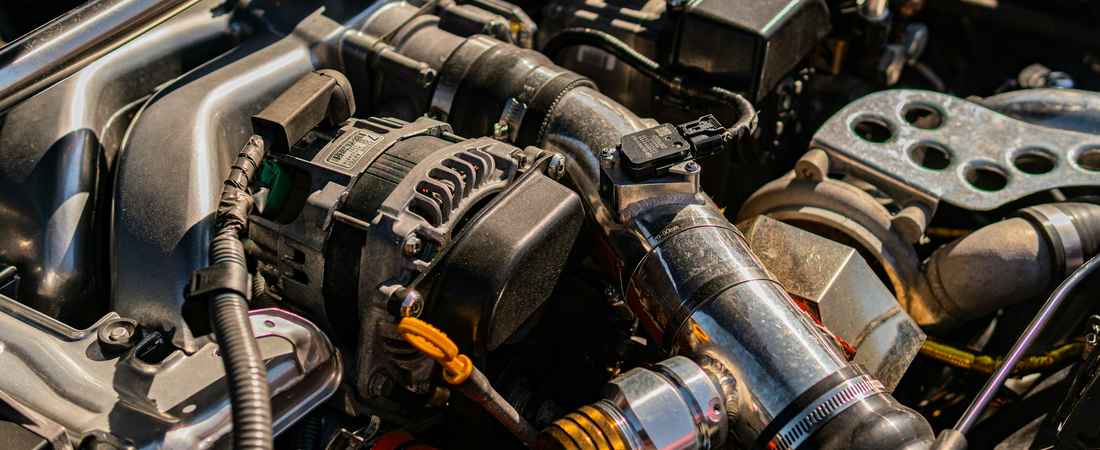
The hydraulic power steering pump produces the pressure the steering system needs. If the pump cannot produce enough pressure, the driver may have to apply more force to turn the steering wheel.
With pump failures, the steering may become heavy especially at low engine speeds or during parking maneuvers. Humming, whining or grinding-like noises when the steering is turned can also indicate a pump-related problem.
If the pump loses its function completely, the hydraulic assistance can largely disappear. Although the mechanical steering connection usually remains, turning the steering can become noticeably more difficult.
Loose or Broken Power Steering Pump Belt
In some hydraulic power steering systems, the pump is driven by the engine through the auxiliary drive belt. The belt becoming loose, slipping or breaking can prevent the pump from producing sufficient pressure.
With a loose belt, the problem may appear from time to time. In particular, noise may come from the belt when the steering is turned, or fluctuations may be felt in the steering assistance. When the belt breaks completely, the steering assistance can drop suddenly.
In systems where the same belt also drives the alternator or other auxiliary equipment, additional symptoms may appear, so a belt problem should not be ignored.
Steering Rack Failure
The steering rack is one of the main components that transmit the movement the driver creates through the steering wheel to the wheels. Problems such as mechanical wear in the steering rack, seizing of internal parts or hydraulic leaks can make steering movement harder.
A steering rack failure may not only appear as heaviness. Play in the steering, knocking, abnormal noise, sticking or different resistance felt when turning right and left are also possible.
Problems related to the steering rack need to be examined professionally, because similar symptoms can also be caused by the tie rod system, the pump or suspension parts.
Electric Power Steering (EPS) System Failure
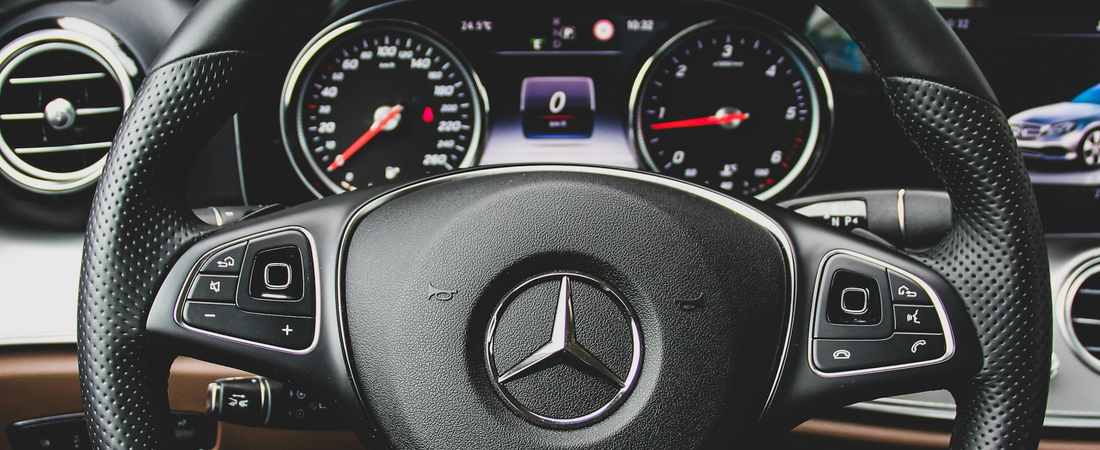
The electric power steering system, or EPS, provides steering assistance to the driver by using an electric motor instead of hydraulic pressure. A problem with the electric motor, the control unit or the system's power supply can cause the assistance to decrease or be cut off completely.
With an EPS failure, the steering can suddenly become heavy and a warning light related to the steering system may come on in the instrument panel. In some cases, assistance may temporarily return when the vehicle is restarted, but this does not mean that the fault has gone away.
Reading the fault codes with a diagnostic device is important to determine which component the problem in the electric power steering system is coming from.
Steering Angle or Torque Sensor Failure
Electric power steering systems detect which direction the driver is turning the steering wheel and how much force is being applied through various sensors. The steering angle sensor and the torque sensor are among the important parts of this system.
If incorrect data comes from the sensors, the electric power steering control unit may not be able to correctly calculate the amount of assistance needed. As a result, the steering may become heavy, the assistance may become irregular or the steering warning light may come on.
To understand whether the problem is sensor-related, electronic fault diagnosis and, if necessary, sensor calibration may be required.
Problems with Tie Rods, Ball Joints and Suspension Parts
The steering system does not consist only of the steering rack and the assistance mechanism. Tie rods, ball joints, control arms and some suspension parts also play a role in changing the direction of the wheels.
Seizing, deformation or excessive wear in these components can make steering movement more difficult. Hearing a knocking noise when the steering is turned, the vehicle's directional stability deteriorating or uneven tire wear may also be related to these parts.
Checking the front-end parts is an important part of the fault diagnosis, especially if a mechanical resistance is felt.
Low Tire Pressure
When tire pressure drops below the recommended level, the tires' contact surface with the road and their rolling resistance can change. This can make the steering feel heavier than normal, especially at low speeds.
If there is a serious loss of pressure in more than one tire, in addition to heavy steering, problems such as increased fuel consumption, changes in road holding and uneven tire wear can also be seen.
Tire pressure should be checked according to the values specified by the vehicle manufacturer and, if possible, while the tires are cold.
Electrical Problems Caused by the Battery or Alternator
Electric power steering systems can draw a large amount of energy from the vehicle's electrical system in order to operate. The battery becoming very weak or the alternator not providing sufficient charge can prevent the EPS system from working as it should.
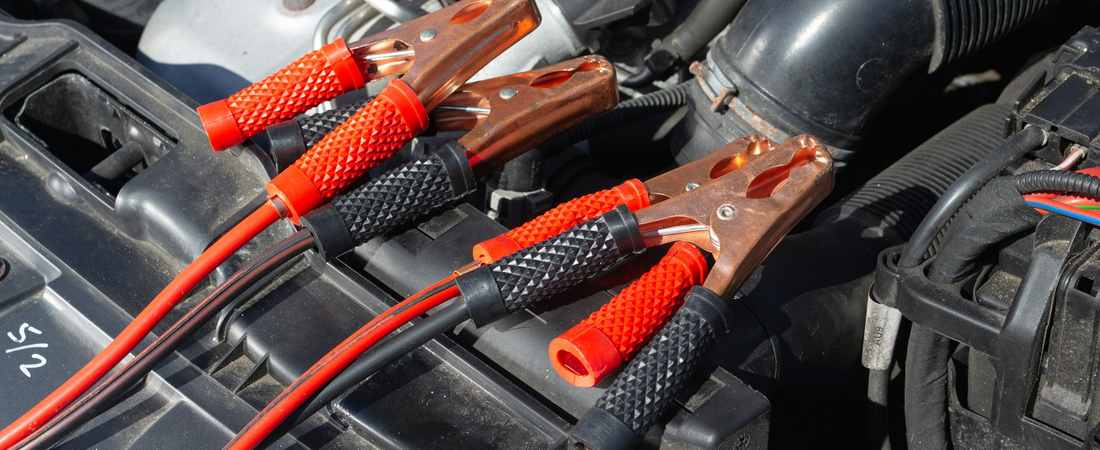
When the voltage drops, the steering assistance may be reduced and warning lights related to the steering or charging system may appear on the instrument panel. Especially if several electronic warnings appear on the vehicle at the same time, it is useful to check the battery and the alternator.
What Are the Symptoms of Heavy Steering?
Heavy steering is often not limited to the steering simply becoming heavier. Depending on the source of the fault, additional symptoms such as noise, sticking, a warning light or a difference between left and right turns may be seen.
Needing More Force Than Normal to Turn the Steering
The most basic symptom is that the driver has to apply more force than normal to turn the steering. The problem may be more noticeable, especially during parking maneuvers or at low speeds.
When steering assistance is lost completely, the steering may be turned relatively more easily while the vehicle is moving, but it can become much heavier when the vehicle is stationary.
Noise from the Steering
Hearing noises such as humming, squeaking, grinding or knocking when the steering is turned can indicate that there is a mechanical or hydraulic problem in the system.
Humming noises may be related to low hydraulic fluid or a pump problem, while knocking and clicking noises may require the front end or steering linkage parts to be checked.
Steering Sticking or Turning with Difficulty
The steering sticking at certain points or not moving with the same smoothness throughout the turn increases the likelihood of a mechanical problem.
Problems with the steering rack, joints, tie rod system or suspension components can cause this. Since such a symptom can affect driving safety in particular, it should be examined without delay.
Steering Warning Light Coming On
In vehicles with electric power steering, a warning light shaped like a steering wheel on the instrument panel can indicate that a problem has been detected in the EPS system.
The color and meaning of the warning may vary depending on the vehicle model. The explanations in the vehicle owner's manual should be taken into account, and if there is also a change in steering assistance, the system should be checked as soon as possible.
Steering Turning Harder in One Direction
The steering should not show different amounts of resistance when turned to the right or left. The steering becoming noticeably heavier in only one direction may indicate a problem with the steering rack, the hydraulic system, the mechanical linkages or the front-end components.
The wheel angles and suspension parts should also be checked to determine the source of the heaviness.
Why Does the Steering Become Heavy While Driving?
The steering suddenly becoming heavy while the vehicle is moving may be related to the steering assistance system stopping working. In hydraulic systems, a broken belt, the pump failing or a serious fluid leak can be considered; in electric systems, problems related to the EPS motor, sensors, control unit or power supply can be considered.
When the steering becomes heavy while driving, the driver should hold the steering wheel firmly with both hands without panicking, avoid sudden maneuvers and stop the vehicle in the safest possible place. Even if steering assistance is lost, the mechanical connection is not completely lost in most vehicles, but turning the steering may require much more force.
If the problem recurs or noticeably affects steering control, the vehicle should not continue to be used and a technical check should be arranged.
Why Does the Steering Become Heavy When Parked?
The steering becoming heavy when parked or at very low speeds can be more noticeable, because steering the tires without the vehicle moving requires more force. If the steering assistance system is working properly, the driver does not feel this force significantly.
Low hydraulic fluid, the pump not producing enough pressure at low engine speeds, a belt problem, low tire pressure or a loss of assistance in the EPS system can cause the steering to become heavy during parking maneuvers.
If the steering becomes slightly heavier only when the vehicle is completely stationary but works normally while driving, the tire pressures and the steering assistance system should be checked. Noticeable heaviness should not be considered normal.
Why Is the Steering Heavy When Cold?
The steering becoming heavy, especially when the vehicle is first started or when the weather is very cold, may be related to the properties of the fluid in the hydraulic system, a low fluid level, the use of unsuitable hydraulic fluid or wear in the pump.
In cold weather, the viscosity of fluids can change. In a healthy system, the steering should return to its normal operating character within a short time. If the stiffness continues for a long time or becomes more pronounced over time, the system should be checked.
In vehicles with electric power steering, the voltage of a weak battery dropping along with low temperatures can affect EPS assistance. For this reason, the problem should not be associated only with the hydraulic system.
Why Does Electric Power Steering Become Heavy?
When electric power steering becomes heavy, components such as the EPS motor, steering torque sensor, angle sensor, electronic control unit, fuses, wiring connections and power supply are evaluated.
A weak battery or a charging system problem can also lead to reduced electric power steering assistance. When the EPS system does not receive sufficient voltage, it may limit or completely switch off assistance to protect itself.
If there is a steering warning on the instrument panel, it is important to read the error codes with a diagnostic device. In electric power steering systems, checking only the mechanical parts is often not enough.
Why Does Hydraulic Power Steering Become Heavy?
The most common reasons for hydraulic power steering becoming heavy include low hydraulic fluid, leaks in the system, the pump not producing sufficient pressure and a problem with the pump belt.
Blocked or damaged hydraulic hoses and faults in the steering rack can also adversely affect steering assistance. In particular, if a humming noise is heard when the steering is turned and the hydraulic fluid is constantly running low, a leak check should be carried out.
Using steering fluid with the correct specification is also important. Since not every vehicle uses the same type of hydraulic fluid, a product that meets the specifications stated by the manufacturer should be chosen.
What Should You Do When the Steering Becomes Heavy?
When the steering becomes heavy, it is better to start with basic checks rather than guessing the source of the problem and replacing parts at random. Especially if there is sudden heaviness, a warning light or sticking in the steering, the vehicle should be technically inspected as soon as possible.
Check the Tire Pressures
First, check the vehicle's tire pressures. A serious loss of air, especially in the front tires, can make the steering noticeably heavier at low speeds.
Set the pressure values not according to the maximum pressure value on the sidewall of the tire, but according to the values recommended by the vehicle manufacturer. On most vehicles, this information can be found on the label inside the door, around the fuel cap or in the owner's manual.
Check the Power Steering Fluid Level
If the vehicle has a hydraulic power steering system, it should be checked whether the steering fluid level is appropriate. If the level is below the minimum line, the possibility of a leak in the system should also be considered.
Before adding fluid to any reservoir in the engine compartment, the correct reservoir and the correct fluid type should be confirmed from the vehicle owner's manual. Vehicles with electric power steering may not have power steering fluid at all.
Have the Belt and Pump System Checked
The belt that drives the hydraulic power steering pump being loose, worn or broken can reduce steering assistance. Wear in the pump itself can also lead to similar symptoms.
The belt and pump system should be checked by a technical service, and the pressure values and mechanical condition should be evaluated.
Have the Battery and Charging System Checked
If there is a problem with the electric power steering system, the battery voltage and the alternator's charging performance should be checked. Checking the electrical system becomes especially important if the battery light or other electronic warnings are also seen along with heavy steering.
Evaluating the entire charging system rather than simply replacing the battery can prevent the problem from recurring.
Have the Steering System Checked by a Specialist Service

If the problem cannot be identified with simple checks, the steering rack, pump, EPS motor, sensors, tie rod system and suspension components should be examined professionally.
Reading fault codes in electric systems and carrying out leak and pressure checks in hydraulic systems are important for a correct diagnosis. In systems such as steering that directly affect vehicle control, faults should not be put off.
How Can Heavy Steering Be Fixed?
To fix heavy steering, it is first necessary to determine which part the problem is coming from. There is no single solution that applies to all heavy steering problems.
If there is low tire pressure, bringing the pressures to the correct level may be enough. If the hydraulic fluid is low, the leak needs to be found and fixed and the fluid topped up to the appropriate level. In the case of pump or belt failures, the relevant parts may need to be repaired or replaced.
In electric power steering systems, there may be problems caused by the sensor, motor, connections, battery or charging system. Reading the fault codes and carrying out the necessary electrical measurements ensures that the problem is fixed correctly.
If there is a mechanical fault in the steering rack or front-end parts, the faulty part may need to be repaired or replaced. After the fault has been fixed, additional procedures such as wheel alignment and steering angle sensor calibration may also be applied if necessary.
Is Heavy Steering Dangerous?
Heavy steering can be a serious problem in terms of driving safety, especially if it appears suddenly. Needing more force than normal to turn the steering can make it harder for the driver to steer the vehicle when a sudden maneuver is required.
If the steering sticks, suddenly becomes heavy while driving, behaves differently when turning right and left or appears together with a warning light, the vehicle should be carefully stopped at a safe point.
Even if the cause of slight heaviness is something easy to fix, such as low tire pressure, it is not recommended to keep using the vehicle for a long time without determining the source of the problem. Since the steering system directly affects control of the vehicle, signs of a fault should not be ignored.
Frequently Asked Questions About Heavy Steering
Heavy steering can be a common symptom of different mechanical and electrical problems in vehicles. When the problem appears and the symptoms that accompany it provide important clues in determining the source of the fault.
Why does the steering suddenly become heavy?
The steering suddenly becoming heavy can be caused by the steering assistance system suddenly being disabled. In hydraulic systems, a broken belt, pump failure or serious fluid loss, and in electric systems, an EPS failure, a power supply interruption or a sensor problem can cause this situation.
Since heaviness that appears suddenly while driving can affect driving safety, the vehicle should be stopped at a safe point and the system should be checked.
Does the steering become heavy if the power steering fluid is low?
Yes. In hydraulic power steering systems, a drop in the fluid level can prevent the system from producing sufficient pressure and cause the steering to become heavy.
Under normal conditions, steering fluid should not keep running low within a short time. If the level drops again and again, the possibility of a leak in the system should be investigated.
Does the steering become heavy if the battery is weak?
In vehicles with electric power steering, a weak battery can affect steering assistance. When the EPS system does not receive enough electrical energy, the level of assistance may decrease or the system may be temporarily disabled.
Especially if the steering becomes heavy at the first start and other electrical symptoms are also seen in the vehicle, the battery and alternator should be checked together.
How can you tell if the power steering pump is failing?
With a hydraulic power steering pump failure, the steering can become heavy and the problem can become more noticeable, especially at low speeds. Humming or whining-like noises may also be heard when the steering is turned.
For a definitive diagnosis, the pressure produced by the pump, the hydraulic fluid level, the belt and any leaks in the system should be checked together.
Does a steering rack failure make the steering heavy?
Yes. Mechanical seizing, wear or a hydraulic problem in the steering rack can make the steering difficult to turn.
With steering rack failures, in addition to heaviness, symptoms such as play, sticking, noise or different resistance between right and left turns may also be seen.
Does the steering become heavy if the tire pressure is low?
Yes. Seriously low air pressure, especially in the front tires, can increase the tire's resistance on the road and cause the steering to become heavy.
This is felt most during parking and at low speeds. Bringing the tire pressures to the values specified by the vehicle manufacturer is important both for steering feel and for the proper functioning of the tires.
Does heavy steering prevent a vehicle from passing inspection?
Faults in the steering system are evaluated during vehicle inspection and may affect the inspection result depending on the nature of the problem. If there is excessive play, loss of function or a serious fault in the steering mechanism that affects safety, the vehicle should not be expected to pass the inspection without issues.
Since inspection criteria and defect classifications can be updated over time, the safest approach is to fix any existing steering fault before the vehicle inspection and to check the current official inspection criteria.
Can you drive with heavy steering?
Even if the steering has become only slightly heavier, it is not right to use the vehicle for a long time without knowing the cause of the fault. Especially if the steering has suddenly become heavy, sticks, turns with difficulty in one direction or the warning light is on, the problem can directly affect driving safety.
When a noticeable change is felt in steering control, the vehicle should be taken to a safe point and the necessary checks should be carried out. Early intervention helps both to prevent more serious mechanical damage and to ensure that the vehicle can be used safely.