






- What Is the Oil Warning Light?
- Why Does the Oil Warning Light Come On?
- Low Engine Oil Level
- Oil Pump Failures
- Oil Pressure Switch (Sensor) Problems
- Clogged Oil Filter
- Engine Oil Losing Its Properties
- What Should You Do When the Oil Warning Light Comes On?
- Stopping the Vehicle Safely
- Checking the Engine Oil Level
- Calling a Tow Truck and Going to a Service
- Can You Keep Driving with the Oil Warning Light On?
- Risk of Spun Engine Bearings
- Piston and Cylinder Damage
- Costly Engine Overhauls
- What Are the Differences Between the Yellow and Red Oil Warning Lights?
- What Does the Yellow Oil Warning Light Mean?
- What Does the Red Oil Warning Light Mean?
- Frequently Asked Questions About the Oil Warning Light
- Can You Continue Driving After the Oil Warning Light Goes Out?
- Why Does the Oil Light Flicker While Idling?
- Why Does the Warning Light Come On After an Engine Oil Change?
- How Much Does the Oil Warning Light Coming On Cost?
The oil warning light usually comes on because the oil pressure inside the engine has dropped below a safe level, the amount of oil has decreased or there is a mechanical failure in the oil pump, and from the moment this warning appears, the vehicle should definitely not continue to be driven in order to prevent possible permanent engine damage. This small but vital sign, which appears on the instrument panel as an old-style oil can symbol, immediately tells the driver that the lubrication the engine needs to survive is not being carried out properly. When the circulation of engine oil, which prevents the moving parts inside the engine from rubbing against each other and wearing out, is interrupted within the system, irreversible mechanical damage such as spun bearings can begin within seconds. Drivers taking the situation seriously and stopping the engine immediately when the oil light comes on extends the life of the vehicle and also prevents extremely costly repair bills that could be faced later on.
What Is the Oil Warning Light?
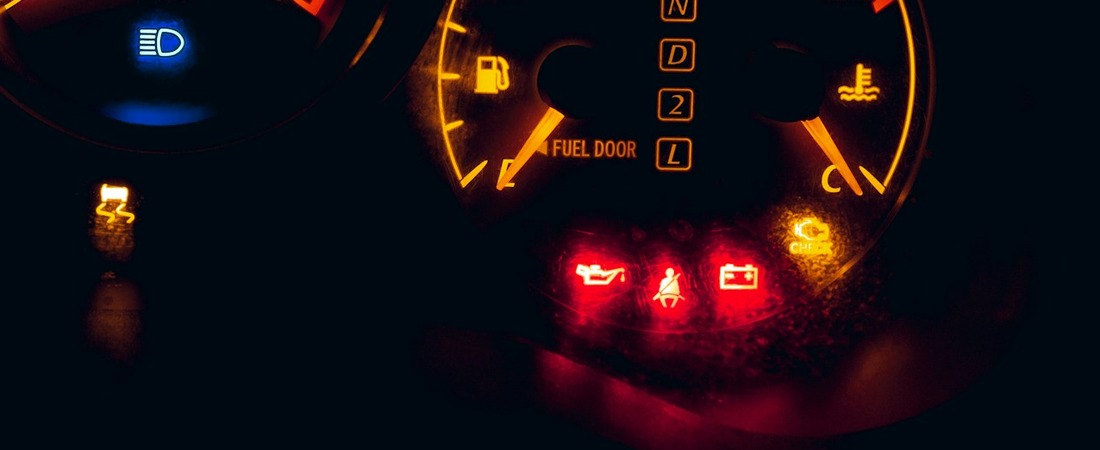
The oil warning light is a critical warning system located on the instrument panel of cars that tells the driver there is an abnormality in engine oil pressure. From the moment the engine starts running, the oil pump pushes the oil in the sump up to the highest points of the engine, creating a protective fluid film between moving parts such as the crankshaft, pistons and camshaft. Sensors called oil pressure switches constantly measure the fluid pressure inside this system and send it to the engine control unit.
When the pressure in the system falls below the minimum safe value specified by the manufacturer, the sensor detects this and warns the driver by turning on the oil light on the instrument panel. When this light comes on, it means there is a risk of the metal parts inside the engine rubbing against each other dry, in other words, that the system is running without oil. For the vehicle to keep running healthily, it is very important to heed this warning and find the source of the problem without losing time.
Why Does the Oil Warning Light Come On?
A drop in engine oil pressure and the triggering of the warning on the instrument panel can be caused by many different mechanical, electrical or maintenance-related reasons. Knowing the main factors behind this critical warning in the vehicle speeds up solving the problem and prevents permanent and severe damage that could occur in the engine.
Low Engine Oil Level
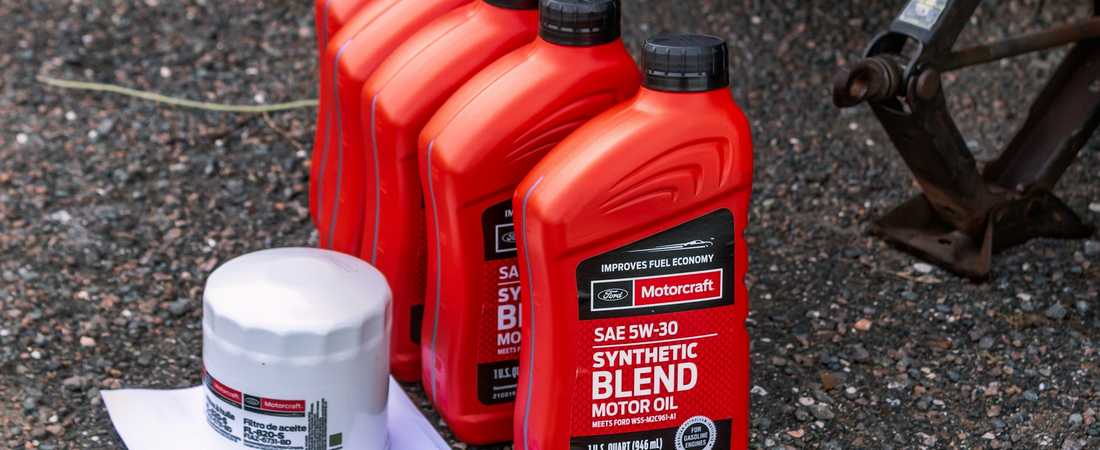
One of the most common situations that cause the oil warning light to come on is the amount of oil in the engine falling below a critical level. Over time, engines can lose oil by leaking it outside or into the combustion chamber due to reasons such as piston ring wear, gasket leaks, sump damage or turbo problems. When there is not enough fluid in the system, the oil pump cannot find oil to draw, sucks air into the system and the pressure drops suddenly. Low oil can be easily detected with a simple physical check using the dipstick.
Oil Pump Failures
The oil pump, which is the heart of the engine, is the main component responsible for taking oil from the sump and delivering it under pressure to the moving parts of the engine. Over time, wear on the pump's internal gears, a clogged pickup strainer or breaks in its shaft prevent the oil from being pumped at sufficient pressure. When the pump cannot do its job, fluid does not reach the upper parts even if the sump is full of oil, no pressure is built up and the warning light comes on.
Oil Pressure Switch (Sensor) Problems
The oil pressure switch located on the engine block, which constantly reads the oil pressure, can fail over time due to contamination, short circuits, corrosion or physical wear. When the sensor fails, it can send an incorrect signal to the engine control unit even if the pressure in the system is completely normal, causing the light to come on for no reason. Poor contact in the sensor wiring or breaks in the connectors are also common electrical causes of such misleading warnings.
Clogged Oil Filter
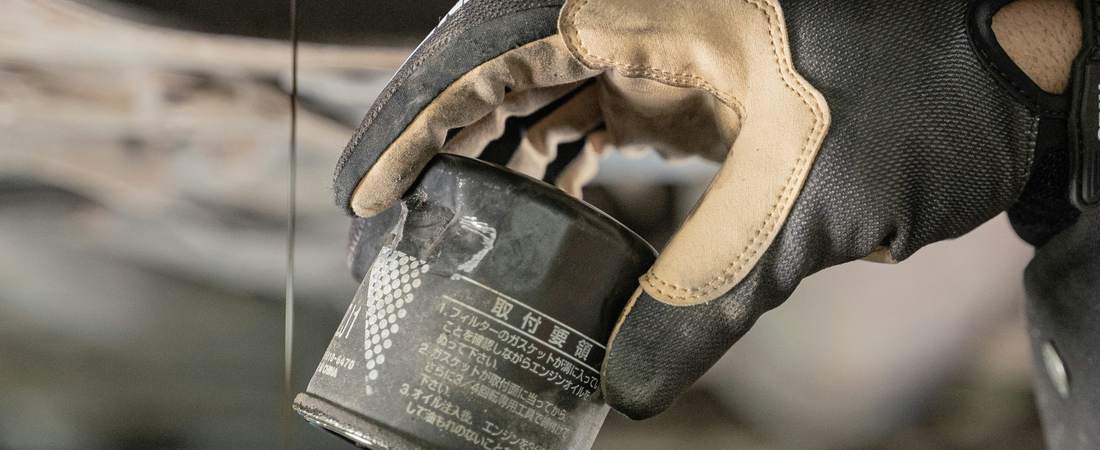
During circulation, engine oil constantly passes through the oil filter so that the metal shavings, soot, sludge and dirt in it can be removed. Filters that are not replaced on time during periodic maintenance, or poor-quality non-standard filters, become clogged due to excessive contamination and create serious resistance to oil flow. When not enough oil can pass through the filter, the pressure drops, and if the bypass valve does not open, the upper parts of the engine are left without oil, causing the warning light to come on.
Engine Oil Losing Its Properties
After a certain mileage or period of time, engine oil loses its chemical structure and its viscosity (resistance to flow), and becomes unable to do its lubricating job. When oil that has become too thin, is contaminated, has lost its properties or has the wrong viscosity that does not meet the standards set by the manufacturer is used, the pump cannot produce the required pressure. When warm engine oil becomes excessively fluid, like water, its ability to cling to surfaces decreases, and the pressure sensor detects this drop and immediately warns the driver.
What Should You Do When the Oil Warning Light Comes On?
An oil warning light that suddenly appears on the instrument panel while driving signals an emergency mechanical situation that needs to be dealt with within seconds. A few basic steps that drivers should calmly follow without panicking are the most important key to saving the vehicle's engine.
Stopping the Vehicle Safely
The first and most important move to make the moment the warning light comes on is to pull over as soon as possible without endangering traffic and switch the engine off completely. Every second the engine runs causes the metal parts that are left without oil to rub against each other and be destroyed. Bringing the engine speed down to idle by pressing the clutch in manual cars, or by selecting the appropriate position in automatics, and switching off the ignition is the first vital intervention that will immediately stop the damage from growing.
Checking the Engine Oil Level

After the vehicle has been pulled over to a safe place and the engine has been switched off, a few simple and practical steps need to be followed so that the oil level can be measured correctly. Not rushing during the oil check and waiting for the engine to cool down a little will give more accurate results.
- Make sure the vehicle is on completely flat, level ground.
- After switching the engine off, wait about 5-10 minutes for the oil in the upper part to drain into the sump.
- Open the bonnet, pull out the dipstick with the yellow or red handle and wipe it with a clean cloth.
- Insert the dipstick fully back into its tube and pull it out again to see whether the oil mark is between the minimum and maximum lines.
If the oil level is well below the minimum line or no fluid is visible on the dipstick at all, it is clear that the problem is caused by a lack of fluid and that oil needs to be added to the system.
Calling a Tow Truck and Going to a Service
If the light is on even though the oil level looks normal, or if the warning does not go out when the engine is started after the missing oil has been added, you should definitely not try to drive the vehicle again. In this case, the problem is probably caused by a deeper mechanical issue such as a pump failure, a faulty pressure switch or a blockage. The most correct and safest move is to call a tow truck, have the vehicle taken to a specialist service and have the problem diagnosed professionally with computerized test equipment.
Can You Keep Driving with the Oil Warning Light On?
Continuing to drive the vehicle with a red oil warning light on is one of the worst things that can be done to a car's mechanical system. Once the lubrication system stops working, destructive and irreversible friction problems begin to occur inside the engine in a very short time.
Risk of Spun Engine Bearings
The crankshaft inside the engine rotates on the bearings without touching metal, practically gliding on liquid, thanks to a very thin pressurized oil film. When the oil pressure drops, this protective film disappears instantly and direct metal-to-metal friction begins. The incredibly high heat produced as a result of excessive friction causes the bearings to melt and weld onto the crankshaft, in other words, the engine "spins a bearing", and the engine locks up and becomes completely unusable.
Piston and Cylinder Damage
The pistons move up and down inside the cylinder bores thousands of times per minute and need constant lubrication under these demanding operating conditions. When there is no oil, the friction between the piston rings and the cylinder walls increases dramatically and reaches dangerous levels. This severe friction can cause the pistons to melt, the cylinder walls to be deeply scored and ultimately the engine to lose compression and break a piston.
Costly Engine Overhauls
Trying to drive the vehicle with the oil light on, even for a short distance, with the thought "I'll get to the mechanic in a moment," turns a simple sensor or oil pump replacement into a complete engine rebuild. Rebuilding an engine that has spun a bearing, scored its crankshaft or melted a piston from the block up creates enormous costs that can reach hundreds of thousands of liras depending on the vehicle's make and model. For this reason, switching off the ignition the moment the light comes on is a life-saving move that protects not only the vehicle but also the driver's budget.
What Are the Differences Between the Yellow and Red Oil Warning Lights?
In modern cars with advanced instrument panels, warnings in two different colors, yellow (amber) and red, are used to indicate the type and severity of oil-related problems. The meanings these colors convey play a decisive role in how urgently the driver needs to intervene.
What Does the Yellow Oil Warning Light Mean?
A yellow or amber oil light is usually a preliminary warning indicating that there is no loss of oil pressure in the system, but that the oil level in the sump is approaching the minimum limit. When this light comes on, you do not have to stop the vehicle immediately in the middle of traffic, but at the first suitable opportunity and in a safe area, the bonnet should be opened and the engine oil level topped up. The yellow light reminds the driver that the situation has not yet reached a critical stage, but that the necessary checks and top-ups should be carried out as soon as possible.
What Does the Red Oil Warning Light Mean?
The red oil light is an emergency alarm showing that the vehicle's lubrication system has completely failed and that the engine oil pressure has dropped to zero or to a dangerously low level. Red is the highest-priority warning on a car's instrument panel, and the moment it comes on, it demands that the vehicle be pulled over and the engine stopped immediately. Ignoring or postponing the red warning causes the engine to reach the end of its mechanical life and suffer irreversible damage within seconds.
Frequently Asked Questions About the Oil Warning Light
When vehicle users encounter engine oil warnings while driving or idling, they may experience various confusions and concerns. The most frequently asked situations regarding oil pressure warnings, how this warning behaves and the technical facts behind it are detailed below.
Can You Continue Driving After the Oil Warning Light Goes Out?
If the light comes on while driving and then goes out by itself, this usually indicates that the oil level is sloshing in the sump in corners and dropping below the sensor, that there is an electrical contact problem in the pressure switch, or that the oil pump is intermittently losing pressure when the engine speed changes. Even if the light goes out, it is clear that there is a potential problem in the system, and rather than continuing as if nothing had happened, the safest course is to go to the nearest service and have a detailed fault diagnosis carried out. A light that goes out temporarily can suddenly come on permanently in the kilometers that follow and pave the way for the engine to seize.
Why Does the Oil Light Flicker While Idling?
When the engine is idling, the crankshaft speed is low, so the speed of the oil pump and therefore the fluid pressure it produces are also at the lowest level of the system. When the engine is fully warm, it may not be able to provide sufficient pressure at idle due to thinned oil, a worn pump, play in tired engine bearings or an oil pressure switch that has lost its sensitivity. If the light goes out when you press the accelerator and the engine speed rises, and starts flickering again when it drops back to idle, it means that serious wear has occurred inside the engine or that the oil pump has completely lost its efficiency.
Why Does the Warning Light Come On After an Engine Oil Change?
When the engine is started for the first time immediately after the engine oil and filter have been changed during periodic maintenance, it is normal for the warning light to stay on for about one to three seconds, because it takes a very short time for the newly fitted empty oil filter to fill and for the system to build up pressure again. However, if the light stays on for longer than a few seconds or does not go out at all, the fitted oil filter may be defective, the valve in the filter housing may be stuck or the viscosity of the oil used may be completely unsuitable for the vehicle. In this case, the engine should be switched off immediately and the maintenance work carried out should be checked.
How Much Does the Oil Warning Light Coming On Cost?
The cost depends entirely on the root cause of the fault and on how quickly the driver reacts to stop the vehicle after the light comes on. If the problem is only a faulty oil pressure switch or the low oil simply needs to be topped up, the cost is quite low. However, if stubbornly continuing to drive the vehicle even though the light is on has led to a spun bearing, a melted piston or the engine block breaking and being holed, the costs will rise as high as a full engine rebuild, reaching hundreds of thousands of liras and affecting the value of the vehicle.
In summary, the oil warning light is the life support unit of the engine, the heart of the vehicle, and it is at the top of the list of warnings that should never be ignored while driving. Although this warning has different causes, such as low oil in the sump, an oil pump failure, a faulty sensor or a clogged filter, the result is always the engine's need for urgent intervention. Pulling over safely and stopping the engine the moment the light comes on, carrying out the basic checks and getting professional service support if necessary both protects your driving safety and saves you from high repair costs that are hard to bear. Taking a conscious and cautious approach to the oil warnings on the instrument panel is the most fundamental condition for your car to stay on the road trouble-free, healthy and long-lived for years.