





The knock sensor is a critical safety and performance component in internal combustion engines that detects abnormal vibrations (knocking) resulting from premature or irregular ignition in the combustion chamber and reports them to the engine control unit (ECU). When this part fails, ignition timing cannot be properly adjusted, leading to severe performance losses, increased fuel consumption, engine hesitations, and mechanical damage. Promptly detecting such knocking conditions is of vital importance for the engine to continue running healthily and efficiently. Thoroughly understanding the operating principle, symptoms of failure, and causes of breakdown for this critical component will make a major difference in preventing much higher repair costs in the future.
What Is a Knock Sensor?

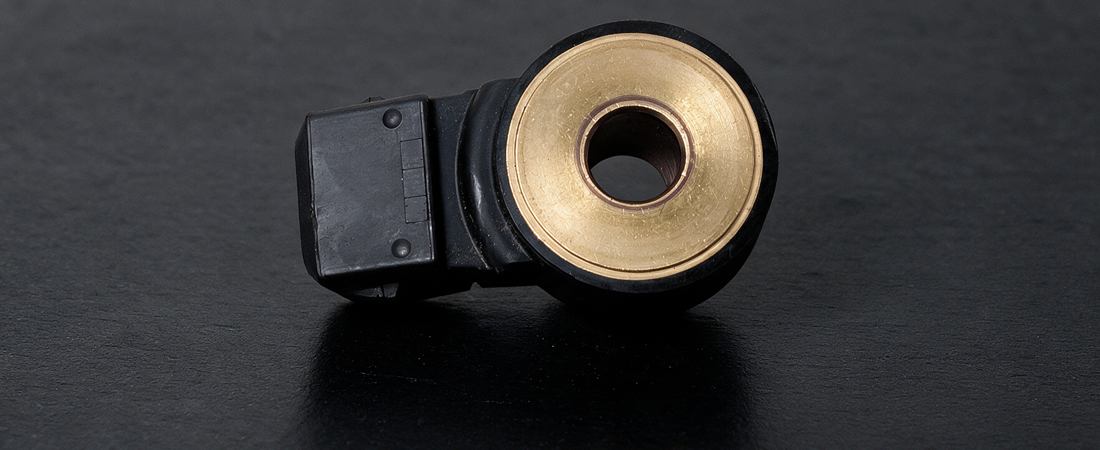
A knock sensor is an electronic component usually mounted tightly onto the engine block that converts mechanical vibrations into electrical signals using piezoelectric crystals inside. The air and fuel mixture in the engine's cylinders is designed to be ignited at the ideal millisecond by the spark plug's spark. However, in some cases, this mixture can ignite spontaneously and uncontrollably due to high temperature and pressure, independent of the spark plug. These uncontrolled combustions create opposing shock waves that collide within the cylinder, forming a characteristic vibration throughout the engine block.
The sensor is calibrated specifically to capture the vibrations and metallic ringing sounds generated by these opposing shock waves. It ignores the engine's normal operating frequencies and detects only tremors resulting from irregular combustion. These detected irregular vibrations are instantly converted into electrical voltage and transmitted to the engine computer for analysis. Thanks to this continuous data flow from the sensor, the engine remains safe under all conditions.
What Does a Knock Sensor Do?
The primary duty of the knock sensor is to ensure the fuel and air mixture burns most efficiently while protecting engine components from fatal mechanical damage. Premature ignition problems have the potential to inflict severe physical harm directly onto pistons, valves, piston rings, and the crankshaft. Detecting this dangerous condition within milliseconds, the sensor alerts the engine computer, which takes this warning into account and retards (delays) the ignition timing to eliminate the knocking.
Additionally, this component helps the engine automatically adapt itself to fuels with different octane ratings. For instance, when low-octane, poor-quality fuel is filled into the vehicle, the engine's tendency to knock increases rapidly. The sensor detects this immediately, alters the ignition map, and allows the engine to produce maximum performance within safe limits using the current fuel type. Thus, both engine mechanics are protected and emission values are kept balanced.
How Does a Knock Sensor Work?
The internal structure of the knock sensor contains piezoelectric crystal materials that are extremely sensitive to pressure and mechanical vibration. When a tremor or impact occurs within a specific frequency range (usually between 5 and 15 kHz) on the engine block, these crystals come under physical pressure and compress. Thanks to piezoelectric properties, this physical compression process turns into a small electrical voltage. Standard noises generated during routine engine operation are filtered out, and only frequencies specific to knocking trigger this voltage production.
This weak electrical signal at the millivolt level is transmitted directly to the engine control unit via a wiring harness. Analyzing the intensity, timing, and current RPM of the engine from the incoming signal, the control unit pinpoints which cylinder has irregular combustion. Then, it temporarily alters the ignition timing of the corresponding cylinder, eliminating the dangerous shock waves. Once the danger passes and combustion balances out, the ignition system returns to its factory settings.
How to Identify a Knock Sensor Failure?
Because the loss of function in a knock sensor directly leads to deterioration in engine combustion dynamics, it manifests itself through various physical and electronic symptoms in the vehicle. While these symptoms significantly affect driving comfort, they also create obvious changes on the vehicle's instrument panel or performance curve. The primary situations indicating sensor failure that can be noticed by the driver are as follows:
Loss of Engine Performance and Reduced Traction
When the engine computer cannot receive healthy or consistent data from the knock sensor, it takes precautions to protect the engine and pulls ignition timing into a safe, restricted mode (limp mode). This situation causes the responses you give to the accelerator pedal to weaken noticeably. You may feel that the engine cannot produce its former power, especially when climbing hills, overtaking, or during situations requiring instant acceleration. In turbocharged vehicles, power and torque production drop to a level that bothers the driver as turbo boost is also dialed back.
Increased Fuel Consumption
Deviating from ideal ignition timing means that the fuel sprayed into the cylinder cannot be fully converted into energy. When the knock sensor is faulty, the engine computer cannot optimize combustion and usually enriches the fuel mixture to stay on the safe side. Furthermore, a driver wanting to compensate for the experienced loss of performance feels the need to step on the gas pedal much more than before. As a result, the vehicle's fuel economy deteriorates significantly due to unburned fuel being expelled from the exhaust and extra acceleration inputs.
Engine Light Illuminating
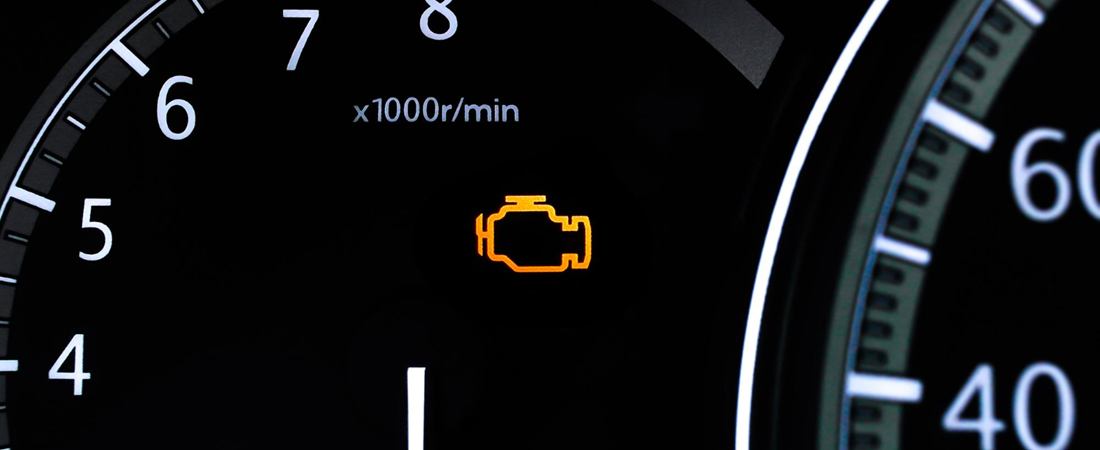
Electronic systems of modern vehicles continuously monitor in real time whether values from all sensors fall within factory tolerances. When the knock sensor completely stops sending signals, short-circuits, or continuously reads unusual frequencies, the engine control unit logs this as a fault in its memory. To warn the driver, a yellow check engine light illuminates on the instrument panel. In this situation, connecting an OBD-II diagnostic tool to the vehicle typically displays fault codes such as "P0325" and similar knock sensor circuit malfunction codes.
Abnormal Noises from the Engine (Knocking Noise)
When the sensor deactivates or measures incorrectly, premature combustions inside the engine cannot be addressed immediately. These early detonations create opposing waves that forcefully strike metal parts like pistons and valves inside the cylinder. Especially when heavy throttle is applied at low engine RPMs, metallic sounds resembling ringing, pinging, or rolling marbles emerge that can easily be heard even from the driver's cabin. Referred to as engine knocking, this sound is the clearest sensory evidence of mechanical fatigue and failure.
Misfiring and Hesitation During Acceleration
The precise ignition and fuel balance required by the engine during acceleration can change constantly due to inconsistent signals sent by a faulty sensor. Instead of RPMs rising smoothly while the vehicle attempts to accelerate, fluctuations, cut-offs, or momentary drops occur. Annoying misfire issues described as momentary power losses, vibrations, or jerking are observed in the engine. Unequal and unbalanced combustion across cylinders directly jeopardizes driving comfort and safety.
Why Does a Knock Sensor Fail?
Although knock sensors are durable and long-lasting components by nature, they can lose their functionality over time due to harsh environmental conditions on the engine block. External factors leading to sensor failure or faulty readings directly determine the component's lifespan. The root causes behind these failures need to be examined in detail.
Overheating and Thermal Shocks
By operating principle, the knock sensor is mounted directly onto the engine block and is therefore continuously exposed to extremely high temperatures. Over years of use, constant heating and cooling cycles cause fatigue in the delicate piezoelectric components and outer casing inside the sensor. In particular, engine overheating resulting from a failure in the vehicle's cooling system exceeds the heat limits the sensor can tolerate, causing its internal structure to melt or crack completely.
Corrosion and Oxidation at Sensor Connections
The operating environment under the hood is highly exposed to water splashes, moisture, steam, leaking engine oil, and chemicals such as antifreeze. Over time, oxidation and corrosion occur on the sensor's wiring connectors or conductive metal pins due to fluid contact. These oxidized connection points prevent the very weak electrical signal at the millivolt level produced by the sensor from reaching the engine computer, giving a failure in the system due to a communication breakdown even if the part itself is intact.
Breaks or Short Circuits in Wiring
Wiring harnesses providing data communication between the sensor and the engine control unit can be adversely affected by continuous engine vibration, extreme heat, or external interventions. Wire insulation hardening and cracking due to high heat causes internal wires to touch each other or the engine casing, resulting in short circuits. At the same time, straining wires during vehicle maintenance, part replacements, or engine washing with pressurized water sets the stage for breaks and complete signal loss.
Installation with Incorrect Torque
When securing the knock sensor to the engine block, tightening it to the specific torque value specified in the vehicle manufacturer's service manual is of vital importance. If the sensor is overtightened, its body and internal crystal structure can crack or lose sensitivity completely due to excessive pressure. Conversely, if the sensor is left loose in its seat, it cannot read true engine vibrations accurately and perceives extra rattling caused by its own looseness as knocking, sending erroneous signals to the system.
Physical Damage to the Sensor
Engine overhauls, clutch replacements, accidents, or severe impacts taken from beneath the vehicle can directly harm the physical integrity of the sensor. In situations where a heavy tool drops onto the sensor during repairs, it is struck with a hammer, or a wrench slips and hits it during disassembly, the sensor's outer body may crack. A sensor that sustains physical damage, suffers ruined insulation, or undergoes body deformation quickly fails because it cannot read vibrations correctly.
Does a Knock Sensor Failure Damage the Engine?
Ignoring a knock sensor failure for an extended period leads to extremely destructive mechanical consequences in internal combustion engines. When the sensor fails to perform its duty, the engine control unit cannot detect premature ignitions and cannot intervene in timing adjustments. These irregular and uncontrolled detonations inside the cylinder create extreme temperature and pressure spikes on piston surfaces.
This high pressure and temperature condition over time can lead to melted pistons, broken piston rings, bent valves, blown cylinder head gaskets, and even severe damage to the crankshaft. An engine running continuously with knocking and metallic pinging can sustain severe damage quickly, requiring a full engine overhaul. Therefore, resolving a sensor failure as soon as possible is a procedure that should not be postponed for overall engine health and service life.
How to Test and Replace a Knock Sensor?
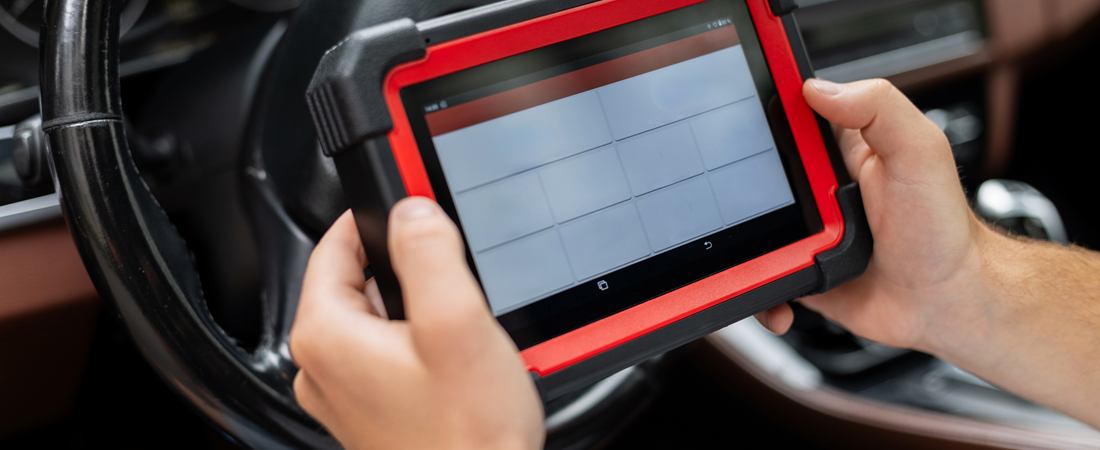
To inspect the overall condition of a knock sensor and replace it once confirmed faulty, professional steps must be followed. Using a multimeter (AVO meter) and suitable socket sets, this component can be diagnosed and safely replaced with a new one.
- The sensor's electrical connector is carefully removed, and a multimeter set to millivolts or AC voltage is connected across its terminals.
- Lightly tapping a metal hand tool (such as a wrench) near the sensor on the engine block creates vibration, and whether the multimeter generates voltage is observed on the screen.
- If no voltage fluctuation occurs on the screen during tapping, the sensor is deemed faulty and removed from its seat using an appropriately sized socket wrench.
- The new replacement sensor must be secured to its cleaned seat on the engine block strictly adhering to torque values specified in the manufacturer's service manual using a torque wrench.
- After firmly seating the sensor's wiring connector, a diagnostic (OBD) tool is connected to the vehicle computer, and old fault codes in the system are cleared completely.
After completing these steps, the repair process is successfully finalized by conducting a comprehensive test drive with the vehicle to inspect engine operating characteristics, traction power, and whether the check engine light illuminates again.
Frequently Asked Questions About the Knock Sensor
Vehicle owners wonder about many details regarding this critical component to protect driving safety and engine performance. Answers to the most frequently asked questions about knock sensor usage during failure, maintenance, and its relationship with other vehicle systems allow drivers to act more consciously.
Can a Vehicle Be Driven with a Faulty Knock Sensor?
While the sensor is faulty, the vehicle can technically continue to run, idle, and move; however, continuing to drive the vehicle this way is strictly not recommended. Even if the engine computer enters safe mode, the probability of knocking increases during prolonged high-RPM driving, putting internal engine components at risk. Except for driving the vehicle at low RPMs without stressing the engine to the nearest repair shop, continuing daily driving routines with a faulty sensor carries major mechanical hazards.
Can a Knock Sensor Be Cleaned?
Because the internal mechanism of a knock sensor has a factory-sealed, enclosed structure, physically disassembling the sensor to clean its interior or repair it is impossible. Only heavy engine oil and dirt layers accumulated on its outer casing or metal oxidation on connector pins can be cleaned off the surface using a high-quality electronic contact cleaner. If the problem stems from the piezoelectric structure or damaged crystals inside the sensor, external cleaning will be of no use, and the component must be replaced with a new one.
Where Is the Knock Sensor Located on the Engine?
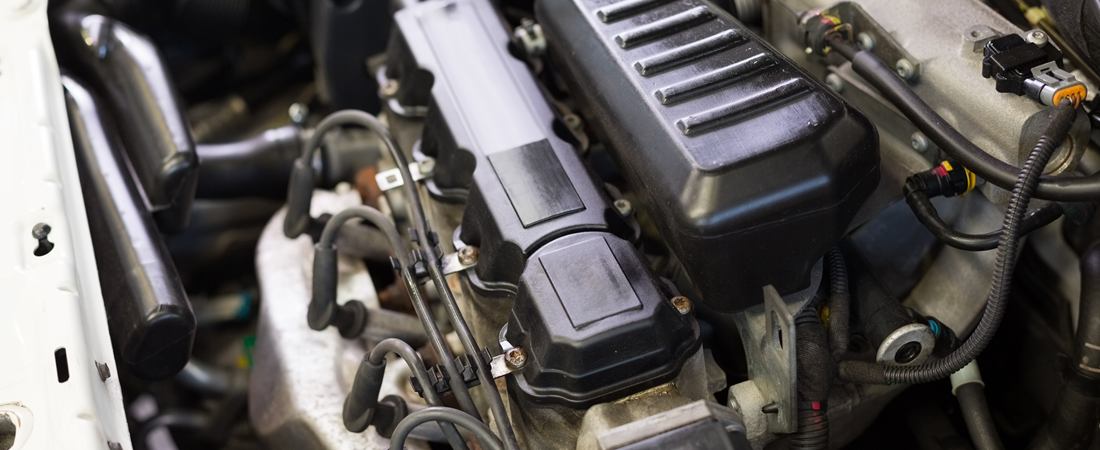
Although the exact location of the sensor varies slightly depending on the vehicle's make, model, and engine displacement, it is generally bolted onto the engine block—a solid surface where it can best detect cylinder vibrations. In standard four-cylinder inline engines, it is mostly located near the middle on the intake manifold side, whereas in V-type engines such as V6 or V8, it can be found as dual sensors in the valley space between cylinder banks or near both cylinder heads. Consulting vehicle technical diagrams or repair manuals is the most accurate method to locate it precisely.
What Happens If the Knock Sensor Is Canceled/Bypassed?
Deleting this sensor via software or unplugging it hardware-wise to disable it is virtually a suicidal move for engine mechanics. When the sensor is completely canceled, the engine will not notice dangerous premature ignitions occurring while driving and will not be able to intervene in ignition timing. Consequently, catastrophic engine failures known as melted pistons, bent valves, or thrown rods will become inevitable before the driver even realizes the situation.
Are Knock Sensor Failures More Common in LPG Vehicles?
Although LPG structurally possesses a higher octane rating than gasoline, it generates much higher temperatures in the combustion chamber. Incorrect gas settings or operating on a lean mixture in vehicles fitted with LPG kits brings in-cylinder temperatures to dangerous levels, greatly increasing the tendency to knock. This situation causes the sensor to tire by constantly sending warnings, and its outer casing can degrade faster than its standard lifespan due to high heat, leading to failure.
In summary, whether gasoline or LPG, to avoid sacrificing your vehicle's performance and driving comfort while protecting your engine from thousands of dollars in repair costs, you should never ignore knock sensor failure symptoms and dashboard warnings, and resolve the issue at the first opportunity by consulting a specialized service center.