




- What Does Water Coming from the Exhaust Mean?
- Why Does Water Come from the Exhaust?
- Condensation in the Exhaust System
- Water Dripping from the Exhaust in Cold Weather
- Using the Engine for Short Trips
- Water Vapor Produced by Fuel Combustion
- When Is Water Coming from the Exhaust Normal?
- Water Coming from the Exhaust When the Vehicle Is First Started
- Water Dripping Stopping After the Engine Warms Up
- Water Coming from the Exhaust in Winter
- When Is Water Coming from the Exhaust a Sign of a Fault?
- Water Constantly Coming from the Exhaust Even When the Engine Is Warm
- Thick White Smoke Coming from the Exhaust Along with Water
- Engine Coolant Constantly Running Low
- Engine Overheating
- Changes in the Color and Consistency of the Engine Oil
- Which Faults Can Cause Water to Come from the Exhaust?
- Cylinder Head Gasket Failure
- Crack in the Cylinder Head or Engine Block
- Coolant Leaking into the Combustion Chamber
- Water Collecting in the Exhaust System
- What Does Water and White Smoke from the Exhaust Mean?
- What Should You Do If Water Is Coming from the Exhaust?
- Check the Engine Coolant Level
- Monitor the Engine Temperature and the Temperature Gauge
- Check the Color of the Exhaust Smoke
- Take the Vehicle to a Service If the Symptoms Continue
- Frequently Asked Questions About Water Coming from the Exhaust
- Is Water Dripping from the Exhaust Normal?
- Is Water Coming from the Exhaust Normal in a Petrol Car?
- Is Water Coming from the Exhaust Normal in a Diesel Car?
- Why Does a Lot of Water Come from the Exhaust?
- Is Water and White Smoke from the Exhaust Dangerous?
- Does Water from the Exhaust Mean the Head Gasket Has Blown?
- Can You Keep Driving When Water Is Coming from the Exhaust?
Water coming from the exhaust is normal in most cases and is caused by the water vapor produced while the engine is running condensing inside the exhaust system. In particular, a few drops of water coming out of the exhaust when the vehicle is first started, in cold weather or during short trips are usually not a sign of a fault. However, if water keeps coming even though the engine has fully warmed up, thick white smoke is seen, the coolant is running low or the vehicle is overheating, a problem with the engine and cooling system needs to be investigated.
What Does Water Coming from the Exhaust Mean?
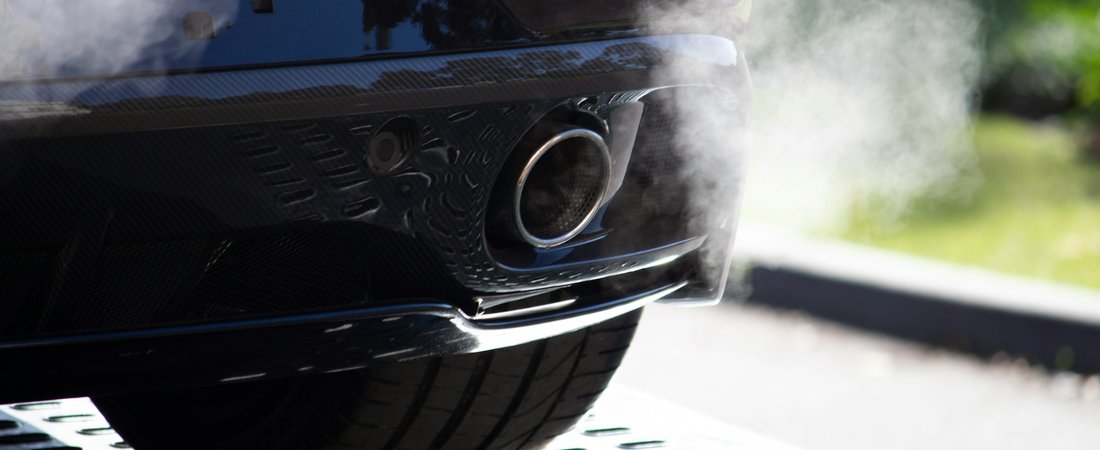
Water coming from the exhaust does not, on its own, mean that there is an engine fault. When petrol or diesel fuel burns inside the engine, water vapor is produced along with various exhaust gases. When the exhaust system and the outside environment are cold, this water vapor can condense into liquid and drip from the end of the exhaust pipe.
For this reason, a small amount of water seen especially at the first start in the morning is usually a natural situation. When evaluating the problem, the amount of water, how long it continues, the color of the exhaust smoke, the engine temperature and changes in the coolant level should all be taken into account together.
Why Does Water Come from the Exhaust?
The most common reason for water coming out of the exhaust is the engine's normal combustion process and condensation inside the exhaust. However, the way the vehicle is used and the air temperature can also affect the amount of water that collects in the exhaust.
Condensation in the Exhaust System
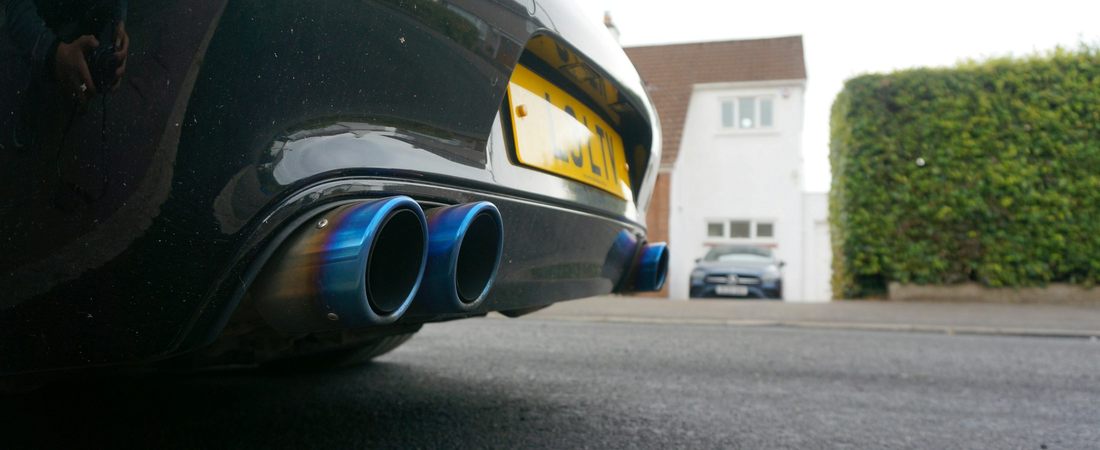
The hot exhaust gases produced while the engine is running are exposed to a temperature difference as they pass through the exhaust pipes and silencer, especially when these are cold. When the water vapor in the exhaust gases comes into contact with cold metal surfaces, it can condense and turn into liquid water.
The collected water moves toward the exhaust outlet due to the slope of the exhaust pipe and the pressure created by the gases. This is one of the main reasons a few drops of water come from the exhaust when the vehicle is first started.
Water Dripping from the Exhaust in Cold Weather
In the winter months and at low air temperatures, the temperature of the exhaust system also drops. When the engine starts running, the temperature difference between the hot exhaust gases and the cold exhaust system increases, so condensation becomes more noticeable.
For this reason, in the winter months, water dripping from the exhaust may be accompanied by light white water vapor. This appearance is expected to decrease as the engine and exhaust system reach operating temperature.
Using the Engine for Short Trips
If the vehicle is constantly used for short trips, the exhaust system may not reach a high enough temperature for the water formed inside it to evaporate completely. For example, on city journeys of a few kilometers, even if the engine warms up, the entire exhaust system may not stay hot for long enough.
As a result of this pattern of use, more moisture can collect in the silencer and exhaust pipes. When the vehicle is started later, the collected water can be seen dripping from the exhaust.
Water Vapor Produced by Fuel Combustion
Burning fuels such as petrol, diesel and LPG in internal combustion engines produces various combustion products. In addition to carbon dioxide, water vapor is also one of the natural products of this process.
When the engine is hot, this water is largely expelled from the exhaust as vapor. When the exhaust system or the outside air is cold enough, however, the vapor can condense and turn into visible water droplets.
When Is Water Coming from the Exhaust Normal?
To understand whether the water coming from the exhaust can be considered normal, you should look at when the situation started and how long it lasts. Temporary and small amounts of water are usually related to condensation.
Water Coming from the Exhaust When the Vehicle Is First Started
Water dripping from the exhaust when the vehicle is first started, especially after being parked for a long time, is a common situation. Water vapor formed while the exhaust system is cold can condense quickly.
As the engine continues to run, the exhaust system warms up and the collected moisture is expelled. If there is no other abnormal symptom, a few drops of water seen at the first start are usually nothing to worry about.
Water Dripping Stopping After the Engine Warms Up
If the water coming from the exhaust decreases or stops completely after the engine and exhaust system have warmed up, the situation mostly points to normal condensation.
When the exhaust temperature rises, most of the water formed is expelled as water vapor without turning into liquid. For this reason, the dripping stopping after the vehicle reaches its normal operating temperature is an important point of distinction.
Water Coming from the Exhaust in Winter
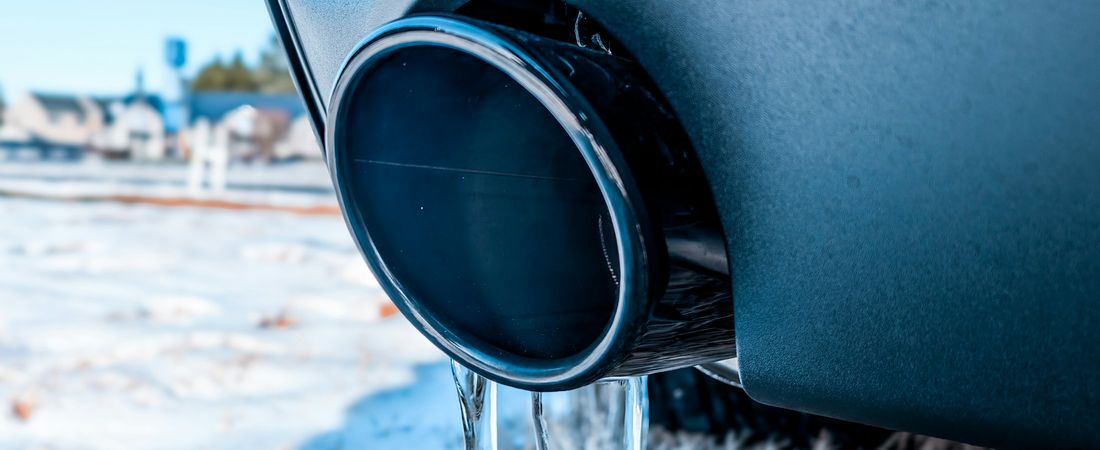
Since low air temperatures increase condensation, water coming from the exhaust can be seen more often in the winter months than in summer. Especially in the morning, a thin white vapor may come out along with water droplets.
If the white appearance disappears as the engine warms up and there are no other symptoms in the vehicle such as coolant loss, irregular running or overheating, it is usually considered normal.
When Is Water Coming from the Exhaust a Sign of a Fault?
Some engine problems can also cause water to come from the exhaust. In particular, if the water comes constantly and is accompanied by other engine symptoms, the evaluation should not be based only on the possibility of condensation.
Water Constantly Coming from the Exhaust Even When the Engine Is Warm
If a noticeable amount of water continues to come from the exhaust even though the engine has been running for a long time and has reached its normal operating temperature, the situation should be checked. Water caused by normal condensation usually decreases significantly after the exhaust system warms up.
Constant and large amounts of water, especially if they appear together with other symptoms, may require problems such as coolant reaching the combustion chamber to be investigated.
Thick White Smoke Coming from the Exhaust Along with Water
The thin white vapor that forms when the engine is cold and the thick white smoke that continues after the engine has warmed up should not be evaluated in the same way. Thick and constant white smoke when the engine is hot may be related to coolant leaking into the cylinders.
In particular, if the white smoke is accompanied by coolant loss or a rise in engine temperature, it is important to have the vehicle technically inspected.
Engine Coolant Constantly Running Low
If the coolant level in the expansion tank drops regularly but no visible leak can be found under the vehicle or in the engine compartment, the possibility of an internal leak can be considered.
If parts such as the cylinder head gasket are damaged, coolant can leak into the combustion chamber and be expelled from the exhaust as water vapor. For this reason, it is useful to check the coolant level at regular intervals while the engine is completely cold.
Engine Overheating
The temperature gauge rising while an abnormal amount of water or thick white smoke is coming from the exhaust can be a sign of a more serious problem. A drop in the fluid in the cooling system can make it harder to keep the engine temperature under control.
If an overheating warning appears, continuing to push the vehicle can make the engine damage worse. The vehicle should be stopped at a safe point, and the radiator or cooling system cap should not be opened while the engine is hot.
Changes in the Color and Consistency of the Engine Oil
Coolant mixing with the engine oil can lead to changes in the oil's color and consistency. Noticing a light brown or creamy appearance that is different from normal on the oil filler cap or dipstick can, in some cases, indicate that coolant and oil have mixed.
However, since moisture-related deposits can also form on the oil filler cap, especially in vehicles used for short trips, a definitive fault diagnosis should not be made based on a single symptom.
Which Faults Can Cause Water to Come from the Exhaust?
Apart from normal condensation, problems that can cause excessive water or water vapor to come from the exhaust are mostly related to the loss of sealing between the engine's cooling system and the combustion chambers.
Cylinder Head Gasket Failure
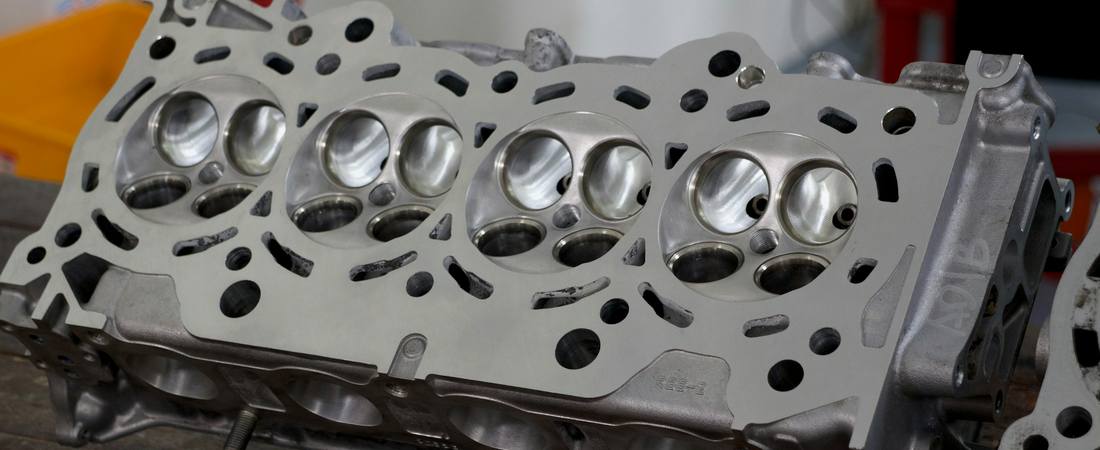
The cylinder head gasket sits between the engine block and the cylinder head and helps keep the combustion chambers, engine oil passages and coolant passages separate from each other.
When the gasket is damaged, coolant can leak into the combustion chamber. In such a case, symptoms such as thick white smoke from the exhaust, coolant loss, overheating and irregular engine performance can be seen.
Crack in the Cylinder Head or Engine Block
Serious engine problems such as overheating can, in some cases, lead to deformation and cracks in the cylinder head or engine block. These cracks can allow coolant to pass into areas where it should not normally be.
If coolant reaches the combustion chamber, thick water vapor can come from the exhaust. For a definitive diagnosis, a pressure test, a leak-down test and other checks on the engine need to be carried out by a specialist service.
Coolant Leaking into the Combustion Chamber
Coolant entering the combustion chamber does not depend on a single part. Sealing problems in the cylinder head gasket, the cylinder head or the engine block can lead to this situation.
The fluid entering the cylinder heats up during combustion, turns into vapor and leaves with the exhaust gases. In this case, the vapor coming from the exhaust is usually not temporary and a drop in the coolant level may also be seen.
Water Collecting in the Exhaust System
Water in the exhaust system does not always mean an internal engine fault. Constant short-distance use, low air temperatures and the exhaust system not warming up sufficiently can cause condensation water to collect inside the silencer.
The collected water can be expelled from the exhaust outlet over time. However, moisture that remains in the exhaust for a long time can accelerate corrosion, depending on the structure and material of the system.
What Does Water and White Smoke from the Exhaust Mean?
The meaning of seeing white smoke or vapor along with water from the exhaust varies according to the engine temperature. The thin white vapor coming from a vehicle just started in cold weather is mostly caused by the condensation of water vapor in the exhaust gas. This appearance is expected to disappear as the engine warms up.
On the other hand, if thick white smoke continues even though the vehicle has reached its normal operating temperature, and this is accompanied by excess water from the exhaust, falling coolant, irregular engine running or overheating, the possibility of coolant leaking into the combustion chamber should be investigated. It is not right to make a definitive diagnosis by looking only at the color of the smoke; the symptoms need to be evaluated together.
What Should You Do If Water Is Coming from the Exhaust?
When you notice water from the exhaust, you should first try to understand whether this is normal condensation or a sign of a possible fault. The vehicle's engine temperature, the coolant level and the smoke coming from the exhaust provide important clues in this evaluation.
Check the Engine Coolant Level
Check the coolant level in the expansion tank while the engine is completely cold. The level should be between the minimum and maximum marks specified by the vehicle manufacturer.
If the coolant runs low again and again, the cause of the leak should be determined instead of simply adding fluid and continuing to drive. Since opening the pressurized cooling system cap while the engine is hot can cause a risk of burns, the check should be done when the engine is cold.
Monitor the Engine Temperature and the Temperature Gauge
Keep an eye on the engine temperature gauge while driving. The gauge rising above normal values or the overheating warning light coming on can indicate a problem in the cooling system.
If thick white smoke or an abnormal amount of water is coming from the exhaust while the engine is also overheating, it is better to stop safely rather than continue driving the vehicle.
Check the Color of the Exhaust Smoke
Pay attention to whether what is coming from the exhaust is thin water vapor or thick and constant smoke. The thin white vapor that forms in cold weather usually decreases after the engine warms up.
Thick white smoke continuing when the engine is hot, especially if it is seen together with coolant loss, requires a more detailed check. Blue or black exhaust smoke, on the other hand, may be related to different engine and fuel system problems.
Take the Vehicle to a Service If the Symptoms Continue
If the water coming from the exhaust does not stop after the engine warms up, the coolant keeps running low, thick white smoke is seen or the engine overheats, a professional service check is needed.
At the service, the source of the problem can be determined by carrying out a cooling system pressure test, a cylinder leak-down test and other necessary checks. An early check can prevent a small sealing problem from turning into more serious engine damage.
Frequently Asked Questions About Water Coming from the Exhaust
Seeing water from the exhaust is one of the situations drivers frequently encounter, especially in the winter months. When distinguishing normal condensation from an engine fault, how long the water continues and the other accompanying symptoms are important.
Is Water Dripping from the Exhaust Normal?
Yes, a small amount of water dripping from the exhaust when the vehicle is first started or when the weather is cold is usually normal. The water vapor formed by burning fuel condenses into liquid inside the cold exhaust system. If the dripping decreases or stops after the engine warms up, there is usually no problem.
Is Water Coming from the Exhaust Normal in a Petrol Car?
In petrol vehicles, a small amount of water coming from the exhaust can be normal. Water vapor is produced when petrol burns and can condense, especially in a cold exhaust system, and come out as droplets. If heavy water and white smoke continue after the engine warms up, a check may be needed.
Is Water Coming from the Exhaust Normal in a Diesel Car?
Since water vapor is also produced by combustion in diesel vehicles, water dripping from the exhaust can be seen. Temporary water that appears especially at the first start and in cold weather is usually normal. If there are additional symptoms such as constant water, coolant loss or thick white smoke, the vehicle should be checked.
Why Does a Lot of Water Come from the Exhaust?
A lot of water coming out of the exhaust can be caused by heavy condensation, water that has collected inside the exhaust system or some engine and cooling system problems. Constantly using the vehicle for short trips can also cause more water than normal to collect in the exhaust.
If a large amount of water continues to come out after the engine has fully warmed up and the coolant is running low, a technical check needs to be carried out.
Is Water and White Smoke from the Exhaust Dangerous?
It is not always dangerous. Water and thin white vapor seen when the engine is cold are mostly the result of normal condensation. However, if thick white smoke continues even though the engine is warm, the coolant is running low or the vehicle is overheating, there may be a serious engine problem.
Does Water from the Exhaust Mean the Head Gasket Has Blown?
No. Water coming from the exhaust does not on its own show that the cylinder head gasket has blown. Normal combustion and condensation can also cause water to come out of the exhaust.
With a cylinder head gasket failure, in addition to water, symptoms such as thick and constant white smoke, a regular drop in coolant, overheating, irregular engine running or signs of oil and coolant mixing may be seen. A definitive diagnosis should be made with service tests.
Can You Keep Driving When Water Is Coming from the Exhaust?
If only a few drops of water come from the exhaust at the first start and this disappears as the engine warms up, the vehicle can usually be used normally. Temporary water dripping in cold weather is mostly related to natural condensation.
On the other hand, if there are symptoms such as constant and excessive water from the exhaust, thick white smoke, coolant loss or overheating, continuing to drive the vehicle can make the engine damage worse. With these symptoms, having the vehicle technically checked is the safest approach.