





- What Does Steering Wheel Vibration Mean?
- What Causes Steering Wheel Vibration?
- Tire Imbalance
- Bent or Damaged Rims
- Uneven or Excessive Tire Wear
- Poor Wheel Alignment
- Warped Brake Discs
- Wear in Tie Rod Ends and Ball Joints
- Shock Absorber and Suspension Part Failure
- Drive Shaft and CV Joint Problems
- Worn Wheel Bearings
- Steering Rack or Steering System Failure
- In Which Situations Does Steering Wheel Vibration Occur?
- Steering Wheel Vibration at High Speed
- Steering Wheel Vibration at Low Speed
- Steering Wheel Vibration When Braking
- Steering Wheel Vibration When Accelerating
- Steering Wheel Vibration in Certain Speed Ranges
- Which Parts Should Be Checked for Steering Wheel Vibration?
- Tires and Tire Pressures
- Rims
- Wheel Alignment and Balancing
- Brake Discs and Pads
- Tie Rod Ends and Ball Joints
- Shock Absorbers and Control Arms
- Drive Shafts and Joints
- Wheel Bearings
- Steering Rack and Linkage Components
- How Can Steering Wheel Vibration Be Fixed?
- Is Steering Wheel Vibration Dangerous?
- Frequently Asked Questions About Steering Wheel Vibration
- Why does the steering wheel vibrate at high speed?
- Why does the steering wheel vibrate above 100 km/h?
- Why does the steering wheel vibrate when braking?
- Does the steering wheel vibrate if the wheels are out of balance?
- Does poor wheel alignment cause steering wheel vibration?
- How can you tell if steering wheel vibration is caused by the tires?
- Can a bent rim cause steering wheel vibration?
- Can a drive shaft failure cause the steering wheel to vibrate?
- Can you keep driving with steering wheel vibration?
Steering wheel vibration can occur due to tire and wheel rim problems, wheel alignment and balancing faults, deformation in the brake discs, wear in suspension parts or steering system failures. The speed and driving conditions under which the vibration occurs are important clues for determining the source of the problem. In particular, vibrations that occur at high speed, during braking or while accelerating may require different parts to be checked.
What Does Steering Wheel Vibration Mean?
Steering wheel vibration is a shaking or vibration felt in the steering wheel in an unusual way while the vehicle is moving. It can be seen at different levels, from a slight vibration to the steering wheel noticeably moving left and right. The source of the problem is mostly related to the wheels, tires, rims, brake system or front-end parts.
Whether the vibration is constant, or whether it appears only at certain speeds or only during braking, is just as important. For example, vibration that starts at high speeds may suggest balancing problems, while vibration that occurs when the brake pedal is pressed may be related to the brake discs. For this reason, not only noticing that the steering wheel is vibrating but also observing the conditions under which the vibration occurs makes fault diagnosis easier.
What Causes Steering Wheel Vibration?
There is no single cause of steering wheel vibration. Wear, misadjustment or damage that can occur in many mechanical parts, from the vehicle's wheels to the steering rack, can be reflected in the steering wheel as vibration. To fix the problem properly, the tires, rims, wheel alignment and balancing, brakes and front-end components in particular need to be evaluated together.
Tire Imbalance
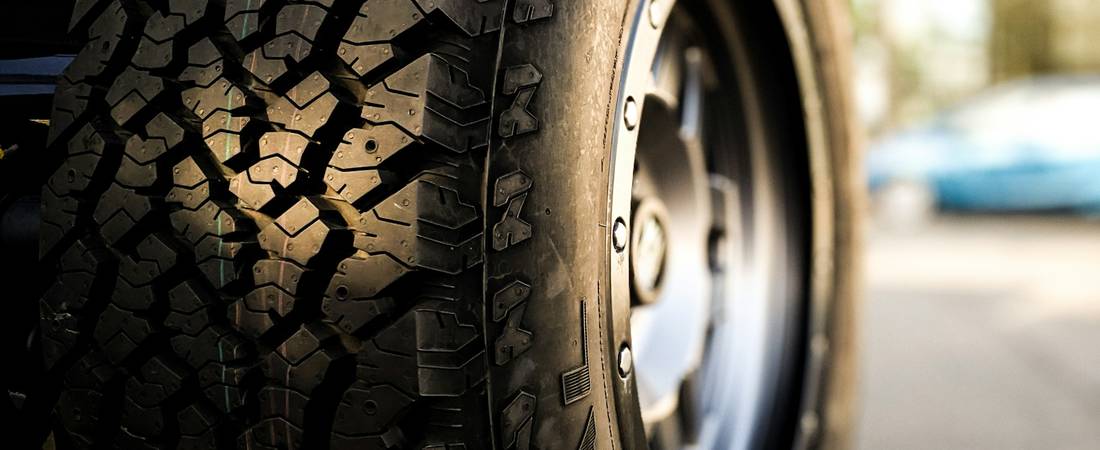
When the weight distribution of the tire and rim assembly is not even, the wheel can create vibration as it rotates. Imbalance is felt more clearly in the steering wheel, especially when the vehicle goes above a certain speed.
For vibrations that usually increase at speeds of around 80-120 km/h and decrease when the speed is reduced, wheel balancing is one of the first things checked. When proper balancing is carried out, the wheel rotates more evenly and balance-related vibration can largely disappear.
Bent or Damaged Rims
Hitting a pothole hard, striking a curb or driving on rough roads can distort the shape of the rim. A bent or impacted rim can cause steering wheel vibration because it cannot form a true axis of rotation as the wheel turns.
When the deformation in the rim is small, it may not be noticeable to the eye. For this reason, a measurement on a balancing machine or a check of the rim's rotation by a specialist may be necessary. Depending on the level of damage, the rim can be straightened or may need to be replaced.
Uneven or Excessive Tire Wear
The tire surface not wearing evenly can create an imbalance in the wheel's contact with the road. In particular, more wear in certain areas of the tire, sawtooth-shaped surface irregularities or deformations in the tire structure can lead to vibration.
Incorrect tire pressure, poor wheel alignment or suspension problems may be behind uneven wear. For this reason, rather than just replacing the worn tire, it is important to also check the mechanical problems causing the wear.
Poor Wheel Alignment
Wheel alignment ensures that the wheels are positioned at the correct angle relative to each other and to the road surface. When the alignment is off, the vehicle may struggle to drive straight, the steering may pull to one side or the tires may wear unevenly.
Although poor alignment does not always directly create strong steering wheel vibration, it can increase vibration by causing incorrect tire wear and upsetting driving balance. The vehicle constantly pulling to the right or left can also indicate that the wheel alignment needs to be checked.
Warped Brake Discs
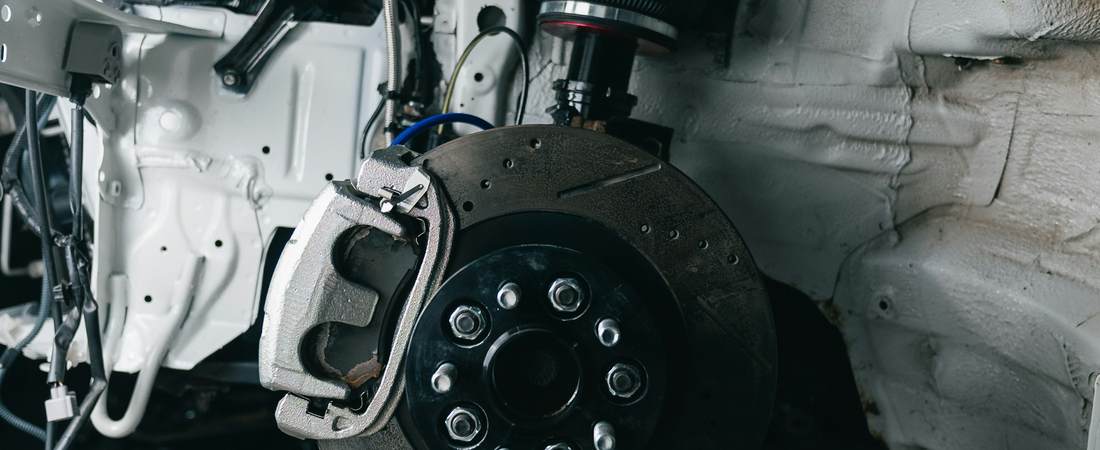
Deformation or thickness variation on the surface of the brake discs is one of the common causes of steering wheel vibration, especially during braking. When the brake pads press on the disc, the uneven surface creates vibration that can be transmitted to the steering wheel and sometimes to the brake pedal.
If the vibration is not felt during normal driving but becomes noticeable when the brake pedal is pressed, the brake discs must be checked. The condition of the discs is measured to assess deformation, wear and surface irregularities.
Wear in Tie Rod Ends and Ball Joints
Tie rod ends and ball joints play an important role in transferring steering movements to the wheels and in the movement of the front end. Play in these parts can cause the wheels to move in an unwanted way while driving.
As the wear progresses, steering precision may decrease, noise may be heard on rough roads and vibration may occur in the steering. It is important to regularly check for play in parts that directly affect safety, such as tie rod ends and ball joints.
Shock Absorber and Suspension Part Failure
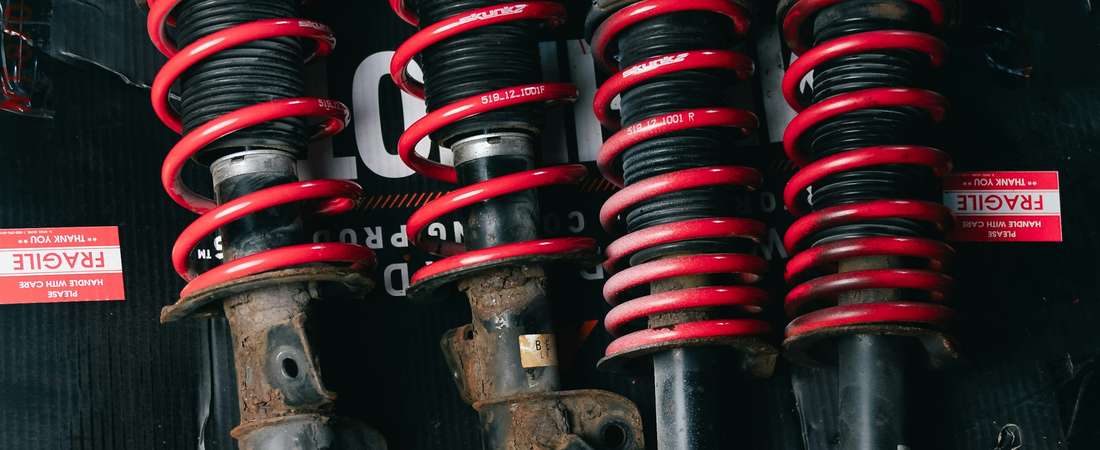
Shock absorbers, control arms, bushings and other suspension parts keep the vehicle's movements on the road under control. When wear or play occurs in these parts, the wheel may not be able to maintain proper contact with the road surface.
In particular, increased vibration on rough surfaces, knocking noises or the vehicle swaying more than normal in corners may require the suspension system to be checked. Faulty suspension parts can also cause uneven tire wear.
Drive Shaft and CV Joint Problems
Drive shafts transfer the motion coming from the engine and transmission to the wheels. A bent drive shaft or play in the CV joint can cause vibration, especially when the vehicle is accelerating.
Vibrations that increase when accelerating and decrease when easing off the throttle can be one of the symptoms of drive shaft and joint problems. Clicking or knocking noises during turns may also require the CV joints to be checked.
Worn Wheel Bearings
Wheel bearings allow the wheels to rotate smoothly with low friction. When a bearing wears, humming, grinding noises, play in the wheel and, in some cases, vibration can occur.
Bearing-related noises usually become more noticeable as vehicle speed increases. A change in the noise level when the steering is turned right or left can also give a clue about a bearing problem.
Steering Rack or Steering System Failure
Play in the steering rack, linkage components or steering shaft can cause vibration in the steering wheel and reduced control precision. In hydraulic or electric power steering systems, various mechanical and electronic faults can also affect the driving feel.
If there is play, knocking, abnormal noise or irregularity during steering, the steering system should be checked in detail.
In Which Situations Does Steering Wheel Vibration Occur?
The driving condition in which steering wheel vibration appears can help understand which part the problem is coming from. Situations such as high speed, braking, acceleration or a specific speed range can be associated with different mechanical problems.
Steering Wheel Vibration at High Speed
One of the most common causes of steering wheel vibration at high speed is a wheel balancing fault. A bent rim, tire deformation and uneven tire wear can also make the vibration more noticeable as the speed increases.
If the vibration is not felt at low speeds but appears at motorway speeds, it is advisable to first check the tires, rims and wheel balancing.
Steering Wheel Vibration at Low Speed
Vibrations felt at low speeds may not be explained by a balancing problem alone. Tire deformation, a seriously bent rim, play in the front end or steering system problems can also show themselves at low speeds.
If knocking or grinding noises are heard along with the vibration, it is important to check the suspension and steering linkages.
Steering Wheel Vibration When Braking
If the steering wheel starts to vibrate when the brake pedal is pressed, the brake discs should be evaluated first. Deformations on the disc surface can prevent the brake pads from applying even pressure to the disc.
During braking, pulsation may also be felt in the brake pedal along with the vibration. In addition to the discs, the pads, calipers and front-end parts should also be checked.
Steering Wheel Vibration When Accelerating
Vibrations that appear when the vehicle accelerates and decrease when easing off the throttle may be related to problems in the drive shaft, CV joint or drivetrain. Wear in the engine and transmission mounts can also transmit vibration to the vehicle body.
The vibration occurring only under load is an important clue when determining the source of the fault.
Steering Wheel Vibration in Certain Speed Ranges
In some vehicles, the steering wheel may vibrate only within a certain speed range. For example, vibration that starts at around 90 km/h and decreases at higher or lower speeds can be one of the characteristic signs of wheel imbalance.
However, since the same symptom can also be caused by rim deformation or a structural defect in the tire, the wheels need to be checked for a definitive diagnosis.
Which Parts Should Be Checked for Steering Wheel Vibration?
When steering wheel vibration is detected, the check is usually carried out starting from the easiest and most common causes. The inspection starts with the tires and rims and, if the problem persists, is extended to the front end, brakes and steering system.
Tires and Tire Pressures
First, the tires' air pressures, tread depths, wear patterns and whether there is any deformation on their surfaces should be checked. It is important for driving balance that the tires are at the pressure values recommended by the manufacturer.
Bulges, uneven wear or the tire losing its roundness can lead to vibration.
Rims
The rims should be inspected for bends, cracks or impact marks. Even small deformations can create noticeable vibration at high speeds.
Spinning the rim on a balancing machine can help identify bends that cannot be seen with the eye.
Wheel Alignment and Balancing
Balancing is related to the weight distribution of the wheels, while alignment is related to the angles of the wheels. Since the two procedures fix different problems, both should be evaluated when investigating steering wheel vibration.
It can be useful to have the alignment and balancing checked, especially after a tire change or after hitting a deep pothole.
Brake Discs and Pads
If the vibration occurs especially during braking, the surface, thickness and deformation condition of the brake discs should be checked. Uneven wear on the pads can also affect braking performance and driving comfort.
Problems in the brake system need to be evaluated without delay, not only in terms of vibration but also in terms of vehicle safety.
Tie Rod Ends and Ball Joints
Tie rod ends and ball joints should be checked for play. Worn connecting parts can adversely affect the steering of the wheels and cause steering movements to become unstable.
In particular, play in the steering and knocking noises from the front end require these parts to be examined.
Shock Absorbers and Control Arms
The shock absorbers should be checked for oil leaks, loss of performance or mounting problems. Play in the control arms and control arm bushings can also affect the movement of the wheel.
Failure of these parts can lead not only to vibration but also to deterioration of road holding and braking balance.
Drive Shafts and Joints
The drive shafts should be inspected for bends, the joints for play and the boots for tears. A torn boot can allow the grease inside the joint to escape and cause the part to wear over time.
Vibrations that increase during acceleration may indicate that the drive shaft system needs to be checked.
Wheel Bearings
The wheel bearings should be checked for play, humming or grinding. Excessively worn bearings can prevent the wheel from rotating evenly.
Wheel play checks carried out with the vehicle raised can provide important information about the condition of the bearing.
Steering Rack and Linkage Components
If the steering vibration continues even though no problem was found in the tire, rim and front-end checks, the steering rack, steering shaft and linkage components should be examined.
Wear or play in the linkages can prevent steering movements from being transmitted to the wheels accurately and steadily.
How Can Steering Wheel Vibration Be Fixed?
To fix steering wheel vibration, the source of the vibration must first be determined correctly. If there is an imbalance, the wheels can be balanced; if the alignment is off, the wheel angles can be adjusted to the manufacturer's values. Bent rims can be repaired or replaced depending on the level of damage, while deformed or excessively worn tires may need to be replaced.
For vibrations that occur during braking, the brake discs and pads should be checked and, where necessary, appropriate repairs or parts replacement should be carried out. Replacing worn parts in the front end, drive shafts, bearings or steering system can also eliminate the vibration.
Simply having the wheels balanced or the tires changed without determining the source of the problem may not always be enough. If the vibration continues, the vehicle's front end and steering system need to be checked comprehensively.
Is Steering Wheel Vibration Dangerous?
Although steering wheel vibration does not always mean a serious fault, it is a symptom that should not be ignored. It can be caused by a simple balancing problem, but it can also be a sign of wear in parts that are important for driving safety, such as tie rod ends, ball joints, bearings, drive shafts or the steering system.
If the vibration is gradually increasing, the vehicle is pulling to one side, play has developed in the steering or there are additional symptoms such as knocking and humming, the vehicle should be checked as soon as possible. In particular, if severe vibration occurs during braking, it is not appropriate to use the vehicle for a long time without having the brake system evaluated.
Frequently Asked Questions About Steering Wheel Vibration
To understand the cause of steering wheel vibration, the speed at which the vibration starts, its relationship with braking or acceleration and the accompanying noises should be taken into account. The most frequently asked questions usually focus on tire, balancing, alignment, rim and drive shaft problems.
Why does the steering wheel vibrate at high speed?
One of the most common causes of steering wheel vibration at high speed is poor wheel balancing. A bent rim, unevenly worn tires, tire deformation or front-end problems can also cause vibration at high speed.
Why does the steering wheel vibrate above 100 km/h?
Vibration that starts at speeds of around 100 km/h and above is mostly related to the imbalance the wheels create at high rotational speeds. In this case, the condition of the tires, the rims and the wheel balancing are among the first points to check.
Why does the steering wheel vibrate when braking?
Steering wheel vibration during braking is mostly related to deformation or surface irregularities in the brake discs. Play in the brake pads, calipers and front-end linkages can also create similar symptoms.
Does the steering wheel vibrate if the wheels are out of balance?
Yes. Poor wheel balancing can create vibration in the steering wheel, especially when certain speeds are reached. The vibration usually becomes more noticeable as speed increases and can reach its highest level within a certain speed range.
Does poor wheel alignment cause steering wheel vibration?
Poor wheel alignment can affect driving balance and lead to uneven tire wear. This can contribute to steering wheel vibration directly, or indirectly through the wear it causes on the tires.
How can you tell if steering wheel vibration is caused by the tires?
Tire-related vibrations usually increase at certain speeds. Uneven wear, bulges, deformation or different pressure values on the tire surface can indicate that the problem may be related to the tires. For a definitive assessment, the tire and rim assembly needs to be checked on a balancing machine.
Can a bent rim cause steering wheel vibration?
Yes. A bent rim can cause vibration because it cannot rotate smoothly. Even if the bend in the rim is small, the vibration in the steering wheel can become more noticeable as the vehicle's speed increases.
Can a drive shaft failure cause the steering wheel to vibrate?
Faults in the drive shaft or CV joint can create vibration in the steering wheel and the vehicle body. In particular, vibrations that increase during acceleration and decrease when easing off the throttle may require problems in the drive shaft system to be evaluated.
Can you keep driving with steering wheel vibration?
The source of a slight vibration may simply be a balancing problem, but there is also the possibility of a mechanical fault affecting safety underlying the vibration. If the vibration is severe, gradually increasing, occurs during braking or is seen together with play and abnormal noises in the steering, the vehicle should not be used for a long time without being checked. Evaluating steering wheel vibration early helps both to maintain driving safety and to prevent additional wear that may occur in the tires, suspension and steering parts.