





- What Does It Mean When the Handbrake Doesn't Hold?
- Why Doesn't the Handbrake Hold?
- Loose Handbrake Cable
- Broken or Damaged Handbrake Cable
- Worn Brake Pads
- Wear in the Drum Brake System
- Handbrake Out of Adjustment
- Rear Brake Caliper Failure
- Seized Handbrake Mechanism
- Electronic Parking Brake System Failure
- What Are the Symptoms of a Handbrake Fault?
- The Vehicle Moving When the Handbrake Is Applied
- The Handbrake Lever Rising Higher Than Normal
- No Resistance Felt in the Handbrake Lever
- The Vehicle Rolling on a Slope
- Noise from the Handbrake
- Electronic Parking Brake Warning Light Coming On
- What Should You Do If the Handbrake Doesn't Hold?
- How to Check the Handbrake?
- How Is the Handbrake Adjusted?
- Does a Handbrake Fault Affect the Brake System?
- How Long Does a Handbrake Repair Take?
- Frequently Asked Questions About the Handbrake
- Why does the handbrake become loose?
- Why doesn't the handbrake hold even when pulled all the way up?
- How can you tell if the handbrake cable has broken?
- How many clicks should the handbrake hold at?
- Can a vehicle with a handbrake that doesn't hold be driven?
- Why doesn't the electronic handbrake work?
- How can you tell if the handbrake pads are worn out?
- Does a handbrake fault prevent a vehicle from passing inspection?
The handbrake may not hold because of a loose or broken cable, worn brake pads, a faulty adjustment mechanism, problems with the rear brake caliper or electronic parking brake failures. The vehicle moving even though the handbrake is applied, rolling on a slope or the handbrake lever rising higher than normal are among the most common fault symptoms. Noticing parking brake problems early is important to prevent the vehicle from moving unintentionally, especially on sloping ground.
What Does It Mean When the Handbrake Doesn't Hold?
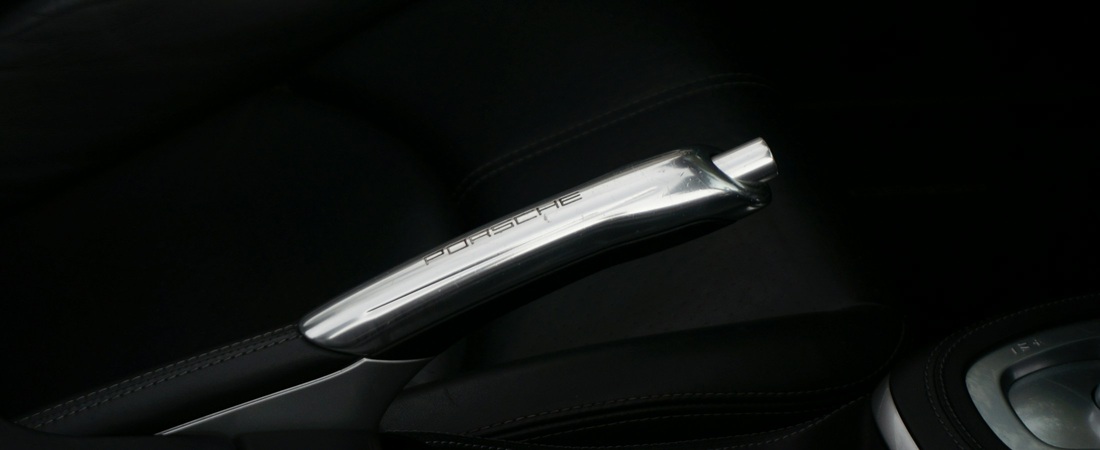
The handbrake not holding indicates that the parking brake system cannot generate enough braking force to keep the vehicle stationary. In vehicles with a mechanical handbrake, the system usually works through the handbrake lever, the handbrake cable and the rear brake mechanism. When slack, wear or damage occurs in any of these parts, the handbrake's performance can decrease.
In vehicles with an electronic parking brake, in addition to the mechanical parts, electric motors, sensors, the control unit and electrical connections also affect how the system works. For this reason, the handbrake not holding is not always related only to the cable adjustment. To determine the source of the problem correctly, the parking brake system needs to be checked as a whole.
Why Doesn't the Handbrake Hold?
The reason the handbrake does not hold sufficiently can vary according to the design of the vehicle's brake system. In mechanical systems, the cable, pads and adjustment mechanism come to the fore more often, while in electronic parking brakes, the electric actuators and control systems should also be evaluated.
Loose Handbrake Cable
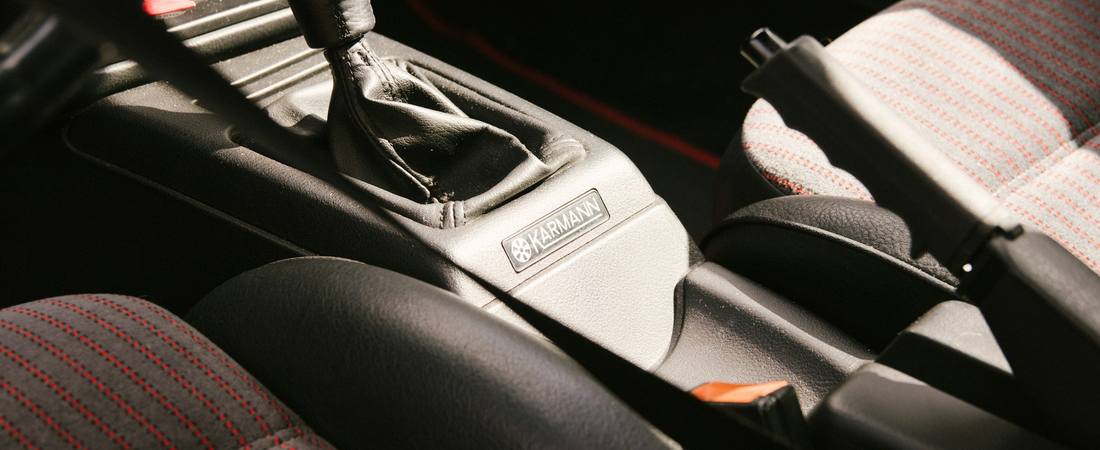
In mechanical handbrakes, the movement the driver applies to the handbrake lever is transmitted to the rear brakes through cables. Over time, the cable can stretch or play can develop at the connection points. In this case, even though the handbrake lever is pulled, sufficient force cannot be transferred to the brake mechanism.
A loose cable is usually noticed by the handbrake lever rising higher than normal. If the problem comes back within a short time even though the handbrake has been adjusted, the cable and connecting parts may need to be checked in detail.
Broken or Damaged Handbrake Cable
The handbrake cable can be damaged by rust, wear, an external impact or long-term use. When the cable breaks completely, the rear brake mechanism may not engage even though the handbrake lever moves.
In some vehicles, the system is connected to two separate cables, so if only one cable breaks, the parking brake may continue to work on one side. However, the braking force becomes unbalanced and the vehicle may not be held safely, especially on sloping ground.
Worn Brake Pads
Excessive wear of the rear brake pads can reduce the holding capacity of the handbrake. Especially in systems where the parking brake uses the rear brake pads, the decrease in pad thickness can make it harder for the mechanism to generate sufficient clamping force.
Since pad wear can affect not only the handbrake but also the vehicle's overall braking performance, it should not be ignored. During the check, the condition of the disc or drum surfaces should be evaluated along with the pad thickness.
Wear in the Drum Brake System
Some vehicles have a drum brake system on the rear wheels, or a separate drum-type mechanism used only for the parking brake. Wear of the brake shoes inside the drum, or deterioration of the drum surface, can cause the handbrake not to hold sufficiently.
When the gap between the brake shoes and the drum is too large, the friction force may not reach a sufficient level even when the handbrake is applied. In this case, an adjustment may need to be made or the worn parts may need to be replaced.
Handbrake Out of Adjustment
Mechanical handbrake systems have a certain operating travel. Over time, this adjustment can change due to the cable stretching or the brake parts wearing. The handbrake lever rising too much can be one of the signs that the adjustment is off.
When the adjustment is correct, the handbrake should engage within the appropriate travel and keep the vehicle stationary. However, if there are worn or damaged parts, an adjustment alone may not provide a permanent solution.
Rear Brake Caliper Failure
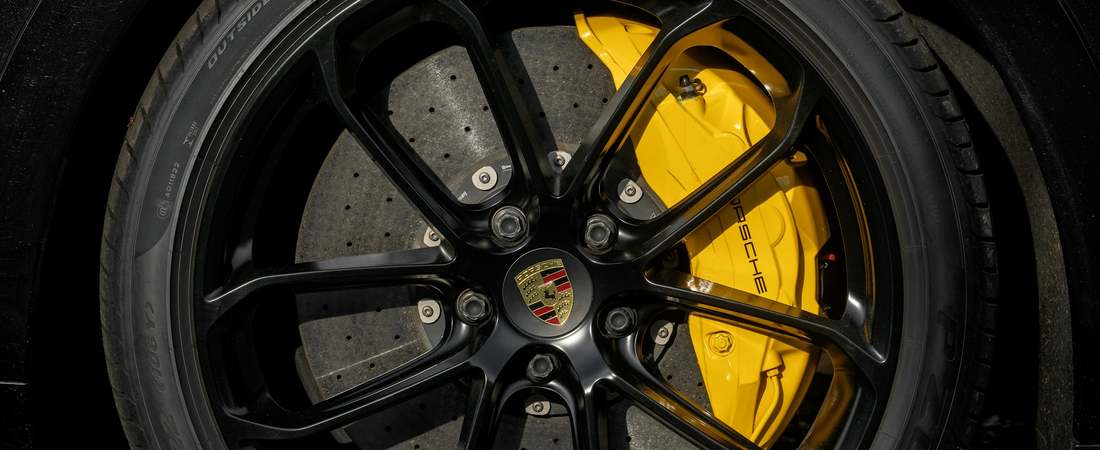
In some vehicles with disc brakes, the parking brake mechanism works directly through the rear brake calipers. The mechanical system inside the caliper seizing, wearing or losing its ability to move can prevent the handbrake from creating sufficient pressure.
With caliper failures, it is also possible for the handbrake to work on one wheel but not on the other. In such cases, the braking force can become unbalanced and the caliper may need to be checked.
Seized Handbrake Mechanism
Seizing can occur in the handbrake mechanism due to rust, dirt or not being used for a long time. In particular, when the cable's protective sheath is damaged, water and dirt getting inside can make the cable's movement more difficult.
As a result of seizing, the handbrake may not engage fully, or the brakes may stay partly applied after it is released. Brakes staying applied can cause additional problems while driving, such as overheating, increased fuel consumption and rapid wear of brake parts.
Electronic Parking Brake System Failure
In vehicles with an electronic parking brake, the parking brake is activated by a button. The system works together with electric motors, sensors, a control unit and various electronic components.
An actuator failure, low battery voltage, a sensor problem, an interruption in the electrical connections or control unit errors can prevent the electronic parking brake from working. If a parking brake fault warning appears on the instrument panel, the system may need to be checked with a diagnostic device.
What Are the Symptoms of a Handbrake Fault?
Handbrake faults can usually be recognized from the vehicle's behavior when parked or from changes in the handbrake mechanism. The symptoms can vary depending on whether the system used is mechanical or electronic.
The Vehicle Moving When the Handbrake Is Applied
If the vehicle moves on flat or slightly sloping ground even though the handbrake is fully applied, the parking brake may not be generating sufficient braking force. The cable adjustment, pads, drum or caliper mechanism should be checked.
This poses a safety risk, especially on sloping ground. When parking the vehicle, you should not rely only on a faulty handbrake, and the fault should be fixed as soon as possible.
The Handbrake Lever Rising Higher Than Normal
In mechanical handbrakes, the lever rising noticeably higher than you are used to may indicate slack in the cable or that the system adjustment is off.
The handbrake starting to hold at an increasingly higher position may be related to cable stretch developing over time or wear in the brake parts. The adjustment and mechanical parts should be checked together.
No Resistance Felt in the Handbrake Lever
If the handbrake lever moves very easily and the expected resistance is not felt when pulling it, the cable may have come off its connection or broken. Another connection problem inside the mechanism can also create a similar symptom.
Especially if the handbrake lever suddenly feels as if it has gone slack, it is important to keep the vehicle at a safe spot and have the system checked.
The Vehicle Rolling on a Slope
A properly working parking brake helps the vehicle stay stationary on sloping ground under suitable conditions. The vehicle rolling backward or forward after the handbrake has been applied can indicate that there is not enough holding force in the system.
The rolling problem can be caused by various reasons, from the cable adjustment to pad wear. This symptom, which appears on sloping ground, is one of the most easily noticed signs of parking brake faults.
Noise from the Handbrake
Hearing unusual grinding, squeaking or metallic noises when the handbrake is applied or released may be related to wear or seizing in the mechanical parts.
The source of the noise may be the cable mechanism, the brake shoes, the caliper or the connection points. If the noise has become constant, it is advisable to have the parking brake mechanism checked.
Electronic Parking Brake Warning Light Coming On
In vehicles with an electronic parking brake, when a system fault occurs, a parking brake warning light or fault message may be displayed on the instrument panel. The meaning of the warning can vary according to the vehicle's make and model.
If the warning light stays on or the electronic parking brake does not respond to commands, the warnings in the vehicle owner's manual should be taken into account and the system should be checked professionally.
What Should You Do If the Handbrake Doesn't Hold?
If the handbrake does not hold, the vehicle should first be parked in a safe and, as far as possible, flat area. In vehicles with a manual gearbox, selecting a suitable gear, and in vehicles with an automatic transmission, putting the gear in the "P" position can help reduce the risk of the vehicle moving. However, these do not replace repairing a faulty parking brake.
To determine the source of the problem, the handbrake cable, the adjustment mechanism, the rear brake pads or shoes, the calipers and, if present, the electronic parking brake system should be checked. If the handbrake does not work at all or the vehicle cannot stay stationary on sloping ground, it is not appropriate in terms of safety to continue normal use without fixing the fault.
How to Check the Handbrake?
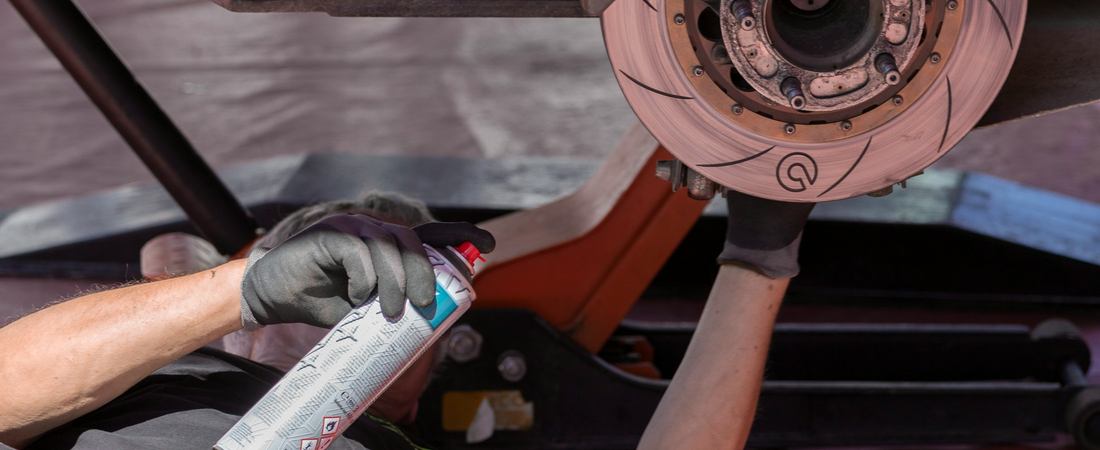
A basic check of the handbrake can be done by observing, in a safe and controlled environment, whether the vehicle moves when the parking brake is applied. It can also be assessed whether there is a noticeable change in the travel or resistance of the handbrake lever.
In a service check, however, it is not only the handbrake lever that is looked at. The cable and connections, the pad or shoe thickness, the drum, the disc, the caliper and the adjustment mechanism are examined. In vehicles with an electronic parking brake, it may also be necessary to read the error codes and check the operation of the electric actuators.
When testing the handbrake, roads open to traffic or steep slopes should not be chosen. Methods in which the vehicle could move uncontrollably can pose a safety risk.
How Is the Handbrake Adjusted?
The handbrake adjustment method varies according to the vehicle's make, model and brake system. In mechanical systems, the adjustment is usually carried out through the adjustment points on the handbrake cable or the rear brake mechanism. The aim is for the handbrake to work without excessive play and for the brakes not to clamp the wheels when it is fully released.
Over-tightening the cable is not the right solution. An adjustment that is too tight can cause the rear brakes to drag constantly, the parts to heat up and wear prematurely. An adjustment that is too loose, on the other hand, prevents the handbrake from generating sufficient force.
Electronic parking brakes may not have a traditional cable adjustment. In some systems, a diagnostic device needs to be used for maintenance or calibration procedures. For this reason, it is important to follow the procedures specified by the vehicle manufacturer.
Does a Handbrake Fault Affect the Brake System?
Although the handbrake and the main brake system used while driving work with different mechanisms in some vehicles, they can often share parts in the rear brakes. For this reason, a problem with parts such as the pads, drum or caliper can affect both the parking brake and the normal brake system.
For example, a mechanical problem in the rear brake caliper can prevent the handbrake from holding while also causing uneven brake pad wear. The handbrake mechanism staying applied can lead to the brakes overheating.
For this reason, a handbrake fault should not be considered an independent problem that only occurs when parking; where necessary, the vehicle's overall brake system should also be checked.
How Long Does a Handbrake Repair Take?
The duration of a handbrake repair varies according to the source of the fault. A simple adjustment and replacing a broken cable, dismantling a drum mechanism or fixing an electronic parking brake fault are not completed in the same amount of time.
A cable adjustment or replacing an easily accessible mechanical part can take relatively little time, while a caliper replacement, servicing the drum system or diagnosing an electronic fault may require more work. In addition, the vehicle's make and model, access to the part and the availability of spare parts also affect the total job time.
The most accurate time can be given by the service after the source of the fault has been determined.
Frequently Asked Questions About the Handbrake
How the handbrake works and its fault symptoms can vary according to the design of the vehicle's brake system. The answers to frequently asked questions about the parking brake can help you notice possible problems earlier.
Why does the handbrake become loose?
The handbrake usually becomes loose because the cable stretches over time, play develops at the connection points or the rear brake parts wear. When the mechanism's adjustment is off, the handbrake lever may need to be raised further. If the adjustment keeps going off, rather than just adjusting the cable, it should be checked whether there are worn or damaged parts in the system.
Why doesn't the handbrake hold even when pulled all the way up?
If the vehicle does not stay stationary even though the handbrake is pulled all the way up, the cable may be very slack or broken. In addition, worn pads, brake shoes, a faulty caliper mechanism or incorrect adjustment can also cause the handbrake not to hold.
The handbrake lever reaching the limit of its travel does not mean that the system is transferring sufficient force to the rear brakes. For this reason, the mechanical parts need to be checked.
How can you tell if the handbrake cable has broken?
Suddenly feeling much less resistance than normal in the handbrake lever, the lever moving easily all the way to its final position and the vehicle not staying stationary even though the handbrake is applied can be among the signs of a broken cable.
In some systems, only the cable on the right or left side may be damaged. In such a case, the parking brake may work on one wheel and be ineffective on the other. For a definitive diagnosis, the cable connections need to be physically checked.
How many clicks should the handbrake hold at?
How many notches, or "clicks" as they are commonly called, the handbrake lever should hold at varies according to the vehicle model and the adjustment specified by the manufacturer. For this reason, it is not correct to speak of a single number that applies to all vehicles.
However, the handbrake starting to rise noticeably higher than before, or not holding the vehicle even though it is pulled to the last notch, is a situation that requires the system to be checked. The vehicle's technical data should be used as the basis for the correct adjustment value.
Can a vehicle with a handbrake that doesn't hold be driven?
A vehicle whose handbrake does not hold may not be parked safely, especially on sloping ground. In addition, if the problem is caused by the pads, caliper or another brake component, the problem may not be limited to the parking brake.
For this reason, in vehicles where the parking brake has lost its function, it is important to have the fault checked as soon as possible. If the vehicle cannot be held stationary safely, normal use should not continue until the problem has been fixed.
Why doesn't the electronic handbrake work?
The electronic handbrake may not work due to low battery voltage, an electrical connection problem, a blown fuse, a sensor error, an electric actuator failure or problems in the electronic control unit.
When the system does not work, a warning message or parking brake fault light may be seen on the instrument panel. Electronic diagnosis and mechanical checks may both be needed to determine the source of the fault.
How can you tell if the handbrake pads are worn out?
When the handbrake pads or parking brake shoes wear, symptoms such as the vehicle staying stationary on sloping ground with more difficulty, the handbrake needing to be pulled further or the holding performance remaining low even after an adjustment may be seen.
For a definitive assessment, the physical thickness of the pads or shoes needs to be checked. Uneven wear or damage on the braking surfaces can also reduce parking brake performance.
Does a handbrake fault prevent a vehicle from passing inspection?
During vehicle inspection, the brake and parking brake system are evaluated as part of the safety-related checks. The handbrake not holding the vehicle sufficiently, or a braking difference between the right and left wheels outside acceptable limits, can affect the inspection result.
Before going for inspection, it is useful to have the system checked if the handbrake does not hold at all, the vehicle rolls on a slope or there is a noticeable fault in the mechanism. The handbrake is not just an auxiliary part used when parking but an important brake system that keeps the vehicle safely stationary; for this reason, the necessary checks should not be delayed when signs of a fault are noticed.