





- What Does It Mean When a Car Won't Go Into Gear?
- Why Won't a Manual Car Go Into Gear?
- Worn Clutch Disc
- Clutch Cable or Hydraulic System Failure
- Problems with the Clutch Pressure Plate and Release Bearing
- Low or Degraded Gearbox Oil
- Gear Cable or Gearshift Mechanism Failure
- Worn Synchronizers
- Failure of Internal Gearbox Parts
- Why Won't an Automatic Car Go Into Gear?
- Low or Dirty Automatic Transmission Fluid
- Insufficient Transmission Fluid Pressure
- Transmission Control Unit Failure
- Gear Position Sensor Failure
- Transmission Solenoid Failure
- Torque Converter Problems
- Mechatronic Unit Failure
- Transmission Going Into Limp Mode
- Why Won't a Car Go Into Gear While Running?
- Clutch Not Disengaging Fully
- Problems with the Clutch Hydraulics
- Fault in the Gearbox or Gearshift Mechanism
- Why Does the Car Go Into Gear When Off but Not When Running?
- Which Symptoms Can Accompany Difficult Gear Changes?
- Noise During Gear Changes
- Stiff Gear Lever
- Gear Jumping Out Into Neutral by Itself
- Delayed Engagement in an Automatic Transmission
- Jolting or Knocking During Gear Changes
- Transmission Warning Light Coming On
- What Should You Do If Your Car Won't Go Into Gear?
- Do Not Try to Force the Vehicle Into Gear
- Have the Clutch and Gearshift Mechanism Checked
- Have the Transmission Fluid Level Checked
- Have the Fault Codes Checked
- Get Support from a Transmission Specialist
- Can You Keep Driving a Car That Won't Go Into Gear?
- Frequently Asked Questions About a Car Not Going Into Gear
- Why does the gear suddenly stop engaging?
- Why does a car only go into some gears?
- If a manual car won't go into gear, is the problem caused by the clutch?
- Why won't an automatic car go into D or R?
- Why does a car that won't go into gear when cold get better when it warms up?
- Can low transmission fluid prevent a car from going into gear?
- Can a battery fault affect an automatic transmission going into gear?
- Could the transmission of a car that won't go into gear be broken?
A car not going into gear may be caused mostly by problems with the clutch system, the gearshift mechanism or the gearbox in manual cars, and by faults in the transmission fluid, sensors, solenoids, mechatronic unit or electronic control system in automatic cars. Whether the problem occurs only in certain gears, appears while the engine is running, or whether gear changes are accompanied by noise and jolting gives important clues about the source of the fault. Evaluating the symptoms correctly instead of forcing the gear change can help prevent more serious and costly transmission damage.
What Does It Mean When a Car Won't Go Into Gear?
A car not going into gear indicates that there may be a problem in one of the systems that manage the transfer of power between the engine and the wheels. In manual cars, this can appear as the gear lever not physically moving into the relevant position, struggling as it moves, or the gears not engaging properly even though the clutch is pressed. In automatic cars, it is possible for the vehicle not to move even though the gear lever is put in D or R, or for the transmission not to accept the desired position.
The cause of the problem is not always a complete failure of the transmission itself. Many components, such as the clutch system, transmission fluid, sensors, gear cables, hydraulic pressure or the electronic control unit, affect gear changes. For this reason, it is important to determine under which conditions the vehicle will not go into gear in order to make a correct diagnosis.
Why Won't a Manual Car Go Into Gear?
A manual car not going into gear is usually related to the clutch not disconnecting the engine from the gearbox as it should, or to a mechanical problem in the gearshift mechanism. Whether the problem occurs in all gears or only in certain gears can help in understanding the source of the fault.
Worn Clutch Disc
The clutch disc wears over time due to friction and can affect the transfer of engine power to the gearbox. As the wear progresses, the way the clutch operates may change and gear changes may become more difficult.
The biting point of the clutch pedal moving higher than normal, the vehicle not accelerating sufficiently even though the engine speed rises, or a loss of performance, especially on hills, may accompany clutch disc wear. However, it should not be concluded definitively that the clutch disc is faulty based only on the symptom of not going into gear.
Clutch Cable or Hydraulic System Failure
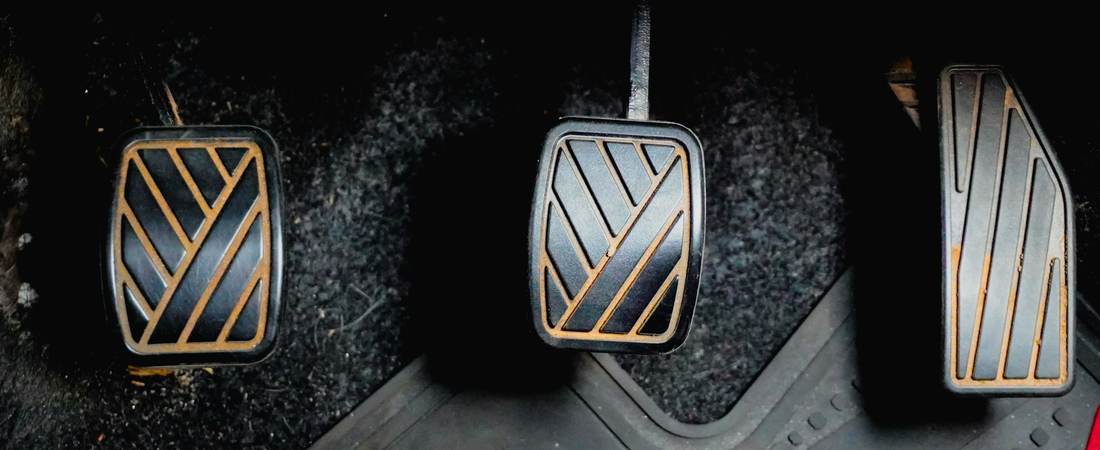
In some vehicles the clutch system works via a mechanical cable, and in others via a hydraulic system. The clutch cable breaking, becoming slack or going out of adjustment can prevent the pedal movement from being transferred sufficiently to the clutch.
In hydraulic systems, leaks in the clutch master cylinder, slave cylinder or hydraulic lines can cause the pressure to drop. When the pedal is softer than normal, drops to the floor or the clutch does not disengage fully, changing gear while the vehicle is running can become quite difficult.
Problems with the Clutch Pressure Plate and Release Bearing
The clutch pressure plate and the clutch release bearing are important parts that help the clutch disc disconnect and reconnect the engine and the gearbox. If the pressure plate mechanism does not work properly, the system may not disengage fully when the clutch pedal is pressed.
Hearing a noise when pressing the clutch, the pedal becoming stiff or vibration occurring can be signs of a problem with the release bearing or the pressure plate assembly. As the problem progresses, gear changes may become harder.
Low or Degraded Gearbox Oil
The oil in a manual gearbox reduces friction between the gears and other moving parts. A low oil level, or the oil losing its properties over time, can prevent the parts from working as smoothly as they should.
Gear changes that become stiff especially in cold weather, or abnormal noises coming from the gearbox, can suggest an oil-related problem. The correct oil type and level should be checked according to the technical requirements of the vehicle manufacturer.
Gear Cable or Gearshift Mechanism Failure
The cables, linkages and bushings that transfer the movement of the gear lever to the gearbox can wear, come loose or be damaged over time. In such a case, the gear lever may feel looser or stiffer than normal.
In some faults, the vehicle may go into certain gears but not into others. Excessive play in the gear lever can also indicate that the mechanism or its connecting parts need to be checked.
Worn Synchronizers
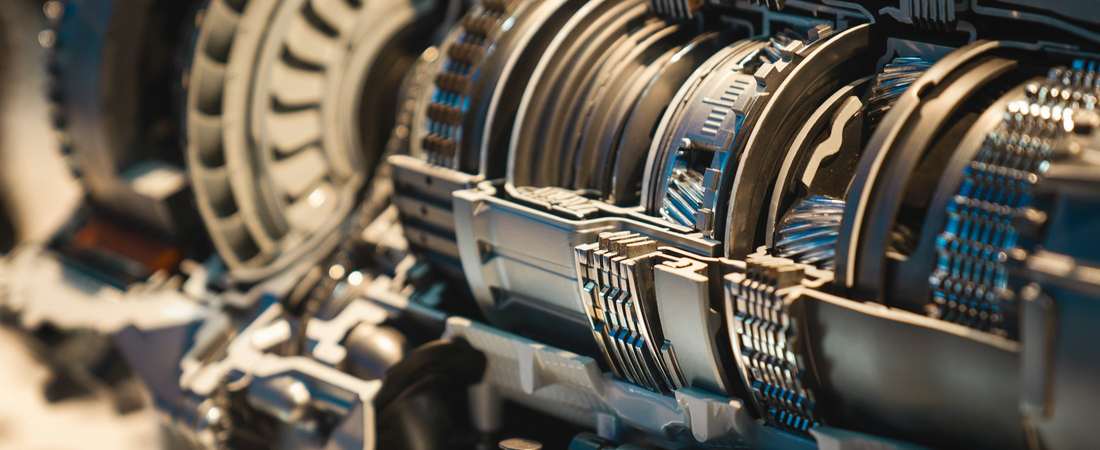
Synchronizers allow a gear to engage more smoothly by equalizing the speeds of gears that rotate at different speeds in a manual gearbox. Worn synchronizers can cause difficulty, especially when shifting into a particular gear.
Hearing grinding or gear noise when changing gear is one of the common symptoms. For example, if the problem consistently occurs only in second or third gear, the synchronizer assembly of the relevant gear may need to be checked.
Failure of Internal Gearbox Parts
Damage to mechanical parts inside the gearbox, such as gear sets, shafts, bearings or shift forks, can also prevent the vehicle from going into gear. Such faults usually require more extensive repair than the other causes.
If there are symptoms such as a metallic noise from the gearbox, certain gears being completely unusable or the gear constantly jumping out into neutral, it is important to have the internal mechanism of the gearbox examined by a specialist.
Why Won't an Automatic Car Go Into Gear?
In automatic cars, gear changes are carried out by hydraulic and electronic systems working together with the mechanical parts. For this reason, an automatic car not going into gear can be related not only to the transmission fluid but also to the sensors, control unit, solenoids and mechatronic system.
Low or Dirty Automatic Transmission Fluid
Automatic transmission fluid plays an important role both in lubricating the moving parts and, in some transmission types, in generating hydraulic pressure. A low fluid level can prevent the system from working properly.
The fluid becoming contaminated or losing its properties can also lead to delays, knocking and jolting during gear changes. Fluid changes and level checks should be carried out according to the transmission type and the maintenance procedures specified by the manufacturer.
Insufficient Transmission Fluid Pressure
An automatic transmission needs to build up sufficient hydraulic pressure to engage the gears. A fault in the oil pump, a fluid leak or problems in the hydraulic passages can prevent the required pressure from building up.
When the pressure is insufficient, movement may be delayed after selecting D or R, the gears may not engage or the vehicle may not be able to use some gears.
Transmission Control Unit Failure
The transmission control unit determines which gear is selected and when, based on the data it receives from the sensors. An electronic fault or communication problem in the unit can prevent gear commands from being executed correctly.
In this case, a transmission warning light may appear on the instrument panel and the vehicle may switch to limp mode. Reading the fault codes with a diagnostic device provides important information when identifying electronic faults.
Gear Position Sensor Failure
The gear position sensor tells the electronic control system which position, such as P, R, N or D, the driver has selected. When the sensor sends incorrect information, the transmission may not be able to detect the selected position.
The wrong gear position appearing on the display, the vehicle only working in certain positions or the D and R positions not engaging may be related to a sensor failure.
Transmission Solenoid Failure
Solenoids control the flow of fluid in the hydraulic circuit of an automatic transmission according to electronic commands. One of the solenoids sticking or failing electrically can prevent certain gears from engaging.
Symptoms such as delayed gear changes, harsh shifts, knocking or staying in a particular gear can appear with solenoid problems. For a definitive diagnosis, electronic and hydraulic checks should be carried out together.
Torque Converter Problems
In conventional automatic transmissions, the torque converter transfers engine power to the transmission. Problems with its internal parts can adversely affect power transfer.
Symptoms such as the vehicle struggling to move even though the engine is running, vibration during acceleration or interruptions in power transfer may be related to the torque converter. Because similar symptoms can also appear with other transmission problems, a detailed check is required.
Mechatronic Unit Failure
In some transmissions, especially dual-clutch and electronically controlled ones, the mechatronic unit manages the hydraulic and electronic systems working together. Pressure, sensor or electronic circuit problems that may occur in the unit can affect gear changes.
The D or R position not engaging, gears changing irregularly, the vehicle staying in a particular gear or a transmission warning appearing on the instrument panel are among the symptoms that may be encountered with mechatronic faults.
Transmission Going Into Limp Mode
When the automatic transmission control system detects a serious or potentially damaging fault, it can activate limp mode. This mode limits the transmission's operating options in order to prevent further damage to the system.
The vehicle may stay in a single gear, may not use some gears or its acceleration performance may drop significantly. The cause of limp mode should be investigated by examining the fault codes on a diagnostic device.
Why Won't a Car Go Into Gear While Running?
If the car goes into gear easily with the engine off but not when the engine is started, it is necessary to focus on the clutch system, especially in manual cars. However, gearshift mechanism and gearbox faults can also cause similar symptoms.
Clutch Not Disengaging Fully
When the clutch is pressed, the connection between the engine and the gearbox must be completely cut off. If the clutch does not disengage fully, the gearbox input shaft keeps turning and it becomes difficult for the gears to engage.
Difficulty and gear noise, especially when shifting into first gear or reverse, may accompany this problem. The adjustment and mechanical parts of the clutch system should be checked.
Problems with the Clutch Hydraulics
Low clutch fluid, air entering the system or a failure of one of the hydraulic cylinders can prevent the pedal movement from being transmitted sufficiently to the clutch mechanism.
The pedal feeling spongy, the biting point changing or the pedal staying on the floor can indicate that there may be a problem in the hydraulic system. Simply adding fluid without finding the source of the hydraulic leak may not provide a permanent solution.
Fault in the Gearbox or Gearshift Mechanism
If the vehicle does not go into gear even though the clutch system is working properly, the gear cables, linkages, synchronizers and other internal parts of the gearbox should be checked.
In particular, only certain gears being unusable can indicate a mechanical problem. The way the gear lever moves and the noises coming from the gearbox can provide important clues in identifying the fault.
Why Does the Car Go Into Gear When Off but Not When Running?
If a manual car goes into gear easily with the engine off but will not go into gear while the engine is running, one of the strongest possibilities is that the clutch cannot fully separate the engine from the gearbox. With the engine off, the gearbox input shaft does not turn, so the gears can be positioned more easily. When the engine is running, however, if the clutch does not disengage sufficiently, the shaft keeps turning and changing gear becomes difficult.
This can be caused by the clutch cable adjustment, low hydraulic fluid, a master or slave cylinder failure, or problems with the pressure plate and clutch disc system. In particular, if there is gear noise when shifting into first gear or reverse even though the clutch is pressed all the way down, the vehicle should be checked without being forced.
Which Symptoms Can Accompany Difficult Gear Changes?
The problem of not going into gear often does not appear on its own. Additional symptoms such as noise, stiffness, jolting or warning lights can help determine which system the problem is coming from.
Noise During Gear Changes
In manual cars, hearing grinding, gear or metallic noises when changing gear may be related to the clutch not disengaging fully or to wear in the synchronizers.
In automatic cars, unusual mechanical noises during gear changes may require the internal parts of the transmission, the lubrication system or other mechanical components to be checked.
Stiff Gear Lever
The gear lever requiring more force than normal may be related to the gearshift mechanism, the cables, the linkage bushings or the moving parts inside the gearbox.
Temporary stiffness in cold weather may also be related to the viscosity of the gearbox oil. If the stiffness has become permanent, the mechanical system needs to be checked.
Gear Jumping Out Into Neutral by Itself
In a manual gearbox, the gear jumping out into neutral by itself while driving is not normal. There may be wear in the shift forks, gears, synchronizer mechanism or gearbox mountings.
Since this can cause the vehicle's power transfer to be cut off suddenly, it should not be ignored and the gearbox system should be checked.
Delayed Engagement in an Automatic Transmission
The vehicle starting to move a few seconds after the gear is put in D or R may be related to the transmission fluid level, fluid pressure, valve body, solenoids or electronic control system.
If the delay gets longer over time or is accompanied by jolting, it is important to have it checked without waiting for the fault to progress.
Jolting or Knocking During Gear Changes
Slight movements felt during shifts in an automatic transmission may be normal depending on the vehicle model and transmission type. However, noticeable knocking or constant jolting should not be considered normal.
Fluid pressure problems, solenoids, engine and transmission mounts, clutch packs or electronic control problems can lead to these symptoms.
Transmission Warning Light Coming On
A transmission-related warning light coming on in the instrument panel indicates that the control unit has detected a fault in the system. In some vehicles, transmission-related faults can also be reported through the general check engine light.
Reading the fault codes with a suitable diagnostic device makes it easier to determine whether the problem is caused by a sensor, a solenoid, pressure or the electronic control.
What Should You Do If Your Car Won't Go Into Gear?
If the car will not go into gear, the first goal is not to try to overcome the fault by force, but to prevent further damage. You should be careful, especially if there is noticeable resistance in the gear lever, noise from the gearbox or warning lights coming on.
Do Not Try to Force the Vehicle Into Gear
Moving the gear lever with excessive force can cause additional damage to the gearshift mechanism, the synchronizers or other gearbox parts.
If the gear does not engage normally, instead of forcing it again and again, it is better to stop the vehicle in a safe place and investigate the source of the problem.
Have the Clutch and Gearshift Mechanism Checked
In manual cars, the first checks include the clutch pedal, the clutch cable or hydraulic system and the gear linkages. In some cases, the problem may not be inside the gearbox but in the mechanism between the gear lever and the gearbox.
Abnormal stiffness or softness in the clutch pedal, or changes in the biting point, should be reported to the service.
Have the Transmission Fluid Level Checked
Low transmission fluid, a leak or the fluid losing its properties can affect gear changes. However, the fluid check method is not the same for every transmission.
Especially in automatic transmissions, the level check may need to be carried out at specific temperatures and operating conditions. For this reason, a check in line with the manufacturer's procedures should be preferred.
Have the Fault Codes Checked
In modern automatic transmissions, the electronic system records many faults as error codes. Diagnosis with a suitable device is an important starting point for identifying sensor, solenoid, control unit or pressure problems.
However, instead of replacing parts based only on the error code, the system that caused the code to appear should also be checked.
Get Support from a Transmission Specialist
If basic checks do not reveal the source of the problem, support should be sought from a service experienced in transmissions. In particular, mechanical noise, fluid leaks, heavy knocking or some gears disappearing completely require a more detailed examination.
Professional diagnosis can help prevent unnecessary parts replacement and ensure that the fault is fixed at the right point.
Can You Keep Driving a Car That Won't Go Into Gear?
It is not recommended to keep using a vehicle that will not go into gear or has serious problems with gear changes. Although the problem may be caused by a minor linkage or sensor fault, a mechanical problem in the clutch or gearbox can get worse while driving.
In particular, if the vehicle jumps out of gear, will not go into D or R, makes loud noises, knocks violently or gives a transmission warning, you need to stop in a safe place. If the vehicle cannot be moved, taking it to the service by tow truck may be safer than continuing to use it by forcing the transmission.
Frequently Asked Questions About a Car Not Going Into Gear
Since a car not going into gear can be caused by different systems, the way the fault appears is important. The following situations explain common scenarios that can help understand the source of the problem.
Why does the gear suddenly stop engaging?
The gear suddenly not engaging can be caused by reasons such as the clutch cable breaking, a loss of hydraulic pressure, the gear cable coming loose or the automatic transmission switching to limp mode due to an electronic fault. If the problem started suddenly, the clutch, gear linkages and transmission system should be checked without forcing the vehicle.
Why does a car only go into some gears?
Only certain gears being unusable may be related to the synchronizers, shift forks, gears or gear linkages in a manual gearbox. In automatic transmissions, the failure of certain solenoids, clutch packs or the electronic control system can cause some gears to be disabled.
If a manual car won't go into gear, is the problem caused by the clutch?
The clutch system is one of the common reasons a manual car will not go into gear, but it is not the only possibility. The gear cable, gearbox oil, synchronizers and other mechanical parts of the gearbox can also cause the same problem. If the vehicle goes into gear with the engine off but not while it is running, the possibility that the clutch is not disengaging fully becomes stronger.
Why won't an automatic car go into D or R?
An automatic vehicle not engaging the D or R position may be related to a low transmission fluid level, insufficient hydraulic pressure, or problems with the gear position sensor, a solenoid, the mechatronic unit or the control module. If the gear indicator also does not show the selected position correctly, the sensor and electronic control system should be examined in particular.
Why does a car that won't go into gear when cold get better when it warms up?
In cold weather, reduced fluidity of the transmission oil can make shifts feel stiffer. However, if the vehicle consistently will not go into gear when cold and only returns to normal after warming up, unsuitable or old transmission oil, a hydraulic pressure problem or worn mechanical parts may be involved.
Can low transmission fluid prevent a car from going into gear?
Yes, especially in automatic transmissions, a serious lack of fluid can prevent the required hydraulic pressure from building up and cause the gears not to engage. In manual gearboxes, a low oil level can also lead to lubrication problems and more difficult gear changes. If the transmission fluid is low, the possibility of a leak should also be checked.
Can a battery fault affect an automatic transmission going into gear?
The battery producing very low voltage, or a serious voltage problem in the electrical system, can affect the sensors and control units of electronically controlled automatic transmissions. In this case, error codes may be generated or the transmission may switch to limp mode. However, it should not be assumed that the problem of not going into gear is caused only by the battery; the charging and transmission systems should be checked together.
Could the transmission of a car that won't go into gear be broken?
Yes, the problem of not going into gear can be caused by the failure of parts inside the transmission such as gears, synchronizers, bearings, clutch packs, solenoids or the mechatronic system. However, the problem can also be caused by components that do not require the transmission to be completely dismantled, such as the clutch system, gear cable, fluid level or a sensor. For this reason, instead of concluding directly that the transmission is broken without evaluating the vehicle's symptoms, carrying out a professional fault diagnosis ensures that the correct repair method is determined.