




- What Is a Ball Joint?
- What Does a Ball Joint Do?
- What Causes Ball Joint Failure?
- How to Recognize a Ball Joint Failure?
- What Are the Signs of a Ball Joint Failure?
- How Is a Ball Joint Replaced?
- What Happens If You Drive with a Faulty Tie Rod?
- What Are the Different Types of Ball Joints?
- Frequently Asked Questions About Ball Joints
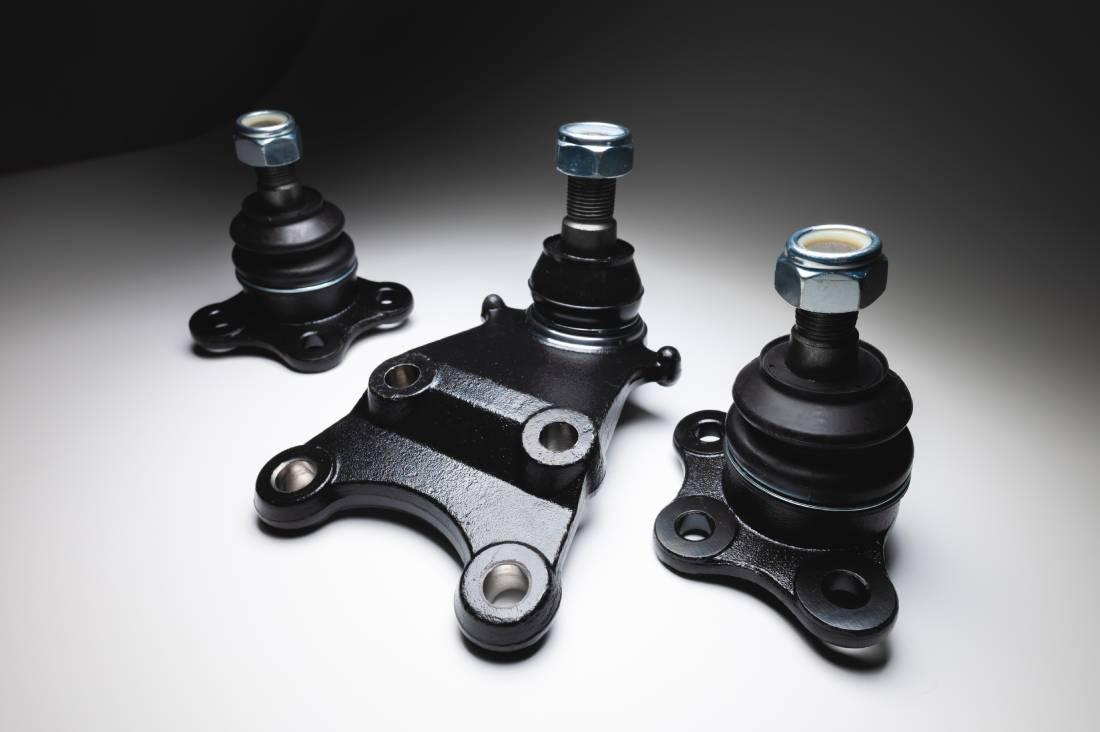
A ball joint is a spherical component located in a vehicle’s front suspension system that connects the steering knuckle to the control arm, allowing the wheels to move in multiple directions in both the vertical and horizontal planes. This component, which is vital for driving safety and steering control, can wear out over time and directly negatively impact driving comfort and safety. To ensure a safe driving experience, vehicle owners should understand how the rotil works and take necessary precautions by recognizing potential failure signs early on.
What Is a Ball Joint?
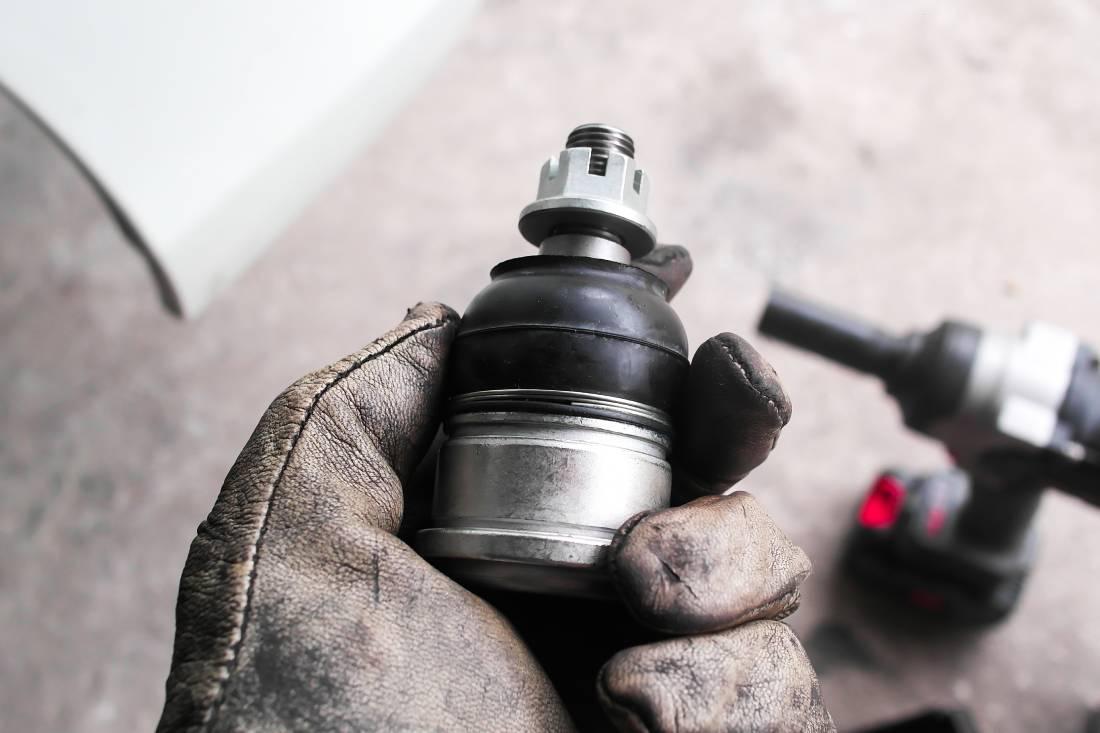
A rotil is a mechanical component known in automotive engineering as a ball joint, which operates on a principle similar to the hip joint in the human body. It essentially consists of a steel housing, a spherical pin that rotates within this housing, and a rubber boot that protects the component from dust and mud. It acts as a flexible bridge between the vehicle’s front suspension and the wheel assembly, allowing the wheels to move independently.
What Does a Ball Joint Do?
As one of the most critical components of the suspension system, the ball joint allows the wheels to move up and down while also turning left and right. By absorbing shocks from potholes, speed bumps, and bumps on the road surface, it helps ensure that steering commands from the steering wheel are smoothly transmitted to the wheels. Without this part, a vehicle’s wheels would be unable to perform suspension movements or turn safely from side to side.
What Causes Ball Joint Failure?
Ball joints, which are constantly under load while the vehicle is in motion, can lose their functionality over time and due to various environmental factors. The part’s manufacturing quality, service life, and the road conditions the vehicle is exposed to directly determine the failure process.
The most common causes of ball joint failure are as follows:
- Driving the vehicle at high speeds on roads that are constantly potholed, rocky, uneven, and in poor condition
- Water, mud, and sand entering the component due to a tear in the rubber dust boot that protects the ball joint from external factors
- The oil inside the component drying out over time, causing metal surfaces to rub against each other and wear down
- Sudden mechanical impacts, such as driving over speed bumps too hard, hitting a curb, or being involved in a traffic accident
- Increased stress on the suspension system due to overloading the vehicle beyond its weight capacity
- As a result of these causes, worn-out rotils gradually loosen over time, creating play, and eventually reach the point where they completely lose their function.
How to Recognize a Ball Joint Failure?
A ball joint failure typically manifests through clear physical symptoms that the driver notices while driving. It is critically important for the driver to correctly interpret these symptoms in order to prevent more serious mechanical damage.
Steering Wheel Stiffness and Vibration
Wear or lack of lubrication on the ball joint pin inside the ball joint prevents the joint from moving freely. This creates resistance in the steering system, causing the steering wheel to feel stiffer than normal. Vibrations felt in the steering wheel and a loss of stability—especially when driving at high speeds or taking turns—are among the clearest indicators that the ball joint has become loose.
Clunking Noises from the Front Suspension
A worn-out ball joint that has loosened in its socket causes metal-on-metal contact as the vehicle’s front suspension moves. Clattering, squeaking, and rattling noises coming from under the vehicle—especially when driving over bumps, hitting potholes, or making sharp turns—indicate this problem. Although the noises may start out mild at first, they become constant and more intense as the part wears down completely.
Uneven and Premature Tire Wear
Gaps in the wheel bearings directly disrupt the wheels’ contact angle with the road—that is, the camber and toe settings. When the wheel angles change, the tires cannot make even contact with the road and begin to wear unevenly on the inner or outer edges. If only one side of the tire tread wears down rapidly, it indicates that the wheel bearings in the front suspension need to be inspected.
The Vehicle Pulls to the Right or Left
In a properly functioning front suspension system, the vehicle should travel in a straight line when the steering wheel is held straight. However, when one of the tie rods wears out, the wheel alignment is compromised, and the vehicle tends to pull consistently in one direction while driving. The driver is forced to constantly apply extra force to the steering wheel to keep the vehicle on a straight path.
Delay in Steering Response
A loose ball joint creates a gap in the direct connection between the steering wheel and the wheels. When the driver turns the steering wheel, the wheels do not respond immediately to this command, resulting in a delay in steering response. This loss of steering feel and control poses a significant danger, especially in situations requiring sudden maneuvers.
What Are the Signs of a Ball Joint Failure?
The mechanical changes detailed above manifest as clear warning signs during vehicle operation. As soon as these symptoms are noticed, you should contact a professional service center without delay.
The most common and noticeable symptoms of a rotil failure are as follows:
- Metallic clunking noises coming from the front suspension when driving over speed bumps, even at low speeds
- A feeling of play in the steering wheel from side to side and spontaneous shaking while driving
- The vehicle’s inability to remain stable while driving on a straight road, requiring constant corrections to stay in the lane
- Abnormal and uneven wear on the inner sidewalls or outer shoulders of the front tires
- Frequent misalignment of the vehicle’s wheel alignment, which reverts to its original state shortly after adjustment
If you notice one or more of these issues while driving, you should have your vehicle inspected for safety reasons.
How Is a Ball Joint Replaced?
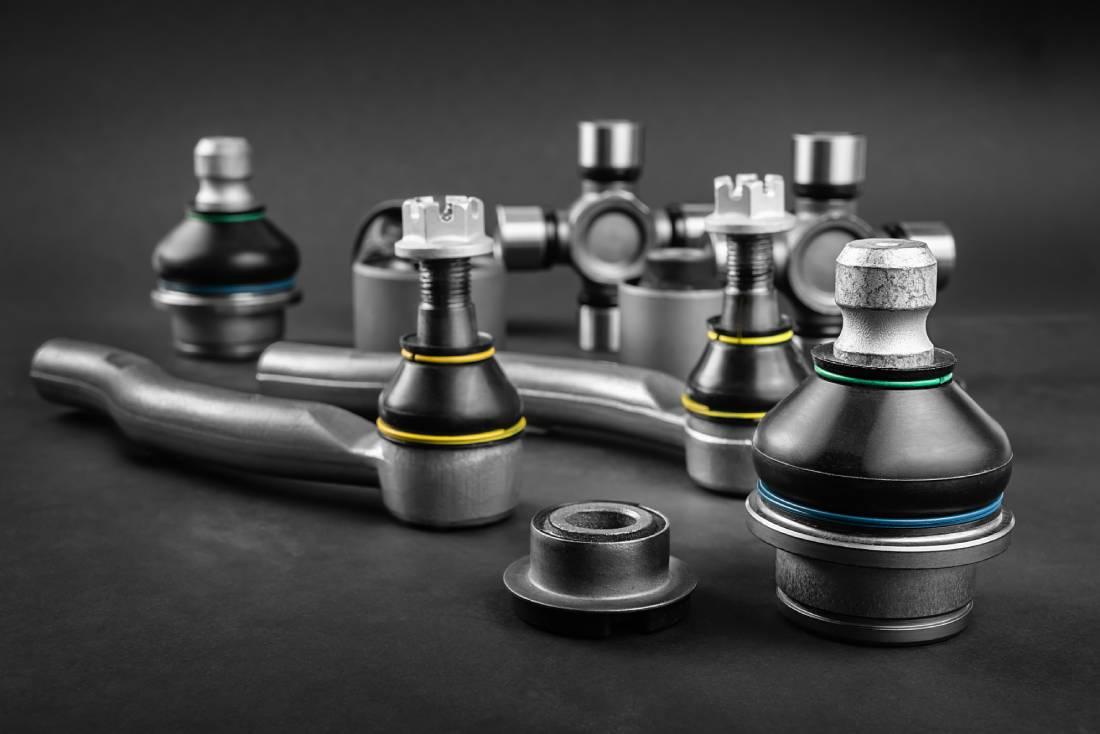
Replacing a ball joint is a mechanical procedure that requires professional equipment and expertise. During the replacement process, the vehicle is first raised using a lift, and the wheel on the relevant side is removed. Access is then gained to the brake system and steering joint, and the mounting bolts holding the ball joint are loosened. The old and worn-out tie rod end is safely removed from the control arm or axle carrier using a special removal tool. After the new tie rod end is installed, the bolts are tightened according to the torque values specified by the manufacturer. Once the part is fully installed, the wheel is reattached, and the vehicle is lowered from the lift and taken to a wheel alignment station.
What Happens If You Drive with a Faulty Tie Rod?
Continuing to drive with a faulty or worn-out tie rod is an extremely risky situation that directly reduces driving safety to zero. Over time, a tie rod that has completely worn out may come loose or break, causing the wheel to become detached from the chassis and fold outward. If the wheel detaches in this way while the vehicle is in motion, the driver can completely lose steering control, potentially leading to fatal accidents such as the vehicle rolling over. Additionally, the faulty part places excessive strain on the suspension, axle shaft, shock absorbers, and brake system, resulting in major mechanical damage that is much more costly to repair.
What Are the Different Types of Ball Joints?
The types and locations of ball joints used can vary depending on a vehicle’s suspension design and front-end architecture. Generally, modern passenger cars feature two main types of ball joints, depending on the layout.
Upper Control Arm
In vehicles with a double-wishbone suspension system, this is the component that connects the upper control arm to the steering knuckle. Rather than bearing the vehicle’s weight, its primary function is to maintain the alignment of the upper part of the wheel and guide steering movements during turns. Although it is subjected to less vertical load compared to the lower control arm, it is critical for driving stability.
Lower Ball Joint
This is the type of ball joint found in nearly all vehicles—particularly those with MacPherson-type suspension systems—and it bears the heaviest load. Located between the lower control arm and the steering knuckle, it supports a large portion of the vehicle’s front weight. Because it is constantly exposed to vertical pressure and road impacts, it tends to wear out and fail much more quickly than the upper ball joint.
Frequently Asked Questions About Ball Joints
Answers to the most common questions vehicle owners have about ball joints and their failures help ensure the proper maintenance of this system.
What Is the Lifespan of a Ball Joint?
The average service life of a ball joint typically ranges from 80,000 to 120,000 kilometers. However, this period can be much shorter or longer depending on the road conditions the vehicle is regularly driven on, the driver’s speed when crossing bumps and potholes, and the manufacturing quality of the part.
Is Wheel Alignment Required After Replacing a Tie Rod?
Yes, wheel alignment is absolutely mandatory after replacing a tie rod. Since the newly installed part will alter the front suspension geometry and wheel angles by a matter of millimeters, failure to perform wheel alignment will result in uneven tire wear and cause the vehicle to pull to one side while driving.
Can a Tie Rod Be Repaired?
No, since the tie rod is a single-piece mechanism that directly affects safety, repairing or refurbishing it is not recommended. The only safe solution for a worn, loose, or torn tie rod is to replace it with an original or high-quality aftermarket replacement.
What Happens If a Tie Rod Breaks?
When a tie rod breaks, the wheel’s connection to the front suspension is severed, causing the wheel to spin out of control and fold inward or outward toward the fender. If this occurs while the vehicle is in motion, it causes the vehicle to brake suddenly, steering control is completely lost, and serious accidents can result.
How Much Do Tie Rods Cost?
Tie rod prices vary widely depending on the vehicle’s make and model, year of manufacture, and the brand of the replacement part you choose. While tie rod parts for domestic and common passenger cars can be found at very affordable prices, parts and labor costs for luxury or imported vehicles may be higher. For your driving safety, prioritizing quality and durability over price when selecting replacement parts will provide long-term benefits.