





- Why Does the Clutch Make Noise When Pressed?
- Worn Clutch Release Bearing
- Problems in the Clutch and Pressure Plate System
- Noises Caused by the Flywheel
- Problems in the Clutch Pedal Mechanism
- What Types of Noises Come From the Clutch?
- Humming Noise When Pressing the Clutch
- Squeaking Noise When Pressing the Clutch
- Ticking and Metallic Noises From the Clutch
- Why Are the Noises Different When Pressing and Releasing the Clutch?
- Which Faulty Parts Does Noise From the Clutch Indicate?
- Checking the Clutch Bearing and Pressure Plate
- Checking the Flywheel and Transmission Input Shaft
- How Do You Fix the Noise When Pressing the Clutch?
- Can You Drive a Car With a Noisy Clutch?
- Frequently Asked Questions About Clutch Noises
- What Happens If the Clutch Release Bearing Fails?
- Is Noise When Pressing the Clutch a Pressure Plate Fault?
- Is Noise From the Clutch an Expensive Fault?
Noise when pressing the clutch can be caused by a worn clutch bearing, problems in the clutch and pressure plate system, flywheel problems or faults in the pedal mechanism. In vehicles with a manual transmission, the clutch pedal controls the transfer of power between the engine and the transmission. Wear on the parts of this system can cause different noises to be heard when the pedal is pressed or released. Noises in the form of humming, squeaking and metallic ticking in particular provide important clues in identifying possible faults. Determining at which pedal position the noise occurs makes it easier to check the right part.
Why Does the Clutch Make Noise When Pressed?
When the clutch is pressed, the load and operating conditions of the moving parts in the system change. The clutch bearing, the pressure mechanism and the connecting components are exposed to different forces during this movement. Wear or mechanical defects in the parts can lead to noise.
Worn Clutch Release Bearing
The clutch release bearing, also known as the throw-out bearing, transfers the pedal movement to the pressure mechanism. Wear on the bearing or damage to its running surfaces can cause a humming or growling noise to be heard when the pedal is pressed.
If the noise continues especially while the pedal is held down, the release bearing may need to be checked. However, since similar noises can also come from other transmission parts, a definitive diagnosis should be made through a mechanical examination.
Problems in the Clutch and Pressure Plate System
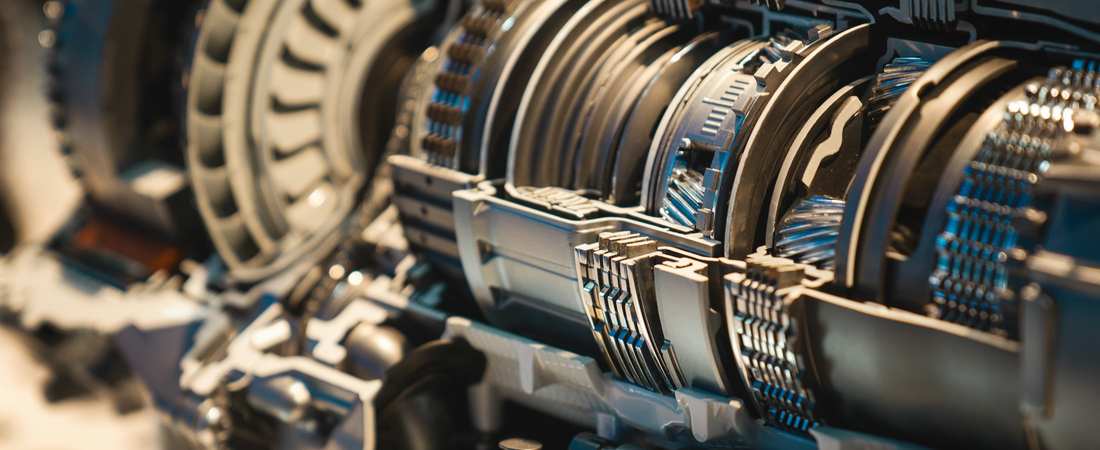
The clutch and pressure plate system is one of the main components that transfer engine power to the transmission. Wear of the clutch disc, irregularities in the pressure mechanism and connection problems can create noise during operation.
These faults may be accompanied by judder when pulling away, a change in the biting point and difficulty when changing gears. However, a noisy clutch does not always mean that the clutch lining is completely worn out.
Noises Caused by the Flywheel
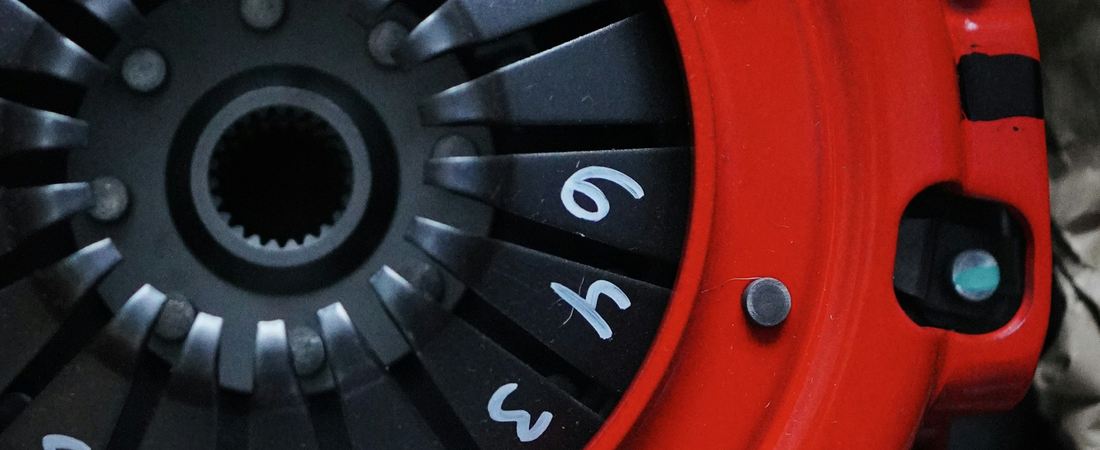
The flywheel helps balance the rotational movement of the engine and contributes to the operation of the clutch system. Especially in vehicles with a dual-mass flywheel, wear in the internal mechanism can create ticking, knocking or vibration.
Flywheel problems can become noticeable when the engine is first started, when it is switched off or during clutch movements. The condition of the flywheel should be checked using methods suitable for the vehicle model.
Problems in the Clutch Pedal Mechanism
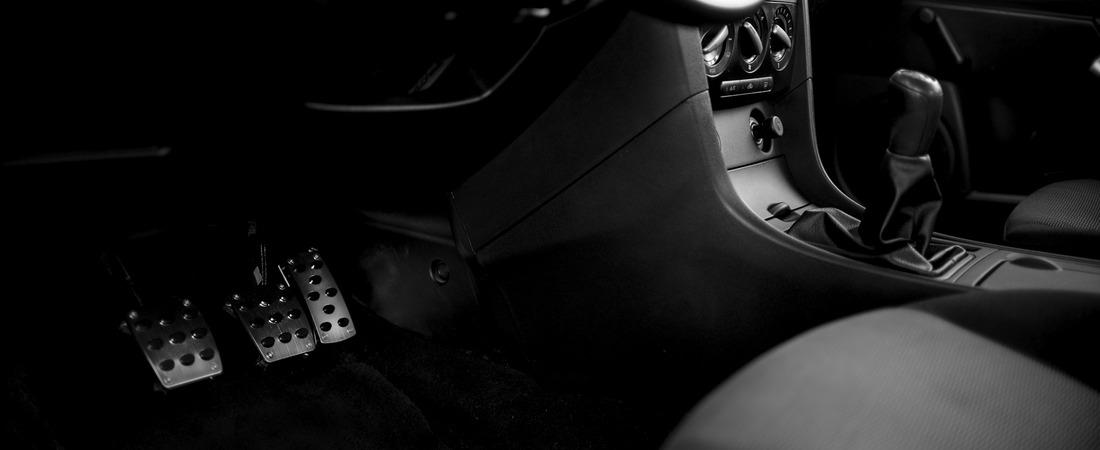
The pivot points, bushings and moving parts of the clutch pedal can wear over time. This can cause squeaking or rubbing noises, especially while the pedal is moving.
In hydraulic clutch systems, the master cylinder, slave cylinder and related mechanical connections should also be checked. Determining whether the noise is coming from the pedal area or from the transmission side makes fault diagnosis easier.
What Types of Noises Come From the Clutch?
Different faults in the clutch system can provide some clues based on the character of the noise. Humming, squeaking and metallic noises do not necessarily come from the same part.
Humming Noise When Pressing the Clutch
A hum that occurs when the clutch pedal is pressed may be related to wear of the release bearing. The bearing being under load during operation can make the noise more noticeable.
If the hum disappears when the pedal is fully released, the release mechanism should be examined. However, this alone is not a definitive fault diagnosis.
Squeaking Noise When Pressing the Clutch
A squeaking noise can usually be caused by friction in the pedal mechanism, the connecting bushings or the moving parts.
Squeaks heard when the pedal is pressed slowly may require the pedal connections to be checked. In some cases, the noise is heard inside the cabin while the mechanical problem is in the connections on the transmission side.
Ticking and Metallic Noises From the Clutch
Ticking or metallic knocking may be related to play in the flywheel and clutch system components.
For noises heard especially while the engine is idling or when the clutch is released, the dual-mass flywheel, the fasteners and the transmission components should be evaluated. It is important not to ignore loud metallic noises.
Why Are the Noises Different When Pressing and Releasing the Clutch?
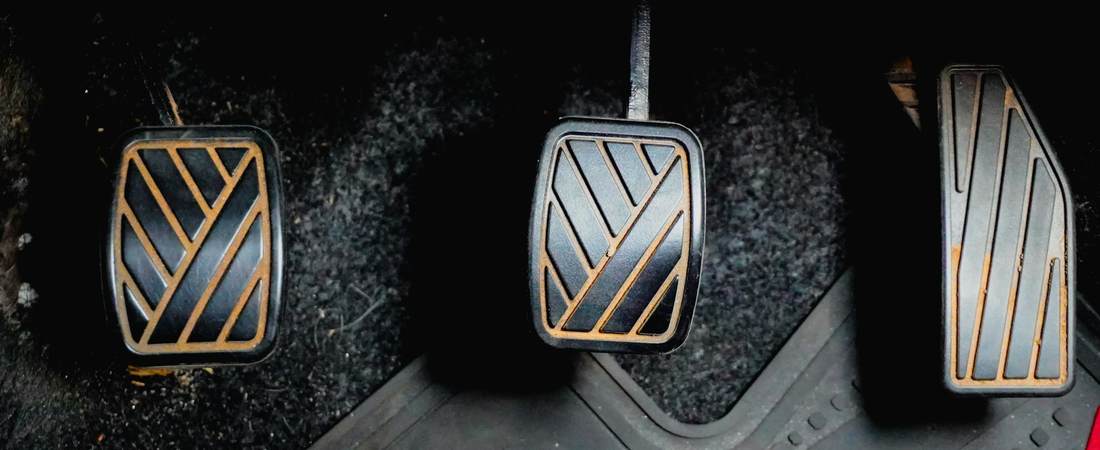
When the clutch pedal is pressed, the power transfer conditions between the engine and the transmission change. When the pedal is released, the clutch returns to the engaged position.
For this reason, while parts such as the release bearing work under different loads when the pedal is pressed, noises from components such as the transmission input shaft bearings may become more noticeable when the pedal is released.
For example, a hum that is heard when the clutch is released at idle and disappears when the pedal is pressed may require the parts on the transmission input side to be examined. However, the way the noise occurs only provides a preliminary assessment.
Which Faulty Parts Does Noise From the Clutch Indicate?
Noises from the clutch may require different components in the system to be checked. Before deciding to replace any part, the relationship of the noise with pedal movements, engine speed and gear position should be evaluated.
Checking the Clutch Bearing and Pressure Plate
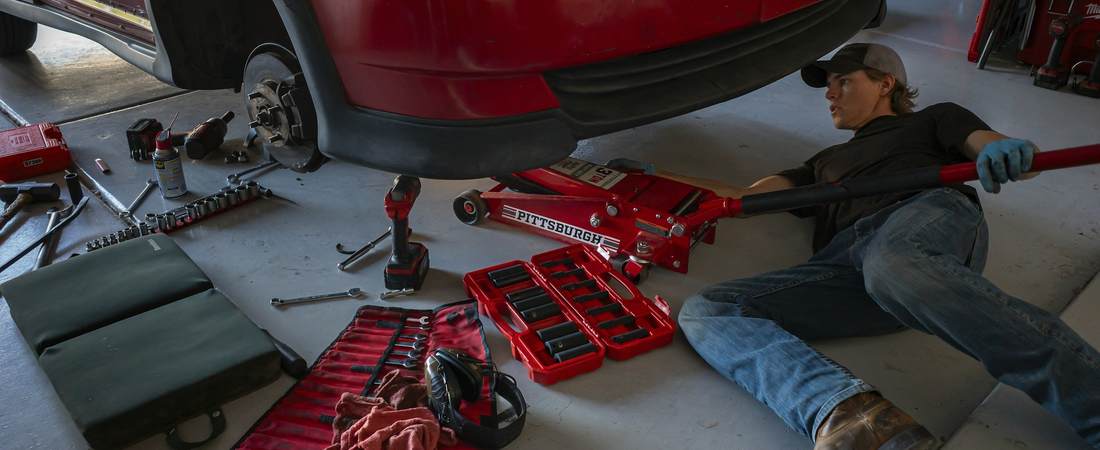
The running surfaces of the clutch bearing should be examined for wear, play or irregular rotation. The movement of the pressure mechanism and the physical condition of the clutch disc are also evaluated.
In some vehicles, the transmission may need to be removed for a detailed check of these parts. For this reason, an accurate preliminary diagnosis is important in terms of labor costs.
Checking the Flywheel and Transmission Input Shaft
The flywheel and the transmission input shaft bearings can cause noises that are perceived as if they were coming from the clutch.
Excessive movement, play and signs of damage in the flywheel should be examined using the inspection methods specified by the manufacturer. The condition of the transmission input bearing is also evaluated by taking into account the relationship of the noise with the pedal position.
How Do You Fix the Noise When Pressing the Clutch?
To eliminate the noise when pressing the clutch, the faulty part must be identified. While a simple friction problem in the pedal connections can be solved with appropriate maintenance, bearing or flywheel faults may require part replacement.
If there is extensive wear in the clutch and pressure plate system, it is important to evaluate the related components together. When the clutch kit is replaced, the condition of the flywheel and other accessible parts can also be checked.
After the fault has been fixed, it should be tested whether the pedal movement, biting point and gear changes are working normally.
Can You Drive a Car With a Noisy Clutch?
Whether a car with a noisy clutch can be driven depends on the cause and severity of the problem. A slight pedal squeak and a serious bearing or flywheel fault are not at the same level of risk.
In particular, if there is difficulty when changing gears, the pedal sticking, noticeable judder or loud metallic noises, driving the vehicle may become risky.
If the problem progresses, the clutch may be unable to do its job and the vehicle may lose its ability to move. In the case of symptoms that affect safe operation, technical support should be sought instead of continuing to drive.
Frequently Asked Questions About Clutch Noises
The most frequently asked questions about clutch noises concern the symptoms of a failing release bearing and the possible repair costs.
What Happens If the Clutch Release Bearing Fails?
When the clutch release bearing fails, humming, rubbing or growling may be heard during pedal movements. If the fault progresses, it may become difficult for the clutch to disengage properly and gear changes may be adversely affected.
Is Noise When Pressing the Clutch a Pressure Plate Fault?
Noise when pressing the clutch may be related to the clutch and pressure plate system, but it does not necessarily mean a clutch lining fault. The clutch bearing, flywheel and pedal mechanism should also be evaluated.
Is Noise From the Clutch an Expensive Fault?
The repair cost depends on the faulty part and the mechanical design of the vehicle. While simple problems in the pedal connections require a more limited intervention, bearing or flywheel replacements that require removing the transmission can be more costly.
Assessing clutch noises early helps preserve vehicle performance and driving safety. Professional inspection should not be neglected, especially if the noise is accompanied by changes in clutch engagement and gear changes.