





- Why Does the Gearbox Make Noise?
- Worn Gearbox Bearings
- Low or Degraded Gearbox Oil
- Gear and Synchromesh Problems
- Gearbox Mounting and Mount Problems
- What Types of Noises Come From the Gearbox?
- Humming Noise From the Gearbox
- Grinding and Gear Noise When Changing Gear
- Ticking and Knocking Noise From the Gearbox
- Are the Causes of Noise Different in Manual and Automatic Gearboxes?
- Noises From a Manual Gearbox
- Noises From an Automatic Gearbox
- How Can You Tell If the Gearbox Is Faulty?
- Difficulty Changing Gear
- Vibration, Oil Leaks and Abnormal Noises
- How Do You Fix Gearbox Noise?
- Can You Drive a Car With a Noisy Gearbox?
- Frequently Asked Questions About Gearbox Noises
- Does Low Gearbox Oil Cause Noise?
- How Can You Tell a Gearbox Bearing Has Failed?
- Is a Humming Noise From the Gearbox Dangerous?
Noise from the gearbox can be caused by gear and bearing wear, insufficient lubrication, mounting problems or faults in the internal mechanism of the gearbox. A hum heard while the vehicle is moving, a grinding noise when changing gear or knocks felt during acceleration can be symptoms of different problems. Since manual and automatic gearboxes work in different ways, the source of the noise can also vary depending on the type of vehicle. Noises that get steadily louder and problems with gear changes in particular require an early check to prevent greater mechanical damage.
Why Does the Gearbox Make Noise?
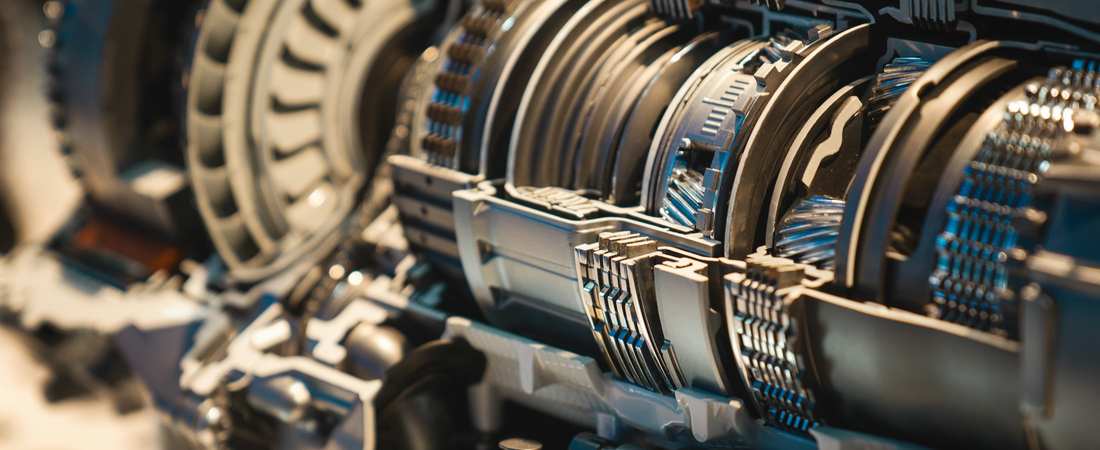
The gearbox transfers the movement produced by the engine to the drivetrain at different gear ratios. The gears, bearings and other mechanical components inside it need certain lubrication and operating conditions. When these conditions deteriorate, noises caused by friction and vibration can occur.
Worn Gearbox Bearings
Gearbox bearings help the rotating shafts move smoothly. Bearings that wear over time can create humming or growling noises as they rotate.
Bearing noises can become more noticeable in certain gears, at certain speeds or under certain load conditions. As the wear progresses, it can also affect the other internal parts of the gearbox.
Low or Degraded Gearbox Oil
Gearbox oil lubricates the moving parts in the system and maintains suitable operating conditions. A drop in the oil level or the oil losing its properties can increase mechanical wear.
Insufficient lubrication can cause humming and irregular operation in the gearbox. However, not every gearbox noise is caused by a lack of oil, and not all mechanical faults can be fixed by an oil change alone.
Gear and Synchromesh Problems
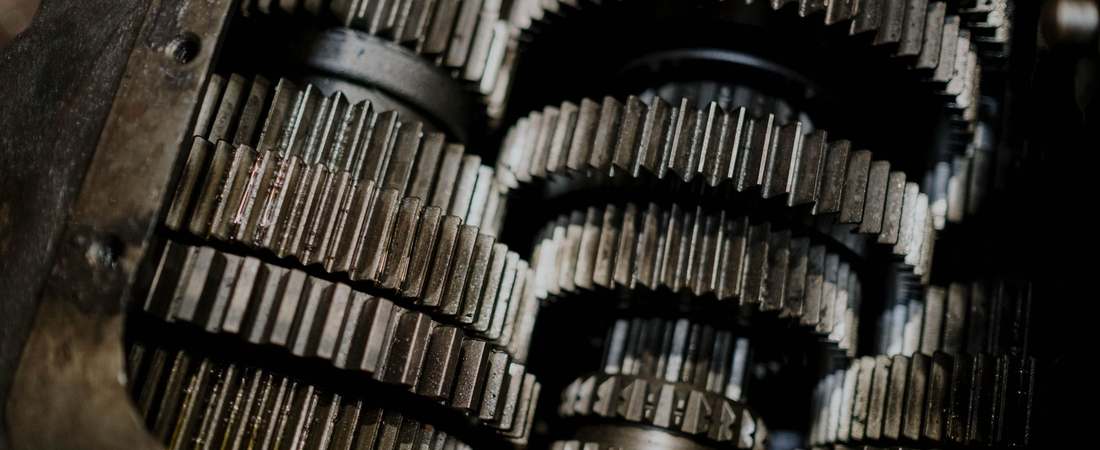
In manual gearboxes, the gears and synchromesh mechanisms make sure gear changes happen smoothly. Wear on these parts can lead to grinding or gear noise, especially during gear changes.
Difficulty engaging a particular gear, noise or the gear jumping out into neutral on its own are symptoms that require a mechanical examination.
Gearbox Mounting and Mount Problems
Gearbox mounts attach the drivetrain to the vehicle body in a controlled way. Worn mounts can cause more engine and gearbox movement to be transmitted to the cabin.
Knocks heard especially when pulling away, when accelerating or during gear changes may be related to mounting problems. These symptoms should not be confused with an internal gearbox fault.
What Types of Noises Come From the Gearbox?
Gearbox noises appear in different forms depending on the part where the fault occurs and the operating conditions. When noises such as humming, grinding and knocking are heard is important in the diagnostic process.
Humming Noise From the Gearbox
A humming noise from the gearbox may be related to bearing wear or irregularities in gear contact. The noise changing with vehicle speed, the selected gear or engine load gives important clues.
To find the source of hums that appear in particular gears, the gearbox oil level and mechanical components should be checked.
Grinding and Gear Noise When Changing Gear
Gear noise heard when changing gear can occur in manual gearboxes due to synchromesh wear or the clutch not disengaging fully.
When a stiff gear lever, a catching feeling during the change and a grinding noise are evaluated together, the source of the fault can be determined more accurately. Forcing the gears can make the problem worse.
Ticking and Knocking Noise From the Gearbox
Ticking or knocking heard from the gearbox may be related to gear backlash, mounting problems and wear in the drivetrain.
Knocks heard especially when first pulling away or when switching between forward and reverse should be checked in terms of the gearbox mounts and connections. In automatic gearboxes, hydraulic or electronic control problems are also evaluated.
Are the Causes of Noise Different in Manual and Automatic Gearboxes?
Although manual and automatic gearboxes have different operating mechanisms, wear and lubrication problems can create noise in both systems. Checks suited to the gearbox type should be carried out during fault diagnosis.
Noises From a Manual Gearbox
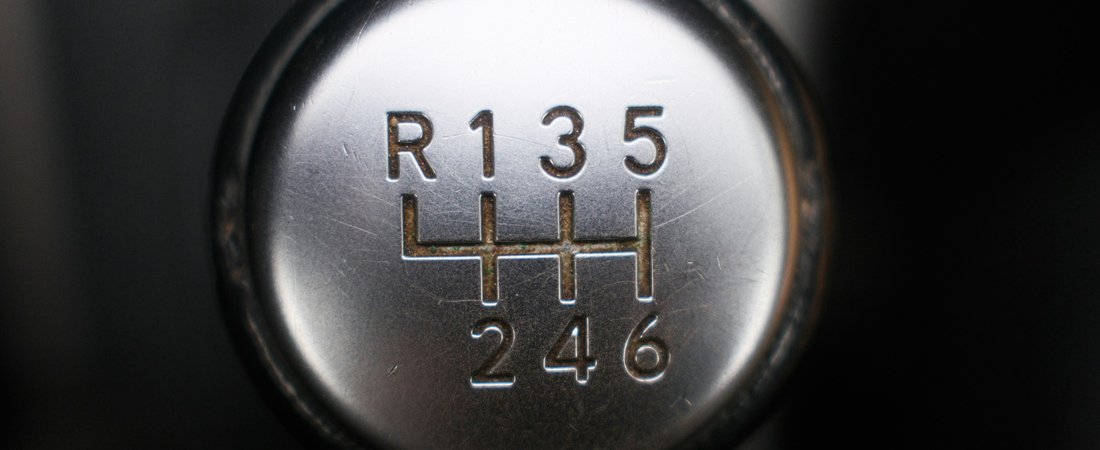
In manual gearboxes, the bearings, gears, synchromeshes and clutch system are possible sources of noise.
Symptoms such as a hum in a particular gear, a noise that changes when the clutch is released or grinding during gear changes in particular require the mechanical parts to be examined. It is important not to confuse clutch problems with a gearbox fault.
Noises From an Automatic Gearbox
In automatic gearboxes, noises can come from different sources depending on the type of gearbox. These include the hydraulic torque converter, oil pump, bearings and internal clutch mechanisms.
The mechanical designs of dual-clutch and continuously variable transmissions are also different from each other. For this reason, the technical specifications of the system should be taken into account during fault diagnosis.
How Can You Tell If the Gearbox Is Faulty?
Gearbox faults may not be limited to noise. Symptoms such as changes in gear shifts, vibration and oil leaks also require the system to be checked.
Difficulty Changing Gear
In a manual gearbox, the gear lever moving with difficulty, a gear not engaging or noise during the change may be related to the clutch or gearbox components.
In automatic vehicles, delayed engagement, harsh gear changes or unexpected rpm changes while driving require a technical examination.
Vibration, Oil Leaks and Abnormal Noises
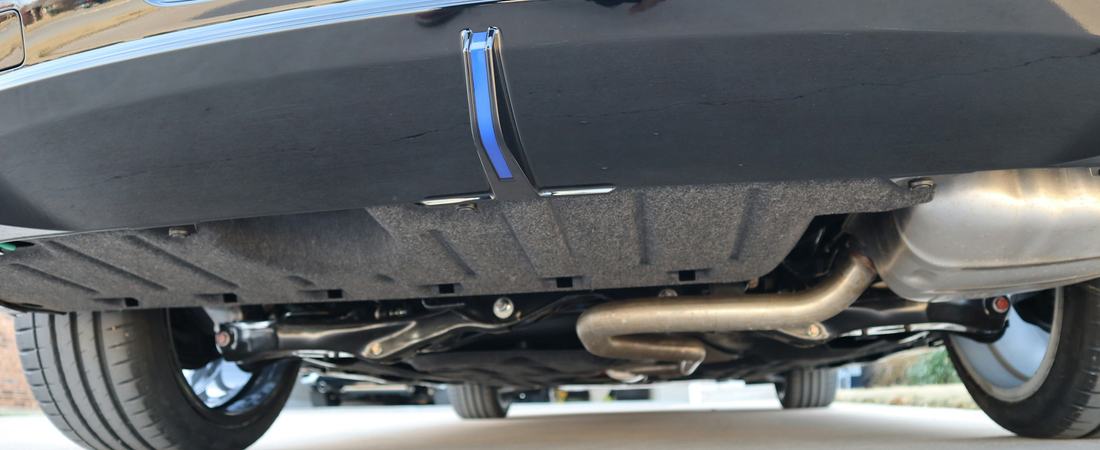
An oil leak around the gearbox can cause the oil level to drop. A low oil level, in turn, can lead to more wear on the internal parts.
Vibration while the vehicle is moving or a continuous metallic noise from the gearbox also increases the likelihood of a mechanical fault. However, these symptoms may also be related to engine and axle system problems.
How Do You Fix Gearbox Noise?
Eliminating gearbox noise depends on correctly diagnosing the fault. In the first stage, the oil level, the condition of the oil, the connections and, if any, electronic fault records are examined.
If there is an oil leak, its source should be repaired. When bearing or gear wear is detected, the gearbox may need to be repaired or the related parts replaced.
In automatic gearboxes, the type and level of the oil to be used and the change procedure should comply with the manufacturer's instructions. The wrong oil or incorrect maintenance practices can cause new problems.
Can You Drive a Car With a Noisy Gearbox?
Whether a car with a noisy gearbox can be driven depends on the severity of the fault. Even a slight noise can be a sign of progressing wear in the internal mechanism.
In particular, you should not continue driving if a gear will not engage, the vehicle loses power transfer while moving, there are loud metallic noises or there is a serious oil leak.
Such symptoms can lead to loss of control or heavy damage to mechanical parts. The vehicle should be stopped safely and, where necessary, taken to a service center with the help of a tow truck.
Frequently Asked Questions About Gearbox Noises
A large proportion of the questions about gearbox noises relate to the oil level, bearing wear and the safety of a noisy gearbox.
Does Low Gearbox Oil Cause Noise?
Yes. Low gearbox oil can cause the moving parts to be insufficiently lubricated and friction to increase. However, the source of the noise cannot be determined by checking the oil level alone.
How Can You Tell a Gearbox Bearing Has Failed?
When a gearbox bearing fails, humming, growling and vibration may be seen at certain speeds or in certain gears. For a definitive diagnosis, the mechanical condition of the bearings and the operating conditions of the noise should be examined.
Is a Humming Noise From the Gearbox Dangerous?
How dangerous the hum is depends on the source of the problem. If internal bearing or gear damage progresses, it can seriously affect the operation of the gearbox.
Early diagnosis of gearbox noises can help prevent costly repairs and unexpected breakdowns. In addition to regular maintenance, having newly appearing noises checked in good time is important for the reliable operation of the drivetrain.