






- Why Is My Car Making a Humming Noise?
- Worn Wheel Bearings
- Humming Noises Caused by the Tires
- Transmission and Differential Problems
- Noises From the Engine and Exhaust System
- When Does a Humming Noise From the Car Occur?
- Humming Noise That Increases With Speed
- Humming Noise When Turning the Steering Wheel
- Humming Noise Heard at Idle
- Which Parts Should Be Checked If Your Car Is Making a Humming Noise?
- Tires and Wheel Bearings
- Transmission and Drivetrain
- Belts and Engine Auxiliary Equipment
- How Is the Source of a Humming Noise From the Car Identified?
- How Do You Get Rid of a Humming Noise From the Car?
- Can You Keep Driving a Car That Is Making a Humming Noise?
- Frequently Asked Questions About Humming Noises From the Car
- Why Does My Car Hum When Accelerating?
- How Can You Tell a Wheel Bearing Humming Noise?
- Is Humming Noise From the Tires Normal?
A humming noise from the car can be caused by various problems in the wheel bearings, tires, transmission, differential or engine system. In particular, a hum that increases as the vehicle accelerates, changes with steering movements or is heard at idle may require different mechanical parts to be checked. While some noises are a natural result of road and tire conditions, a hum that persists or gets steadily louder may be a sign of a possible fault. Determining the conditions under which the noise occurs is important for finding the source of the problem and avoiding unnecessary part replacements.
Why Is My Car Making a Humming Noise?
The causes of a humming noise from the car are related to wear on the vehicle's moving parts and the operating conditions of the mechanical systems. The way the noise changes with speed, engine speed or road surface gives important clues as to which part may be faulty.
Worn Wheel Bearings
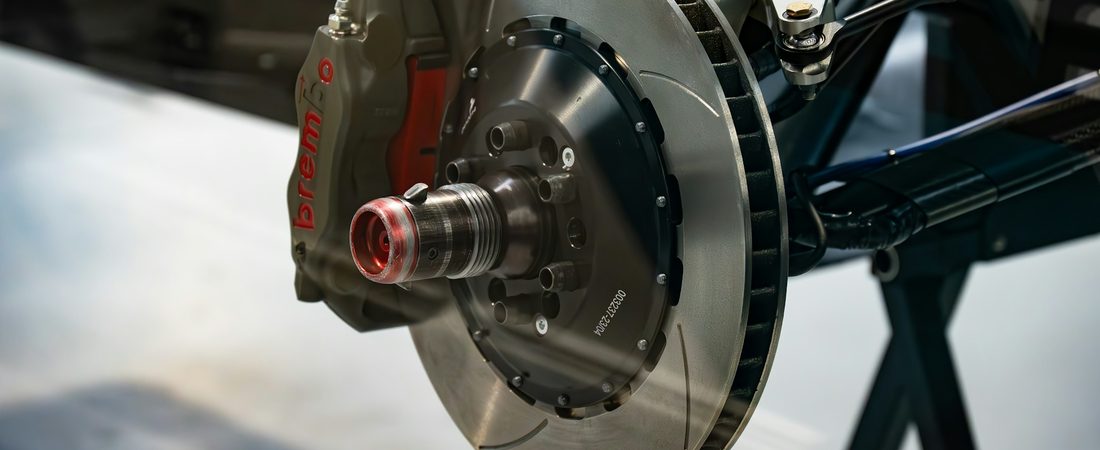
Wheel bearings allow the wheels to rotate smoothly and with low friction. Bearings that wear or become damaged over time can produce a continuous hum while the vehicle is moving.
Bearing noise usually becomes more pronounced as speed increases. The intensity of the hum may also vary as the load on the wheels changes during cornering. However, it is not always possible to tell which side the noise is coming from just while driving. For a definitive diagnosis, the bearing play and rotation should be checked by a specialist.
Humming Noises Caused by the Tires
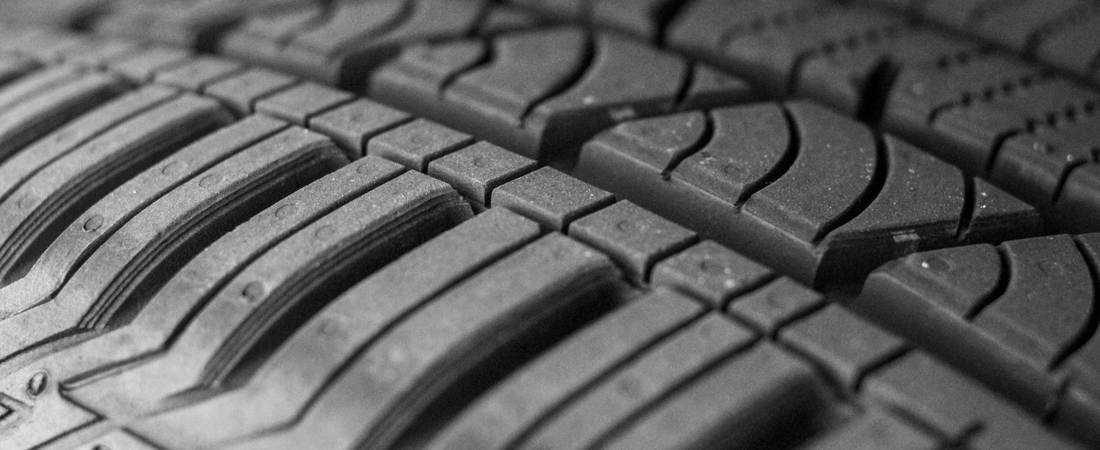
The tread pattern of the tires, their wear pattern and their contact with the road surface can cause a humming noise. Unevenly worn tires in particular can produce low-frequency sounds heard inside the cabin at certain speeds.
Incorrect tire pressure, wheel alignment faults and suspension problems can increase uneven wear. The tread patterns of some tires also produce more road noise than others. For this reason, it should not be assumed that the hum is caused only by a mechanical fault.
Transmission and Differential Problems
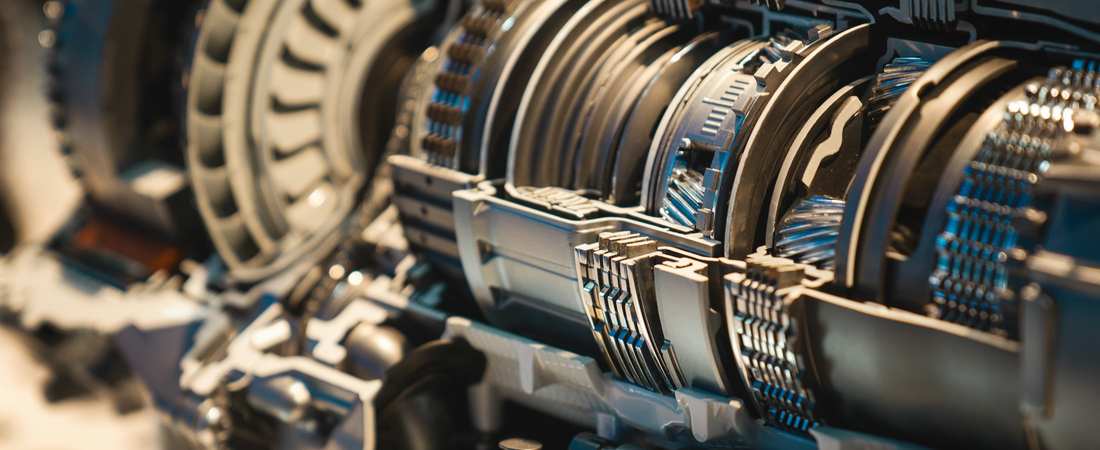
The transmission and differential are responsible for transferring the power produced by the engine to the wheels. Gear wear, bearing problems or lubrication problems in these systems can lead to a hum.
In particular, noises that increase during acceleration, change when you lift off the accelerator or appear in certain gears may be related to the drivetrain. Early inspection is important, as the problem progressing can cause more extensive mechanical damage.
Noises From the Engine and Exhaust System
Bearings in the engine's auxiliary equipment, belt-driven parts and exhaust components can also cause a hum.
Wear in the alternator, air conditioning compressor or other auxiliary equipment can create noises that depend on engine speed. Loose connections or resonance problems in the exhaust system can lead to a hum that reaches the cabin within certain rpm ranges.
When Does a Humming Noise From the Car Occur?
The driving conditions under which the hum is heard are an important indicator in fault diagnosis. The sources of noises that occur while the vehicle is accelerating, while the steering wheel is being turned or while the engine is idling may be different.
Humming Noise That Increases With Speed

A hum that increases as the vehicle speeds up usually requires the parts related to the rotational speed of the wheels to be examined. The tires, wheel bearings and differential are among these parts.
It should be distinguished whether the noise changes with engine speed or with the vehicle's road speed. For example, if the noise changes in different gears at the same speed, this may point to an engine or transmission problem.
Humming Noise When Turning the Steering Wheel
A hum that occurs when the steering wheel is turned may be related to the wheel bearings or the power steering system.
In vehicles with hydraulic power steering, the fluid level and pump condition should be checked, while in electrically assisted systems different components should be examined. A hum that changes in corners may require the wheel bearings to be evaluated.
Humming Noise Heard at Idle
A hum heard while the vehicle is stationary may be related to the engine and auxiliary systems rather than to tire and wheel problems.
If the noise increases when the air conditioning switches on, the compressor or related bearings may need to be checked. For noises that change as engine speed rises, the belt system, alternator and engine mountings should be evaluated.
Which Parts Should Be Checked If Your Car Is Making a Humming Noise?
The parts to be checked to determine the source of the humming noise should be chosen according to the character of the noise and the conditions in which it occurs. It should be remembered that not every hum points to the same fault.
Tires and Wheel Bearings
First, the wear condition of the tires, their air pressure and any irregularities on their surface should be examined. Sawtooth-shaped wear in particular can increase road noise.
For the wheel bearings, play, rotational resistance and abnormal running noise are checked. If necessary, the vehicle is lifted and a detailed examination is carried out with suitable equipment.
Transmission and Drivetrain
The transmission, differential and axle connections are among the possible sources of the hum. When checking these parts, oil leaks, play in the connections and signs of wear are evaluated.
Hums that occur in a particular gear or only when accelerating should be given special attention in fault diagnosis.
Belts and Engine Auxiliary Equipment
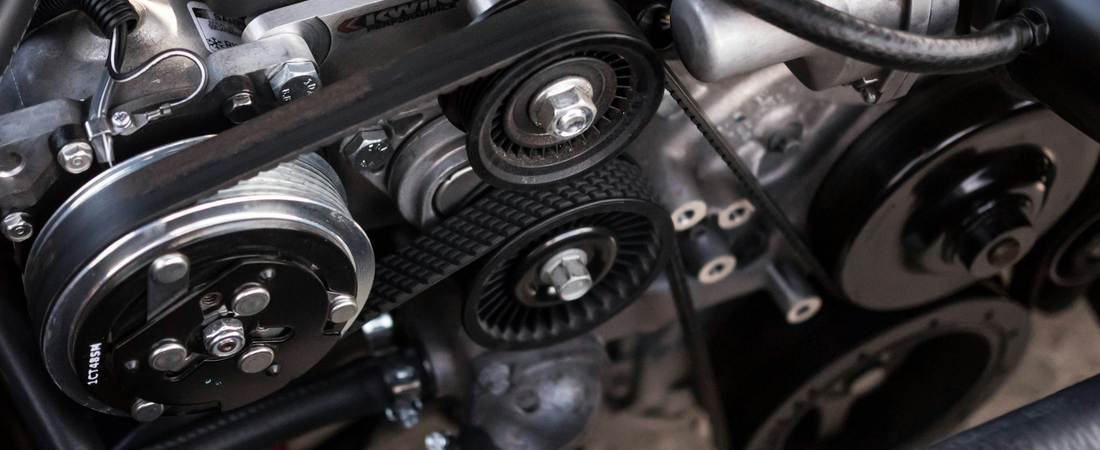
Engine belts, tensioner bearings and auxiliary equipment may start to run noisily over time. Incorrect belt tension or worn bearings can create hums that change with engine speed.
When checking these components, you should not reach into the moving parts of a running engine.
How Is the Source of a Humming Noise From the Car Identified?
To find the source of the hum, it should first be determined when the noise started and under which conditions it changes. Vehicle speed, engine speed, road surface and steering movements are important points of comparison.
A controlled road test in a service environment, a mechanical examination and, where necessary, the use of vibration or noise detection equipment help to identify the faulty part.
For example, a hum that changes on different road surfaces may come from the tires, while a noise that persists continuously at certain speeds may be related to bearing or drivetrain problems. However, a definitive diagnosis should not be made based on the character of the noise alone.
How Do You Get Rid of a Humming Noise From the Car?
Eliminating a humming noise from the car depends on correctly identifying the part causing the problem. For tire-related noises, correcting the pressure, checking the wheel alignment and suspension or, when necessary, replacing the tires can provide a solution.
In the case of bearing wear, the related part usually needs to be replaced. For hums caused by the transmission or differential, the lubrication system may need to be checked and the faulty mechanical components repaired.
Noises from the engine's auxiliary equipment can be eliminated through maintenance of the bearings or belt system. To avoid unnecessary costs, parts should not be replaced before the source of the noise has been confirmed.
Can You Keep Driving a Car That Is Making a Humming Noise?
Whether you can keep driving a car that is making a humming noise depends on the source and severity of the noise. While mild road noise from the tires may be normal, a faulty wheel bearing or drivetrain can create serious safety risks.
If the noise is gradually getting louder, occurs together with vibration, you feel a difference in steering control or there is abnormal heating in the vehicle, it may not be safe to continue driving.
In particular, in the case of loud metallic noises, noticeable play in the wheels or deterioration in driving stability, the vehicle should be stopped in a safe place and professional help should be sought.
Frequently Asked Questions About Humming Noises From the Car
The most frequently asked questions about humming noises from the car concern the relationship between the noise and speed, the symptoms of bearing failure and whether noise from the tires can be considered normal.
Why Does My Car Hum When Accelerating?
A hum that increases with speed can be caused by tire wear, a wheel bearing failure or differential problems. The possible causes can be narrowed down by examining whether the noise changes with vehicle speed or with engine speed.
How Can You Tell a Wheel Bearing Humming Noise?
A wheel bearing hum is usually a continuous noise that becomes more pronounced as speed increases. The noise changing in corners can be an important symptom, but a mechanical check is required for a definitive diagnosis.
Is Humming Noise From the Tires Normal?
A certain level of hum caused by the tires' contact with the road surface is normal. However, if the noise suddenly increases or appears together with uneven wear, it needs to be checked.
Correctly assessing a humming noise from the car is important both for maintaining driving safety and for preventing possible mechanical faults from getting worse. Keeping track of when and under which conditions the noise is heard and having it checked by a specialist can also prevent unnecessary repairs.