





- What Is Odometer Rollback?
- How to Tell If a Car's Odometer Has Been Rolled Back?
- Examining the Instrument Panel and Mileage Information
- Checking Wear on the Steering Wheel, Pedals and Seats
- Examining the Condition of the Engine and Mechanical Parts
- Mismatches Between Vehicle Age and Mileage
- How Do You Check a Car's Mileage History?
- Checking TÜVTÜRK Vehicle Inspection Records
- Reviewing the Authorized Service and Maintenance History
- Comparing Previous Inspection Reports
- Can a Pre-Purchase Inspection Detect a Rolled-Back Odometer?
- Electronic Check With an OBD Device
- Examining the Mileage Data in the Vehicle's Control Units
- Comparing Mechanical Wear and Maintenance History
- How Is Digital Odometer Rollback Detected?
- What Are the Risks of Buying a Car With a Rolled-Back Odometer?
- What Should You Do If You Have Bought a Car With a Rolled-Back Odometer?
- Reviewing the Sales Documents and Vehicle Records
- Legal Rights and Remedies
- Frequently Asked Questions About Vehicle Mileage
- How Can You Tell If a Car's Mileage Is Original?
- Does a Car With a Rolled-Back Odometer Pass the Roadworthiness Inspection?
- Can Odometer Rollback Be Detected With a Computer?
- Can a Car With a Rolled-Back Odometer Be Returned?
A car with a rolled-back odometer is a vehicle whose mileage reading on the instrument panel has been altered to show less than the distance the vehicle has actually covered. Odometer tampering can create misleading information about the vehicle's usage history when buying a second-hand car. This makes it difficult to determine the vehicle's real value and can also lead to an incorrect assessment of its maintenance and mechanical wear. To identify cars with rolled-back mileage, inspection records, service history, pre-purchase inspection results and physical signs of wear on the vehicle should be examined together. Comparing mileage readings recorded on different dates in particular plays an important role in revealing possible inconsistencies.
What Is Odometer Rollback?
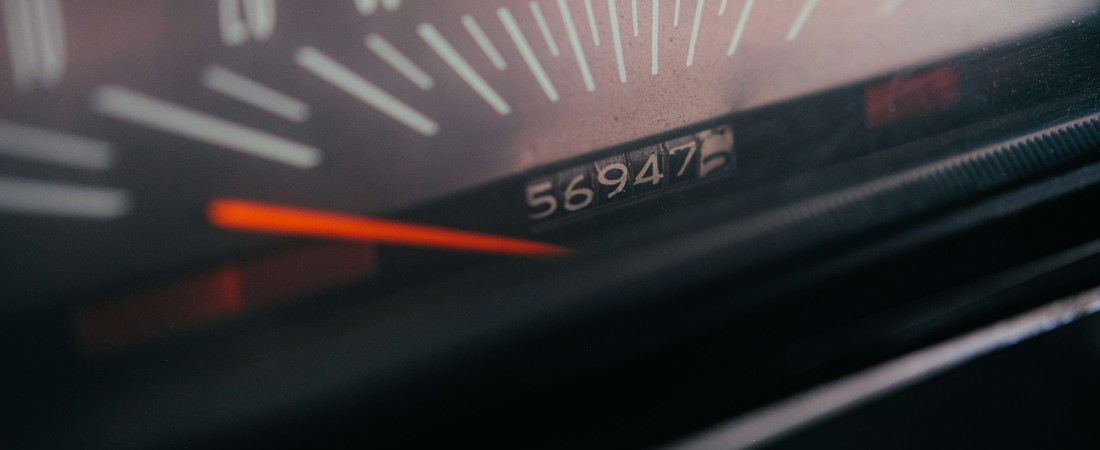
Odometer rollback is making the data on the odometer, which shows the vehicle's total distance covered, appear lower than it actually is.
This can be done by tampering with mechanical or digital instrument systems. Especially in the second-hand car market, vehicles with lower mileage being regarded as less used makes mileage an important sales criterion.
Showing false mileage can lead to the vehicle's maintenance history and mechanical condition being misunderstood.
However, not every inconsistency in the odometer necessarily means deliberate tampering. Instrument cluster replacement, recording errors or technical faults can also cause different mileage readings to appear.
How to Tell If a Car's Odometer Has Been Rolled Back?
A single check should not be relied upon to detect cars with rolled-back mileage. More reliable results can be obtained when the physical wear on the vehicle, electronic data and past records are evaluated together.
Examining the Instrument Panel and Mileage Information
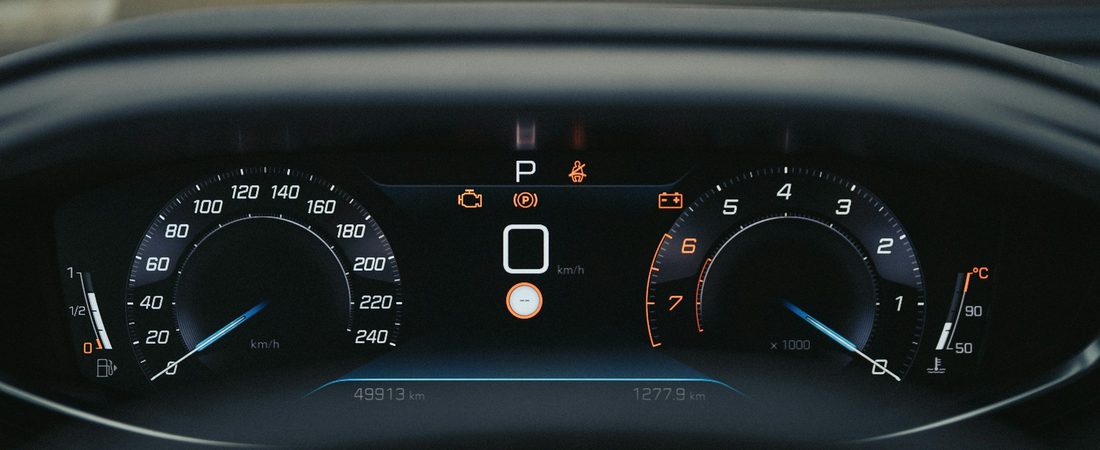
First, the mileage reading on the vehicle's instrument panel should be checked. Signs of removal, mismatched parts or unusual signs of tampering on the instrument panel may require a more detailed examination.
However, since mileage is managed electronically in modern vehicles, no signs of tampering may be visible from the outside.
For this reason, the mileage on the display needs to be compared with past records.
Checking Wear on the Steering Wheel, Pedals and Seats
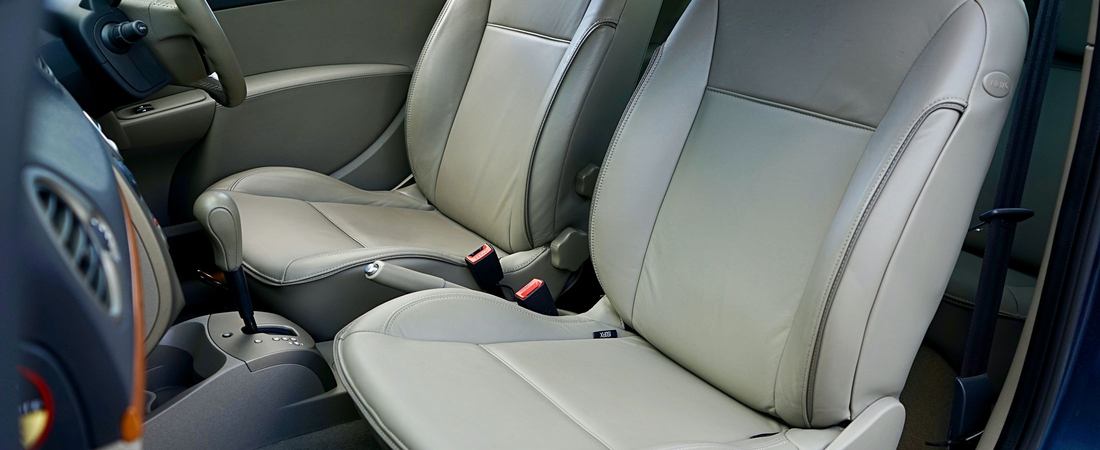
Wear in the vehicle's interior can give an idea of how intensively it has been used.
Shine on the steering wheel, wear on the pedal rubbers, the condition of the gear lever and deformation of the driver's seat should be evaluated.
For example, heavy signs of use on a vehicle offered as low-mileage may draw attention. However, due to driving habits, material quality and replaced interior parts, these signs should not be accepted as definitive proof.
Examining the Condition of the Engine and Mechanical Parts
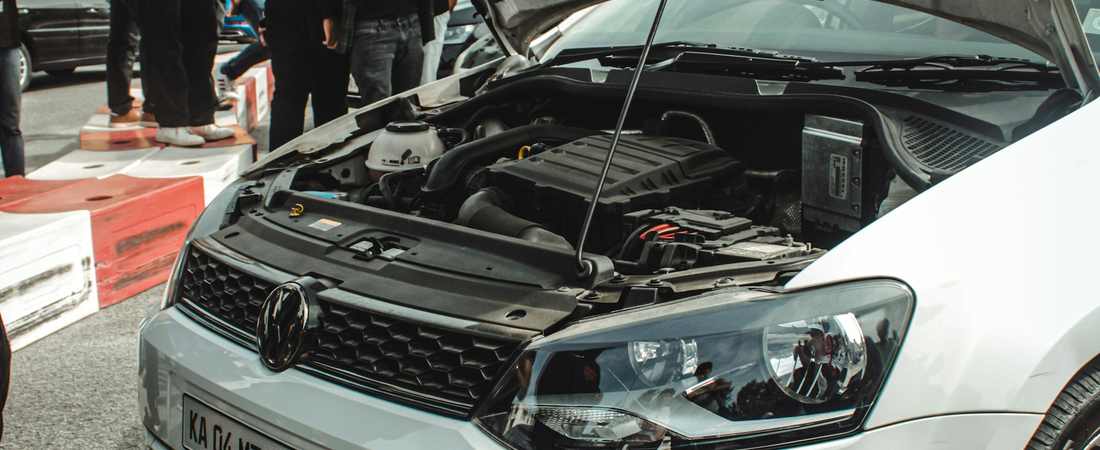
The wear condition of the engine and mechanical parts can provide some clues about the vehicle's usage history.
Engine mounts, the suspension system, steering components and other moving parts should be examined as part of the pre-purchase inspection.
More mechanical wear than expected on a low-mileage vehicle may raise suspicion. However, it should be remembered that faults can also be affected by usage conditions and maintenance history.
Mismatches Between Vehicle Age and Mileage
When evaluating the relationship between the vehicle's age and its mileage, the purpose of use should be taken into account.
While it is possible for a vehicle used for many years to have low mileage, it is important to verify this with past maintenance and inspection records.
Different conditions such as commercial use, long-distance driving or seasonal use can affect how mileage accumulates.
For this reason, it should not be concluded that the odometer has been rolled back just by looking at the age of the vehicle.
How Do You Check a Car's Mileage History?
Vehicle mileage checks are carried out to compare mileage readings recorded in past periods. In Turkey, inspection records and maintenance history are important data sources that can be used for this.
Checking TÜVTÜRK Vehicle Inspection Records
The mileage readings recorded during vehicle inspections are important for evaluating the vehicle's past use.
In Turkey, past inspection mileage readings can be accessed through the HGS vehicle mileage inquiry service offered by PTT.
The mileages shown in the inquiry result need to be compared in date order. A higher mileage in an older inspection than in the following record is an inconsistency that needs to be investigated.
However, it should also be borne in mind that an incorrect mileage may have been entered into the inspection records.
Reviewing the Authorized Service and Maintenance History
The vehicle's mileage may have been recorded during maintenance carried out at authorized and independent services.
The vehicle's usage history can be evaluated by comparing the mileage values on oil change, periodic maintenance and mechanical repair invoices.
It is especially important that the mileages on service records issued on different dates are consistent with each other.
However, it should be remembered that not all of the vehicle's maintenance may have been recorded.
Comparing Previous Inspection Reports
Mileage readings recorded in previous pre-purchase inspections can help verify past records.
In particular, inspection reports from previous sales should be compared with the current mileage values.
If there are inconsistencies between different records, an explanation and supporting documents should be requested from the vehicle owner.
Can a Pre-Purchase Inspection Detect a Rolled-Back Odometer?
Cars with rolled-back mileage can be detected during a pre-purchase inspection in some cases. However, it cannot be said that mileage tampering can be identified with certainty on every vehicle.
Electronic checks, mechanical examination and comparison of past records should be applied together.
Electronic Check With an OBD Device
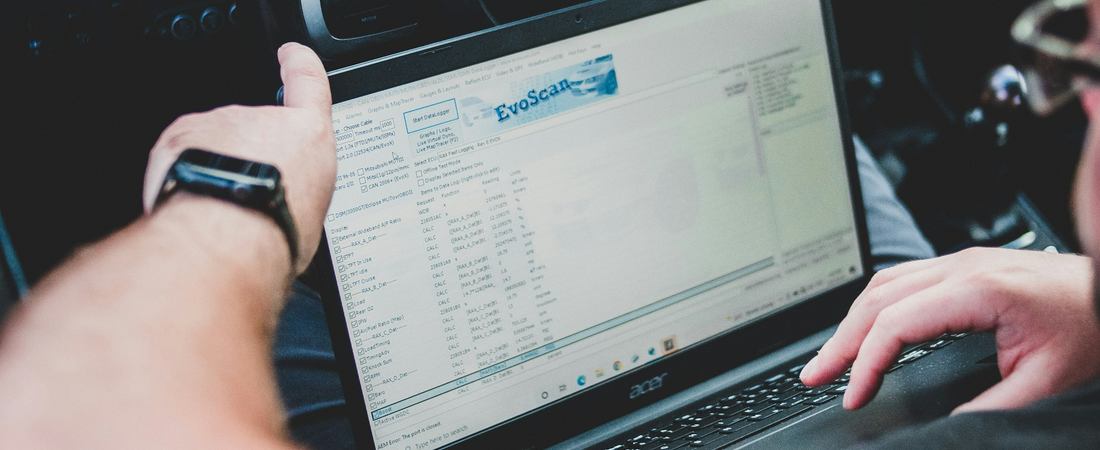
Suitable diagnostic devices used via the OBD connection can allow various data to be read from the electronic control units in the vehicle.
In some vehicles, mileage or usage-related information may be stored in more than one control unit. Comparing this data can help identify possible inconsistencies.
However, the same data cannot be accessed on every make and model. A standard OBD scan does not definitively prove that the mileage is original.
Examining the Mileage Data in the Vehicle's Control Units
Depending on the vehicle's electronic architecture, mileage-related information may be found in different control modules.
It can be investigated whether there are inconsistencies between the data accessible with suitable service equipment.
However, interpreting electronic data requires expertise. It should also be remembered that in some vehicles the mileage information is not stored independently in all control units.
Comparing Mechanical Wear and Maintenance History
It should be evaluated whether the mechanical wear on the vehicle is consistent with the current mileage.
In particular, signs of use on the steering, suspension, pedals and interior parts can be examined together with the service history.
Wear on a single part does not prove that the odometer has been rolled back. For a more reliable result, data obtained from different sources need to support each other.
How Is Digital Odometer Rollback Detected?
Tampering with digital odometers can be harder to spot from the outside than with mechanical gauges.
For this reason, the vehicle's past inspection records, service invoices and, if available, previous inspection reports should be compared first.
The data stored in the electronic control units can also be examined with diagnostic devices suited to the technical specifications of the vehicle model.
However, since the software and hardware used in digital odometer systems vary by make and model, there is no single check method that applies to all vehicles.
The soundest assessment can be made when the electronic examination is supported by the documented vehicle history.
What Are the Risks of Buying a Car With a Rolled-Back Odometer?

Buying a car with a rolled-back odometer can lead to unexpected maintenance and repair needs as well as financial losses.
In a vehicle whose real mileage is unknown, the usage history of the engine, transmission, suspension and other mechanical parts may be assessed incorrectly.
In addition, mileage is one of the important factors affecting a vehicle's second-hand market value. There is a risk of paying more than you should for a vehicle that has actually been used more.
In vehicles whose service intervals depend on mileage, missing or incorrect information can also delay necessary maintenance.
For this reason, it is important to verify the mileage information from as many different sources as possible before buying.
What Should You Do If You Have Bought a Car With a Rolled-Back Odometer?
If you suspect that you have bought a car with a rolled-back odometer, you should first gather documents that support the situation. Then the terms of the purchase and the legal remedies that may apply should be evaluated.
Reviewing the Sales Documents and Vehicle Records
The vehicle sales contract, advertisement details, correspondence and payment documents should be kept.
Past inspection mileages, service invoices and inspection reports should be brought together to identify inconsistencies.
Where necessary, an examination by a technical expert witness can help evaluate the mileage information.
Legal Rights and Remedies
When a vehicle with falsely displayed mileage has been purchased, depending on the circumstances of the specific case, rights may arise under the provisions on defective goods or other legal regulations.
Whether the seller is a commercial business, the nature of the sales contract, the characteristics of the defect and the relevant time limits can affect the legal route to be followed.
Whether a refund of the purchase price, a price reduction or other claims are possible should be evaluated according to the specifics of each case. For this reason, it is important to obtain legal advice together with the documents.
Frequently Asked Questions About Vehicle Mileage
Questions about vehicle mileage focus on determining the real mileage, inspection records and the consequences of odometer rollback.
How Can You Tell If a Car's Mileage Is Original?
The accuracy of a vehicle's mileage can be evaluated by comparing inspection records, service history, pre-purchase inspection results and electronic data. No single check method provides a definitive result on every vehicle.
Does a Car With a Rolled-Back Odometer Pass the Roadworthiness Inspection?
An inconsistency in the mileage information alone does not determine what the vehicle's inspection result will be. The assessment depends on the inspection rules in force. Having passed the inspection does not prove that the mileage is original.
Can Odometer Rollback Be Detected With a Computer?
On some vehicles, mileage inconsistencies can be detected by comparing the data in the control units using suitable diagnostic devices. However, this method does not provide a definitive result on all makes and models.
Can a Car With a Rolled-Back Odometer Be Returned?
For vehicles with falsely displayed mileage, depending on the circumstances of the case and the applicable legal regulations, withdrawal from the sale and a refund claim may become possible. However, it cannot be said that there is an automatic right of return in every case.
Verifying the mileage information when buying a second-hand car helps prevent unexpected mechanical costs and financial losses. Evaluating inspection records, service history and pre-purchase inspection data together in particular makes it possible to reach a more reliable conclusion about the vehicle's real usage.