




- Why Is My Engine Making a Whistling Noise?
- Whistling Noise Caused by the Turbo System
- Leaks in the Air Intake System
- V-Belt and Tensioner Bearing Problems
- Noises Caused by Vacuum Hoses
- Leaks in the Exhaust System
- In Which Situations Does the Whistling Noise From the Engine Increase?
- Whistling Noise From the Engine When Accelerating
- Whistling Noise When the Engine Is Cold
- Whistling Noise From the Engine at Idle
- Are the Causes of Whistling Noise Different in Diesel and Petrol Cars?
- How Is the Source of a Whistling Noise From the Engine Identified?
- Checking the Turbo and Air Hoses
- Checking the Belts and Bearings
- How Do You Fix a Whistling Noise From the Engine?
- Is a Whistling Noise From the Engine Dangerous?
- Frequently Asked Questions About Whistling Noises From the Engine
- Is a Whistling Noise When Accelerating a Turbo Failure?
- Can a Whistling Noise From the Engine Be Normal?
- Can You Drive If the Engine Is Making a Whistling Noise?
A whistling noise from the engine can be caused by pressure changes in the turbo system, leaks in the air intake line, belt and bearing wear or vacuum system problems. While a slight whistle-like sound is part of the normal operating characteristics of some turbocharged engines, noises that appear later, get steadily louder or occur together with a loss of performance may point to a mechanical problem. Whether the noise is heard when the engine is cold, at idle or when the accelerator is pressed provides important clues for determining the source of the fault.
Why Is My Engine Making a Whistling Noise?
While the engine is running, airflow, belt movements and rotating parts can create sounds at different frequencies. Distinct whistles heard apart from normal operating noises can come especially from leaks in systems that affect air pressure or from mechanical wear.
Whistling Noise Caused by the Turbo System
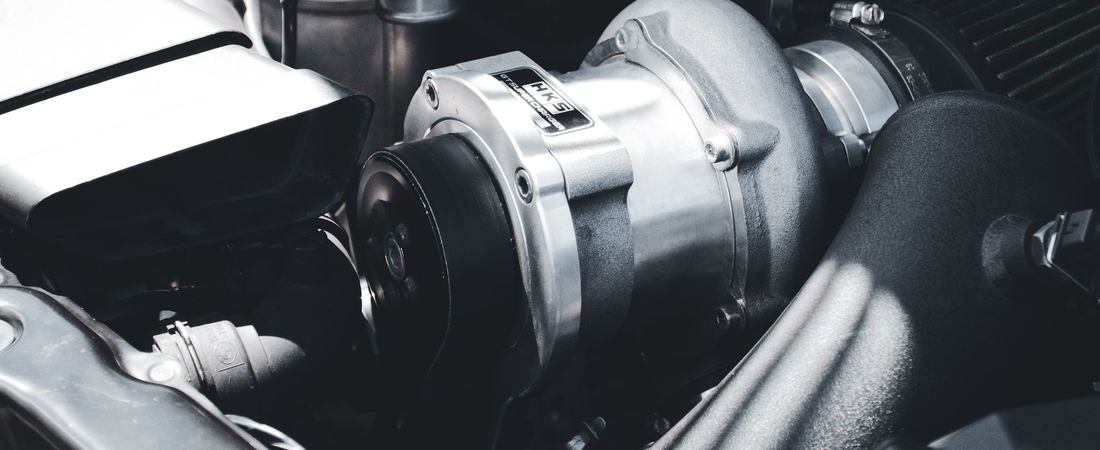
A turbocharger uses the energy of the exhaust gases to increase the pressure of the air sent to the engine. Spinning at high speed, the turbo system can produce a slight whistling noise during operation.
However, if the noise suddenly gets louder, engine power decreases or abnormal smoke comes out of the exhaust, this suggests that there may be a problem with the turbo system. Wear on the turbo shaft, leaks in the boost line or connection problems should be examined in detail.
Leaks in the Air Intake System
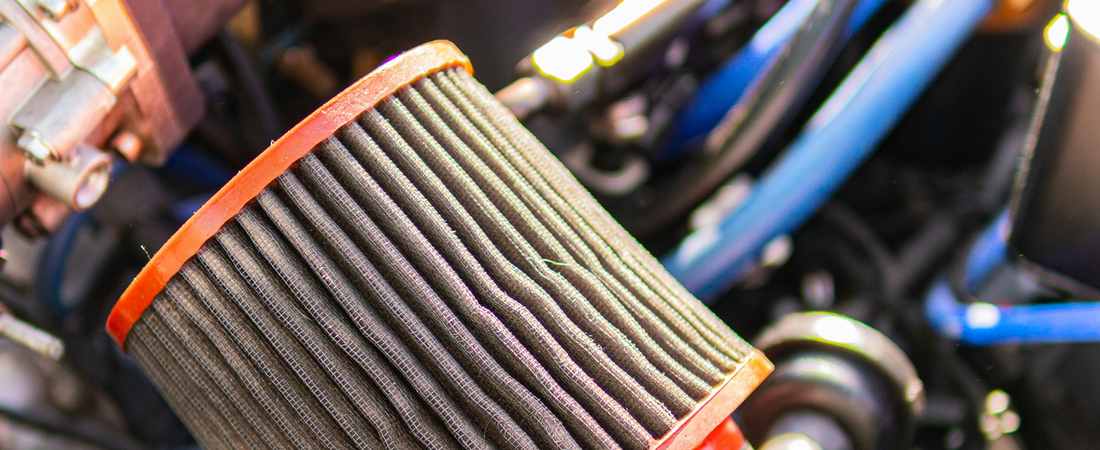
The engine's air intake system delivers the air required for combustion to the engine in the right amount and in a controlled way. Cracks in the intake hoses, loose clamps or seal problems can disrupt the airflow.
Especially in turbocharged engines, the escape of pressurized air can be heard as a thin whistle or hiss. The problem may be accompanied by reduced engine pulling power or a change in fuel consumption.
V-Belt and Tensioner Bearing Problems
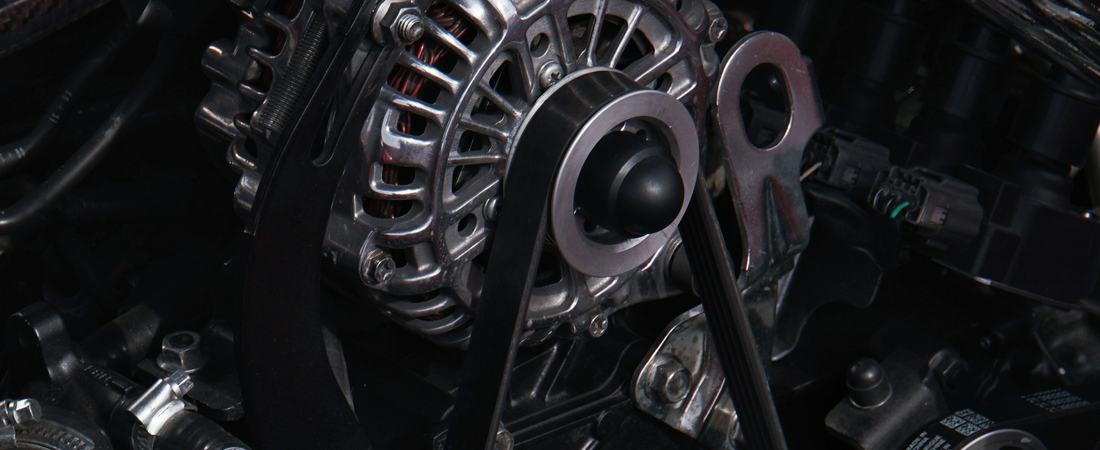
The belt system that drives the engine's auxiliary equipment may experience wear and tension problems over time. While a slipping belt usually makes a high-pitched squealing sound, worn bearings can cause whistle-like noises.
If the noise appears especially at first start-up or when the electrical and air conditioning load increases, the belt system may need to be checked.
Noises Caused by Vacuum Hoses
Some engine systems and auxiliary equipment make use of vacuum pressure. Cracks in the hoses or loose connections can create a thin whistling noise due to the airflow.
In vehicles with a vacuum leak, rough idling, a change in engine running behavior and, in some cases, the check engine light may be seen. Checking the hoses and related connections is important in fault diagnosis.
Leaks in the Exhaust System
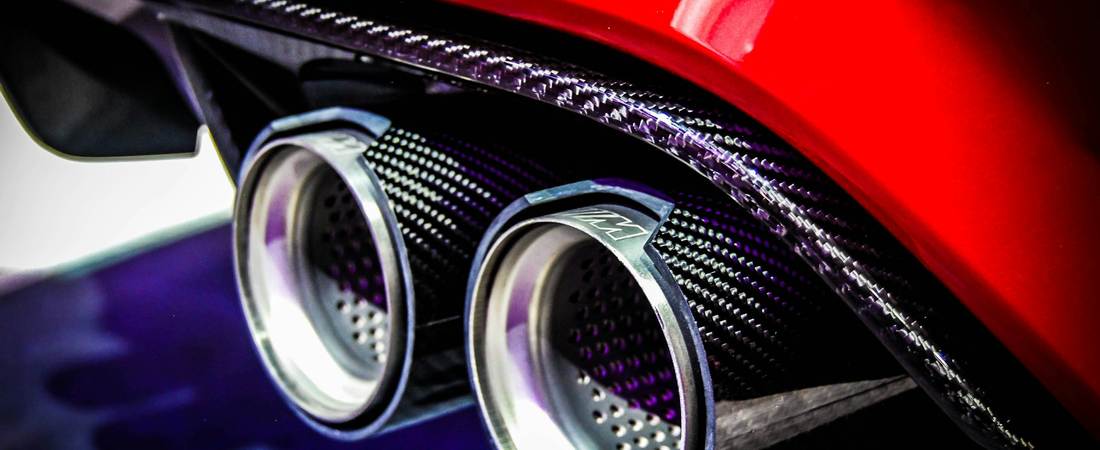
Leaks in the exhaust manifold, gaskets or pipe connections can create whistle-like noises as pressurized gases pass through a narrow opening.
These noises can change depending on engine speed and exhaust pressure. Correctly identifying the leaks is important both for engine performance and for the safe removal of exhaust gases.
In Which Situations Does the Whistling Noise From the Engine Increase?
The conditions under which the whistling noise from the engine becomes more noticeable provide important information about the source of the fault. Pressing the accelerator, cold starts and idling conditions in particular should be evaluated separately.
Whistling Noise From the Engine When Accelerating
When the accelerator pedal is pressed, the engine's air demand and, in turbocharged vehicles, the boost level increase. For this reason, leaks in the turbo hoses or problems related to the turbocharger can become more noticeable during acceleration.
However, a whistle heard every time you accelerate does not mean a turbo failure. The noise needs to be evaluated together with whether it is new and with any performance symptoms.
Whistling Noise When the Engine Is Cold
In cold weather, the operating conditions of the belts and some mechanical parts can change. Short-lived high-pitched noises that appear at the first start may be related to the belt system.
The noise disappearing once the engine warms up does not definitively show that the fault is insignificant. Especially for recurring noises, it is recommended to check the belt, tensioner bearing and auxiliary equipment.
Whistling Noise From the Engine at Idle
A whistle heard while the engine is idling can come from vacuum leaks, the air intake system or auxiliary equipment.
If there are symptoms such as fluctuating idle speed, shaking or the check engine light, the air and fuel management system needs to be examined. The noise changing when the air conditioning is on can also help with the diagnosis.
Are the Causes of Whistling Noise Different in Diesel and Petrol Cars?
Although the basic causes of a whistling noise are similar in diesel and petrol engines, some differences may be seen due to engine design and the equipment used.
In turbocharged diesel engines, the pressurized air hoses, intercooler connections and turbo system are areas that are frequently examined. Similar problems can also be seen in turbocharged petrol engines.
In naturally aspirated petrol engines, air leaks in the intake manifold, vacuum hoses and the belt system may become more important. However, the source of the noise cannot be determined just by looking at the fuel type.
The technical specifications, mileage and maintenance history of the engine and the conditions under which the noise occurs should be evaluated together.
How Is the Source of a Whistling Noise From the Engine Identified?
To identify a whistling noise, the first step is to examine how the noise changes depending on engine speed and driving conditions. The source of the problem is investigated through a visual check of the mechanical parts and, where necessary, by using diagnostic devices.
Checking the Turbo and Air Hoses
In turbocharged vehicles, the connections of the pressurized air hoses, the intercooler line and the related seals should be checked.
Loose connections, tears or oily leak marks can give clues about the problem. Where necessary, a pressure or leak test is carried out with suitable equipment. These procedures should be carried out in accordance with the technical specifications of the engine.
Checking the Belts and Bearings
To identify noises caused by the belt system, the belt surface, the tensioner mechanism and the operating condition of the bearings are evaluated.
Worn bearings can become louder over time. Cracks on the belt surface, slip marks or tension problems should also be examined. During the check, moving engine parts should not be touched by hand.
How Do You Fix a Whistling Noise From the Engine?
To eliminate a whistling noise from the engine, the system causing the problem must first be correctly identified. For noises caused by an air leak, damaged hoses or seals may need to be replaced.
If there is a tension problem or bearing wear in the belt system, the related parts should be repaired or replaced. For problems in the turbo system, the decision to replace the turbo should not be made based only on the presence of the noise.
During an expert check, diagnostic data, the condition of the connections and the engine's performance symptoms are examined together. In this way, unnecessary part replacements can be avoided.
Is a Whistling Noise From the Engine Dangerous?
Not every whistling noise from the engine is dangerous. In some vehicles, hearing a slight and steady noise while the turbo is working can be normal.
However, if strong whistles that appear later are accompanied by symptoms such as a noticeable loss of performance, excessive smoke, a burning smell or a rise in engine temperature, the vehicle should not be pushed.
It is especially important to have vehicles with a suspected turbo failure or serious air leak checked as soon as possible. In the case of serious symptoms such as a sudden loss of power, heavy smoke or an oil pressure warning, you need to stop safely and get technical assistance.
Frequently Asked Questions About Whistling Noises From the Engine
Questions about whistles heard from the engine area usually focus on the noise's relationship with turbo failure and its effect on driving safety.
Is a Whistling Noise When Accelerating a Turbo Failure?
A whistling noise when accelerating may be related to the turbo system, but it does not prove a turbo failure on its own. Air hose leaks and other engine components can also create similar noises.
Can a Whistling Noise From the Engine Be Normal?
Yes. In some turbocharged engines, a slight whistling noise can be a normal operating characteristic. However, if the intensity of the noise has changed or new symptoms have appeared, it should be checked.
Can You Drive If the Engine Is Making a Whistling Noise?
Whether the vehicle can be driven depends on the source of the noise. If there is a noticeable loss of performance, excessive smoke or engine warnings, continuing to drive can be risky.
With whistling noises from the engine, the best approach is to evaluate the noise together with other operating symptoms. Early checks can prevent small connection or belt problems from turning into bigger mechanical faults.