





- Why Do Brakes Make a Grinding Noise When Pressed?
- Worn Brake Pads
- Worn or Damaged Brake Discs
- Stones and Foreign Objects Getting Into the Brake System
- Seized Brake Caliper
- Rust on the Brake Discs
- What Kinds of Grinding Noises Come From the Brakes?
- Metal Grinding Noise When Braking
- Squealing Noise From the Brakes
- Humming and Scraping Noise When Braking
- Why Do New Brake Pads Make a Grinding Noise?
- How Do You Fix a Grinding Noise When Braking?
- Checking the Brake Pads and Discs
- Cleaning and Maintaining the Brake System
- Replacing Worn Brake Parts
- Is a Grinding Noise From the Brakes Dangerous?
- How Can You Tell If Your Brake Pads Are Worn Out?
- Frequently Asked Questions About Brake Noises
- Why Is There a Metal Grinding Noise When Braking?
- Do Damaged Brake Discs Make Noise?
- Can You Drive a Car With Noisy Brakes?
A grinding noise when you press the brake can occur due to worn brake pads, deterioration of the disc surface, a seized brake caliper or foreign matter getting into the brake system. Noises in the form of metal-on-metal grinding, scraping and squealing in particular are among the symptoms that require the brake system to be checked. While some noises may come from surface rust or the bedding-in conditions of new pads, persistent noises may be a sign of serious wear. As the brake system directly affects driving safety, it is important to correctly identify the source of the noise and not to delay the necessary maintenance.
Why Do Brakes Make a Grinding Noise When Pressed?
The brake system slows the vehicle down thanks to the friction force that the pads apply to the disc or drum surface. A certain level of noise may occur during this process. However, unusual, continuous or increasing grinding noises may point to a mechanical problem.
Worn Brake Pads
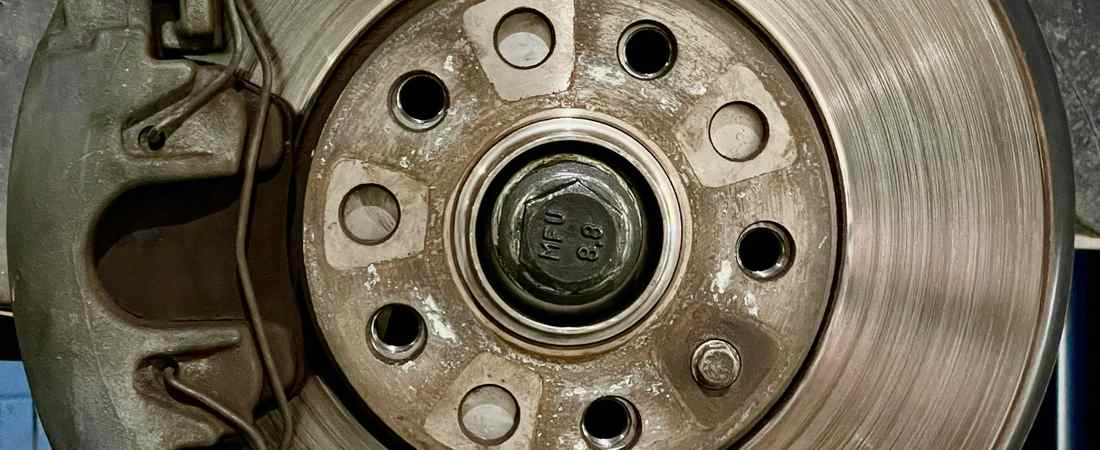
Brake pads become thinner over time due to friction during use. Excessive wear of the pad material can cause the metal backing parts to come into contact with the brake disc.
In this case, a sharp metallic grinding or scraping noise is usually heard. The wear indicators found on some pads can also make a noise when it is nearly time for replacement.
Waiting until the pads are completely worn out can damage the brake discs and increase the repair cost.
Worn or Damaged Brake Discs
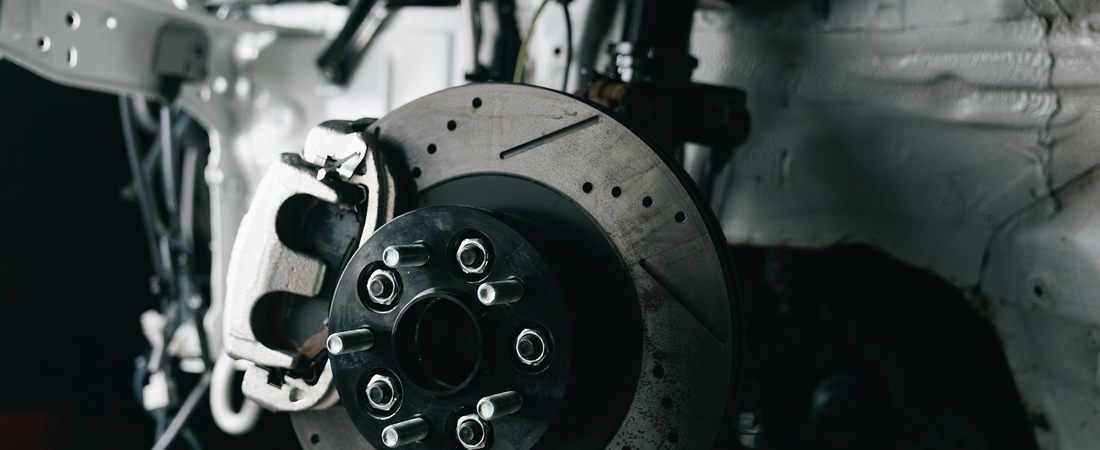
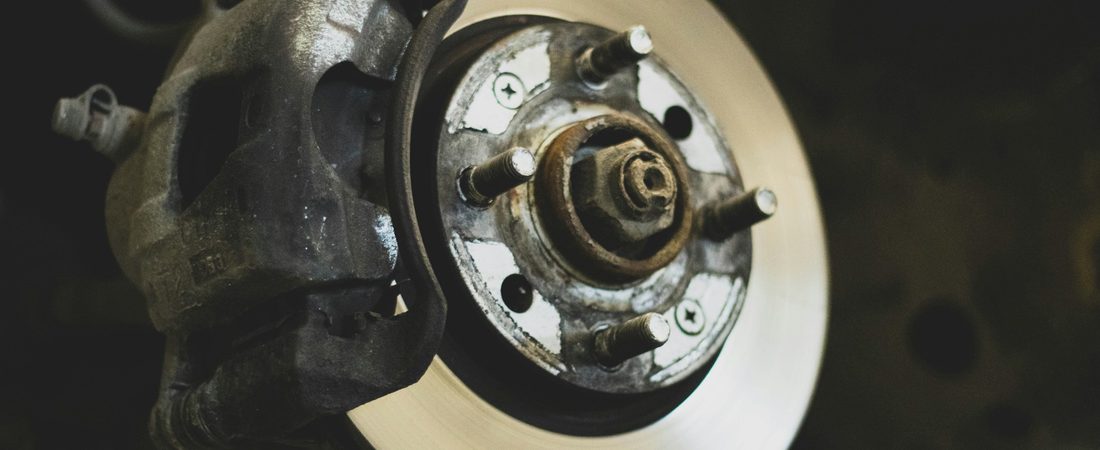
Since brake discs work in constant contact with the pads, they can wear over time. Deep scratches, uneven wear or other surface damage on the disc can create noise during braking.
Thickness variations on the discs or irregularities on the braking surface can, in some cases, also cause vibration during braking.
Whether the discs should be replaced should be evaluated by taking into account thickness measurements and the limits specified by the manufacturer.
Stones and Foreign Objects Getting Into the Brake System
Depending on road conditions, small stones or foreign objects may get around the brake disc. In particular, an object stuck between the disc and the dust shield can create a rubbing noise as the wheel turns.
This noise may be heard not only when the brake pedal is pressed but also while the vehicle is moving. To fix the problem, the parts around the brake should be checked safely.
Seized Brake Caliper
The brake caliper allows the pads to contact the disc in a controlled manner. A seized caliper piston or slide mechanism can cause the pads to stay in contact with the disc even after the brake is released.
In this case, symptoms such as a continuous rubbing noise, abnormal heating, a burning smell or the vehicle pulling to one side may be observed.
As a seized caliper can affect braking performance, it requires an expert check as soon as possible.
Rust on the Brake Discs
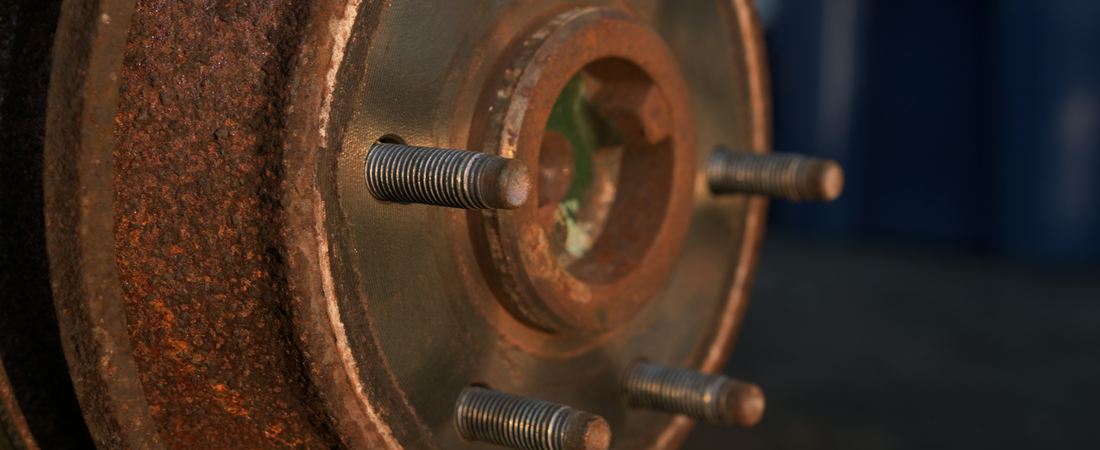
When the vehicle is not used for a long time or is parked in rainy weather, a thin layer of rust can form on the surface of the brake discs.
This layer can cause a slight rubbing or scraping noise during the first braking. Surface rust is usually cleaned off through normal brake use. However, heavy rust or persistent noises may require a professional examination.
What Kinds of Grinding Noises Come From the Brakes?
Problems in the brake system can show themselves through different noises. Although whether the noise is metallic, high-pitched or low-frequency helps with fault diagnosis, it does not give a definitive result on its own.
Metal Grinding Noise When Braking
Hearing a noise similar to metal rubbing against metal when the brake is pressed suggests that the brake pads may be excessively worn.
As the pad material decreases, metal parts can come into contact with the disc. This can damage the brake disc and adversely affect braking safety. If the metal grinding noise has become continuous, the brake system should be checked before the vehicle is driven.
Squealing Noise From the Brakes
High-pitched squealing noises from the brakes may be related to the characteristics of the pad material, surface conditions or vibrations.
In some cases, squealing can also be heard with new pads. However, for noises that continue for a long time, the pad surface, disc condition and caliper fittings should be examined.
Humming and Scraping Noise When Braking
A humming or scraping noise heard during braking can be caused by irregularities on the disc surface, worn pads or foreign objects.
If vibration occurs in the brake pedal together with the noise, the condition of the discs and other brake components should be evaluated in detail.
Why Do New Brake Pads Make a Grinding Noise?
After new brake pads are fitted, slight noises may be heard under certain operating conditions. Temporary vibrations or noises may occur while the pad and disc surfaces bed in to each other.
However, a new pad constantly making a loud metallic grinding noise should not be considered normal. Incorrect fitting, the use of unsuitable parts, problems with caliper movement or deterioration of the old disc surface can cause this.
If the noise started after the pads were replaced, the fitting and the brake system components need to be checked. It should not be assumed that newly fitted parts are automatically problem-free.
How Do You Fix a Grinding Noise When Braking?
Fixing a grinding noise when braking is possible by identifying the part causing the problem. Examining components such as the brake pads, discs and calipers together makes it possible to determine the right repair method.
Checking the Brake Pads and Discs
The thickness and wear condition of the brake pads and the marks on the disc surface should be checked.
If the disc thickness is below the manufacturer's limits or there is serious damage on the surface, the related parts may need to be replaced. It is also important that the brake pads have the right specifications for the vehicle.
Cleaning and Maintaining the Brake System
Foreign matter and dirt that build up around the brakes can cause a rubbing noise in some cases. In such problems, cleaning can be carried out using suitable methods.
The procedures recommended by the manufacturer should be followed when servicing the caliper slides and fittings. Applying unsuitable lubricant to the brake disc or the friction surface of the pads can jeopardize braking performance.
Replacing Worn Brake Parts
Worn pads, damaged discs or caliper parts that are not working properly should be replaced when necessary.
After the parts are replaced, the assembly, connections and braking performance of the brake system should be checked. For the brake components to work safely, it is important that the work is carried out by specialists.
Is a Grinding Noise From the Brakes Dangerous?
How dangerous a grinding noise from the brakes is depends on the source of the fault. While slight surface rust can create a temporary noise, worn pads or seized calipers can cause serious safety problems.
You should not continue driving if the braking distance increases, the pedal feel changes, the vehicle pulls to one side or there is a burning smell from the brakes.
In particular, if a loud metal grinding noise is heard, the brake system needs to be checked as soon as possible. Postponing faults that affect braking performance can directly endanger safe driving.
How Can You Tell If Your Brake Pads Are Worn Out?
One of the most important signs that the brake pads are worn is abnormal noises during braking. However, not every case of pad wear necessarily creates noise.
Some vehicles have a brake pad wear warning on the instrument panel. Changes in braking performance and the pads becoming physically thinner are also signs to be evaluated.
To determine exactly how much the pad has worn, a thickness measurement should be made. During a visual inspection, it should be remembered that the inner and outer pads can wear at different rates.
Frequently Asked Questions About Brake Noises
The most common questions about brake noises concern metal-on-metal grinding, brake disc faults and the safety of noisy brakes.
Why Is There a Metal Grinding Noise When Braking?
A metal grinding noise can occur due to excessive wear of the brake pads or metal parts coming into contact with each other within the brake system. In such a case, the brakes need to be checked without delay.
Do Damaged Brake Discs Make Noise?
Yes. Deep scratches, uneven wear and surface damage on brake discs can cause a grinding or scraping noise. Some disc problems may also be accompanied by vibration during braking.
Can You Drive a Car With Noisy Brakes?
The vehicle should not be assumed to be safe until the source of the noise has been identified. If there is metallic grinding, reduced braking performance or abnormal heating, continuing to drive can be risky.
Assessing brake noises in good time helps both to extend the life of the brake system and to maintain safe driving conditions. Persistent and severe noises in particular are an important warning for a comprehensive brake check.