






- What is a Four-Wheel Drive Vehicle?
- Why Are Four-Wheel Drive Vehicles Important?
- How is Four-Wheel Drive Achieved and How Does it Work?
- What Are the Advantages of Four-Wheel Drive Vehicles?
- Four-Wheel Drive Vehicle Disadvantages and Associated Risks
- When Should You Choose a Four-Wheel Drive Vehicle?
- Frequently Asked Questions About Four-Wheel Drive Vehicles
In the automotive world, the term “four-wheel drive” is a fascinating concept for both adventure enthusiasts and drivers who prioritize safety. Maintaining control of the vehicle on any terrain, from city roads to rugged mountain slopes, is made possible by the balanced distribution of the engine's power to each wheel. In this guide, we will cover everything from the working principles of four-wheel drive vehicles to maintenance details, down to the finest details.
What is a Four-Wheel Drive Vehicle?
A four-wheel drive vehicle is, in its simplest definition, a traction system in which the torque (rotational force) produced by the engine is transmitted to all four wheels of the vehicle simultaneously. In traditional two-wheel drive (2WD) vehicles, power is transmitted either only to the front wheels (Front-Wheel Drive - FWD) or only to the rear wheels (Rear-Wheel Drive - RWD); in four-wheel drive systems, this power is distributed to all wheels via special mechanisms.
However, the term “four-wheel drive” generally covers two main categories, not just one system:
- 4WD (Four-Wheel Drive): Systems designed for heavy off-road conditions, which can be manually engaged by the driver.
- AWD (All-Wheel Drive): Mostly automatic systems that remain active at all times and feature computer-controlled power distribution, known as “Permanent Four-Wheel Drive” systems.
Four-wheel drive systems maximize the vehicle's contact with the ground. If a wheel gets stuck in mud or spins on ice, the system redirects power to other wheels with better traction, enabling the vehicle to move forward.

Why Are Four-Wheel Drive Vehicles Important?
Owning a four-wheel drive vehicle is not just about “driving in the mountains.” The importance of this technology can be summarized under three main headings: Safety, Performance, and Flexibility.
- Safety in Challenging Weather Conditions: In conditions such as snow, ice, or heavy rain, two-wheel drive vehicles can easily skid. Four-wheel drive systems minimize the risk of the vehicle skidding off the road by supporting each wheel's grip on the ground.
- Traction: If you are towing a trailer or climbing a steep hill, having all four wheels grip the ground makes your job significantly easier.
- Resale Value: Four-wheel drive vehicles, especially in the SUV and pickup segments, generally retain their value better in the used car market and find buyers more quickly.
- Balance and Cornering Ability: Modern AWD systems optimize power distribution between the inner and outer wheels when cornering, preventing the vehicle from skidding and improving driving dynamics.
How is Four-Wheel Drive Achieved and How Does it Work?
At the heart of the four-wheel drive system lies complex engineering. For the system to function, the engine, transmission, transfer case, and differentials work in coordination.
Working Principle:
- Power Generation: The engine generates power and transmits it to the transmission.
- Transfer Case: The power from the transmission reaches the transfer case. This component is the main unit that distributes power between the front and rear axles. In 4WD vehicles, low range or high range modes can be selected via this case.
- Differentials: The differentials located on the front and rear axles distribute power to the wheels. They prevent mechanical stress by allowing the inner wheel and the outer wheel to rotate at different speeds during turns.
- Electronic Sensors: In modern systems (AWD), sensors check wheel speed hundreds of times per second. When a wheel slip is detected, the electronic control unit (ECU) redirects power to the other axles within milliseconds.
This mechanism allows each wheel to receive its share of the engine's power, enabling the vehicle to use both “push” and “pull” forces simultaneously.
What Are the Advantages of Four-Wheel Drive Vehicles?
The advantages of driving a four-wheel drive vehicle directly increase driver comfort and confidence:
- Superior Off-Road Capability: Sand, mud, rocky terrain, or deep snow are no obstacle for four-wheel drive vehicles.
- Acceleration Performance: Especially in high-performance sports cars (e.g., Audi Quattro, Subaru WRX), distributing power to all four wheels during 0-60 mph acceleration prevents wheel spin and ensures a much smoother takeoff.
- Better Braking Assistance: While it does not directly shorten the braking distance (because braking is performed on all four wheels in all vehicles), the distribution of power to all four wheels during engine braking can help the vehicle stop more stably.
- Psychological Comfort: The driver experiences the comfort of knowing that the vehicle can handle any road conditions.
Four-Wheel Drive Vehicle Disadvantages and Associated Risks
As with any technology, four-wheel drive systems come with certain costs and risks:
- High Fuel Consumption: More gears, more axles, and extra weight (transfer case, differentials) require the engine to work harder. This increases fuel costs.
- Weight: Four-wheel drive components add an average of 50 kg to 150 kg to the vehicle. This can affect the vehicle's agility to some extent.
- Complexity and Maintenance Costs: More moving parts mean more risk of failure. Additional maintenance items, such as differential oil changes, can affect the budget.
- False Sense of Security: This is the biggest risk. Many drivers think they can drive faster on icy roads because they have a four-wheel drive vehicle. However, the 4x4 system helps the vehicle move forward, but it does not provide any extra contribution to stopping (braking) on ice.
- Tire Sensitivity: In most AWD systems, all four tires must have very similar tread depths. Replacing a single tire that has blown out can damage the system due to the difference in diameter; therefore, it is generally recommended to replace all four tires at once.
When Should You Choose a Four-Wheel Drive Vehicle?
Four-wheel drive systems are not “mandatory” in all situations, but they are vital under the following conditions:
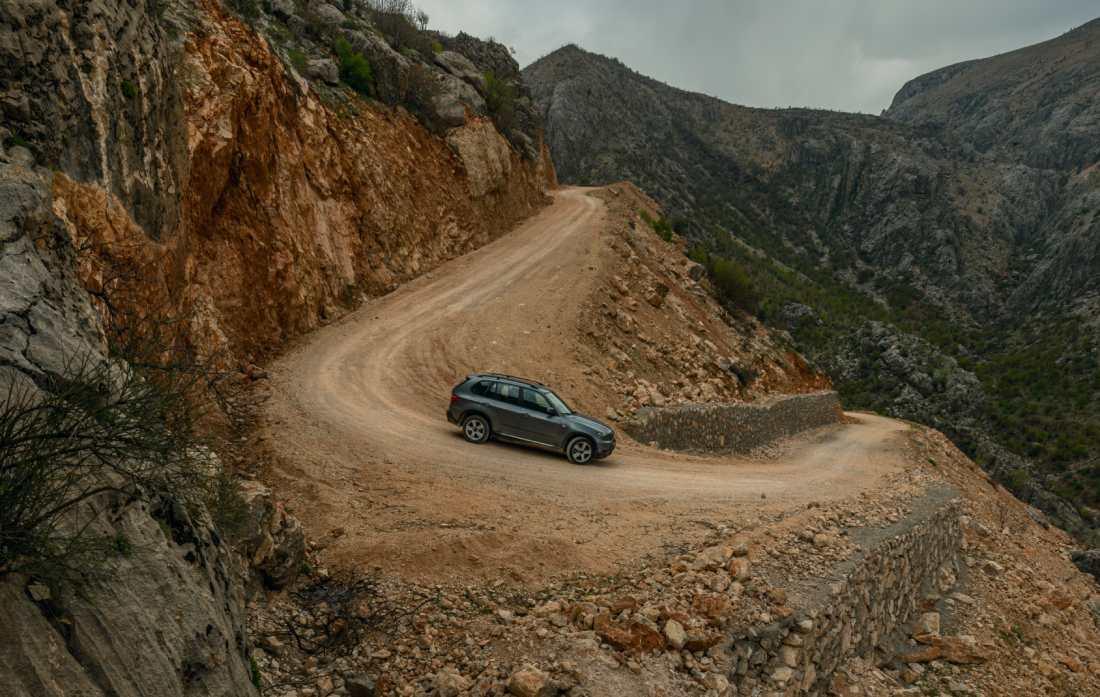
- Off-Road Driving: If you spend your weekends in nature, on unpaved roads, or at campsites, a 4WD vehicle is indispensable.
- Snow Belt Regions: For those living in areas where winters are harsh and roads are frequently covered in snow, AWD/4WD is not a luxury, but a necessity.
- Steep Roads: In areas with very steep and slippery ramps, such as the Black Sea highlands, distributing traction to all four wheels prevents the engine from stalling and the vehicle from rolling backward.
- Wet and Slippery City Roads: Especially after sudden downpours, when roads become wet and slippery, AWD systems provide significant safety within the city.
Frequently Asked Questions About Four-Wheel Drive Vehicles
In this section, we will focus on the technical details and practical information that users are most curious about regarding four-wheel drive vehicles.
Does Four-Wheel Drive Increase Fuel Consumption?
Yes, four-wheel drive vehicles generally consume between 5% and 15% more fuel than two-wheel drive versions of the same model. There are two main reasons for this:
- Friction Losses: Energy is lost because engine power passes through more transmission components.
- Inertia: The increase in the vehicle's total weight requires more energy during acceleration and takeoff. However, modern “smart” AWD systems attempt to minimize this difference by disengaging the front or rear axle when power is not required.
How Should Tires Be Selected for Four-Wheel Drive Vehicles?
Tire selection is critical for four-wheel drive vehicles.
- All-Season vs. Winter Tires: Having four-wheel drive does not mean the vehicle can drive on ice with summer tires. Tires suitable for the season must be used.
- Same Tread Depth: In AWD systems, all tires must be of the same brand, model, and wear level to prevent the differential from overheating.
- Based on Terrain Type: If driving on rough terrain, A/T (All-Terrain) or M/T (Mud-Terrain) tires should be preferred.

What Are the Problems with Four-Wheel Drive Vehicles?
The most common faults are usually caused by lack of maintenance:
- Transfer Case Failures: Failure to change the oil on time or incorrect use (driving on dry asphalt with the differential locked) causes wear on the chains or gears inside the case.
- Differential Whine: A humming noise caused by gear wear.
- Axle Shaft and Boot Tears: Oil leakage and mechanical wear due to stones or branches tearing the axle boots during off-road driving.
- Electronic Sensor Failures: The system's inability to manage traction correctly due to contamination or malfunction of the wheel speed sensors (ABS sensors).
Are Four-Wheel Drive Vehicles Safe in Winter Conditions?
It is definitely safer, but with one condition: proper tire usage. The four-wheel drive system gives you a tremendous advantage when climbing a snowy hill or starting off in the snow. However, it should not be forgotten that in terms of stopping distance and centrifugal force in corners, a 4x4 vehicle has no significant advantage over a 4x2 vehicle. A 4x4 can also lose control on ice.

What Should Be Considered in Four-Wheel Drive Vehicle Maintenance?
To extend the life of a four-wheel drive vehicle, the following routines should be followed:
- Fluid Checks: In addition to transmission fluid, front differential, rear differential, and transfer case fluids should be changed at the intervals specified by the manufacturer (generally every 40,000 - 60,000 km).
- Tire Rotation: To ensure even tire wear, front-to-rear rotation should be performed every 10,000 kilometers.
- Visual Inspection: During each oil change, the axle boots and shaft joints (cross joints) should be inspected for leaks.
Which Drivers Are Four-Wheel Drive Vehicles Suitable For?
Four-wheel drive vehicles can appeal to any driver, but they are ideal for the following profiles:
- Nature and Camping Enthusiasts: Those who want to continue where the road ends.
- Those Living in Challenging Terrains: Individuals in regions with harsh winter conditions.
- Safety-Conscious Families: Parents seeking maximum traction on rainy and slippery roads.
- Trailer/RV Towing: Those needing extra pulling power.
- Performance Enthusiasts: Sports car lovers who want to transfer the engine's full power to the asphalt in the most efficient way.
In conclusion, four-wheel drive vehicles are one of the most valuable fruits of automotive technology, offering superior maneuverability and safety features. The slight increase in fuel consumption and maintenance costs can easily be overlooked given the sense of security and freedom they provide. Combined with the right tires and regular maintenance, four-wheel drive systems make you the winner on any road.