





The crankshaft sensor is one of the most critical electronic components—serving as the heart of a vehicle’s engine management system—that ensures the engine runs flawlessly. Its primary function is to detect the rotational speed (RPM) and exact position of the crankshaft—the engine’s main shaft—within milliseconds and transmit this data to the engine control unit (ECU). Even the slightest malfunction in this sensor, which directly affects the engine’s timing, can not only reduce the vehicle’s performance but also render it completely inoperable. To protect your vehicle’s engine health and ensure a safe driving experience, it is crucial to closely examine this component’s functions, operating principles, and signs of failure.
What Is a Crankshaft Sensor?
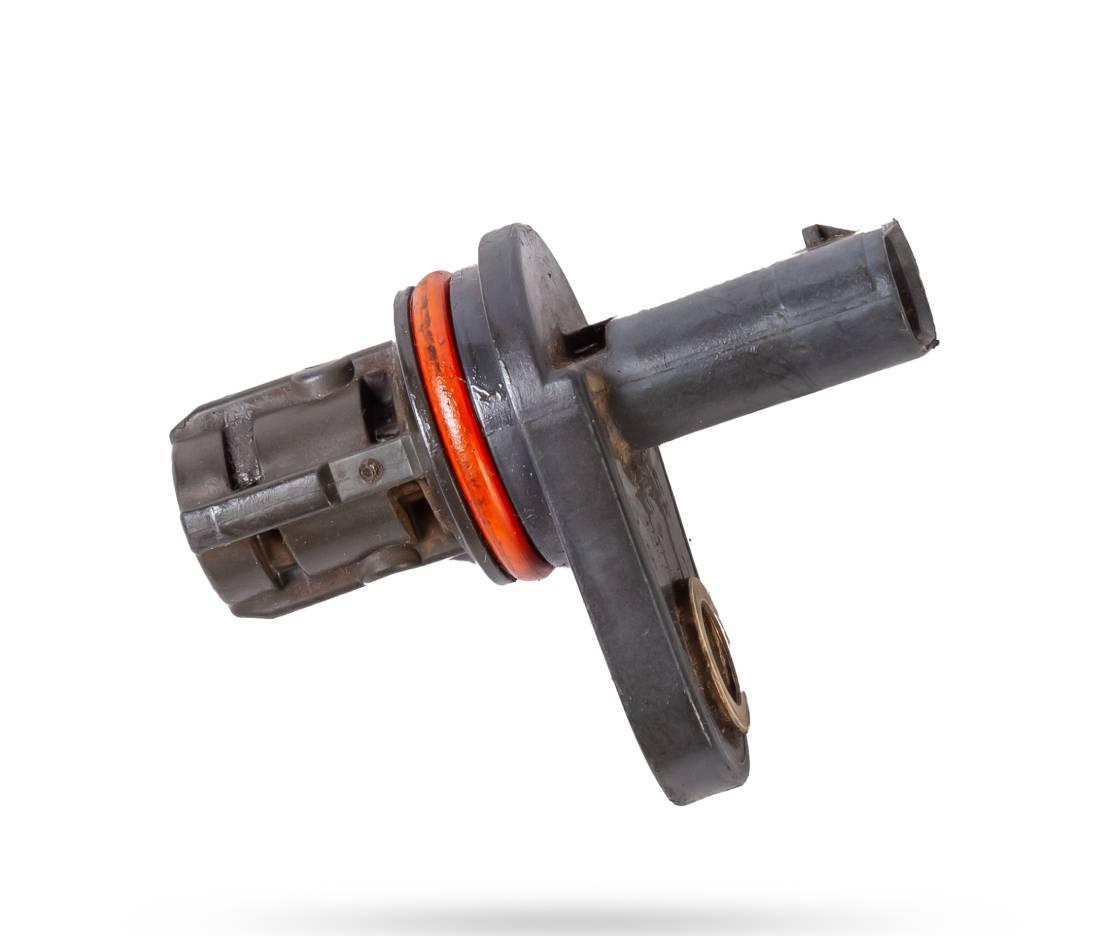
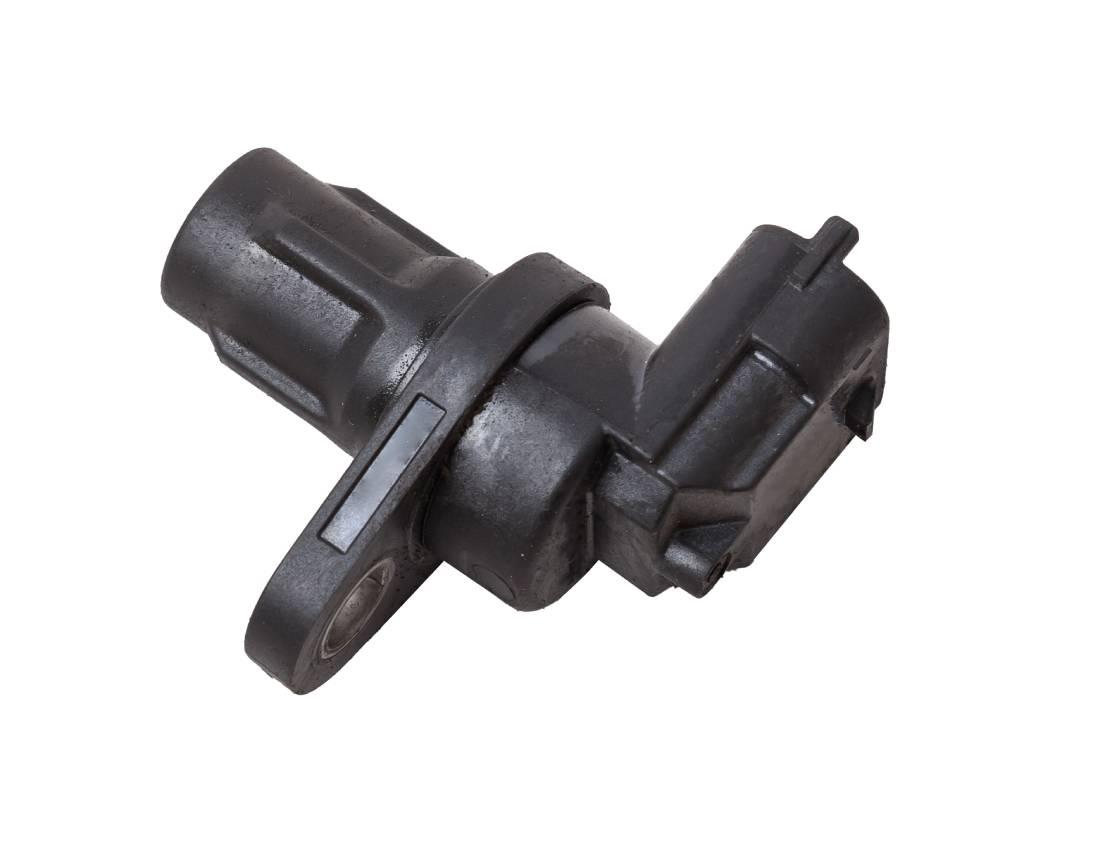
The crankshaft sensor is an electronic sensor located on the engine block, right next to the crankshaft. Also known in automotive literature as the crankshaft position sensor (CKP), this component converts the engine’s mechanical motion into digital data. Found in all new-generation fuel-injected vehicles, this component accurately determines the engine’s current RPM and the position of each piston. Without this vital data stream, it is impossible for a modern automotive engine to regulate fuel injection and ignition timing.
What Does a Crankshaft Sensor Do?
The crankshaft sensor provides the most basic reference data that the engine control unit needs to manage the combustion process within the engine. Using the real-time position and speed data from the sensor, the computer calculates, with millisecond precision, which cylinder to inject fuel into and when, as well as when the spark plugs should fire. This ensures that the engine operates at optimal efficiency, fuel consumption is kept to a minimum, and harmful exhaust emissions are reduced. Additionally, the accurate operation of the tachometer and the engine’s smooth rotation are made possible by the signals transmitted by this sensor.
How the Crankshaft Sensor Works
The crankshaft sensor operates based on the magnetic changes generated as a toothed wheel (signal wheel) attached to the crankshaft rotates past the sensor. As the teeth on the wheel pass in front of the sensor, they create a continuous fluctuation in the magnetic field, and these fluctuations are converted into electrical signals. There is typically a gap of one or two teeth on the signal wheel; this gap serves as a reference point indicating that the crankshaft has completed one full revolution and that the first piston has reached top dead center. These sensors, which are mostly manufactured using the Hall effect or magnetic (inductive) technology, send a specific signal to the engine control unit the moment they detect the aforementioned tooth gap, thereby electronically mapping the engine’s mechanical synchronization.
Crankshaft Sensor Failure: What Are the Symptoms?
When the crankshaft sensor fails or cannot generate the correct signal, the engine control unit cannot establish the timing cycle, and serious operational issues arise in the vehicle. If the sensor fails completely, the engine will stall; otherwise, it may exhibit various driving problems while the engine sputters or runs erratically.
Difficulty Starting or Failure to Start
When the engine control unit cannot detect that the crankshaft is rotating or determine its position, it will not authorize the ignition and fuel systems. This situation causes the vehicle to start very slowly—especially when the starter is engaged while the engine is warm—or, despite the starter turning, the engine may fail to start at all.
Idling Shuddering and Fluctuations
Intermittent or faulty data from the sensor causes the fuel injection timing to fluctuate constantly. While the vehicle is idling, the engine RPM rises and falls on its own, the vehicle shakes violently, and the engine’s running sound loses its smoothness.
Sudden Engine Shutdown While Driving
During driving, a loss of contact in the sensor’s internal electrical circuit or overheating that completely cuts off the signal results in the engine suddenly shutting down. This situation seriously jeopardizes driving safety, as it can cause the steering and brakes to become stiff, particularly at high speeds.
Power Loss and Misfiring During Acceleration
If the engine struggles to rev up when you press the gas pedal, experiences sudden jolts, or the vehicle stalls, these are signs of a crankshaft sensor malfunction. Because the ECU cannot properly adjust the air-fuel mixture due to missing data, irregular combustion occurs in the cylinders, creating a sensation of misfiring.
The Engine Malfunction Light Illuminating on the Dashboard
When the signal from the crankshaft sensor exceeds the threshold values or is completely lost, the vehicle’s computer records this as a persistent error. To alert the driver, the yellow engine malfunction light on the dashboard illuminates, and the vehicle typically enters a protection mode, limiting its performance.
Why Does the Crankshaft Sensor Fail?
Although crankshaft sensors do not have any moving parts, they are exposed to harsh environmental conditions because they operate at one of the lowest and hottest points of the engine block. The main reasons for the failure of this component, which wears out over time or is damaged by external factors, are as follows:
Exposure to High Heat and Thermal Stress
The intense heat generated during engine operation causes the sensor’s plastic housing to crack over time and damages the structure of the sensitive electronic windings inside. Prolonged thermal cycling alters the sensor’s internal resistance, leading it to produce erroneous signals.
Cable, Connection, and Wiring Damage
The cable harnesses connected to the sensor can wear out due to engine vibration, friction, or damage caused by rodents. Short circuits, breaks in the cables, or a loose electrical connector prevent the sensor from functioning properly, even if the sensor itself is intact.
Contamination Due to Engine Oil and Water Leaks
Engine oil, antifreeze, and road grime leaking from the upper parts of the engine or the crankshaft seal accumulate on the sensor tip over time. Oil deposits and metal shavings prevent the sensor from properly reading the magnetic field, thereby reducing signal quality.
Physical Impacts and Wear Over Time
The sensor may sustain physical damage from stones kicked up by the road, careless engine repairs, or the absence of an underbody protection plate. Additionally, the gradual weakening of the internal magnet’s strength as the sensor reaches the end of its service life is a natural wear-and-tear process.
How to Fix a Crankshaft Sensor Malfunction?
Permanently resolving issues with the crankshaft sensor is possible through accurate diagnosis of the vehicle’s electronic systems and meticulous implementation of the necessary steps.
Identifying Trouble Codes with an OBD Scanner
To resolve the issue, the vehicle must first be connected to a diagnostic scanner, and the trouble codes stored in memory must be read. The appearance of specific codes such as P0335 or P0336, which indicate a crankshaft sensor circuit fault, clearly indicates that attention should be focused directly on this component.
Cleaning the Socket and Sensor
If the sensor is not completely burned out and is only generating an error due to contamination, the part can be removed from its housing and cleaned. Oil and metal dust are removed from the sensor tip, and after applying brake cleaner or contact spray to the socket connections to remove oxidation, the part is retested.
Replacement with a New and Original Sensor
If the error codes persist despite cleaning, or if the sensor’s internal resistance is faulty, the only definitive solution is to replace the part with a new one. An original or high-quality aftermarket sensor that is fully compatible with the vehicle’s make and model is installed and secured with the appropriate torque.
Frequently Asked Questions About the Crankshaft Sensor
Vehicle owners who encounter a crankshaft sensor failure often have many questions regarding the cost of the repair, safety, and the specifications of the part.
Will the Car Still Run If the Crankshaft Sensor Fails?
If the crankshaft sensor fails completely, the car will definitely not run, and the engine cannot be restarted after it stalls. In cases where the sensor has lost contact, the car may move intermittently; however, since this can cause significant damage to engine components, you should not continue driving.
Will Cleaning the Crankshaft Sensor Fix It?
If the cause of the sensor’s malfunction is simply a buildup of heavy oil, mud, or metal particles on its surface, the part may function properly again after a careful cleaning with brake cleaner. However, if the electronic circuits or magnetic mechanism inside the sensor have been damaged by heat, cleaning will not be effective.
Are the Camshaft Sensor and Crankshaft Sensor the Same?
The camshaft sensor and the crankshaft sensor are not the same part, but they work in perfect harmony with each other. While the crankshaft sensor measures the speed of the crankshaft at the bottom of the engine, the camshaft sensor tracks the position of the camshaft—which controls the opening and closing of the valves—at the top of the engine.
How Long Does It Take to Replace a Crankshaft Sensor?
Replacing a crankshaft sensor typically takes between 30 minutes and 1 hour, depending on the sensor’s location on the engine block and how accessible it is. In some vehicle models, the sensor is in a very accessible location, while in others, it is located near the starter motor’s.
How Long Does It Take to Replace a Crankshaft Sensor?
Replacing a crankshaft sensor typically takes between 30 minutes and 1 hour, depending on the sensor’s location on the engine block and how accessible it is. In some vehicle models, the sensor is in a very accessible location, while in others, the starter motor or other engine components may need to be removed.
Where Is the Crankshaft Sensor Located?
The crankshaft sensor is usually located on the lower part of the engine block, near where the transmission connects to the engine. In most vehicles, it is mounted so that it faces the flywheel gear behind the crankshaft or the crankshaft pulley on the front of the engine.
In summary, despite its small size, the crankshaft sensor is a vital electronic component that directly controls the engine’s timing, fuel, and ignition systems. If you notice symptoms such as misfiring, rough idling, or sudden stalling in your vehicle, you should address this issue before it escalates and have a professional service center diagnose the problem. Keep in mind that sensor failures left unaddressed can result in your vehicle breaking down on the road and incurring higher repair costs.