






- What is Car Stuttering?
- When Is Stuttering Noticed?
- When Does It Indicate a Serious Malfunction?
- Why Does the Car Stall?
- What are the causes of car misfiring?
- Ignition System Malfunctions
- Fuel System Problems
- Spark Plug and Spark Plug Wire Problems
- Injector Malfunctions
- Air Filter and Air Flow Sensor Problems
- Clutch and Gear Shift Problems
- Engine Control Unit (ECU) Errors
- Exhaust System Blockages
- Sensor Malfunctions (Lambda, MAP, MAF, etc.)
- Use of Low-Quality or Dirty Fuel
- Cold Weather Operation Problems
- Turbo System Malfunctions (if applicable)
- Regulator or Injector Problems in LPG Vehicles
- How to Detect Engine Misfiring Problems
- Diagnosis with Fault Detection Devices
- Symptoms That Can Be Observed While Driving
- How to Fix Car Stuttering?
- Situations Requiring Part Replacement
- Software Updates and Resets
- The Importance of Periodic Maintenance
- Differences in Misfiring in Gasoline and Diesel Vehicles
- Common Causes in Gasoline Vehicles
- Causes of Misfiring in Diesel Vehicles
- When Is Stuttering a Serious Danger?
- Risk of Breaking Down
- Potential for More Serious Malfunctions
- Does Car Stuttering Damage the Engine?
- Why Does the Car Stall When the Gas Pedal is Pressed?
- Misfire Issues by Vehicle Type
- Misfiring Problem in Automatic Transmission Vehicles
- Misfiring in Manual Transmission Vehicles
- Misfiring in Diesel Vehicles
- Misfiring in Gasoline Vehicles
- Misfiring Problem in LPG Vehicles
- Misfiring Problem in Hybrid Vehicles
- Misfiring Problem in Electric Vehicles
- How to Resolve Car Stuttering Issues
- Identify Engine Misfire Issues in Your Vehicle with Confidence at Pilot Garage
- Engine Fault Diagnosis with OBD Devices
- Solutions with Expert Technician Support
- Frequently Asked Questions About Why Cars Stall
- Why is my car misfiring?
- Does Stuttering Damage the Car?
- Why Does the Engine Stall When You Press the Gas Pedal?
- Why Does a Car Shake When Starting?
- What Does Shaking in a Vehicle Mean?
- What Does It Mean If the Car Stutters at Idle?
- Which Parts Should Be Checked If the Vehicle Stalls at Low RPM?
- Why Does the Car Stall When First Started?
- What Does Engine Stuttering While Climbing a Hill Indicate?
- My Car Sometimes Stutters, Sometimes Runs Normally; What Could Be the Cause?
- What Should Be Checked If the Car Stutters After Warming Up?
- Why Does the Engine Misfire When It Is Hot?
- Does a Misfire Problem Shorten the Life of the Engine?
- Will a Vehicle with Misfiring Pass Inspection?
- Does a misfire in a car affect fuel consumption?
- Which systems should be checked if the vehicle stutters when accelerating?
- Does the Stuttering Issue Also Manifest Itself When Driving Downhill?
- What Happens if the Vehicle is Used Without Resolving the Misfire Issue?
- Which Maintenance Intervals Should Be Reviewed If the Car Is Misiring?
- Can Drivers Identify Misfiring Issues on Their Own?
Car misfiring refers to a situation where a vehicle is not running smoothly and can negatively affect driving safety. Misfiring occurs as a symptom of problems with the vehicle's engine, fuel system, or other components. This situation indicates that the driver needs to be alert to the fact that there is a malfunction in the vehicle.
What is Car Stuttering?
Car stuttering refers to the engine not running smoothly and losing power intermittently. This creates an uncomfortable driving experience and affects the vehicle's performance. Stuttering is usually caused by problems with the engine's ignition, fuel, or air mixture.
When Is Stuttering Noticed?
Drivers usually notice car stuttering when accelerating, braking, or idling. Stuttering becomes more noticeable when going uphill or downhill. If the vehicle shakes regularly, this is a problem that the driver should pay attention to.
When Does It Indicate a Serious Malfunction?
Engine misfiring can sometimes indicate serious malfunctions. If the misfiring becomes constant or causes major problems with the vehicle's operation, it may indicate a serious malfunction in the ignition system, fuel system, or another component of the engine.
Why Does the Car Stall?
Car stalling is usually caused by clutch adjustment, spark plug, ignition coil, injector, or fuel system malfunctions. Car stalling, engine problems, fuel or air mixture imbalance, and ignition system malfunctions are among the reasons for this. A clogged fuel filter, dirty air filter, or malfunctioning engine sensors can also cause stalling. Troubleshooting should be performed to identify the source of the problem.
Identifying the malfunctions is important for restoring the vehicle's performance.
What are the causes of car misfiring?
The causes of car misfiring include many problems such as ignition system malfunctions, fuel system problems, spark plug and spark plug wire problems, and injector malfunctions.
The causes of car misfiring are as follows:
- Ignition System Malfunctions
- Fuel System Problems
- Spark Plug and Spark Plug Wire Issues
- Injector Malfunctions
- Air Filter and Air Flow Sensor Problems
- Clutch and Gear Shift Issues
- Engine Control Unit (ECU) Errors
- Exhaust System Blockages
- Sensor Malfunctions (Lambda, MAP, MAF, etc.)
- Use of Low-Quality or Dirty Fuel
- Cold Weather Operation Problems
- Turbo System Malfunctions (if applicable)
- Regulator or Injector Problems in LPG Vehicles
Ignition System Malfunctions
Ignition system malfunctions can cause the car to misfire. This system produces the spark ignition that powers the engine. Problems with the spark plugs, spark plug wires, or ignition coils can cause the engine to run unevenly.
Fuel System Problems
Fuel system problems can also cause the car to misfire. Dirty fuel filters, a faulty fuel pump, or problems with the injection system can prevent the engine from getting enough fuel. Insufficient fuel flow causes the engine to lose power and misfire.
Spark Plug and Spark Plug Wire Problems
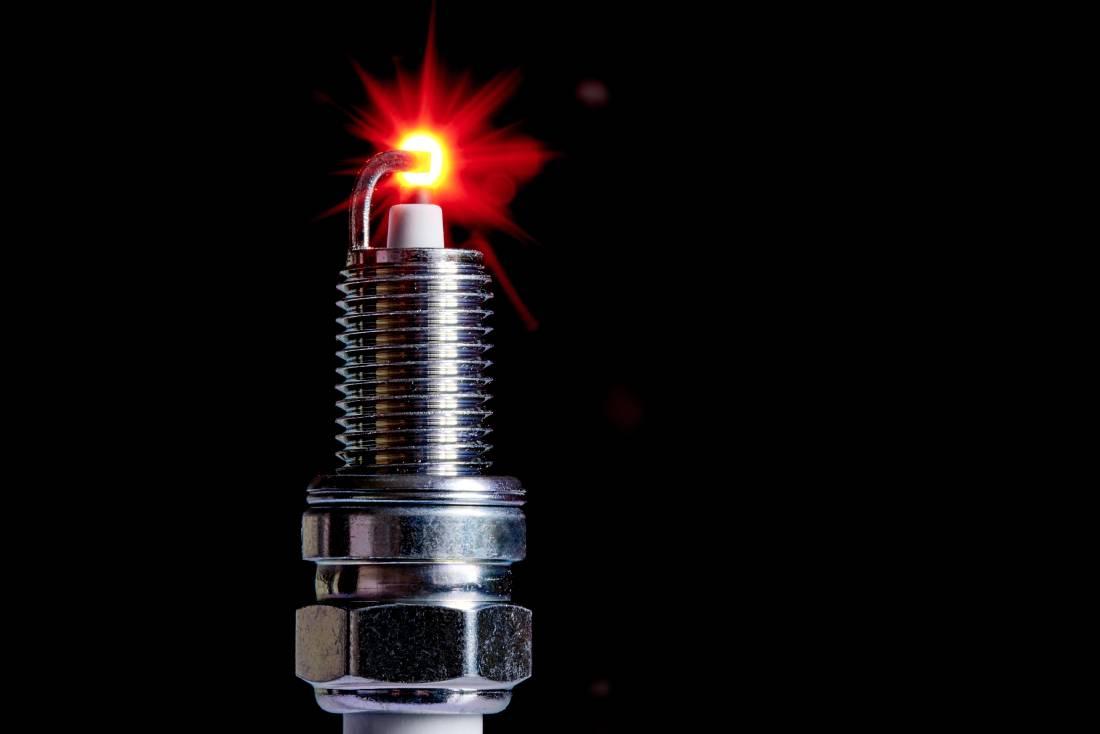
Problems with spark plugs and spark plug wires can affect the proper functioning of the vehicle's engine. Worn or dirty spark plugs weaken the engine's ignition. This causes the car to misfire. Spark plug wires can also cause problems with electrical transmission.
Injector Malfunctions
Injectors are important components that provide the fuel-air mixture to the engine. Blockages or malfunctions in the injectors prevent fuel from reaching the engine properly. This causes the engine to run unevenly, increasing the stalling problem.
Air Filter and Air Flow Sensor Problems
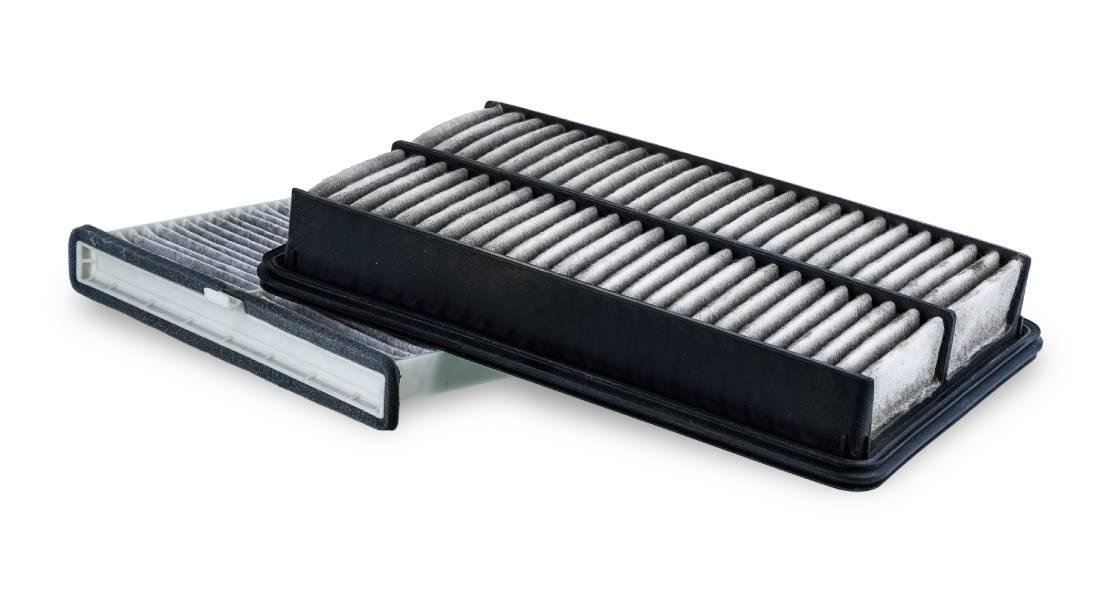
Air filter and air flow sensor problems can affect the proper functioning of the engine. A dirty air filter prevents the engine from getting enough air. Malfunctions in the air flow sensor disrupt the air-fuel mixture, causing the car to stall.
Clutch and Gear Shift Problems

Clutch and gear shift problems can cause a stuttering sensation, especially in manual transmission vehicles. A clutch that does not engage properly or difficulties in shifting gears can put additional strain on the engine. This can lead to uneven engine operation.
Engine Control Unit (ECU) Errors
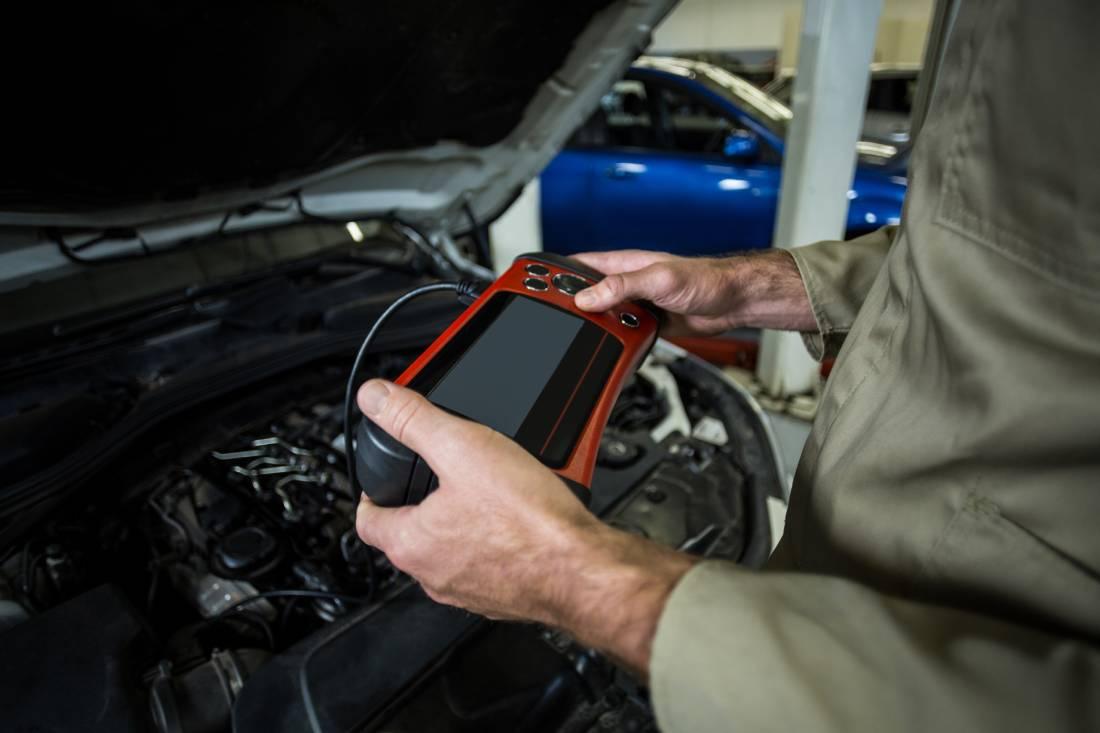
Engine control unit (ECU) errors can also cause the car to stall. This unit is an electronic system that controls the engine's operation. Software errors or incorrect processing of sensor data can cause the engine to run unevenly, triggering stalling issues.
Exhaust System Blockages
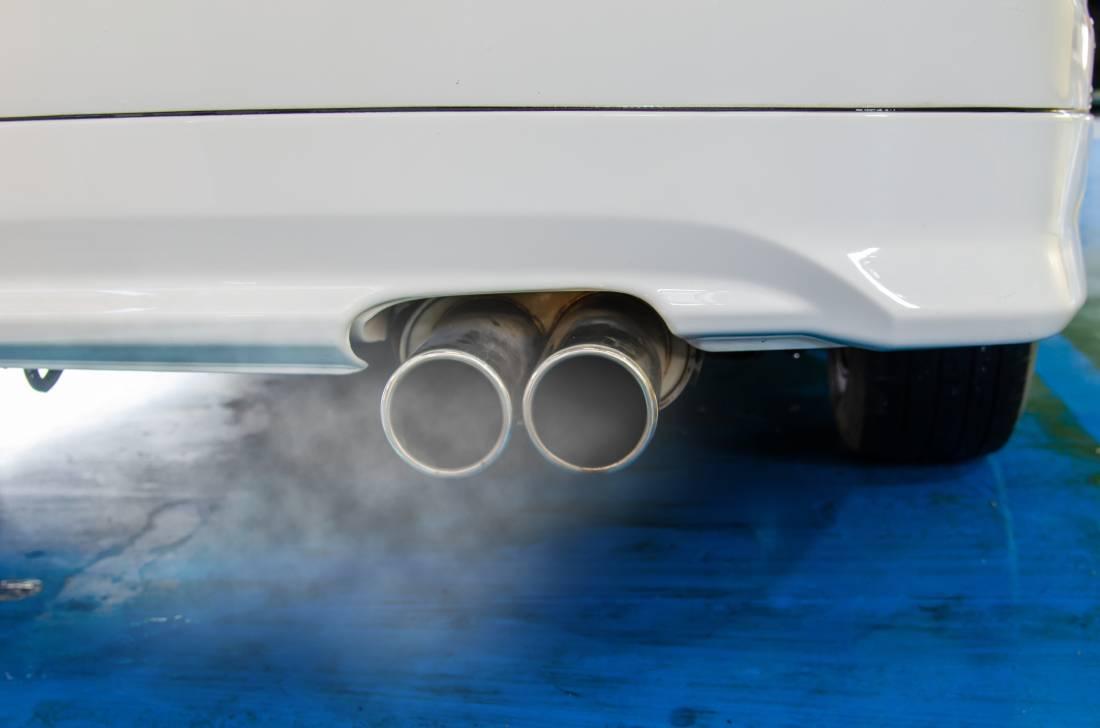
Blockages in the exhaust system can negatively affect the vehicle's performance. However, this situation is indirectly related to the car stalling. The inability to expel exhaust gases causes the engine to work harder. This leads to the engine running unevenly.
Sensor Malfunctions (Lambda, MAP, MAF, etc.)
Sensor malfunctions are a major cause of car misfiring. Lambda, MAP, and MAF sensors play a critical role in regulating the air-fuel mixture in the engine. A malfunction in any of these sensors can cause the engine to run incorrectly.
Use of Low-Quality or Dirty Fuel
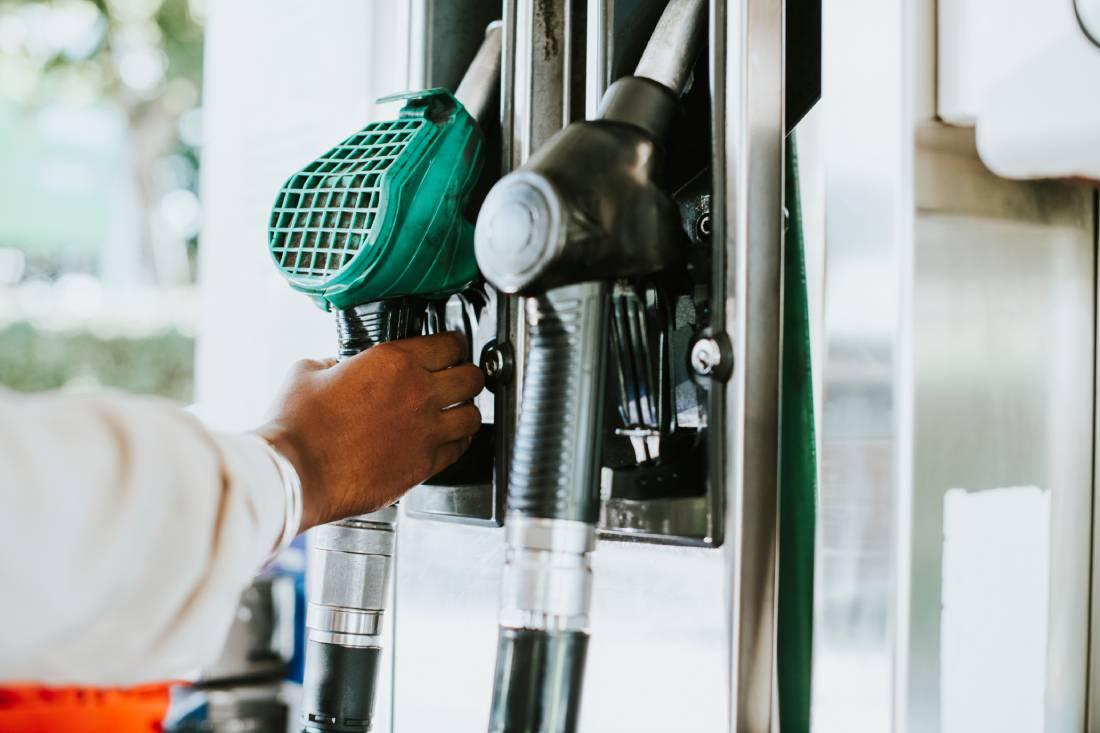
Using low-quality or dirty fuel can cause the car to misfire. Poor-quality fuel prevents the engine from running efficiently. Dirty fuel can damage the engine's internal parts and cause jamming, increasing the misfiring problem.
Cold Weather Operation Problems

In cold weather, some problems may arise with the car engine's operation. Increased viscosity of the engine oil and fuel makes it difficult for the vehicle to start. This situation can be felt as stalling. In particular, the cold effect on parts such as the coil and spark plugs causes the engine to run unevenly.
Turbo System Malfunctions (if applicable)
Turbo system malfunctions can cause misfiring, especially in turbocharged vehicles. Since the turbo is a component that enhances engine performance, its malfunction affects engine power. Turbo malfunction causes the engine to run unevenly and misfire.
Regulator or Injector Problems in LPG Vehicles
Regulator or injector problems in LPG vehicles can cause the vehicle to stall. The LPG regulator ensures that gas is delivered to the engine properly. Therefore, a malfunction in the regulator or injector problems can cause the engine to run unevenly.
How to Detect Engine Misfiring Problems
Detecting engine misfiring problems must be done using the correct methods. Drivers can obtain some clues by carefully observing the vehicle's symptoms. In addition, the engine's problems can be analyzed using fault detection devices. These devices offer effective methods for determining the source of the fault.
Diagnosis with Fault Detection Devices
Diagnosis with fault detection devices is an indispensable method for modern cars. These devices detect faults by connecting to the vehicle's electronic systems. By reading the engine's error codes, they determine which component is faulty. This allows technicians to perform the necessary repairs more quickly and accurately.
Symptoms That Can Be Observed While Driving
The driver should observe the vehicle's behavior to detect stalling issues. Stalling typically becomes noticeable during acceleration or idling. If the vehicle shakes while driving, this is a sign of a problem. Stalling during braking or climbing hills also indicates an issue.
How to Fix Car Stuttering?
To fix car stuttering, you first need to figure out what's causing it. Once you know what's wrong, you can do the necessary repairs or replace parts. Sometimes, updating the engine software or doing regular maintenance on the car might be enough.
Situations Requiring Part Replacement
The need for part replacement in misfire issues depends on the severity of the problem. For example, worn spark plugs, injectors, or fuel pumps may need to be replaced. Replacing faulty parts ensures the vehicle operates smoothly again. Such repairs enhance driving safety and improve engine performance.
Software Updates and Resets
Updating and resetting engine software can resolve misfiring issues in some cases. Vehicle control systems require updates over time. These updates enable the engine to operate more efficiently. To prevent misfiring issues, software checks should be performed periodically.
The Importance of Periodic Maintenance
Periodic maintenance is vital for the vehicle to run smoothly. Regular maintenance helps detect potential problems early on. This reduces the likelihood of encountering problems such as misfiring. Engine, oil, filter, and spark plug checks are key factors that affect vehicle performance.
Differences in Misfiring in Gasoline and Diesel Vehicles
There are some differences between the causes of misfiring in gasoline and diesel vehicles. Gasoline vehicles usually misfire due to ignition system malfunctions, while fuel system problems are more common in diesel vehicles. Misfiring can affect driving safety in both types of vehicles.
Common Causes in Gasoline Vehicles
The most common causes of misfiring in gasoline vehicles are ignition system malfunctions. Worn spark plugs, spark plug wires, or ignition coil problems can cause the engine to run unevenly. In addition, fuel system problems can also cause misfiring in gasoline vehicles.
Causes of Misfiring in Diesel Vehicles
Misfiring in diesel vehicles is usually related to fuel injection and compression. Diesel engines take in fuel at high pressure, so injector malfunctions can cause serious problems. Insufficient fuel intake or air intake can also cause misfiring in diesel vehicles. To understand the misfiring problem, the characteristics of both vehicle types must be taken into account.
When Is Stuttering a Serious Danger?
Car stuttering can pose a serious danger in some situations. If the stuttering is severe enough to affect the control of the vehicle, it poses a risk to the driver's safety. Constant stuttering can lead to more serious malfunctions, increasing the likelihood of the vehicle breaking down on the road.
Risk of Breaking Down
Misfiring can increase the risk of the car breaking down. If the engine is constantly losing power, the driver may encounter situations that jeopardize the vehicle's operation. In such a situation, it is important for the driver to stop the vehicle safely. To prevent breakdowns, malfunctions must be detected and repaired in a timely manner.
Potential for More Serious Malfunctions
If left unattended, engine misfiring can lead to more serious malfunctions. Unstable engine operation can damage other parts. This situation increases repair costs and puts the driver in a difficult position. Early detection of misfiring issues helps prevent such complications.
Does Car Stuttering Damage the Engine?
Car stuttering can cause long-term damage to the engine. Continuous unstable operation leads to wear and tear on the engine's internal parts. This not only affects the engine's performance but also shortens its life. Therefore, it is important to resolve the stuttering issue immediately.
Why Does the Car Stall When the Gas Pedal is Pressed?
If the car stalls when the gas pedal is pressed, it indicates that the engine is malfunctioning. The gas pedal affects the speed of the vehicle and the performance of the engine. If the vehicle responds unevenly when the gas pedal is pressed, it indicates a problem with the ignition or fuel system.
Misfire Issues by Vehicle Type
Misfire issues can vary depending on the type of vehicle. Different causes may apply to automatic transmission vehicles, manual transmission vehicles, diesel and gasoline vehicles, LPG vehicles, and hybrid vehicles. Each vehicle type has its own unique characteristics that can affect misfire issues.
Misfiring Problem in Automatic Transmission Vehicles
Misfiring problems in automatic transmission vehicles are usually related to the engine or transmission. Malfunctioning of the transmission puts additional strain on the vehicle's engine. This causes the engine to run unevenly and misfire. Malfunctions in the ignition system can also cause misfiring in automatic vehicles.
Misfiring in Manual Transmission Vehicles
Misfiring in manual transmission vehicles is usually caused by the clutch and ignition systems. If the clutch does not engage properly, it causes the engine to run unevenly. Worn spark plugs or spark plug wires also increase misfiring. These types of malfunctions negatively affect the driving experience.
Misfiring in Diesel Vehicles
Misfiring in diesel vehicles is usually related to the fuel system. Diesel engines take in fuel at high pressure, so injector malfunctions are common. Insufficient fuel intake or an imbalance in the air mixture can cause misfiring in diesel vehicles. This situation affects the vehicle's performance and reduces driving safety.
Misfiring in Gasoline Vehicles
Misfiring in gasoline vehicles is usually caused by ignition system malfunctions. Worn spark plugs or defective ignition coils prevent the engine from running smoothly. Problems with the fuel system can also cause misfiring in gasoline vehicles. These types of problems affect the driving quality of the vehicle.
Misfiring Problem in LPG Vehicles
Misfiring in LPG vehicles is usually caused by regulator or injector malfunctions. If LPG is not delivered to the engine properly, it can cause the vehicle to run unevenly. A dirty air filter or spark plug malfunctions can also increase misfiring. Problems with LPG vehicles should be carefully evaluated.
Misfiring Problem in Hybrid Vehicles
Misfiring problems in hybrid vehicles are usually related to electrical systems or engine transitions. Malfunctioning electric motors can affect vehicle performance. The complexity of hybrid systems can increase the causes of misfiring. Such problems should be examined by experts.
Misfiring Problem in Electric Vehicles
Misfiring problems in electric vehicles are usually caused by software or battery issues. Insufficient battery power can cause misfiring that affects the vehicle's performance. Additionally, malfunctions in the motor control systems can also lead to misfiring. Problems with electric vehicles should be identified using specialized equipment.
How to Resolve Car Stuttering Issues
To resolve car stuttering issues, it is first necessary to identify the source of the malfunction. Appropriate repairs should be made based on the identified cause, and necessary part replacements should be carried out. Resolving the issue helps improve the vehicle's performance and ensure driving safety.
Identify Engine Misfire Issues in Your Vehicle with Confidence at Pilot Garage
Pilot Garage helps you identify engine misfire issues in your vehicle with confidence. With a team of expert technicians, they quickly identify problems in your vehicle. Using advanced OBD devices, they diagnose engine faults and pinpoint the exact source of the problem.
Engine Fault Diagnosis with OBD Devices
Engine fault diagnosis with OBD devices enables quick identification of problems in your vehicle. These devices can read error codes by communicating with the vehicle's electronic systems. The technical team identifies faults based on these codes and performs the necessary procedures. This process helps the driver save time and money.
Solutions with Expert Technician Support
Expert technician support is crucial in resolving vehicle-related issues. The technicians at Pilot Garage resolve all types of misfire issues with their years of experience. Vehicle owners can confidently resolve their issues with expert support. This increases driving safety and ensures that vehicles operate more efficiently.
Frequently Asked Questions About Why Cars Stall
The question of why cars stall raises various questions in drivers' minds. Stalling should be considered a problem that affects the performance of the vehicle, and its causes should be investigated. By answering frequently asked questions, it is possible to learn more about this topic.
Why is my car misfiring?
The question “Why is my car misfiring?” is usually asked due to problems with the ignition system, fuel system, or air intake. Worn spark plugs, injector malfunctions, or the use of low-quality fuel can cause the vehicle to misfire. It is important to consult an expert to determine the source of the problem.
Does Stuttering Damage the Car?
Yes, stuttering can damage the car. When the car's engine runs unevenly, wear and tear occurs on its internal parts. This shortens the life of the engine in the long run and leads to more extensive repairs. Solving the problem in a timely manner prevents damage to the engine.
Why Does the Engine Stall When You Press the Gas Pedal?
Stalling when pressing the gas pedal indicates that the engine is not functioning properly. This can be caused by issues with the ignition or fuel system. The engine not receiving sufficient power creates a stalling sensation while driving. If the vehicle has such issues, it should be taken to a technician for inspection.
Why Does a Car Shake When Starting?
A car shaking when starting usually indicates a problem with the engine. This situation occurs due to ignition system malfunctions or fuel problems. Shaking reduces driving safety and helps the driver understand the problem with the vehicle. Shaking when starting affects the performance of the vehicle.
What Does Shaking in a Vehicle Mean?
Shaking in a vehicle indicates that the engine is not running smoothly and is losing power. This creates an uncomfortable driving experience. Shaking can be caused by problems with the engine's ignition, fuel, or air intake systems. Symptoms are important for the driver to understand the cause of the malfunction.
What Does It Mean If the Car Stutters at Idle?
If the car stutters at idle, it indicates a problem with the engine's stable operation. This situation may arise due to malfunctions in the ignition system or problems with fuel flow. Although stuttering at idle is less noticeable while driving, it is important to pay attention to the malfunction.
Which Parts Should Be Checked If the Vehicle Stalls at Low RPM?
If the vehicle stalls at low RPM, the following parts should be checked:
- Ignition system components: Spark plugs and spark plug wires.
- Fuel system: Fuel pump and injectors.
- Air intake system: Air filter and air flow sensor.
Stalling at low RPMs may be caused by problems with these parts.
Why Does the Car Stall When First Started?
If the car stalls when first started, it is usually due to cold weather conditions or the engine not being sufficiently warmed up. Malfunctions in the engine's ignition system can also trigger this situation. Stalling during start-up is a sign that the engine is not running properly.
What Does Engine Stuttering While Climbing a Hill Indicate?
Engine stuttering while climbing a hill is usually a sign of insufficient power production by the engine. This situation may be caused by issues with the fuel system or air intake system. Stuttering during hill climbing provides the driver with more information about the vehicle.
My Car Sometimes Stutters, Sometimes Runs Normally; What Could Be the Cause?
If your car sometimes stutters and sometimes runs normally, this is usually a sign of an intermittent malfunction. This condition can be caused by low-quality fuel, ignition system malfunctions, or sensor problems. It is important to have the car checked with a diagnostic device to determine the exact cause of the problem.
What Should Be Checked If the Car Stutters After Warming Up?
If the car stutters after warming up, problems with the engine's operating temperature should be checked. In particular, malfunctions in the engine sensors (temperature, air flow, etc.) can cause stuttering. Problems with the fuel system can also affect the car's unstable performance after warming up.
Why Does the Engine Misfire When It Is Hot?
If the engine misfires when it is hot, it is usually due to an imbalance in the fuel-air mixture. When the engine heats up, some parts may begin to show more noticeable issues. In this case, the injectors, spark plugs, or engine sensors should be inspected.
Does a Misfire Problem Shorten the Life of the Engine?
Yes, a misfire problem can shorten the life of the engine. Unstable operation of the vehicle causes wear and tear on the internal parts of the engine. This leads to serious problems in the long run and affects the performance of the engine. It is important to resolve the misfire problem in a timely manner to increase the life of the engine.
Will a Vehicle with Misfiring Pass Inspection?
If a vehicle has a misfiring problem, this may be noticed during the inspection process. Misfiring affects the vehicle's performance, reducing the likelihood of passing inspection. The vehicle's proper functioning is tested during the inspection phase. Therefore, it is important to resolve the misfiring problem.
Does a misfire in a car affect fuel consumption?
Yes, a misfire in a car can affect fuel consumption. A misfiring engine operates inefficiently and consumes more fuel. This increases the driver's costs. When the vehicle is operating properly, fuel consumption is optimized.
Which systems should be checked if the vehicle stutters when accelerating?
If the vehicle stutters while accelerating, the following systems should be checked:
- Ignition system: Spark plugs and ignition coils.
- Fuel system: Fuel pump and injectors.
- Air intake system: Air filter and air flow sensor.
Issues with these systems can cause stuttering during acceleration.
Does the Stuttering Issue Also Manifest Itself When Driving Downhill?
Yes, the stuttering issue can also manifest itself when driving downhill. In this case, the engine operating under less load may reduce the stuttering, but caution is still required as the issue remains present. Driving downhill is a situation that affects the vehicle's performance, and it is important for the driver to understand the issue.
What Happens if the Vehicle is Used Without Resolving the Misfire Issue?
If the vehicle is used without resolving the misfire issue, it can cause further damage to the engine. This situation affects the vehicle's performance and increases the risk of breaking down on the road. Neglecting the issue can lead to more serious malfunctions and high repair costs in the future.
Which Maintenance Intervals Should Be Reviewed If the Car Is Misiring?
Misiring in a car requires reviewing certain maintenance intervals. During this process, the engine oil, filters, and ignition system should be checked. Performing periodic maintenance helps prevent misiring. Replacing faulty parts in a timely manner improves the vehicle's performance.
Can Drivers Identify Misfiring Issues on Their Own?
Drivers can identify misfiring issues on their own by looking for certain clues. Observing the vehicle's behavior and noticing deviations from its usual performance can help in this regard. However, diagnostic tools must be used to determine the exact source of the problem.