





- Why Does a Car Lose Traction (Pull)?
- Fuel System Problems
- Air Filter and Intake System Issues
- Turbo Malfunctions and Pressure Losses
- Exhaust and Catalytic Converter Blockages
- Engine Sensors and Electronic Controls
- Transmission-Related Problems
- Tire Pressure and Mechanical Factors
- Lack of Regular Maintenance
- What are the Symptoms of a Car Losing Traction?
- Struggling on Slopes
- Delay in Throttle Response
- Slowed Vehicle Acceleration
- Engine Misfiring or Rough Running
- Increase in Fuel Consumption
- Loss of Performance During Overtaking
- Exhaust Smoke That is Different from Normal
- What are the Solutions for a Car Losing Traction?
- Reasons for Vehicles Losing Traction According to Transmission Types?
- Reasons for Traction Loss in Manual Transmission Vehicles
- Reasons for Traction Loss in Automatic Transmission Vehicles
- Reasons for Traction Loss in Semi-Automatic Transmission Vehicles
- Reasons for Traction Loss in CVT Transmission Vehicles
- Reasons for Traction Loss in DSG and Dual-Clutch Transmission Vehicles
- Reasons for Loss of Traction According to Vehicle Types?
- Reasons for Traction Loss in Gasoline Vehicles
- Reasons for Traction Loss in Diesel Vehicles
- Reasons for Traction Loss in LPG Vehicles
- Reasons for Traction Loss in Hybrid Vehicles
- Reasons for Traction Loss in Electric Vehicles
- What is a Car Traction Problem?
- What is the Connection Between a Car Losing Traction and Ignition Systems?
- What Should Be Done When a Car Experiences a Loss of Traction?
- Taking the Car's Initial Symptoms into Account
- Performing Engine and Sensor Checks
- Reviewing the Fuel and Air Filter
- Checking the Transmission and Clutch System
- Consulting a Professional Service
- Not Neglecting Regular Maintenance and Repair
- What Are the Ways to Prevent a Car from Losing Traction?
- Performing Regular Engine and Mechanical Maintenance
- Using Quality Fuel
- Timely Replacement of Air and Fuel Filters
- Keeping Tire Pressure at the Correct Level
- Protecting the Transmission and Clutch System
- Driving by Avoiding Excessive Load
- Paying Attention to Driving Style
- Frequently Asked Questions About Why a Car Loses Traction
- What Should Be Checked First When a Car Loses Traction?
- Does a Car's Loss of Traction Always Result from an Engine Malfunction?
- What is the Most Common Cause of Traction Loss in Diesel Vehicles?
- How is a Loss of Traction in LPG Vehicles Understood?
- Does a Traction Problem in Vehicles Increase Fuel Consumption?
- How Does a Turbo Malfunction Affect Vehicle Traction?
- Is It Safe to Go on a Long Trip with a Vehicle Experiencing a Loss of Traction?
- Can Regular Maintenance Completely Prevent a Loss of Traction?
Why Does a Car Lose Traction (Pull)? Symptoms, Solutions
Car traction is an important factor that directly affects a vehicle's performance and safety. Loss of traction (pull) can occur for various reasons. This situation leads to the vehicle struggling on slopes, delays in throttle response, and a reduction in acceleration capability.
Why Does a Car Lose Traction (Pull)?
The main reasons a car loses traction include fuel system problems, air filter and intake system issues. In addition, factors such as turbo malfunctions, exhaust blockages, and engine sensors can also reduce the car's pulling power.
Reasons why a car loses traction:
- Fuel System Problems
- Air Filter and Intake System Issues
- Turbo Malfunctions and Pressure Losses
- Exhaust and Catalytic Converter Blockages
- Engine Sensors and Electronic Controls
- Transmission-Related Problems
- Tire Pressure and Mechanical Factors
- Lack of Regular Maintenance
Fuel System Problems
The fuel system plays a critical role in traction power as it ensures the vehicle receives the necessary energy. Problems such as a fuel pump failure, clogged injectors, or a dirty fuel filter can prevent fuel from being delivered to the engine properly, leading to a loss of performance.
Air Filter and Intake System Issues
The air filter and intake system are components that affect the engine's oxygen intake. A dirty air filter or damaged intake hoses can cause the engine to not receive enough air. This disrupts the engine's operation and causes the car to lose traction.
Turbo Malfunctions and Pressure Losses
The turbocharger is a component that provides extra power to the vehicle's engine. Turbo malfunctions can negatively affect the engine's performance. Pressure losses in the turbo system cause the engine to run less efficiently, creating a noticeable drop in traction power.
Exhaust and Catalytic Converter Blockages
The exhaust system ensures the engine runs efficiently by expelling waste gases. Blockage of the catalytic converter and exhaust pipes makes it difficult for the engine to breathe. This leads to a decrease in the car's traction power and an increase in fuel consumption.
Engine Sensors and Electronic Controls
The sensors necessary for the engine's operation are critical parts that affect the vehicle's performance. A malfunction in one of these sensors causes the engine to operate with incorrect data. Problems in electronic controls can also negatively affect the car's traction power.
Transmission-Related Problems
The transmission is a system that transmits engine power to the wheels. Problems in manual or automatic transmissions can cause the car to lose traction. Issues like clutch wear or poor gear shifting affect the car's performance.
Tire Pressure and Mechanical Factors
Low tire pressure negatively affects the car's road holding and traction power. Low pressure creates more friction and reduces the car's performance. Furthermore, mechanical problems in the suspension and steering systems can also cause a loss of traction.
Lack of Regular Maintenance
The lack of regular vehicle maintenance is an important factor leading to performance loss. Failure to perform oil changes, filter cleaning, and adjustments can cause problems in various vehicle systems over time. This, in turn, causes a reduction in the car's traction power.
What are the Symptoms of a Car Losing Traction?
The symptoms of a car losing traction should be carefully monitored by the driver. Situations such as struggling on slopes, delays in throttle response, and slowing vehicle acceleration are indicators of traction loss. These symptoms are important for understanding the problems experienced in the car's performance.
The symptoms of a car losing traction are as follows:
- Struggling on Slopes
- Delay in Throttle Response
- Slowed Vehicle Acceleration
- Engine Misfiring or Rough Running
- Increase in Fuel Consumption
- Loss of Performance During Overtaking
- Exhaust Smoke That is Different from Normal
Struggling on Slopes
If the car struggles while climbing a hill, this may be a sign that it has lost traction. This difficulty, experienced when climbing slopes that the car would normally handle easily, indicates that the engine is not producing enough power. Drivers may need to drive more carefully when they notice this situation.
Delay in Throttle Response
A delay in the car's response when the accelerator pedal is pressed should be evaluated as a performance problem. This delay may be a symptom of a motor-related fault or a problem in the fuel system. It is important to investigate the cause of the delay for the car to respond healthily.
Slowed Vehicle Acceleration
If the car responds slower than normal when accelerating, this is also a symptom of traction loss. The reduction in acceleration capability is a situation that will affect driving safety. This problem may indicate an issue with the functionality of the engine or transmission.
Engine Misfiring or Rough Running
Engine misfiring is a sign that the vehicle is not running properly. Rough running is usually caused by problems with fuel or air intake. In this case, the engine cannot produce power as required, and the car's traction is affected.
Increase in Fuel Consumption
Traction loss problems usually lead to an increase in fuel consumption. When the car's engine tries to produce more energy, fuel consumption increases. This means additional costs for drivers and indicates that the car is not running efficiently.
Loss of Performance During Overtaking
If a drop in the car's performance is felt during sudden overtaking, this is related to a traction problem. The car not producing enough power can make the overtaking maneuver dangerous. In such a situation, the driver should have the car's technical condition checked.
Exhaust Smoke That is Different from Normal
Exhaust smoke that is different from normal indicates a problem in the car's engine. Normally, white, blue, or black smoke indicates different engine problems. This is an important indicator for understanding whether the car's traction power is affected.
What are the Solutions for a Car Losing Traction?
When a car loses traction, it is necessary to identify the problems and implement solutions. If one of the problems is related to the fuel system, cleaning the injectors or replacing the fuel filter may be beneficial. Checking the air filter and turbo system is also important for improving performance.
Reasons for Vehicles Losing Traction According to Transmission Types?
Transmission types are factors that affect the reasons why vehicles lose traction. Clutch problems in manual transmission vehicles, and gear shift problems in automatic transmissions can lead to a loss of traction. Similar issues can also occur in semi-automatic and CVT transmissions.
Reasons for Traction Loss in Manual Transmission Vehicles
Loss of traction in manual transmission vehicles is generally caused by clutch wear or gear misalignments. When the clutch does not engage fully, engine power is not transmitted to the wheels. This negatively affects the car's performance and reduces the driving experience.
Reasons for Traction Loss in Automatic Transmission Vehicles
Loss of traction in automatic transmission vehicles is related to poor gear shifting. When the transmission fluid is low or dirty, gear shifts become difficult. This will affect the car's traction power and negatively impact the driver's experience.
Reasons for Traction Loss in Semi-Automatic Transmission Vehicles
In semi-automatic transmissions, poor gear shifting can also cause a loss of traction. Malfunctions in this system create problems in transmitting engine power to the wheels. Drivers should definitely consult an expert when they notice such problems.
Reasons for Traction Loss in CVT Transmission Vehicles
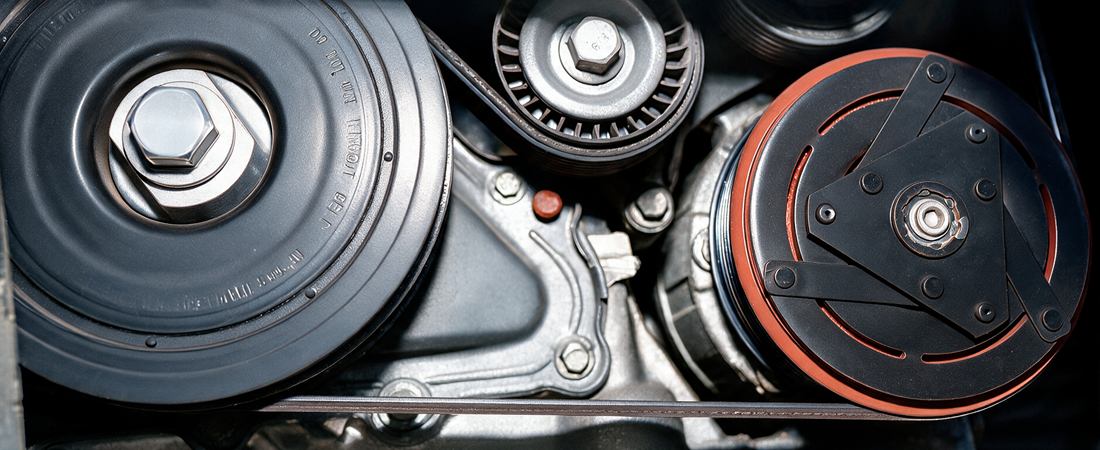
Loss of traction in CVT transmission vehicles can be caused by wear in the belt and pulley system. Such wear weakens the transmission's connection with the engine. Consequently, the car's acceleration and traction are negatively affected. Regular maintenance can help prevent these problems.
Reasons for Traction Loss in DSG and Dual-Clutch Transmission Vehicles
In DSG and dual-clutch transmissions, fast gear shifting is ensured. However, malfunctions in these systems can lead to a loss of traction. Failure to regularly change the transmission fluid causes the system to not operate properly.
Reasons for Loss of Traction According to Vehicle Types?
Vehicle types can also affect the reasons for losing traction. Different problems can arise in gasoline, diesel, LPG, and hybrid vehicles. For example, fuel system problems are often seen in gasoline vehicles, while injection systems play an important role in diesel vehicles.
Reasons for Traction Loss in Gasoline Vehicles
Loss of traction in gasoline vehicles is generally caused by problems related to the fuel system. A dirty fuel filter, faulty pump, or injectors can prevent sufficient fuel flow. This affects the car's performance, reducing its acceleration and traction.
Reasons for Traction Loss in Diesel Vehicles
Loss of traction in diesel vehicles is mostly caused by malfunctions in the injection system. Since diesel injection pumps operate at high pressure, any malfunction affects the engine's correct operation. This causes a reduction in the car's traction power.
Reasons for Traction Loss in LPG Vehicles
Loss of traction in LPG vehicles can be caused by problems in the gas system. Malfunctions in the LPG valves or a regulator problem can prevent the engine from receiving enough gas, leading to a loss of performance. In this case, it is important for the driver to have the LPG system checked.
Reasons for Traction Loss in Hybrid Vehicles
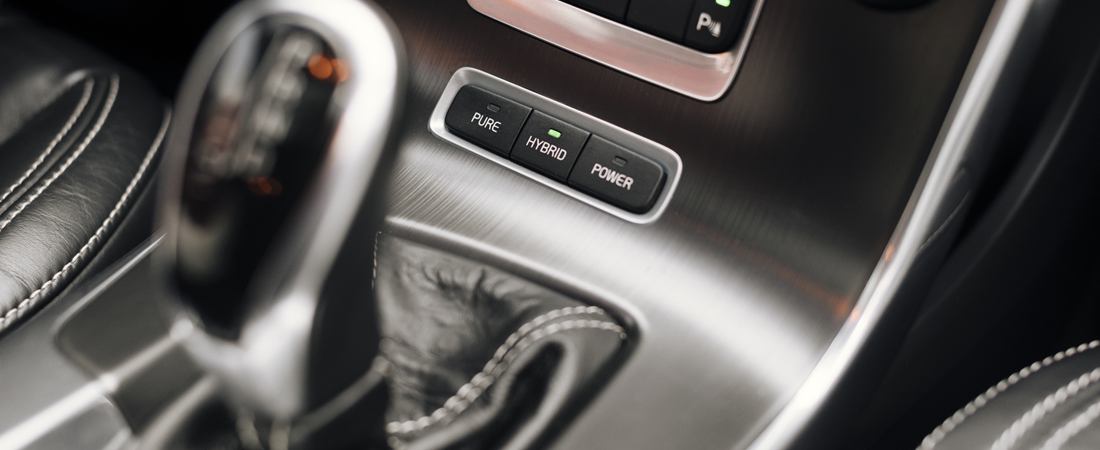
Loss of traction in hybrid vehicles is generally caused by electrical problems or engine control systems. Since these vehicles are a combination of gasoline and electric motors, malfunctions in either system can affect performance. Battery problems in hybrid systems also have the potential to affect traction.
Reasons for Traction Loss in Electric Vehicles
Loss of traction in electric vehicles is generally caused by battery or motor failures. The battery not being able to generate enough power affects the car's performance. Since the motors of electric vehicles provide instantaneous torque, any issue can cause a loss of traction.
What is a Car Traction Problem?
A car traction problem means a reduction in the vehicle's power to the road. This problem is critically important for safe driving and the car's performance. A traction problem can result from various mechanical or electronic malfunctions and has important symptoms that the driver should watch for.
What is the Connection Between a Car Losing Traction and Ignition Systems?
Ignition systems are vital for the proper operation of the car's engine. A car losing traction can be directly connected to problems experienced in the ignition system. Issues such as software faults, spark plugs, or ignition coils can affect the car's performance, leading to a loss of traction.
What Should Be Done When a Car Experiences a Loss of Traction?
When a car experiences a loss of traction, the first steps to take are aimed at detecting the problem. Carefully monitoring the car's symptoms is important for making an accurate diagnosis. It should be remembered that engine and sensor checks, and reviewing the fuel and air filters are necessary.
Taking the Car's Initial Symptoms into Account
It is very important to consider the initial symptoms of the car losing traction. If you notice situations like struggling on slopes or a delay in throttle response, you should start investigating the problems. These symptoms provide early warnings to prevent larger problems in the future.
Performing Engine and Sensor Checks
Engine and sensor control is a critical step that affects the car's performance. The sensors necessary for the engine to run properly must be checked. A faulty sensor can prevent the engine from operating efficiently and cause a loss of traction.
Reviewing the Fuel and Air Filter
Reviewing the fuel and air filters is necessary to improve the car's performance. Dirty filters do not provide sufficient flow to the car's engine. In this case, cleaning or replacing the filters will increase the car's traction power.
Checking the Transmission and Clutch System
Checking the transmission and clutch system is important for understanding the car's traction problems. Clutch wear in manual transmissions or problematic gear shifts in automatic transmissions can lead to a loss of traction. Ensuring these systems are working properly increases the car's performance.
Consulting a Professional Service
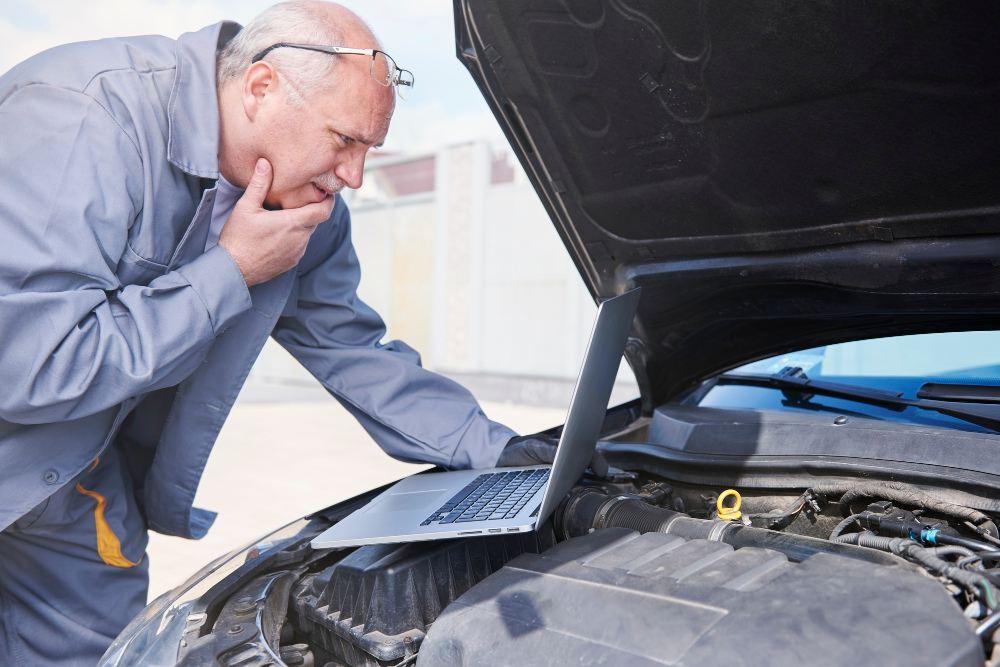
If the checks above do not solve the problem, consulting a professional service is the most appropriate step. Expert technicians can accurately detect the fault and perform the necessary repairs. In this way, your car's performance will increase again, and you can continue to use it safely.
Not Neglecting Regular Maintenance and Repair
Regular maintenance and repairs should not be neglected to prevent the car's traction problems. Engine maintenance, filter replacements, and necessary adjustments protect the car's performance. These procedures help prevent your car from losing traction.
What Are the Ways to Prevent a Car from Losing Traction?
There are some ways to prevent a car from losing traction. Regular maintenance, using quality fuel, and replacing air filters on time are among these ways. Keeping the tire pressure at the correct level and protecting the transmission system are also steps that will prevent performance loss.
Performing Regular Engine and Mechanical Maintenance
Regular engine and mechanical maintenance is essential to maintain the car's traction. Periodic maintenance ensures that all of the car's systems operate smoothly. This allows potential faults to be detected early, and the car's performance is not affected.
Using Quality Fuel
Using quality fuel is an important factor that increases the car's performance. Low-quality fuel can lead to the engine running inefficiently and losing traction. Therefore, you should always take fuel from reliable and quality gas stations to ensure your car's performance.
Timely Replacement of Air and Fuel Filters
Timely replacement of air and fuel filters is necessary for the car to run smoothly. Dirty filters affect the engine's air and fuel intake, reducing its performance. Therefore, the car's performance should be maintained by paying attention to the filter replacement periods.
Keeping Tire Pressure at the Correct Level
Keeping the tire pressure at the correct level is a factor that affects the car's traction power. Low pressure can reduce the car's performance, leading to a loss of traction. Therefore, it is important to check the tire pressure regularly and adjust it according to the manufacturer's recommendations.
Protecting the Transmission and Clutch System
Ensuring the transmission and clutch systems work properly helps prevent traction problems. These parts, which require replacement as they wear out, should be maintained on time. The way the car is driven extends the life of these systems and reduces performance loss.
Driving by Avoiding Excessive Load
Driving by avoiding excessive load helps maintain performance. Excessive load affects the car's traction power, putting extra strain on the engine. In this case, you can increase your car's performance in the long run by carrying less load.
Paying Attention to Driving Style
Driving style is an important factor that affects the car's performance. Hard braking and sudden acceleration can damage the car's mechanical components. Adopting a more careful and balanced driving style will help maintain your car's traction power.
Frequently Asked Questions About Why a Car Loses Traction
You can find the answers to frequently asked questions about why a car loses traction below.
What Should Be Checked First When a Car Loses Traction?
When a car loses traction, components belonging to the engine or transmission system should be checked first. Fuel system problems should also be reviewed. These checks will help determine the source of the problem. Carefully monitoring the car's symptoms is critically important for an accurate diagnosis.
Does a Car's Loss of Traction Always Result from an Engine Malfunction?
A car's loss of traction may not always result from an engine malfunction. Transmission problems, fuel system issues, and ignition system faults can also cause a loss of traction. Therefore, it is important to review all of the car's systems to determine the exact source of the problem.
What is the Most Common Cause of Traction Loss in Diesel Vehicles?
The most common cause of traction loss in diesel vehicles is problems in the injection system. The high-pressure injection of diesel fuel ensures the engine runs efficiently. However, malfunctions in the injection pumps or injectors can affect this performance.
How is a Loss of Traction in LPG Vehicles Understood?
A loss of traction in LPG vehicles can be understood by the engine producing less power and slowing down. Problems in the gas system will affect the car's performance. Drivers can notice this situation by paying attention to the car's responses.
Does a Traction Problem in Vehicles Increase Fuel Consumption?
Yes, experiencing a traction problem in vehicles can increase fuel consumption. The car spending more energy due to engine problems leads to an increase in consumption. This means additional costs for drivers and indicates that the car is not running efficiently.
How Does a Turbo Malfunction Affect Vehicle Traction?
A turbo malfunction is a situation that significantly affects the car's traction. Turbo valves increase the engine's power by allowing it to take in more air and fuel. When it malfunctions, the engine produces less power, and the car's traction decreases.
Is It Safe to Go on a Long Trip with a Vehicle Experiencing a Loss of Traction?
It is generally not safe to go on a long trip with a vehicle experiencing a loss of traction. The car's performance problems can threaten driving safety. Therefore, it is recommended to first resolve the car's problems in such a situation.
Can Regular Maintenance Completely Prevent a Loss of Traction?
Regular maintenance helps minimize the car's loss of traction. However, it is not possible to completely prevent all problems. Maintenance ensures the early detection of potential faults and protects the car's performance.