





- Why does the car emit white smoke?
- Cold Weather Conditions
- Burnt Cylinder Head Gasket
- Water in the cylinder
- Removal of Water Vapor from Exhaust System
- Coolant entering the combustion chamber
- Engine Block Crack
- Engine Head Crack
- Antifreeze Burnout
- Exhaust Vapor Exhaust (Normal in Cold Weather)
- Turbo Failure
- Improper Fuel Use
- Engine Overheating
- Idling Problems
- Burning Oil from the Turbocharger
- Overcooling of the EGR System
- Cracked Cylinder Head
- Engine Block Crack
- What happens if the vehicle emits white smoke?
- White Smoke from the Exhaust Solutions
- Replacing the Cylinder Head Gasket
- Review of the Cooling System
- Repairing Engine Block or Head Cracks
- Eliminating Antifreeze Leaks
- Checking the Turbo System
- Correct Fuel Use
- Checking Engine Heat Sensors
- Adjusting the Idle Settings
- Cleaning the Exhaust System
- Professional Engine Diagnostics
- White Smoke from the Exhaust by Car Types
- Why does a diesel car emit white smoke?
- Why does an LPG vehicle emit white smoke?
- Why Does a Gasoline Car Emit White Smoke?
- Why does a hybrid vehicle emit white smoke?
- Where Can Car White Smoke Damage?
- Cylinder Head Gasket
- Engine Block and Cover Structure
- Pistons and Piston Rings
- Exhaust Manifold
- Catalytic Converter
- Turbocharger System
- Cooling System
- Lubrication System
- Intake Manifold
- Valve and Valve Seat
- Car White Smoke and Engine Health
- What Causes White Smoke and Odor from the Exhaust?
- Frequently Asked Questions and Answers
- What should I do if the car is emitting white smoke?
- What are the Main Causes of White Smoke from Exhaust?
- How Does White Smoke from the Exhaust Affect the Performance of the Vehicle?
- What should I do if white smoke comes out of the exhaust?
- Does White Smoke from Exhaust Harm the Environment?
- How to Solve White Smoke from Exhaust Problem?
- Is White Smoke from Exhaust Normal in Diesel Vehicles?
- What is the Effect of White Smoke from the Exhaust on Fuel Consumption?
- Is White Smoke from the Exhaust a Serious Problem for the Engine?
- Can I Continue Driving the Vehicle When White Smoke Comes Out of the Exhaust?
- Is white smoke coming out of the exhaust caused by the cooling system?
- Is white smoke coming out of the exhaust normal in cold weather?
- What is the Effect of White Smoke on Vehicle Inspection?
- Is White Smoke a Sign of Oil Burning?
- Does White Smoke Also Occur in Gasoline Vehicles?
- Is water dripping from the exhaust associated with white smoke?
- What stops white smoke?
- Does an oil-burning car emit white smoke?
- Why does the engine emit white smoke in cold weather?
- What Causes White Smoke When I Press the Gas?
A car emitting white smoke is a symptom that the engine is experiencing some problems. This can be a cause for concern for the vehicle owner. White smoke is usually caused by the combustion of water vapor or fluids inside the engine. Accurate analysis is crucial to determine the source of the problem.
Why does the car emit white smoke?
There are several main reasons why a car emits white smoke, such as cold weather conditions, water getting into the cylinder, cylinder head gasket burnout, engine block cracking and antifreeze burnout.It is normal for the engine to emit white smoke from the exhaust in cold weather conditions. However, situations such as a burnt cylinder head gasket, water getting into the cylinder and damaging the engine can also cause smoke. The removal of water vapor from the exhaust system gives clues about the health of the engine.
Cold Weather Conditions
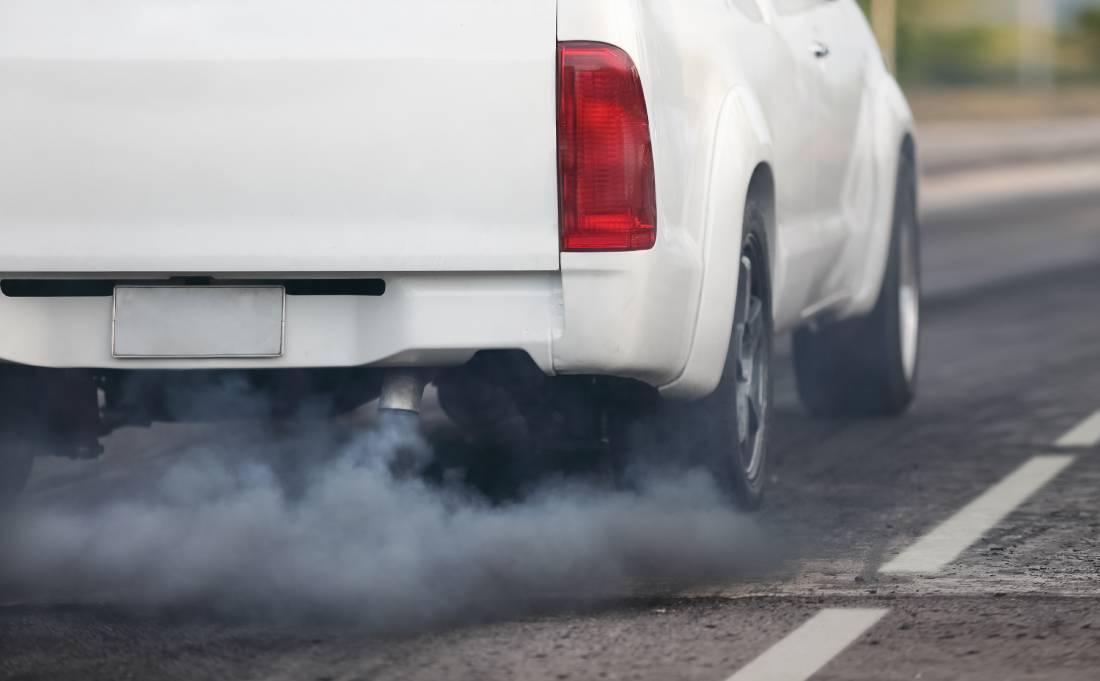
Cold weather conditions are a natural trigger for the engine to emit white smoke. When the engine is started, the internal temperature difference causes the formation of water vapor. In this case, white smoke from the exhaust is an indication of water vapor.
Burnt Cylinder Head Gasket
Burnt cylinder head gasket causes mixing of gases and liquids inside the engine. In this case, the engine burns the coolant and emits white smoke. A burnt gasket can cause serious damage to the engine and should therefore be replaced immediately.
Water in the cylinder
Water in the cylinder is another major engine problem. This prevents the engine from running properly and causes white smoke to be emitted. The water evaporates in the combustion chamber of the engine and comes out in the form of smoke. Detecting this type of problem is critical to the life of the engine.
Removal of Water Vapor from Exhaust System
The removal of water vapor from the exhaust system is part of the normal operation of the engine. In cold weather, evaporation occurs as the engine warms up. However, excessive smoke indicates a problem. In this case, the health of the engine should be assessed.
Coolant entering the combustion chamber
Coolant entering the combustion chamber indicates that the engine has a serious problem. This will cause the engine to overheat and emit white smoke. Coolant is an important component used to stabilize the engine's operating temperature.

Engine Block Crack
An engine block crack is one of the main reasons why vehicles emit white smoke. Cracks in the engine block allow coolant to leak into the combustion chamber. In this case, the engine emits white smoke while running. Repairing engine block cracks can be quite costly.
Engine Head Crack
Engine head cracking is also a cause of white smoke. Cracks in the engine cover allow coolant to enter the combustion chamber. In this case, the efficient operation of the engine is affected and white smoke appears.
Antifreeze Burnout
Antifreeze burnout is another factor that causes white smoke in the vehicle's engine. Antifreeze is a liquid used in the cooling system and helps maintain the temperature balance of the engine. When antifreeze burns in the combustion chamber of the engine, smoke is emitted.
Exhaust Vapor Exhaust (Normal in Cold Weather)
Exhaust vapor exhaust is considered normal in cold weather. When the engine is started, the internal temperature difference causes the formation of water vapor. This vapor indicates that the engine is working properly. However, the emission of thick white smoke may be a sign of a problem.
Turbo Failure
Turbo failure can cause white smoke in the engines of vehicles. The turbocharger is a component that increases the performance of the engine. If the turbo is leaking oil, this causes oil to enter the combustion chamber of the engine. This leads to white smoke.
Improper Fuel Use
Using the wrong fuel is a condition that affects the efficient operation of the engine. Using a fuel that is not suitable for the vehicle's design can cause the engine to experience problems. In this case, the engine emits white smoke and gives a warning to the user.
Engine Overheating
Engine overheating is one of the causes of white smoke. Overheating is usually caused by malfunctions in the cooling system. Excessive heat can damage the internal components of the engine. This causes the engine to use more energy and emit smoke.
Idling Problems
Idling problems affect the proper functioning of the engine. Low or high idle can cause the engine to smoke. If the fuel and air mixture is not properly adjusted when the engine is idling, this will result in white smoke.
Burning Oil from the Turbocharger
Burning oil from the turbocharger is another cause of white smoke. The turbocharger is a component used to improve the performance of the engine. If the turbocharger is leaking oil, the oil will burn in the combustion chamber of the engine, causing smoke.
Overcooling of the EGR System
Overcooling of the EGR system can cause the engine to emit white smoke. The EGR system increases the efficiency of the engine by reusing some of the exhaust gases. However, overcooling will prevent the engine from running properly.

Cracked Cylinder Head
A cracked cylinder head is one of the causes of white smoke. This crack causes coolant to enter the combustion chamber. Thus, the engine emits white smoke while running. Cracks in the cylinder head adversely affect the performance of the engine.
Engine Block Crack
Cracks in the engine block can cause serious problems for the vehicle. These cracks allow coolant to leak into the combustion chamber. The engine then emits white smoke. Since engine block repair is a very costly process, it is important to prevent such problems.
What happens if the vehicle emits white smoke?
When the vehicle starts to emit white smoke, there is a risk of damage to some of the engine's components. White smoke indicates that fluids inside the engine are burning. This can lead to problems that will affect the efficient operation of the engine. The vehicle's performance may decrease and fuel consumption may increase.
White Smoke from the Exhaust Solutions
When experiencing white smoke from the exhaust, it is important to correctly identify and resolve the problem. The first step may be to replace the cylinder head gasket. Next, the cooling system should be inspected and engine block or head cracks repaired.
Replacing the Cylinder Head Gasket
Replacing the cylinder head gasket is one of the key steps in solving a white smoke problem. A burnt or damaged gasket causes gases and fluids inside the engine to leak. This replacement ensures healthier engine operation. Gasket replacement requires the intervention of a specialized technician.
Review of the Cooling System
A review of the cooling system helps prevent engine overheating. If it is emitting white smoke, it is important to check the coolant level and components. Detecting defective parts ensures efficient engine operation. Regular maintenance of the cooling system extends engine life.
Repairing Engine Block or Head Cracks
Repairing engine block or head cracks is critical to solving the white smoke problem. Cracks allow coolant to enter the combustion chamber and affect proper engine operation. Repairs should be carried out by qualified technicians. Such repairs improve the engine's performance and extend the life of the vehicle.
Eliminating Antifreeze Leaks
Eliminating antifreeze leaks is essential for healthy engine operation. A leak can cause the engine to overheat and emit white smoke. By checking the antifreeze level, possible problems can be detected. When the necessary repairs are made, the engine's performance improves.
Checking the Turbo System
Checking the turbo system is important in solving the white smoke problem. Turbocharger malfunction can cause the engine to smoke. If the turbo system shows signs of oil leakage or malfunction, a detailed inspection should be carried out. This check helps to keep the engine running efficiently.
Correct Fuel Use
Correct fuel use is an important factor in preventing engine problems. Using fuel in accordance with the vehicle's design allows the engine to run efficiently. Using the wrong fuel can cause the engine to smoke. Therefore, vehicle owners should always choose the right fuel.
Checking Engine Heat Sensors
Checking the engine heat sensors is necessary to ensure the healthy operation of the engine. To avoid the problem of overheating, it is important to make sure that the sensors are working correctly. When the heat sensors malfunction, problems such as the engine smoking can occur.
Adjusting the Idle Settings
Adjusting the idle settings is essential to ensure proper engine operation. Low or high idle can cause the engine to smoke. Correct idle settings will improve the performance of the engine. This will keep the engine running smoothly without affecting fuel consumption.
Cleaning the Exhaust System
Cleaning the exhaust system can help solve the problem of white smoke. A clogged or contaminated exhaust system affects the proper functioning of the engine. The cleaning process ensures that the engine emits less smoke.
Professional Engine Diagnostics
Professional engine diagnostics is one of the most effective ways to deal with white smoke. Expert technicians check all components of the engine and identify the source of the problem. This diagnostic process allows repairs to be carried out when necessary. Regular maintenance and inspection is important for the longevity of the vehicle.
White Smoke from the Exhaust by Car Types
Different car types can react to white smoke from the exhaust in different ways. Diesel vehicles, LPG vehicles and gasoline vehicles can emit white smoke. Hybrid vehicles may also experience smoke emission under certain conditions. The causes and solutions for each type of vehicle may differ.
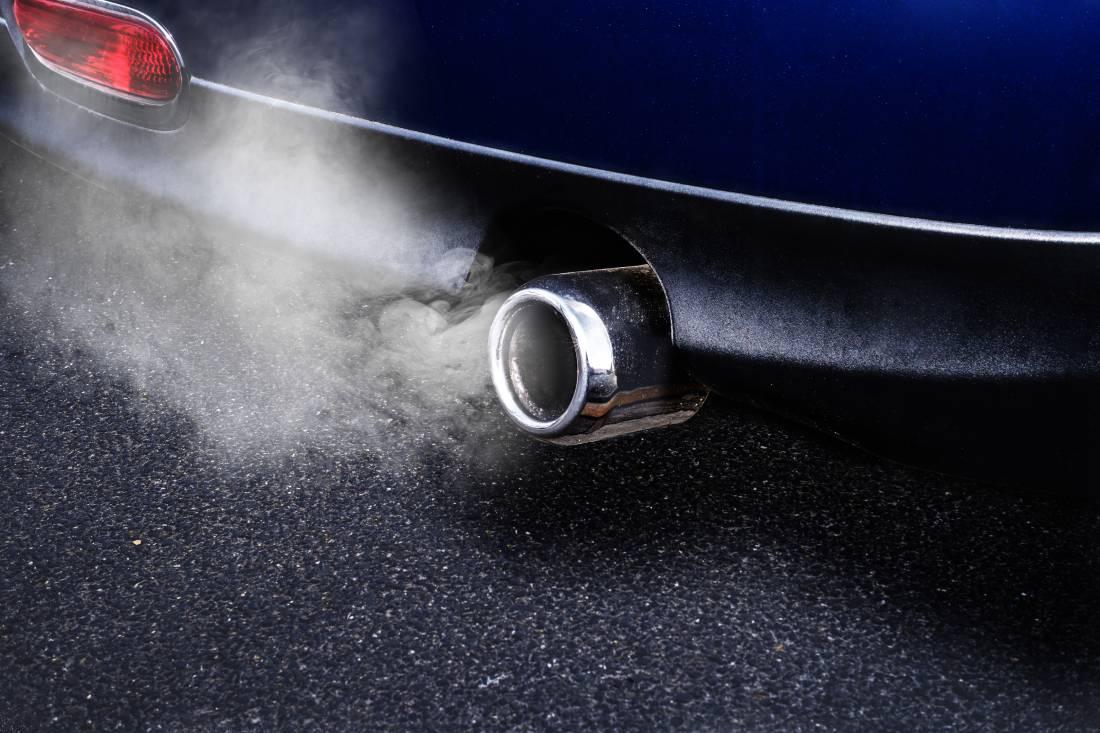
Why does a diesel car emit white smoke?
One of the main causes of diesel car white smoke is the operation of the engine in cold weather. Diesel engines have a system where the fuel is more dense. Therefore, it can emit white smoke in the form of water vapor in cold weather. However, if the smoke is excessive, it may indicate that the engine is having problems.
Why does an LPG vehicle emit white smoke?
LPG vehicles can also emit white smoke in certain situations. In cold weather conditions or when the engine is not fully warmed up, smoke output in the form of water vapor is normal. However, if there is a malfunction inside the engine, this can also cause white smoke.
Why Does a Gasoline Car Emit White Smoke?
Gasoline vehicles may also experience white smoke. The engine being cold or the liquids inside burning are among the reasons for the smoke output. If the engine is experiencing a serious problem, then white smoke is more intense. Smoke emission in gasoline vehicles is usually related to the health of the engine.
Why does a hybrid vehicle emit white smoke?
Hybrid vehicles are systems that run on gasoline and electricity. The problem of emitting white smoke usually occurs when the engine is cold or internal fluids burn. Smoke emission in hybrid vehicles may indicate that the engine is not working efficiently. Therefore, it is important for car owners to carry out regular checks.
Where Can Car White Smoke Damage?
White smoke can damage important components of the engine. This has a wide range of effects, from the cylinder head gasket to the engine block and cover structure. Pistons, exhaust manifold and catalytic converter are also among the parts that can be damaged.
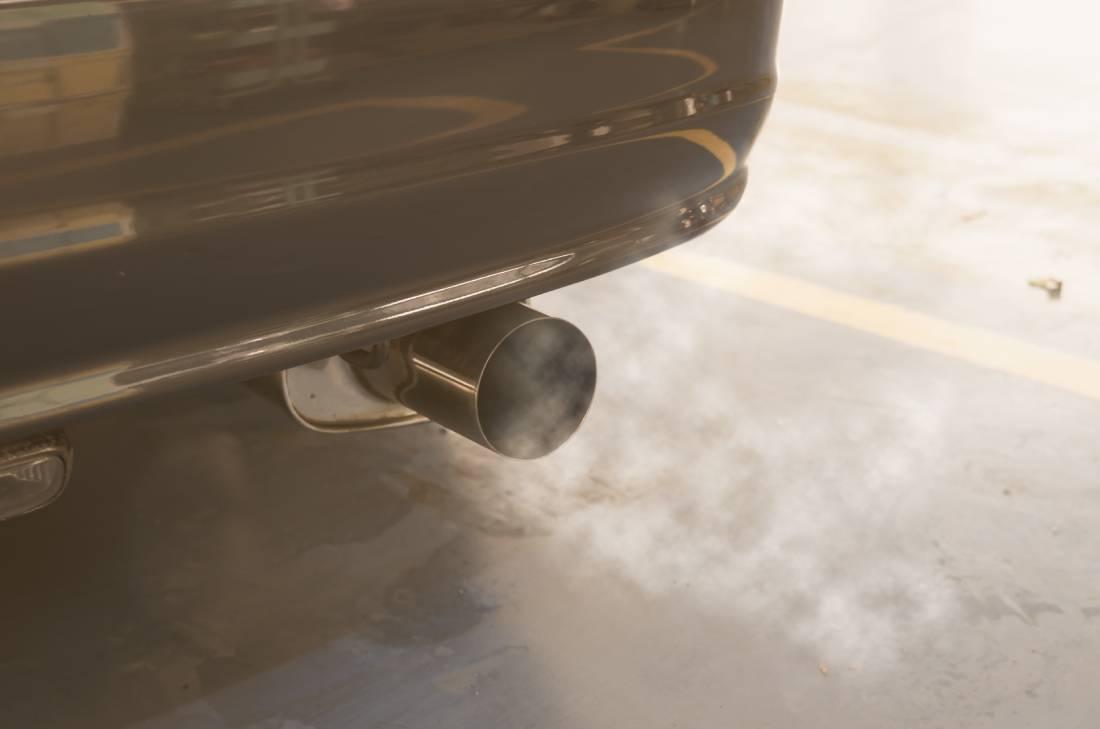
Cylinder Head Gasket
White smoke can damage the cylinder head gasket. The pressure inside the engine increases due to smoke ejection. This leads to further damage and leakage of the gasket. A damaged gasket will affect the efficient operation of the engine.
Engine Block and Cover Structure
White smoke can also damage the engine block and cover structure. Excessive heat and humidity can cause deformation of these parts. Cracks in the engine block and cover are problems that require serious repair. This kind of damage has a negative impact on the longevity of the engine.
Pistons and Piston Rings
White smoke can also damage pistons and piston rings. Burning oil inside the engine is one of the main causes of smoke. When the pistons are damaged, the engine's performance decreases. This increases the fuel consumption of the vehicle, leading to an uneconomical situation.
Exhaust Manifold
The exhaust manifold is a component that conveys the engine's exhaust gases to the outside. Exhausting white smoke can damage the exhaust manifold. Extreme temperature and humidity can cause deformation of the manifold. If this happens, the vehicle's performance will be affected and repairs may be required.
Catalytic Converter
The catalytic converter is an important component in the engine's exhaust system. White smoke can also damage this component. The gaseous state of burnt liquids is the cause of the smoke. Along with the white smoke problem, the fuel consumption and performance of the vehicle are also affected.

Turbocharger System
White smoke can also damage the turbocharger system. Smoke from the engine indicates a situation where the turbocharger is leaking oil. In this case, the proper functioning of the turbocharger system will be affected. Repairs to the turbocharger system may be inadequate until the white smoke problem is resolved.
Cooling System
White smoke can also damage the cooling system. Engine overheating can impair the effective operation of the cooling system, leading to malfunctions. In this case, the emission of white smoke should be regarded as a symptom of engine damage.
Lubrication System
The lubrication system is critical to the healthy operation of the engine. White smoke can also damage the lubrication system. The burning of oil inside the engine causes smoke to be emitted. This will cause the engine to overheat, affecting its performance.
Intake Manifold
White smoke can also damage the intake manifold. It is important that this part is healthy for the engine to function properly. Water or oil ingress can cause problems with the intake manifold. White smoke is a condition that will affect the efficient operation of the engine.
Valve and Valve Seat
The valves and valve seats play an important role in engine operation. Exhausting white smoke can damage these parts. Excessive temperature and humidity can lead to deformation of the valves, affecting the engine's performance. In this case, engine repair can become more complicated.
Car White Smoke and Engine Health
Car white smoke has a negative impact on engine health. If the internal components of the engine start to suffer, the vehicle's performance suffers. White smoke is often considered a symptom of internal engine problems. Timely detection of the problem will extend the life of the engine and help prevent costly repairs.
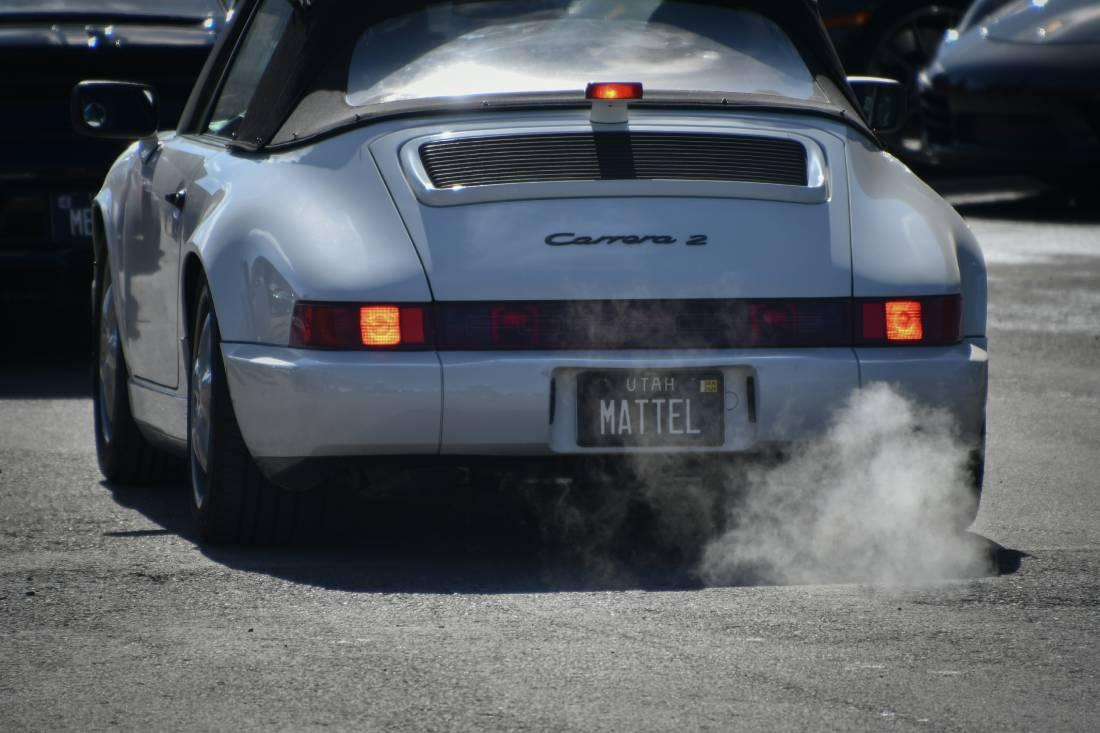
What Causes White Smoke and Odor from the Exhaust?
White smoke and odor coming out of the exhaust indicates that the engine is experiencing some problems. While white smoke is caused by water vapor or burning fluids inside the engine, the odor is a different sign of malfunction. This situation indicates that the vehicle is not working properly and the engine needs to be checked.
Frequently Asked Questions and Answers
Frequently asked questions about car white smoke can help ease the concerns of car owners. These questions cover topics such as the causes of white smoke and how it affects the performance of the vehicle. Understanding the problems is important to find the right solutions.
What should I do if the car is emitting white smoke?
If the vehicle is emitting white smoke, you should first check the engine to determine the source of the problem.
- Turn off the engine and let it rest for a while.
- Check for water or fluid leaks.
- Consult the owner's manual or consult a specialist.
- Seek professional help by having your vehicle serviced by a reliable service center.
What are the Main Causes of White Smoke from Exhaust?
The main causes of white smoke coming out of the exhaust include a cold engine, a burnt cylinder head gasket and water getting into the cylinder.
- Cold engine operation: It is normal to emit water vapor when the engine is cold.
- Burned cylinder head gasket: A damaged gasket causes fluids to mix inside the engine.
- Water leakage into the cylinder: This prevents the engine from running properly.
- Burning antifreeze or other fluids: The burning of fluids inside the engine causes white smoke to be emitted.
How Does White Smoke from the Exhaust Affect the Performance of the Vehicle?
White smoke from the exhaust is a symptom that will negatively affect the performance of the vehicle. Damage to the internal components of the engine prevents the vehicle from running efficiently. In this case, the vehicle's acceleration, response time and fuel consumption may be affected. Car owners who encounter white smoke problems should focus on solving the problem to prevent performance loss.
What should I do if white smoke comes out of the exhaust?
If white smoke comes out of the exhaust, you should first park your vehicle in a safe place. Turn off the engine and consult a specialist to find out the cause of the smoke. Once the problem has been identified, allow the necessary repairs to be carried out. Regular maintenance of the vehicle will help prevent future problems.
Does White Smoke from Exhaust Harm the Environment?
White smoke coming out of the exhaust is a situation that can harm the environment. Since white smoke is formed by the combustion of fluids inside the engine, it contains pollutants. Therefore, it is important to reduce the environmental impact of a smoky vehicle by improving its performance.
How to Solve White Smoke from Exhaust Problem?
To solve the problem of white smoke from the exhaust, it is first necessary to identify the source of the problem. Understanding the underlying causes of white smoke allows for the right solutions. When the necessary repairs are made, it will be possible for the engine to work properly again.
Is White Smoke from Exhaust Normal in Diesel Vehicles?
White smoke coming out of the exhaust in diesel vehicles can be considered normal with the engine running in cold weather. However, heavy smoke output indicates that the engine is experiencing a problem. Since diesel engines have a dense fuel system, they can emit white smoke in certain situations.
What is the Effect of White Smoke from the Exhaust on Fuel Consumption?
White smoke from the exhaust has the potential to negatively affect the fuel consumption of the vehicle. Damage to the internal components of the engine leads to more fuel consumption. In this case, the vehicle owner may start to experience economic problems. The white smoke problem must be solved to ensure efficient engine operation.
Is White Smoke from the Exhaust a Serious Problem for the Engine?
White smoke coming out of the exhaust is a symptom that indicates a serious problem for the engine. This situation indicates that malfunctions may occur in the internal components of the engine. The emission of white smoke is linked to problems that will affect the healthy operation of the engine. The engine owner should not ignore such symptoms.
Can I Continue Driving the Vehicle When White Smoke Comes Out of the Exhaust?
When white smoke comes out of the exhaust, it is not recommended to continue driving the vehicle. Since white smoke indicates that the engine is experiencing some problems, it is important to have the vehicle checked. Identifying the problem and making the necessary repairs will prevent engine damage. If the smoke continues, driving the vehicle could lead to bigger problems.
Is white smoke coming out of the exhaust caused by the cooling system?
White smoke from the exhaust can be caused by problems in the cooling system. The coolant entering the combustion chamber causes the engine to smoke. In this case, the cooling system should be checked. Detecting possible leaks or malfunctions will help solve the problem.
Is white smoke coming out of the exhaust normal in cold weather?
White smoke coming out of the exhaust in cold weather is normal, usually due to the formation of water vapor. When the engine is started, internal temperature differences cause vapor to escape. However, thick smoke may be a sign of a problem. Regular checks should be carried out to determine whether the engine is working properly.
What is the Effect of White Smoke on Vehicle Inspection?
White smoke can have a negative impact on the vehicle inspection process. Smoke coming out of the exhaust indicates that the vehicle's engine is not healthy. In this case, technical problems of the vehicle can be detected during the inspection. White smoke is a situation that will make it difficult for the vehicle to pass a valid inspection.
Is White Smoke a Sign of Oil Burning?
White smoke is usually caused by burning fluids inside the engine. However, the symptom of burning oil is also linked to the smoke emission problem. Burning engine oil can cause white smoke. In this case, the healthy operation of the engine is affected and the performance of the vehicle is reduced.
Does White Smoke Also Occur in Gasoline Vehicles?
White smoke also occurs in gasoline vehicles. The engine being cold or internal fluids burning are among the causes of smoke output. White smoke is usually a sign of a faulty part of the engine. Therefore, it is important to check the engine in case of smoke.
Is water dripping from the exhaust associated with white smoke?
Water dripping from the exhaust is a near-normal symptom when the engine is cold. However, water dripping can be associated with white smoke. As the engine runs, the formation of water vapor causes smoke to escape. Water dripping from the exhaust indicates that the engine is healthy, but excessive smoke is a sign of trouble.
What stops white smoke?
To stop white smoke, it is first necessary to identify the cause of the condition.
- Repair engine problems: Worn gaskets or cracks should be repaired.
- Using the right fuel: Preventing the use of the wrong fuel reduces smoke emission.
- Regular engine maintenance: Periodic checks are essential for healthy engine operation.
The performance of the vehicle can be improved by solving the white smoke problem.
Does an oil-burning car emit white smoke?
An oil-burning car experiences the problem of emitting white smoke. The burning of engine oil causes white smoke. This situation indicates that the internal components of the vehicle's engine are damaged. It is important to detect the oil burning problem. Necessary repairs should be made to improve the vehicle's performance.
Why does the engine emit white smoke in cold weather?
The engine may emit white smoke in cold weather. This is a symptom of water vapor formation. Engine operation is normal in cold conditions, but excessive smoke may indicate that the engine is experiencing a problem. Regular maintenance should be carried out to keep the engine running properly.
What Causes White Smoke When I Press the Gas?
White smoke when you press the gas indicates that the engine is not working properly. This indicates that one of its internal components is malfunctioning or that the fluids are experiencing combustion problems. Engine throttle response problems are linked to white smoke. It is important to identify the cause of this condition, which affects the performance of the vehicle.