




- What is Purple Light (UV) in Car Inspection?
- Why is Purple Light Used in Car Inspection?
- Detecting Paint and Bodywork Damage
- Checking for Replaced Parts
- Finding Engine and Mechanical Fluid Leaks
- Revealing Body Filler and Repair Marks
- Analyzing Interior Upholstery and Trim Repairs
- How is the Purple Light (Ultraviolet) Test Performed?
- Preparing the Vehicle Surface and the Environment
- Scanning with Light in a Dark Environment
- Examining Reflection and Tone Differences
- Reporting the Findings
- What are the Advantages of Using Purple Light in Car Inspection?
- Uncovering Hidden and Concealed Defects
- Delivering Fast and Accurate Results
- Increasing Confidence When Buying a Used Car
- Reducing Human Error to Zero
- At Which Inspection Points is Purple Light Used?
- Paint and Bodywork Test Points
- Engine Underside and Chassis Inspection Areas
- Glass and Originality Checks
- Frequently Asked Questions
- Is the Purple Light Test Reliable in Car Inspection?
- Does the Purple Light Test Damage the Car's Paint?
- Which Defects Cannot Be Seen with Purple Light?
- Does Every Inspection Company Offer a Purple Light Test?
- Is Purple Light Only Used for Paint Checks?
- How Long Does the Purple Light Test Take?
In car inspection, purple light is a specialized ultraviolet (UV) examination technology used to detect paint work, bodywork repairs and mechanical fluid leaks that cannot be noticed with the naked eye or under standard lighting. Because it is vital to reveal, with precise accuracy, the accidents a vehicle has had in the past, its concealed defects and any substandard repairs carried out during used car buying and selling, this technological method is widely preferred at vehicle inspection centers.
What is Purple Light (UV) in Car Inspection?
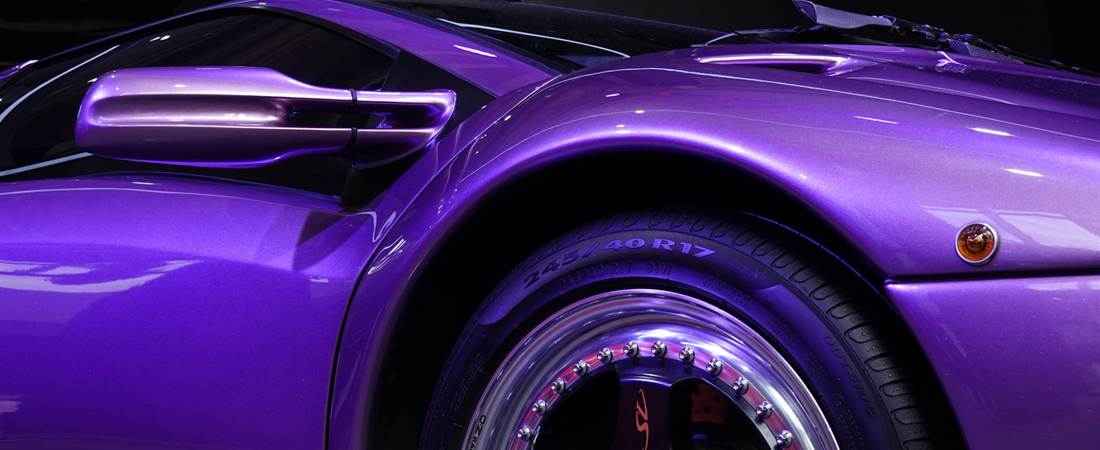
The purple light used in car inspection is a special lighting system with ultraviolet (UV) wavelengths that lie between visible light and X-rays in the electromagnetic spectrum. These wavelengths, which the human eye cannot perceive, create a fluorescent effect when they come into contact with certain surfaces, making chemical differences on the surface visible. Since a vehicle's factory paint structure and areas that were repaired later have different chemical compositions, these two areas reflect in completely different colors or brightness levels under UV light.
This technology is used not only for paint and bodywork checks but also for tracing leaks in the engine block. Because any deviation from factory standards on the vehicle instantly changes the way ultraviolet waves are reflected, it provides inspection experts with very clear data. In finely crafted repairs where even paint thickness gauges may be misled or fall short, purple light technology stands out as a verification tool that leaves no room for doubt.
Having become a standard procedure at advanced car inspection centers, this application maps the vehicle's entire surface in detail when used in equipped dark rooms or together with special filtered glasses. As a result, even microscopic body filler residues, clear coat differences and chemical reactions can easily be detected and become reportable.
Why is Purple Light Used in Car Inspection?
Purple light technology is used to uncover hidden interventions beneath the surface of a used car, even when it looks flawless from the outside. Skillful repairs made before a sale and deceptive cosmetic touch-ups may get past checks done only with paint thickness gauges or by eye, but they cannot escape the chemical analysis power of ultraviolet light.
Detecting Paint and Bodywork Damage
Paint applied to a vehicle's body afterwards has a different chemical composition from factory paint, even if it has the same color code. While factory paints are subjected to high-temperature curing processes, paints applied later still have structural differences even when they are baked. When purple light is shone on the surface, the original paint absorbs the light at a certain rate, while the repainted sections glow at a different wavelength.
Spot repairs in particular, which are applied only to a small area, can look perfectly blended under standard light. However, ultraviolet light clearly reveals the fine line where the new paint meets the old paint and the clear coat transition points, showing the true extent of the damage.
Checking for Replaced Parts
When any part of a vehicle is removed and replaced with a new one, the bolts at the mounting points and the factory sealing compounds are disturbed. In replacements made with used parts, even if the fitted part is in the vehicle's own original color, the paint's aging and its exposure time to UV rays differ depending on the production year. Purple light instantly reveals this difference in aging.
In addition, factory sealants used inside the doors, around the fender openings and at pillar joints reflect completely differently under ultraviolet light compared to sealants applied later. This conclusively proves whether the vehicle has been involved in a major accident and which of its parts have been replaced.
Finding Engine and Mechanical Fluid Leaks

Minor leaks in the engine bay can mix with dirt and dust over time, making them difficult to see with the naked eye. At this point, purple light technology comes into play to detect engine oil, hydraulic fluids, antifreeze and transmission fluid.
In some inspection processes, special fluorescent additives may be added to engine fluids to make detection easier. When purple light is used to find the source of a leak, the leak point appears brightly. Even in engines that have been cleaned and washed, chemical residues remain on the surface and are therefore detected under ultraviolet light. Even slight seepage from hairline cracks that has not yet started dripping can be noticed early with this method.
Following these findings, a much clearer and more reliable report on the engine's overall condition and potential costs is prepared and presented to the buyer.
Revealing Body Filler and Repair Marks
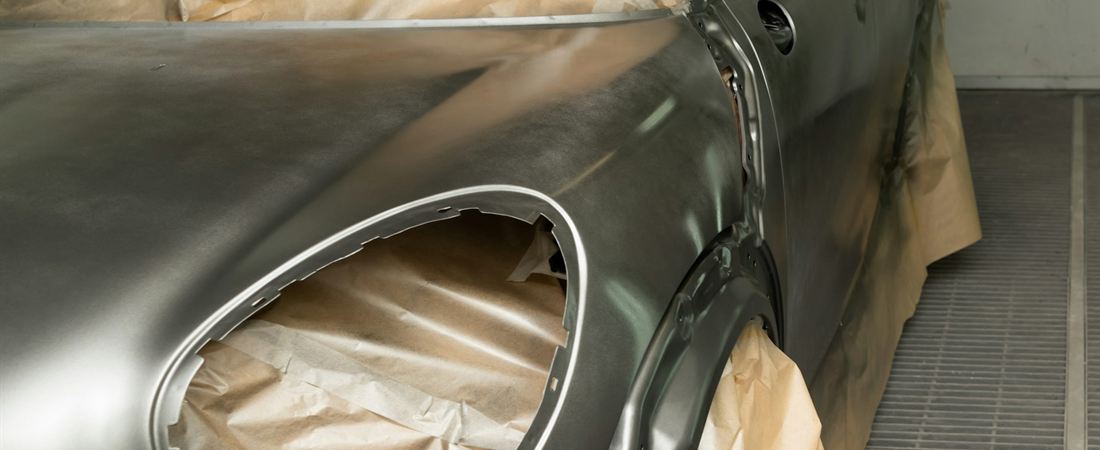
When a heavily damaged body panel is straightened and covered with a thick layer of body filler instead of being replaced, the surface may look smooth, but the structure underneath is completely deformed. Paint thickness gauges can measure the thickness of the filler, but some skillfully applied thin filler layers or special fillers mixed with aluminum powder may aim to mislead these devices. Purple light analyzes the density of the material on the surface and the way it reflects light, revealing filled areas as a dark patch or a different color tone.
Analyzing Interior Upholstery and Trim Repairs
Hidden repairs made not only on the exterior body but also in the vehicle's interior are of great importance. In particular, tears in the dashboard or steering wheel caused by airbag deployment may be concealed by reupholstering or repairing them with special filling materials. Purple light clearly shows the structural difference between the original leather or plastic texture and the repair chemicals added later, providing clues about the history of the vital safety equipment in the interior.
How is the Purple Light (Ultraviolet) Test Performed?
For the ultraviolet test to deliver reliable results, certain procedures must be followed carefully and in order. This process is a step-by-step examination carried out in a controlled environment and is far more comprehensive than simply shining an ordinary flashlight on a vehicle.
Preparing the Vehicle Surface and the Environment
Excessive dust, mud or thick layers of dirt on the vehicle's surface can prevent UV rays from reaching the paint directly. For this reason, it is preferable for the vehicle to undergo a general cleaning before the test. Then the lighting conditions of the inspection area where the process will take place are adjusted to suit the test.
Scanning with Light in a Dark Environment
The most critical point of the purple light test is that it is carried out in a dim or completely dark environment. Since standard fluorescent lighting or daylight weakens the reflection of ultraviolet rays, the ambient lights are turned off. The expert staff then begin to slowly scan the panels, holding a special UV lamp at a certain angle and distance from the vehicle's surface.
Examining Reflection and Tone Differences
During the scan, trained eyes check the uniformity of the light reflected back from the surface. If one part of the body gives off a vivid fluorescent glow while the section right next to it remains matte or takes on a different shade of purple, this indicates that work has been done in that area. The inspection expert marks these points and subjects them to a closer physical and instrument-based examination.
Reporting the Findings
Once the entire vehicle surface, the engine block and the necessary interior components have been scanned, the data obtained is recorded. Paint differences, filled areas and fluid leaks detected during the purple light test are recorded in detail in the relevant sections of the inspection report. These findings are combined with the results of other tests (paint thickness measurement, OBD test, lift inspection) to contribute to the final assessment.
What are the Advantages of Using Purple Light in Car Inspection?
Advancing repair technologies have also reached a very high level when it comes to concealing defects. The use of purple light is one of the most powerful technological advantages inspection companies have against such deceptive repairs.
Uncovering Hidden and Concealed Defects
Sanding marks, clear coat runs, paint dust residues and seamlessly blended spot repairs cannot easily be noticed under normal conditions. Vehicles that have been in serious accidents but were restored with heavy amounts of body filler and labor instead of having their parts replaced are instantly exposed thanks to purple light. This prevents fraud attempts and incomplete disclosure of information.
Delivering Fast and Accurate Results
Taking paint thickness measurements panel by panel and scanning every point individually with a device can be time-consuming. Purple light, on the other hand, can show the overall condition of an entire panel within seconds with the help of a wide-angle lamp. Because the test is so fast and responds instantly, it makes it easier to focus on suspicious areas and speeds up the inspection process.
Increasing Confidence When Buying a Used Car
When a car buyer knows that the vehicle has not just been hooked up to devices and given a superficial look, but has also undergone a light test at the chemical level, their confidence in the report increases. Since buyers learn the history of the car they are about to purchase without any question marks remaining, they can make a much more comfortable and informed financial decision.
Reducing Human Error to Zero
Factors such as fatigue, insufficient lighting, wrong viewing angles or lack of experience can cause even experts to overlook some details. Ultraviolet light removes the limits of the human eye and provides concrete data based on physical and chemical evidence, reducing the margin of visual error to zero.
At Which Inspection Points is Purple Light Used?
Ultraviolet examination is applied to the vehicle as a whole, but the results it provides at certain key points are far more critical. Inspection experts use the light in strategic areas, taking into account the vehicle's structure and the areas most prone to damage.
Paint and Bodywork Test Points
The outer surfaces of the roof, hood, trunk lid and side doors are the first areas to be scanned. Next, the more hidden door sills, pillars, inner fenders and rocker panel areas are examined. Paint repairs on add-on parts (spoilers, plastic bumpers) are also tested with ultraviolet waves at this stage to verify that they match the main body.
Engine Underside and Chassis Inspection Areas
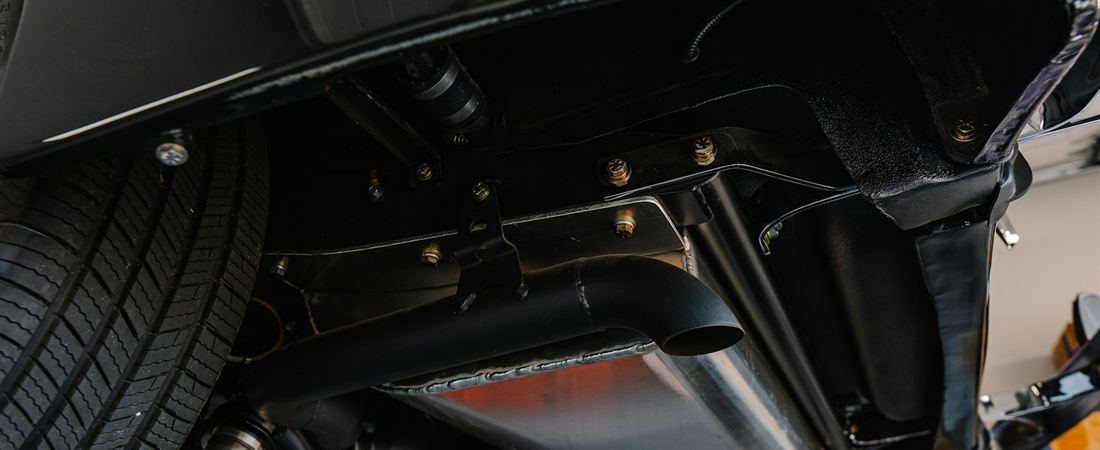
When the vehicle is raised on a lift, the underbody, chassis rails, front aprons and strut tower connections are thoroughly scanned with purple light. Frame straightening work, welding marks or newly applied underbody coating on the chassis stand out under ultraviolet light and give themselves away. Possible fluid leaks around the lower parts of the engine block, transmission joints and the oil pan drain plug are also detected at this point.
Glass and Originality Checks
Production year logos and brand stamps on vehicle windows can be examined under UV light to detect counterfeit production or stamps added later. Since the stamp molds on original glass and the ink structure of fake stamps differ from each other, it is easy to tell whether the glass is original.
Frequently Asked Questions
Although the purple light test is becoming increasingly popular in vehicle inspections, car owners and buyers may still have various questions about this technology.
Is the Purple Light Test Reliable in Car Inspection?
Since ultraviolet technology is based on chemical and physical principles, it is an extremely reliable, scientific and tamper-proof method. Because the way materials reflect and absorb light cannot be altered, it is one of the tests that delivers the most accurate results when combined with the assessment of an expert observer.
Does the Purple Light Test Damage the Car's Paint?
The frequency of the rays used in this test and the duration of exposure cause no damage whatsoever to the vehicle's paint, clear coat or interior upholstery. Since it is a contactless process, it does not cause wear like the harmful effects of the sun; it is a completely safe and harmless application.
Which Defects Cannot Be Seen with Purple Light?
Purple light only shows chemical differences on the surface, repair marks and some fluid leaks. Mechanical wear in the engine's internal components, knocking in the transmission gears, or software and electronic faults in the vehicle's control unit (ECU) cannot be detected with purple light. Other tools such as an OBD diagnostic test and a dynamometer are needed for such problems.
Does Every Inspection Company Offer a Purple Light Test?
This technology may not be available at standard inspection points or those that only perform basic checks. Purple light examination is generally a professional service offered by well-equipped inspection centers with a strong technological infrastructure that provide corporate and comprehensive services.
Is Purple Light Only Used for Paint Checks?
Although paint and bodywork checks are its main area of use, as mentioned throughout the article, it is also actively used to find fluid leaks, detect interior trim repairs, check original parts and analyze welding or underbody coating work on the chassis.
How Long Does the Purple Light Test Take?
Although the duration of the test varies depending on the size and condition of the vehicle being examined, it takes an average of 10 to 15 minutes within the overall inspection process.
In conclusion, the purple light test is an indispensable, modern inspection tool that reveals a vehicle's entire hidden history in a short time, prevents buyers from facing unexpected costs and takes the reliability of the inspection report to the highest level.