






- What is Under the Car's Hood?
- Engine Block
- Radiator
- Battery (Akü)
- Air Filter Box
- Fuse Box
- Coolant Reservoir
- Oil Dipstick and Oil Filler Cap
- Brake Fluid Reservoir
- Windshield Washer Fluid Reservoir
- Alternator
- Fan and Belt System
- Air Conditioning Compressor
- Exhaust Manifold
- Injection System
- Sensors and Electrical Connections
- What is Under the Car's Hood According to Vehicle Brands?
- What is Under the Hood of BMW Models?
- In Mercedes-Benz Models
- What is Under the Hood of Audi Models?
- What is Under the Hood of Volkswagen Models?
- What is Under the Hood of Ford Models?
- What is Under the Hood of Toyota Models?
- What is Under the Hood of Honda Models?
- What is Under the Hood of Hyundai Models?
- What is under the hood of the i20?
- What is Under the Hood of Renault Models?
- What is under the hood of the Clio?
- What is Under the Hood of Peugeot Models?
- What is Under the Hood of Citroën Models?
- What is Under the Hood of Fiat Models?
- What is Under the Hood of Opel Models?
- What is Under the Hood of Volvo Models?
- What is Under the Hood of Nissan Models?
- What is Under the Car's Hood According to Vehicle Types?
- What is Under the Hood of Diesel Vehicles?
- What is Under the Hood of Gasoline Vehicles?
- What is Under the Hood of LPG Vehicles?
- What is Under the Hood of Hybrid Vehicles?
- What is Under the Hood of Electric Vehicles?
- What is Under the Car's Hood According to Body Types?
- What is Under the Hood of Sedan Vehicles?
- What is Under the Hood of Hatchback Vehicles?
- What is Under the Hood of SUV Vehicles?
- What is Under the Hood of Coupe Vehicles?
- What is Under the Hood of Station Wagon Vehicles?
- What is Under the Hood of Convertible (Cabrio) Vehicles?
- What is Under the Hood of Pickup Vehicles?
- Frequently Asked Questions About What is Under the Car's Hood
- What is Found Under the Car's Hood?
- What are the Functions of the Parts Under the Hood?
- Which Parts are Located Under the Car's Hood?
- How are the Parts Under the Hood Arranged?
- How are the Parts Located Under the Hood Checked?
- What is Asked About the Car's Hood in the Driving Exam?
- How Often Do the Parts Under the Car's Hood Require Maintenance?
- How are Malfunctions of the Parts Under the Hood Understood?
- What to Do When the Parts Under the Hood Malfunction?
- How is the Cleaning of the Parts Under the Hood Done?
- Can I Replace the Parts Under the Hood Myself?
- How Do the Systems Under the Hood Affect Car Performance?
What is Under the Car's Hood? What are the Parts in the Front Hood?
A car's hood is a structure that protects the engine and other important components of the vehicle. The parts located under the hood are extremely important for the car's performance and safety. Components such as the engine block, radiator, and battery are necessary to ensure the car's operation.
What is Under the Car's Hood?
There are many important parts under the car's hood. These parts are vital for the car's proper functioning and for ensuring driving safety. The engine block, radiator, battery, air filter box, fuse box, and other components are located here.
The components found under the car's hood are as follows:
- Engine Block
- Radiator
- Battery (Akü)
- Air Filter Box
- Fuse Box
- Coolant Reservoir
- Oil Dipstick and Oil Filler Cap
- Brake Fluid Reservoir
- Windshield Washer Fluid Reservoir
- Alternator
- Fan and Belt System
- Air Conditioning Compressor
- Exhaust Manifold
- Injection System
- Sensors and Electrical Connections
Engine Block
The engine block is a fundamental component that forms the heart of the car. This structure, which houses the cylinders and other engine components, supports the engine's operation. When the engine block does not function properly, the vehicle's performance is seriously affected. Therefore, maintenance performed on the engine block is quite important.
Radiator
The radiator is one of the most important parts of the engine's cooling system. It regulates the engine temperature to prevent the engine from overheating. By effectively using the coolant fluid with the engine, it helps the engine operate at an optimal temperature. Regular checking of the radiator increases the vehicle's performance.
Battery (Akü)
The battery is a component that provides power to the vehicle's electrical system. It supports many functions, from starting the engine to lighting and other electrical parts. A weak battery can cause problems with the car's operation. Therefore, it is important to periodically check and replace the battery when necessary.
Air Filter Box
The air filter box provides the clean air the engine needs. Clean air is required for the engine to run efficiently, so the air filter must be checked regularly. The air filter must be replaced periodically to prevent dust and dirt from affecting the engine.
Fuse Box
The fuse box houses the fuses that protect the circuits in the vehicle's electrical system. It provides protection against electrical faults, thereby ensuring that other components in the vehicle operate safely. Regular checking of the fuses inside the fuse box helps prevent malfunctions.
Coolant Reservoir
The coolant reservoir supplies the necessary fluid to the engine's cooling system. The coolant level must be sufficient to prevent the engine from overheating. This reservoir supports the engine to operate at its ideal temperature, increasing the car's performance.
Oil Dipstick and Oil Filler Cap
The oil dipstick is a tool used to check the level of the engine oil. Engine oil is critically important for the proper functioning of the engine. The oil filler cap ensures that the engine oil is protected in a leak-proof manner.
Brake Fluid Reservoir
The brake fluid reservoir holds the fluid necessary for the brake system to operate smoothly. This fluid ensures that the force applied to the brake pedal is transmitted to the brakes. Checking the hydraulic level is vital for the safety of the brake system.
Windshield Washer Fluid Reservoir
The windshield washer fluid discharge ensures that the wipers work cleanly and effectively. This reservoir, located under the hood, increases the driver's visibility. A sufficient level of wiper fluid is important for safe driving.
Alternator
The alternator generates the car's electrical energy while the engine is running. It ensures that the battery is charged and provides power to the car's electrical systems. It plays an important role in the car's performance; when the alternator malfunctions, electrical problems may arise.
Fan and Belt System
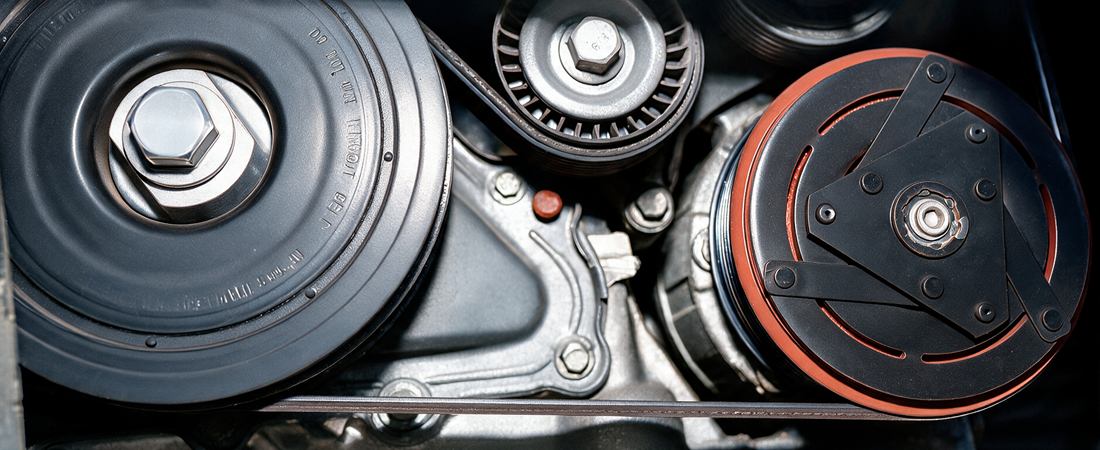
The fan is a component that helps cool the engine. It provides airflow to the cooling system to prevent the engine from overheating. The belt system connects various parts of the engine and ensures they work in sync.
Air Conditioning Compressor
The air conditioning compressor is the heart of the car's air conditioning system. It helps cool the car's interior environment by compressing and circulating the refrigerant gas. The proper functioning of the air conditioning compressor provides a comfortable experience for the driver and passengers.
Exhaust Manifold
The exhaust manifold ensures that the engine's waste gases are discharged. For the engine to run efficiently, waste gases must be quickly expelled. Exhaust manifold malfunctions can negatively affect the car's performance. Therefore, regular maintenance is important.
Injection System
The injection system ensures the car runs efficiently by correctly spraying the engine's fuel. By ensuring the optimum ratio of the fuel and air mixture, it guarantees that the engine consumes less fuel and runs efficiently.
Sensors and Electrical Connections
Sensors and electrical connections ensure the proper functioning of the vehicle's various systems. Sensors that monitor the engine's operating status provide critical information to the driver. Malfunctions of these parts can affect the car's performance.
What is Under the Car's Hood According to Vehicle Brands?
The parts under the car's hood, according to vehicle brands, generally vary depending on the brand's design and engineering philosophy. Luxury brands like BMW, Mercedes-Benz, and Audi may have differences in their engine and cooling systems. For example, BMW models generally have more compact engine structures, while Ford and Toyota models may feature more common designs.
What is Under the Hood of BMW Models?
BMW models' hoods usually contain powerful engines and high-quality cooling systems. Components such as the engine block, radiator, and battery are designed to suit BMW's driving dynamics. Parts like the oil dipstick and air conditioning compressor are also frequently found in this brand's vehicles.
In Mercedes-Benz Models
The hood of Mercedes-Benz models is generally full of high-capacity engines and innovative technologies. The radiator and cooling systems that support the engine's efficient operation are among the core components of these vehicles. Another striking part in Mercedes vehicles is the fuse box with up-to-date safety systems.
What is Under the Hood of Audi Models?
Audi models similarly feature powerful engines and advanced cooling systems. The Quattro all-wheel-drive system works in harmony with the parts located under the engine. Components like the radiator and exhaust manifold are meticulously designed to enhance the vehicle's performance.
What is Under the Hood of Volkswagen Models?
In Volkswagen models, the parts under the hood generally focus on functionality. The engine block and injection system are designed to ensure the vehicle's fuel efficiency. Components such as the battery and radiator are also critically important in Volkswagen's vehicles.
What is Under the Hood of Ford Models?
The hood of Ford models generally consists of practical and durable parts. The engine block varies according to the gasoline or diesel option. Parts such as the air filter box and brake fluid reservoir are also found in Ford vehicles; these parts enhance the vehicle's safety.
What is Under the Hood of Toyota Models?
Toyota models' hoods feature reliable and efficient engine structures. The radiator and coolant reservoir support the engine's healthy operation. Components like the battery and oil dipstick are also placed in a manner consistent with Toyota's philosophy of easy maintenance.
What is Under the Hood of Honda Models?
Honda models' hoods generally contain high-efficiency engines. The engine block and injection system are designed to optimize the vehicle's performance. Honda vehicles prefer lighter structures instead of parts like heavy vehicles.
What is Under the Hood of Hyundai Models?
Hyundai models' hoods feature parts that showcase modern engineering examples. The engine block and cooling system are designed to enhance the car's performance. Components such as the battery and air filter box are also important in Hyundai vehicles.
What is under the hood of the i20?
The hood of the Hyundai i20 contains a compact engine structure and necessary cooling systems. The engine block, radiator, and battery are fundamental parts that support the i20's efficient operation. The air filter box is also critically important for the engine's performance.
What is Under the Hood of Renault Models?
Renault models' hoods generally feature economy-focused engines. The radiator and coolant reservoir support the engine's healthy operation. Parts such as the battery and injection system are also found in Renault vehicles; these parts enhance the car's performance.
What is under the hood of the Clio?
The hood of the Renault Clio contains an efficient engine structure and necessary cooling systems. The engine block, radiator, and battery are designed to ensure the Clio's balanced performance. The air filter box is also important for the engine to operate as required.
What is Under the Hood of Peugeot Models?
Peugeot models' hoods feature innovative engine technologies and efficient cooling systems. The engine block provides the car's power, while the radiator prevents overheating. The injection system also plays a noticeable role in Peugeot vehicles.
What is Under the Hood of Citroën Models?
Citroën models' hoods generally feature parts that support a comfortable driving experience. The engine block and cooling system ensure the car's efficient operation. Components such as the battery and air filter box are also found in Citroën vehicles.
What is Under the Hood of Fiat Models?
Fiat models' hoods feature compact and practical engine structures. The radiator and coolant reservoir support the engine's healthy operation. The battery and injection system also hold an important place in Fiat vehicles; these parts affect the car's overall performance.
What is Under the Hood of Opel Models?
Opel models' hoods generally contain durable and functional parts. The engine block provides the car's power, and the radiator balances the engine's heat. Parts such as the oil dipstick and brake fluid reservoir are also present in Opel vehicles.
What is Under the Hood of Volvo Models?
Volvo models' hoods feature parts that prioritize safety. Powerful engines and advanced cooling systems are characteristic of Volvo. Components such as the radiator and exhaust manifold enhance the car's performance while also ensuring safety.
What is Under the Hood of Nissan Models?
Nissan models' hoods feature innovative engine technologies and efficient cooling systems. The engine block, radiator, and battery are fundamental components that support the performance of Nissan vehicles. The injection system also plays an important role in these models.
What is Under the Car's Hood According to Vehicle Types?
The parts under the car's hood can vary according to vehicle types. The engine and cooling systems of diesel, gasoline, LPG, hybrid, and electric vehicles are designed according to the characteristics of the respective fuel types. For example, battery systems are prominent under the hood of electric vehicles.
What is Under the Hood of Diesel Vehicles?
The hoods of diesel vehicles usually contain powerful engine blocks and efficient cooling systems. Diesel engines stand out with high torque values; therefore, engine cooling is vital. The radiator and oil dipstick are among the main parts that support the performance of diesel vehicles.
What is Under the Hood of Gasoline Vehicles?
The hoods of gasoline vehicles feature light and compact engine structures. The radiator and cooling system help ensure the engine runs efficiently. In gasoline engines, the injection system ensures the effective use of fuel.
What is Under the Hood of LPG Vehicles?
The hoods of LPG vehicles contain parts belonging to the gas system. The LPG system, designed to make the engine run with more extraordinary efficiency, comes with lightened engine structures. The cooling system and radiator support the performance of LPG vehicles.
What is Under the Hood of Hybrid Vehicles?
The hoods of hybrid vehicles contain parts belonging to both gasoline and electric systems. These vehicles are designed to provide energy efficiency. The engine block, electric motor, and battery systems are core components of hybrid vehicles.
What is Under the Hood of Electric Vehicles?
The hoods of electric vehicles generally contain large battery packs and electric motors. Unlike conventional engines, the cooling systems of electric vehicles also differ. The hood of electric vehicles offers a driving experience away from engine noise.
What is Under the Car's Hood According to Body Types?
The parts under the car's hood can vary according to the car's body type. The engine and cooling systems of sedan, hatchback, SUV, coupe, station wagon, convertible (cabrio), and pickup vehicles are designed according to the characteristics of the respective body types. For example, SUV engines are generally larger and more powerful.
What is Under the Hood of Sedan Vehicles?
The hoods of sedan vehicles generally contain large and powerful engines. The radiator and coolant reservoir support the engine's healthy operation. Parts such as the battery and air filter box are also found in sedan models; these parts enhance the car's performance.
What is Under the Hood of Hatchback Vehicles?
The hoods of hatchback vehicles generally contain more compact engine structures. These vehicles are designed for city use and focus on fuel efficiency. The radiator and battery are important parts that support the performance of hatchback models.
What is Under the Hood of SUV Vehicles?
The hoods of SUV vehicles contain powerful and large engines. These vehicles are generally designed to perform well even in tough road conditions. The radiator and cooling system are structured to enhance the performance of SUV vehicles.
What is Under the Hood of Coupe Vehicles?
The hoods of coupe vehicles generally contain performance-oriented engines. These vehicles, which have a more aerodynamic structure, provide stability even at high speeds. The engine block and injection system are fundamental parts that enhance the performance of coupe vehicles.
What is Under the Hood of Station Wagon Vehicles?
The hoods of station wagon vehicles generally contain wide engine structures. These vehicles are designed for family use and offer more space. The radiator and coolant reservoir support the engine's efficient operation.
What is Under the Hood of Convertible (Cabrio) Vehicles?
The hoods of convertible vehicles generally contain performance-oriented engines. These vehicles, which offer an open-air driving experience, are designed with lighter structures. The engine block and injection system are important for enhancing the performance of convertible vehicles.
What is Under the Hood of Pickup Vehicles?
The hoods of pickup vehicles contain powerful and durable engine structures. These engines, which have the capacity to work in difficult conditions, are designed for functionality. The radiator and cooling system support the performance of pickup vehicles.
Frequently Asked Questions About What is Under the Car's Hood
It is important to answer frequently asked questions to understand what is under the car's hood. These questions help vehicle owners learn more about the parts under the hood. Topics such as the function of the parts and how to check them are information that will increase driver safety.
What is Found Under the Car's Hood?
Many important parts are found under the car's hood. Here are these parts:
- Engine block: The car's main power source.
- Radiator: Helps cool the engine.
- Battery: Provides power to the car's electrical system.
- Air filter box: Ensures the engine gets clean air.
- Fuse box: Protects electrical circuits.
What are the Functions of the Parts Under the Hood?
The functions of the parts under the hood are critically important for the car's performance. Here are the main functions of these parts:
- Engine block: Plays a fundamental role in enabling the car to run.
- Radiator: Prevents the engine from overheating.
- Battery: Starts the car by providing power to the electrical system.
- Air filter: Increases efficiency by ensuring the engine gets clean air.
- Fuse box: Protects the electrical systems from malfunctions.
Which Parts are Located Under the Car's Hood?
Parts such as the engine block, radiator, battery, air filter box, fuse box, and coolant reservoir are found under the car's hood. These parts are vital for the car's proper functioning and safety. Each part has a specific function.
How are the Parts Under the Hood Arranged?
The parts under the hood must be arranged in an orderly manner. This arrangement allows maintenance operations to be performed more easily. The parts must receive adequate airflow, and their connections to each other must be correct.
How are the Parts Located Under the Hood Checked?
Checking the parts under the hood is important for the car to run healthily. Engine oil, coolant fluid, and battery levels should be checked regularly. These checks help in the early detection of potential malfunctions.
What is Asked About the Car's Hood in the Driving Exam?
Questions about the car's hood in the driving exam are generally based on basic knowledge. Drivers are asked how to check the engine oil level or where the battery is located. This kind of information increases the driver's control over the vehicle.
How Often Do the Parts Under the Car's Hood Require Maintenance?
The parts under the car's hood require maintenance at specific intervals. The battery, engine oil, and coolant fluids should be checked regularly and replaced when necessary. This maintenance helps increase the car's performance and leads to fewer breakdowns.
How are Malfunctions of the Parts Under the Hood Understood?
Malfunctions of the parts under the hood usually reveal themselves through symptoms. Abnormal engine noises, the illumination of warning lights, or a decrease in performance are signs of malfunctions. When encountering such problems, a professional mechanical service should be consulted.
What to Do When the Parts Under the Hood Malfunction?
When the parts under the hood malfunction, the problem must first be identified. Repairing or replacing the faulty part is important for the car to operate safely. In this process, it is recommended that the vehicle owner seek help from an expert.
How is the Cleaning of the Parts Under the Hood Done?
Cleaning the parts under the hood is important to affect the car's performance. Dust and dirt accumulation can cause wear on the engine and other parts. The cleaning process should be done carefully, and when the engine covers are opened, it is preferred that only a cold engine is cleaned.
Can I Replace the Parts Under the Hood Myself?
Replacing the parts under the hood is possible for individuals with basic mechanical knowledge. However, some parts may involve procedures that require expertise. Simple parts like engine oil and the air filter can be learned to be replaced; however, professional support is recommended for more complex parts.
How Do the Systems Under the Hood Affect Car Performance?
The systems under the hood are components that directly affect the car's performance. Parts such as the engine, cooling system, and electrical components must ensure the car runs efficiently. The improper functioning of these systems can increase fuel consumption and negatively affect the car's performance.