





- What is Off-road Mode?
- What Does Off-road Mode Do?
- How Does Off-road Mode Work?
- How to Activate Off-road Mode?
- How to Deactivate Off-road Mode?
- In Which Driving Conditions Should Off-road Mode Be Used?
- Advantages of Off-road Mode
- Effect of Off-road Mode on Fuel Consumption
- How Does Off-road Mode Affect Driving Dynamics?
- Comparison Between Off-road Mode and Other Driving Modes
- Which Vehicles Have Off-road Mode?
- Things to Consider When Using Off-road Mode
- Frequently Asked Questions About Off-road Mode
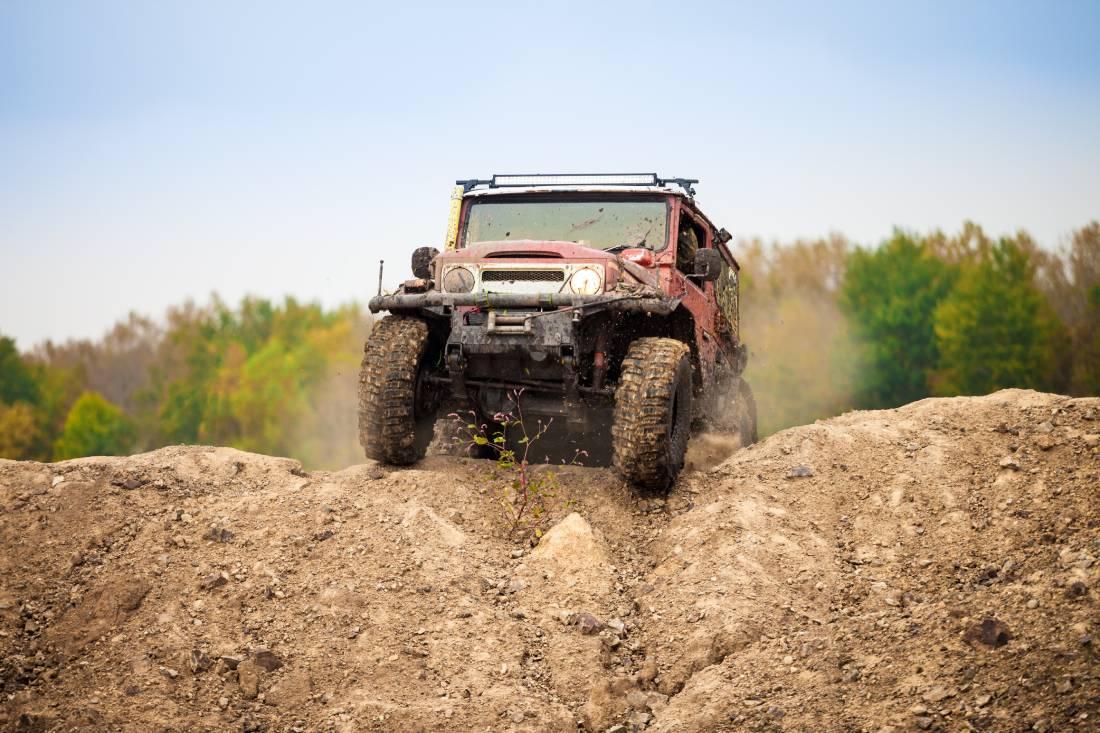
Off-road mode is a driving mode that allows vehicles to perform better under challenging terrain conditions. Thanks to this mode, components such as the engine, transmission, brakes, and suspension systems are optimized for off-road conditions. The main purpose of off-road mode is to increase driver control and enhance the vehicle’s durability. To provide the necessary grip and stability for various off-road activities, this mode is particularly effective on surfaces such as dirt, sand, gravel, or rocky terrain. Off-road mode is generally found in SUVs and pickup trucks, but it can also be available in some hatchback and sedan models. With off-road mode, drivers can enjoy a more thrilling and safer experience in touch with nature.
What is Off-road Mode?
Off-road mode is a driving mode found in modern vehicles, designed especially for challenging terrain conditions. This mode readjusts various systems to enhance the vehicle’s performance. The function of off-road mode is to prevent wheel slip, improve driving control, and provide more traction power. This allows drivers to travel more safely and comfortably on uneven terrain. Off-road mode is typically effective on sand, mud, snow, or steep slopes. When the mode is activated, engine response becomes more sensitive, and the suspension system adapts to ground conditions. As a result, off-road mode provides drivers with more freedom and safety under tough conditions.
What Does Off-road Mode Do?
Off-road mode is designed to help vehicles perform better in challenging driving conditions. Its function is to optimize various systems in the vehicle to improve the driver’s experience. The main functions of off-road mode include increasing engine power, preventing wheel slippage, and enhancing the braking system. Especially on rough terrain, it increases driver control, resulting in a safer drive. Off-road mode assists in moving more effectively on difficult surfaces such as mud, sand, or steep slopes. The advantages it provides not only enhance the enjoyment of driving but also offer opportunities to develop the vehicle’s off-road capabilities. In short, off-road mode is equipped with essential functionality for adventure enthusiasts.
How Does Off-road Mode Work?
Off-road mode works by optimizing various vehicle systems. When this mode is activated, engine performance and responsiveness are increased, allowing the vehicle to produce more power and torque. The transmission is adjusted to suit off-road mode, using lower gear ratios to boost traction. To minimize wheel slippage, different traction systems are engaged, and tire pressure adjustments may be made. The suspension system adjusts its stiffness and height according to the terrain to increase stability. The braking systems are also modified to be more effective in this mode. As a result, off-road mode synchronizes all vehicle components to provide a superior driving experience in difficult terrain.
How to Activate Off-road Mode?
Off-road mode is typically activated through the vehicle’s control panel. The driver must first locate the appropriate icons or menu options. In most vehicles, there is a button or switch to enable off-road mode, usually located on the console or near the steering wheel. When the button is pressed, the off-road option appears among the driving modes. In some vehicles, this mode can also be activated via on-screen settings. The vehicle’s user manual may include specific information on how to activate off-road mode. To indicate that the mode has been successfully activated, a warning light usually illuminates on the vehicle’s dashboard, allowing the driver to check whether the mode is active.
How to Deactivate Off-road Mode?
Deactivating off-road mode generally follows similar steps as activation. The driver accesses the control panel and presses the relevant button or option to disable off-road mode. In most vehicles, this process automatically switches back to normal driving modes. Notifications appear on the vehicle’s screen as the active mode changes. Turning off off-road mode allows for better performance on asphalt or standard road conditions. The user manual provides detailed information on how to deactivate the mode. Typically, a dashboard indicator also changes to show that off-road mode has been turned off, allowing the driver to easily verify the mode’s status.
In Which Driving Conditions Should Off-road Mode Be Used?
Off-road mode is specifically designed for use on rough and challenging terrains. This mode provides better traction and control on muddy, sandy, or rocky surfaces. The conditions in which off-road mode is most effective include steep climbs, descents, and slippery surfaces. In such terrains, the vehicle’s traction and stability need to be increased — this is where off-road mode comes into play. It’s also ideal for snowy roads or natural obstacle-filled tracks. With this mode, drivers enjoy a safer driving experience under difficult conditions. In short, off-road mode is an ideal choice for hiking, camping, or adventure enthusiasts, maximizing the capabilities of off-road vehicles.
Advantages of Off-road Mode
Off-road mode offers many advantages to vehicle owners. The ability to perform better on rough terrains is one of its most notable benefits. The advantages of off-road mode include:
- Engine and transmission adjustments: The vehicle is optimized for off-road conditions, providing more power and control.
- Increased traction: Wheel slippage on slippery and uneven surfaces is minimized, ensuring safer driving.
- Stability and control: The mode helps drivers better control the vehicle under tough conditions, offering a more enjoyable experience.
- Adaptability to different surfaces: Off-road mode performs effectively on mud, sand, or rocky terrains.
- Adventure experience: It offers drivers a safer and more exciting driving experience in nature.
Effect of Off-road Mode on Fuel Consumption
The impact of off-road mode on fuel consumption can vary depending on usage conditions. When this mode is activated, the engine’s performance is increased, which may lead to higher fuel consumption. While driving on difficult terrain, the vehicle requires more power, causing fuel to deplete faster. However, in some cases, the efficiency provided by off-road mode can help drivers maintain better speeds and techniques. For example, when off-roading smoothly, reducing unnecessary acceleration and braking can improve fuel economy. In conclusion, fuel consumption while using off-road mode depends on terrain and driving techniques. Drivers should consider this when planning their trips.
How Does Off-road Mode Affect Driving Dynamics?
Off-road mode significantly alters and improves driving dynamics. When activated, the vehicle’s response is adjusted to suit challenging terrain. First, engine performance is boosted, providing more power and torque. Second, transmission settings are modified to deliver more traction power at lower gears. These adjustments improve acceleration and control depending on the ground conditions. Off-road mode activates the traction control system to prevent wheel slippage and increase stability. The suspension system is also adjusted to optimize vehicle height and stiffness, allowing it to absorb impacts more effectively. Ultimately, off-road mode enhances driving dynamics for a safer and more comfortable off-road experience.
Comparison Between Off-road Mode and Other Driving Modes
Off-road mode has unique features compared to other driving modes. For example, economy mode focuses on fuel efficiency, while off-road mode prioritizes performance. The advantages of off-road mode differ significantly from standard driving modes since it adapts the vehicle to harsh conditions. Sport mode, on the other hand, focuses on speed and performance, whereas off-road mode emphasizes traction and control. Off-road mode is typically used on sand, mud, or rocky terrain, while other modes are designed mainly for paved roads. This comparison helps drivers make informed decisions about which mode to use in different conditions. In conclusion, each mode is designed to deliver optimal performance within its intended environment.
Which Vehicles Have Off-road Mode?
Off-road mode is usually found in SUVs and 4x4-type vehicles. These vehicles are equipped with off-road mode to perform better under off-road conditions. However, some pickup trucks and high-profile crossovers may also feature this mode. Today, vehicles equipped with off-road mode are widely preferred not only for challenging terrains but also for daily urban use. Some sports cars and specially designed off-road vehicles also include this mode. The presence of off-road mode enhances vehicle versatility and provides safe performance on various surfaces. Manufacturers typically offer off-road mode in high-performance and durable vehicles.
Things to Consider When Using Off-road Mode
There are several important points to consider when using off-road mode. First, analyzing the terrain conditions is essential for a safe driving experience. When assessing the terrain, it’s important to remember when to switch back to normal driving mode. Second, interaction and distance with other vehicles should be carefully considered, as off-road areas can often be crowded. Understanding how the vehicle responds when off-road mode is activated increases driver control. Additionally, ensuring proper tire pressure is crucial, as it directly affects grip. Finally, to make the best use of the mode’s advantages, it’s important to fully understand the vehicle’s features. Paying attention to these points ensures a safer off-road experience.
Frequently Asked Questions About Off-road Mode
Below are frequently asked questions and answers about off-road mode.
Who Should Use Off-road Mode?
Off-road mode should be used by individuals interested in off-road driving. This mode appeals to those who enjoy spending time in nature and traveling through challenging terrains. Especially those passionate about off-road activities can use this mode effectively. For example, people engaging in mountaineering, camping, or exploratory travel can benefit from the advantages of off-road mode. Additionally, professionals in agriculture or construction can use off-road mode when navigating their fields or sites. Since it provides greater control and safety on uneven roads, this mode attracts all kinds of drivers. In conclusion, off-road mode is ideal for adventure seekers and those traveling through diverse natural environments.
Does Off-road Mode Save Fuel?
The fuel-saving potential of off-road mode generally depends on its intended use. Most of the time, activating off-road mode increases engine performance, which leads to higher fuel consumption. However, depending on driver skill and terrain conditions, fuel savings can be achieved in some situations. For example, by maintaining smooth off-road driving with reduced unnecessary acceleration and braking, fuel efficiency can be improved. During natural obstacle navigation, the power assistance provided by the mode can also positively impact fuel efficiency. Nevertheless, it’s important to remember that off-road mode focuses more on performance than on fuel economy. Drivers should be mindful of this and consider fuel usage when using off-road mode.
Does Off-road Mode Affect Driving Safety?
Off-road mode has a highly positive effect on driving safety. This mode helps drivers maintain greater control under harsh terrain conditions. First, it increases vehicle traction, reducing the risk of slipping — a significant safety advantage on slippery surfaces. When off-road mode is activated, the engine and braking systems are adjusted to match terrain conditions, enhancing driving stability. Additionally, the suspension system is optimized to absorb shocks more effectively. All these factors help prevent accidents during off-road driving. In conclusion, off-road mode significantly enhances driving safety under challenging conditions.
Can Off-road Mode Be Changed Manually?
In most modern vehicles, it is possible to manually change off-road mode. Drivers can enable or disable off-road mode using in-car controls, typically through a button or switch on the console. Manual switching allows the driver to adjust settings according to current driving conditions, providing more control. In some vehicles, off-road mode settings can be customized in greater detail, allowing optimization according to driver preferences. The manual switching feature helps drivers achieve optimal performance on different terrains. Therefore, the ability to manually adjust off-road mode enriches the driving experience.
Is Off-road Mode Suitable for Every Vehicle?
Off-road mode is not suitable for every vehicle; it is generally available in specific types of vehicles. SUVs, 4x4s, and some high-profile models are most likely to include off-road mode. However, it is rarely found in low-profile vehicles such as sedans or hatchbacks. Vehicles equipped with off-road mode are typically designed to enhance off-road capabilities. Compatibility varies depending on the manufacturer and model specifications. Not every vehicle can effectively implement off-road mode; some offer more advanced features than others. In conclusion, off-road mode is not available for all vehicles and is typically found in specific types designed for off-road performance.