





- What is Clutch Hardening?
- Causes of Clutch Hardening
- Clutch Cable or Hydraulic System Failures
- Wear of the Clutch Set
- Pressure Plate Problems
- Gearbox Oil Level or Oil Quality
- Pedal Mechanism Problems
- How to Tell If Clutch Hardening Occurs?
- Excessive Hardness When Pressing the Pedal
- Difficulty in Shifting Gears
- Vibration or Delay in the Vehicle When Pressing the Gas Pedal
- Vehicle Struggling to Engage Reverse Gear
- Is Clutch Hardening Dangerous?
- Solutions for Clutch Hardening
- Checking the Clutch Cable or Hydraulic System
- Replacement of the Pressure Plate Set
- Checking and Maintenance of the Gearbox
- Mechanical Inspection by a Mechanic
- Points to Consider to Prevent Clutch Hardening
What is Clutch Hardening? What are the Causes?
Clutch hardening is a common problem drivers face in vehicle control. This situation results from the clutch system not functioning properly and negatively affects the vehicle's performance. Clutch hardening leads to difficulties in gear shifting and prevents the desired connection between the engine and the transmission. Drivers notice this condition when they start feeling hardness in the clutch pedal or when there are delays in their vehicle's response time. Clutch hardening is a situation whose underlying causes must be determined and resolved. Regular vehicle maintenance can help prevent such problems and ensure drivers have a safer driving experience.
What is Clutch Hardening?
Clutch hardening is the situation where the clutch pedal becomes harder than normal and the vehicle experiences difficulty during gear changes. This means that the clutch system is faulty and makes it difficult for drivers to control their vehicles.
Clutch hardening usually results from mechanical or hydraulic problems. Parts that wear out over time can reduce the system's functionality. Hardening leads to problems such as the vehicle not responding as expected while in motion. When drivers experience this, they usually think their vehicle needs maintenance. Clutch hardening is a significant problem in terms of both comfort and safety.
Causes of Clutch Hardening
Clutch hardening can be caused by several different reasons.
The causes of clutch hardening are:
- Clutch Cable or Hydraulic System Failures
- Wear of the Clutch Set
- Pressure Plate (Baskı Balata) Problems
- Gearbox Oil Level or Oil Quality
- Pedal Mechanism Problems
Clutch Cable or Hydraulic System Failures
Clutch cable or hydraulic system failures are common causes of clutch hardening. The clutch cable, which provides the mechanical connection, can wear out or loosen over time. In this case, drivers start feeling hardness in the clutch pedal. The hydraulic system, on the other hand, uses fluid pressure to make the clutch work. If a leak or pressure loss occurs in the hydraulic system, this prevents the clutch from fully engaging or disengaging. Consequently, clutch hardening occurs in vehicles. The early detection of such failures is critically important for both the safety and performance of vehicle owners.
Wear of the Clutch Set
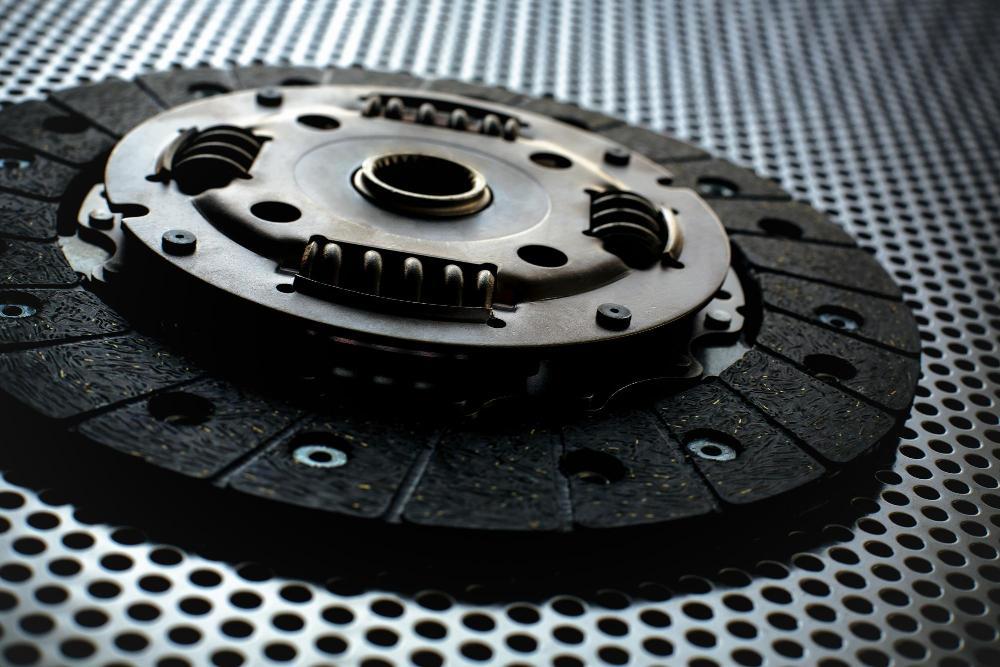
Wear of the clutch set is an important cause of clutch hardening. The clutch set is subjected to heat and friction and can experience a loss of performance over time. Wear prevents the clutch from working properly, causing hardening. This leads to drivers struggling with gear shifts. If vehicle owners feel that the clutch set is worn out, they should not delay maintenance and repair procedures. A worn clutch set not only affects driving comfort but also negatively impacts the vehicle's overall performance. Regular inspection and maintenance can help prevent this problem.
Pressure Plate Problems
Pressure plate problems are another important factor leading to hardening in the clutch system. Pressure plates ensure the clutch set is held under pressure and can wear out due to heat and friction. This wear causes the clutch not to provide sufficient power transmission. As a result, drivers feel hardness in the clutch pedal and experience difficulty in gear changing. A faulty pressure plate can prevent the clutch from fully engaging or disengaging, leading to serious problems in the vehicle's movement. It is important for vehicle owners to regularly check the condition of their pressure plates to prevent possible malfunctions.
Gearbox Oil Level or Oil Quality
Gearbox oil level or oil quality are factors that affect clutch hardening. The oil in the gearbox is necessary to both reduce friction and ensure the parts work properly. A low oil level can cause difficulty in gear shifting and lead to clutch hardening. Furthermore, inadequate oil quality also leads to the same effect. Oil that becomes dirty or loses its properties over time weakens the connection between the clutch and the gearbox. This causes drivers to experience hardening and difficulty in their vehicles. Checking the oil level with regular maintenance can prevent this problem.
Pedal Mechanism Problems
Pedal mechanism problems are another cause leading to clutch hardening. The internal mechanism of the clutch pedal can wear out or fail over time. Such problems cause the pedal to harden and force drivers to exert more power to press the clutch. Consequently, drivers feel the clutch hardening, and this leads to difficulty in the vehicle's gear changing. Wear of the springs in the pedal mechanism can affect the pedal's position, creating a feeling of hardness. Regular vehicle maintenance and checking the pedal mechanism can help prevent such problems.
How to Tell If Clutch Hardening Occurs?
Clutch hardening can be understood by drivers through several symptoms.
- Excessive Hardness When Pressing the Pedal
- Difficulty in Shifting Gears
- Vibration or Delay in the Vehicle When Pressing the Gas Pedal
- Vehicle Struggling to Engage Reverse Gear
Excessive Hardness When Pressing the Pedal
One of the most basic symptoms of clutch hardening is feeling excessive hardness when pressing the pedal. Drivers have to exert more force than usual to press the clutch pedal. This indicates that the clutch system is faulty and experiencing hardening. Excessive hardness usually results from the failure of the clutch cable or the hydraulic system. Drivers should understand that they need to have their vehicle's clutch checked when they feel this hardness. This hardness in the clutch can seriously endanger driving safety.
Difficulty in Shifting Gears
Difficulty during gear changing is a distinct symptom of clutch hardening. Drivers notice the clutch hardening when they struggle with gear shifts, especially during acceleration or deceleration periods. This situation occurs due to the clutch not fully engaging or disengaging. Vehicle owners may experience difficulty in gear changing even at low speeds or when stopped. These symptoms can be evaluated as an indication that the clutch system is faulty and experiencing hardening. This difficulty experienced during gear changing is an important warning for drivers to have their vehicle's clutch checked.
Vibration or Delay in the Vehicle When Pressing the Gas Pedal
Vibration or delay in the vehicle when pressing the gas pedal is a serious indicator of clutch hardening. Drivers may experience their vehicles vibrating unexpectedly when accelerating. This vibration results from the clutch not fully engaging or having a problem with disengagement. Furthermore, the delay that occurs in the vehicle when pressing the gas pedal indicates a weak connection between the engine and the transmission. This causes drivers to feel hardness in their vehicle's clutch and to think the system is faulty. Vibration and delay serve as an important warning related to clutch hardening.
Vehicle Struggling to Engage Reverse Gear
The vehicle struggling to engage reverse gear is a significant symptom of clutch hardening. Drivers can understand that the clutch is hardening when they feel their vehicles struggling while engaging reverse gear. This means that reverse gear cannot be fully engaged due to the clutch not fully disengaging. Drivers experience difficult moments due to clutch hardening while the vehicle is moving in reverse. This can pose a serious problem related to the control of their vehicles. The healthy functioning of the clutch system can be ensured with routine maintenance and inspection.
Is Clutch Hardening Dangerous?
Clutch hardening is a dangerous situation in terms of driving safety. The hardening that occurs in the vehicle's clutch system makes control difficult for drivers, which can cause accidents. A hardened clutch causes delays in gear shifts during sudden situations, preventing the driver from controlling their vehicle timely and correctly. Clutch hardening leads to vehicles reacting in unpredictable ways, posing a risk to drivers. Therefore, it is important for drivers to get maintenance immediately when they feel clutch hardening. The clutch system of vehicles must be healthy to prevent dangerous situations.
Solutions for Clutch Hardening
Solutions for clutch hardening include various procedures aimed at the source of the problem. Firstly, the clutch cable or hydraulic system should be checked. The necessary repairs eliminate the problems caused by hardening. Next, the replacement of the pressure plate set may be necessary; this ensures the clutch works properly, increasing the driving comfort for vehicle owners. Checking and maintaining the gearbox is also important; the correct oil level and quality should be ensured. Finally, a mechanical inspection by a mechanic helps review the overall condition of the clutch system and detect possible malfunctions.
Checking the Clutch Cable or Hydraulic System
Checking the clutch cable or hydraulic system is one of the first solution steps for clutch hardening. The clutch cable, which provides the mechanical connection, should be reviewed when necessary; this detection reveals the cause of hardening in case of cable wear or loosening. Checking the hydraulic system is done to determine if the fluid level and pressure are sufficient. Leaks or pressure loss in the hydraulic system are important as they can lead to clutch hardening. These checks help to understand the causes of clutch hardening and perform the necessary repairs.
Replacement of the Pressure Plate Set
Replacement of the pressure plate set is an effective method to solve the clutch hardening problem. Worn or faulty pressure plates prevent the clutch from working properly, causing hardening. With the replacement process, the clutch engagement and disengagement process is restored, which offers a smoother driving experience for drivers. Vehicle owners can prevent possible hardening and problems by regularly checking the condition of their pressure plates. This maintenance both increases the vehicle's performance and ensures driving safety.
Checking and Maintenance of the Gearbox
Checking and maintenance of the gearbox is an important step to prevent the clutch hardening problem. The proper functioning of the gearbox is necessary for vehicles to move healthily. Firstly, the oil level must be ensured to be sufficient; a low oil level can cause difficulty in gear shifts. Besides, the oil quality must also be good. Checking the connections and mechanisms in the gearbox helps detect possible failures. This comprehensive maintenance prevents clutch hardening and increases the vehicles' performance.
Mechanical Inspection by a Mechanic
A mechanical inspection by a mechanic is of critical importance for vehicles experiencing clutch hardening. A professional mechanic can detect problems by reviewing the vehicle's clutch system in detail. This inspection covers the condition of all clutch components, including the pressure plates, clutch set, and hydraulic system. After the mechanical inspection, the necessary repairs and replacements are performed, ensuring the healthy functioning of the vehicle's clutch system. Thus, while the driving safety of vehicle owners increases, the performance of their vehicles is also positively affected.
Points to Consider to Prevent Clutch Hardening
There are several important points that vehicle owners should consider to prevent clutch hardening. Firstly, performing regular vehicle maintenance is effective in protecting the health of the clutch system. It is important for vehicle users to pay attention to clutch usage and avoid sudden and excessive loads. Not waiting on the clutch for a long time can prevent hardening. Furthermore, the use of quality fuel and appropriate oil increases the vehicles' performance and reduces clutch wear. These precautions help to minimize clutch hardening.