





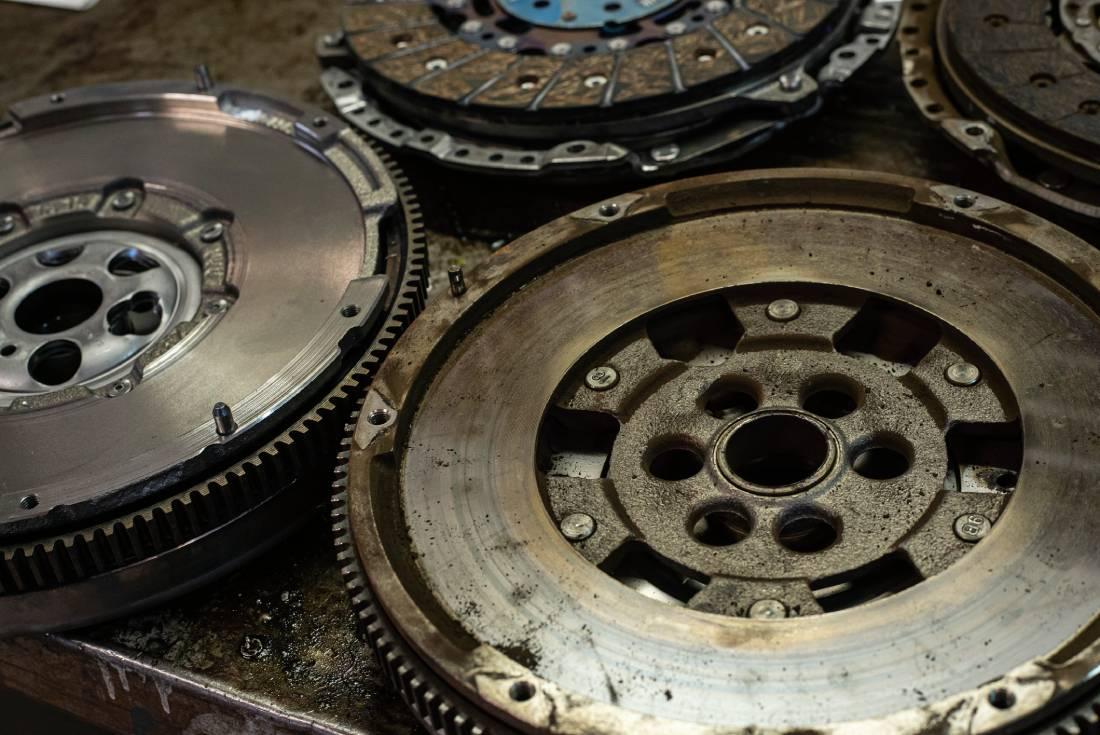
The flywheel is a heavy, circular mechanical component that plays a vital role between the drivetrain and the powertrain of motor vehicles; it balances the rotational energy produced by the engine and transmits it to the transmission. Secured to the end of the crankshaft with bolts, this component stores the irregular kinetic energy generated by the explosions in the cylinders and ensures that the engine rotates continuously and smoothly. The clutch system, which disconnects or connects the engine to the transmission when the driver presses the clutch pedal, also performs its function by pressing directly against the surface of this component. The vehicle’s ability to start smoothly, shift gears seamlessly, and keep the engine running at idle without stalling depends directly on the health of this mechanism. In this article, you can explore in detail the functions, types, signs of malfunction, and maintenance procedures of the flywheel system—one of the unsung heroes of automobiles.
What Is a Flywheel?
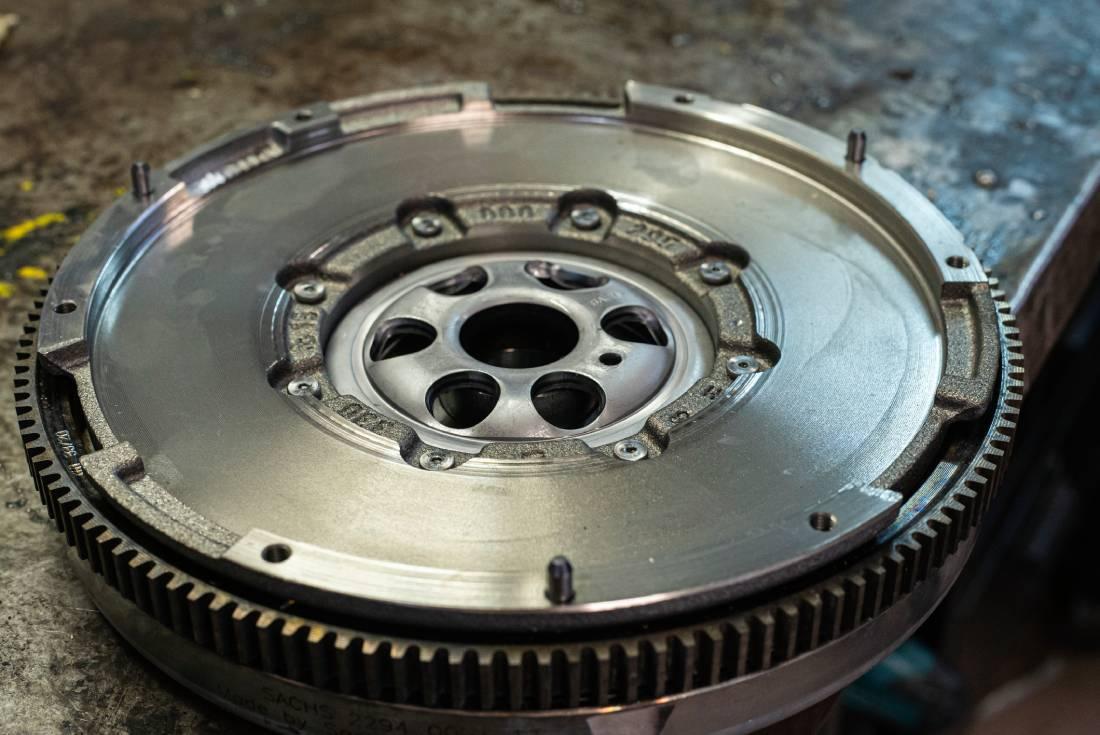
The flywheel is a large, heavy wheel made of heavy-duty cast iron or steel that rotates, connected to the rear end of the crankshaft in internal combustion engines. Each explosion in the engine cylinders applies an instantaneous thrust to the crankshaft, causing constant fluctuations in the shaft’s rotational speed. Thanks to its heavy construction, this component stores kinetic energy and dampens these fluctuations, smoothing out the engine’s operating curve into a linear path. At the same time, through the gears on its surface, it transmits the initial rotational motion received from the starter motor to the crankshaft, thereby starting the vehicle.
What Is the Purpose of the Flywheel and What Are Its Functions?
Designed to efficiently transmit the mechanical power generated by the engine to the wheels, this component performs multiple critical functions within the vehicle’s system. Its primary function is to stabilize the rotational speed of the engine shaft and minimize vibrations by storing the intermittent power derived from the pistons’ linear motion. When the driver turns the ignition key, the starter motor’s gear directly engages with the teeth on the flywheel’s outer rim, thereby triggering the engine’s initial startup cycle. By providing a smooth friction surface for the clutch pressure plate assembly, it acts as a bridge, ensuring the lossless transfer of engine power to the transmission gears.
What Are the Different Types of Flywheels?
Advances in automotive technology and increases in engine power have led to different requirements for vehicle drivetrains, resulting in the emergence of two basic structural models. Manufacturers opt for different flywheel designs based on a vehicle’s torque output, intended use, and comfort expectations.
Solid Flywheel (Single-Mass Flywheel)
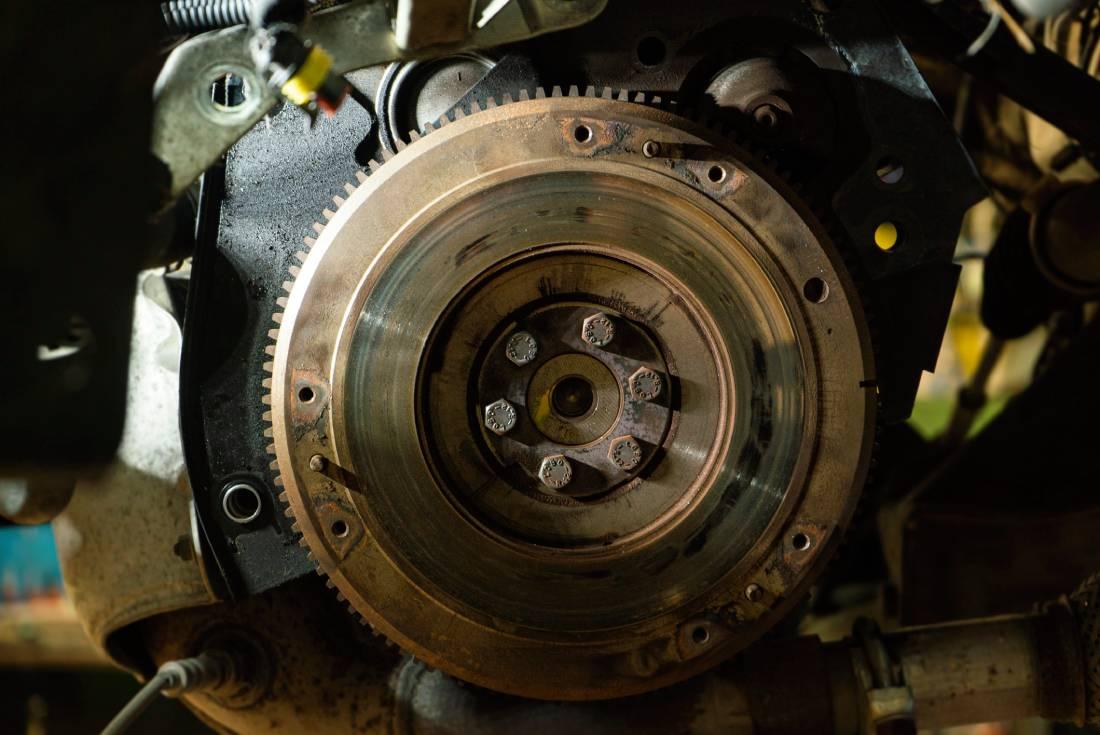
This is a traditional and highly durable model consisting of a single cast piece with no moving mechanical components. It is typically preferred in older-style naturally aspirated engines that produce low torque or in light commercial vehicles due to its long service life and low cost. Since it does not contain springs or damping mechanisms, its ability to absorb engine vibrations is low; this task is left entirely to the springs on the clutch plate.
Flexible Flywheel (Dual-Mass / Oscillating Flywheel)
This advanced system, developed to enhance comfort in modern high-torque diesel and turbocharged gasoline vehicles, consists of two separate masses connected to each other by strong springs. While the first mass is fixed to the crankshaft, the second mass is in contact with the clutch assembly, and the springs between them eliminate all torsional vibrations from the engine before they reach the transmission. This design, which makes gear shifts extremely smooth and protects the drivetrain, is more sensitive and more expensive compared to fixed models.
How to Recognize a Clutch Problem?
This transmission component, which wears out over time, is exposed to high heat, or has reached the end of its mechanical life, signals a problem to the driver through clear indicators while driving. Detecting these symptoms early is crucial to preventing damage to the transmission and engine block.
Vibration in the Clutch Pedal
If you feel an unusual up-and-down vibration when pressing the clutch pedal or releasing it gently, this indicates a warped surface. Especially in dual-mass flywheel models, the loss of elasticity in the internal springs causes the pedal to vibrate continuously.
Knocking and Ticking Noises from the Vehicle
Especially when the vehicle is idling, a rhythmic ticking or clunking sound resembling metal striking metal may be heard from the engine compartment. When the driver presses the clutch pedal, this sound may temporarily stop or change direction, which directly confirms that the internal mechanism has failed.
Difficulty Shifting Gears
Damage to or warping of the part’s surface prevents the clutch pressure plate from fully separating from the clutch disc, causing the gearshift to feel stiff. Difficulty is experienced when shifting into first or reverse gear, and grinding noises may be heard from the transmission.
Irregular Idling
A worn or unbalanced part causes the engine RPM gauge to fluctuate constantly at idle because it cannot properly balance the crankshaft’s rotational speed. The engine runs roughly, as if it were stuttering, and causes the plastic components inside the cabin to vibrate.
Vehicle Shaking During Takeoff
When moving the vehicle into first gear, a severe jolt, thud, and shaking occur throughout the entire body the moment the clutch reaches the engagement point. This situation, caused by the clutch plate failing to grip the unevenly worn surface and slipping, completely eliminates driving comfort.
Why Does the Flywheel Fail?
Although this component is manufactured from extremely durable materials, poor driving habits and lack of maintenance of surrounding components significantly shorten its lifespan. The primary causes of failure are generally categorized as high heat, excessive mechanical stress, and user errors.
Harsh and Sudden Clutch Use
Suddenly accelerating the vehicle at high RPMs, making aggressive gear shifts, and releasing the clutch rapidly subjects the drivetrain to sudden shock loads. This can cause the damping springs inside the clutch assembly to break or pop out of their sockets.
The Habit of Half-Clutching
Keeping the vehicle in half-clutch continuously in heavy traffic or on inclines causes excessive friction on the pressure plate surface and causes the temperature to rise above 300 degrees. Excessive heat damages the metal’s structure, leading to cracks, hairline fractures, and hardening known as “blue burn.”
Failure to Replace the Clutch Assembly in a Timely Manner
Continuing to drive with a worn-out clutch plate causes the plate’s rivets to rub directly against the metal disc surface. This creates deep grooves and scratches on the metal surface, rendering the part unusable and completely damaging the system.
Engine Software and Excessive Power Loads
Non-standard software modifications (chiptuning) and modifications that increase the engine’s torque far beyond factory specifications push the system beyond its mechanical limits. This excessive torque load, which exceeds factory tolerances, causes the flexible internal springs to compress and lose their functionality entirely.
How to Replace and Machine a Flywheel?
Once the fault has been identified, the transmission is removed from the vehicle as a complete unit, and the clutch assembly is disassembled to free the part. If it is a fixed-mass model and the surface damage is not too deep, the surface can be smoothed by performing a millimeter-precise turning operation on specialized lathes. However, in models with a floating-mass design, the internal spring mechanism has a structure that cannot be repaired, so turning cannot be performed under any circumstances; in this case, the part must be replaced with a new one. When installing the new part, the crankshaft bolts must be tightened in a crisscross pattern using a torque wrench at the torque values specified by the manufacturer.
Frequently Asked Questions About the Flywheel
Vehicle owners often have many technical questions and concerns regarding alternative solutions when replacing drivetrain components or dealing with malfunctions.
How to Drive a Corsa with a Faulty Flywheel, and What Are the Risks?
Continuing to drive a faulty vehicle is quite risky; you’ll experience rough gear shifts while driving and severe jolts when accelerating. Using the vehicle in this condition for an extended period can cause permanent damage to the engine bearings, transmission gears, crankshaft, and even the engine block, resulting in much higher repair costs.
What Happens If the Flywheel Isn’t Replaced?
If replacement is delayed, the part may eventually disintegrate completely; the starter gear on the outside could break, damaging the starter motor and preventing the vehicle from starting. In severe cases, there is a risk that the part could shatter, cracking the transmission housing and locking up the drivetrain while the vehicle is in motion, potentially causing an accident.
Can a Flywheel Be Repaired, or Does It Need to Be Replaced?
While fixed-type flywheels can be repaired by turning to remove minor scratches and warping on their surface, repairing swivel-type flywheels is neither safe nor a long-lasting solution. Since the springs and bearing assemblies inside are manufactured as a pressed, sealed unit, the only permanent solution for swivel-type models is always to replace them with new ones.
Should the Clutch Assembly Also Be Replaced When Replacing the Flywheel?
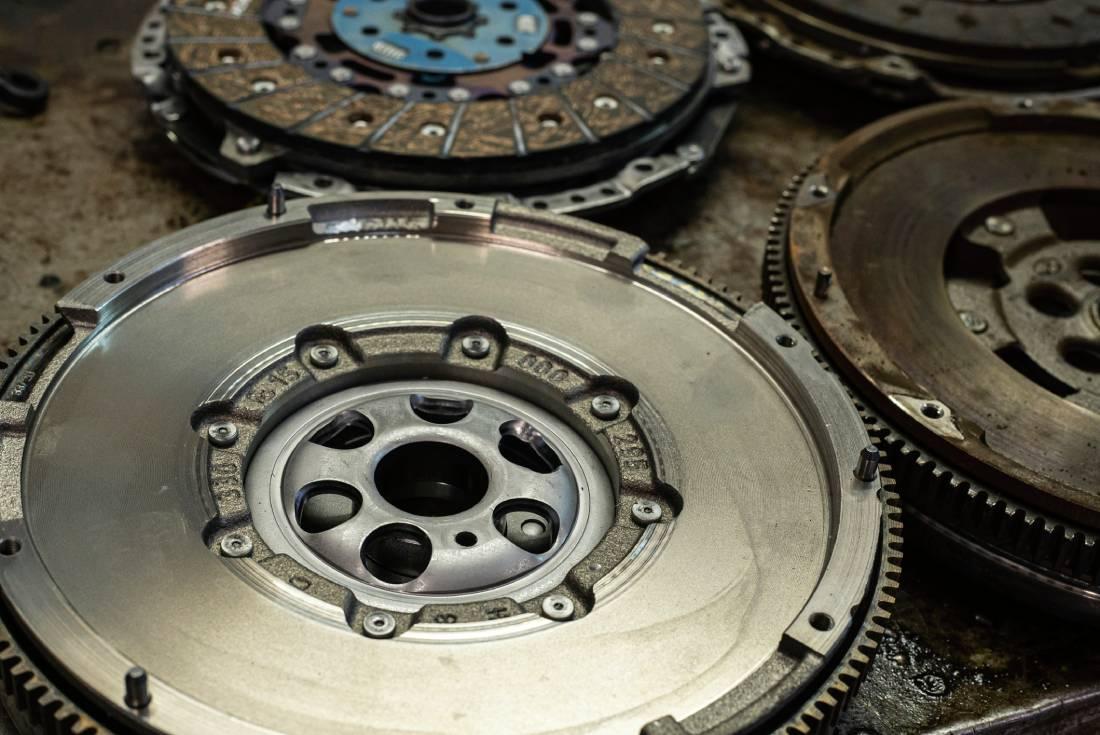
Since removing the transmission involves significant labor costs, it is recommended to replace the clutch pressure plate, clutch disc, and ball bearing set during the part replacement process. Replacing these components—which operate by direct friction against one another—at the same time helps the new parts adapt to each other more quickly and maximizes system performance.
Can a Floating Flywheel Be Converted to a Solid Flywheel?
Special conversion kits (solid flywheel conversions) that convert the floating system to a solid system are available on the market for certain vehicle models and are preferred to reduce costs. However, while this process may seem economical, it causes vibrations from the engine to be transmitted directly to the transmission, making gear shifts harsher and shortening the transmission’s lifespan in the long run.
How Can Flywheel Noise Be Eliminated?
It is absolutely impossible to eliminate rattling and knocking noises caused by a malfunction using any additives, lubrication, or temporary fixes. Since this noise is a direct result of mechanical wear and the breakage of internal springs, the only way to eliminate it is to remove and replace the part.
In summary, the flywheel is one of the most critical mechanical components that transmits power generated by the engine while dampening vibrations and directly determines driving comfort. Symptoms such as vibrations, knocking noises, and jerks during acceleration should not be ignored; instead, a professional service should be consulted, and high-quality parts should be chosen during replacement to ensure the health of the drivetrain.