




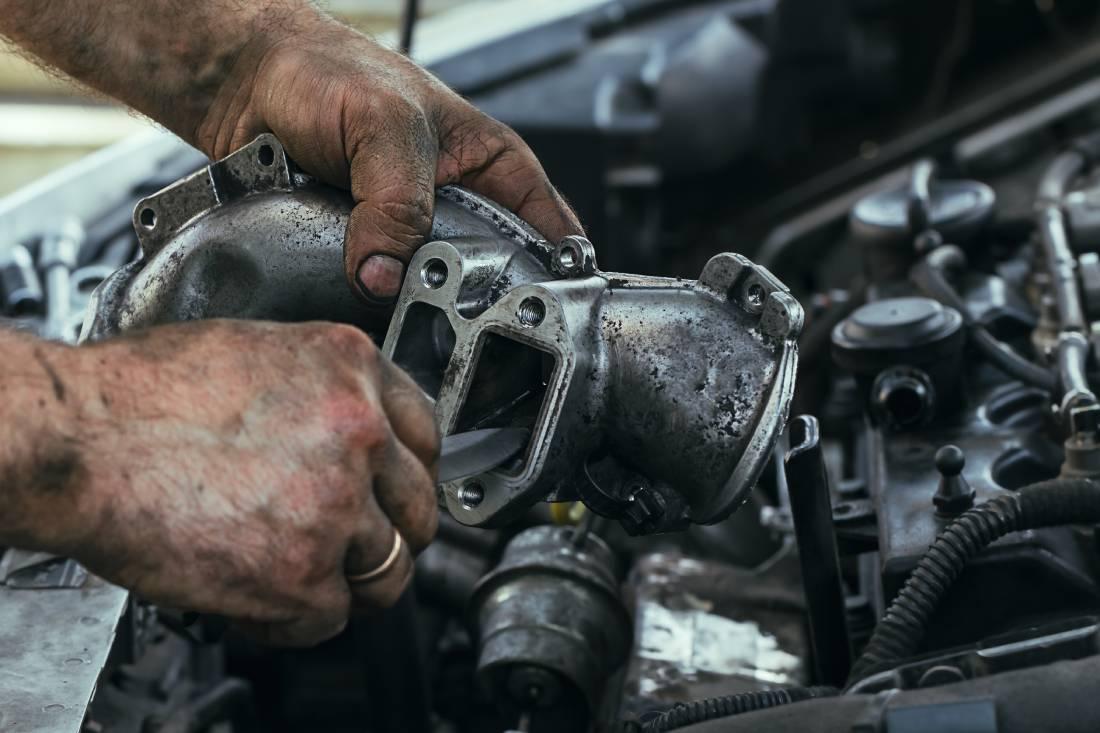
The EGR (Exhaust Gas Recirculation) system is a critical emission control valve in internal combustion engines that reduces combustion temperature by recirculating a certain amount of exhaust gas back into the combustion chamber, thereby minimizing harmful nitrogen oxide (NOx) emissions. If you notice that your vehicle is losing power, the RPM fluctuates at idle, fuel consumption has increased significantly, or darker-than-normal black smoke is coming from the exhaust, this is most likely due to your EGR valve becoming clogged with soot, blocked, or completely malfunctioning. The proper and timely operation of this system, which directly affects the engine’s combustion cycle, is of vital importance for both environmental protection and the efficiency and longevity of your vehicle.
The EGR System and Its Operating Principle
The exhaust gas recirculation (EGR) system is a highly complex mechanism designed to optimize the internal combustion process in modern vehicles and meet exhaust emission standards. The valve at the heart of this system opens or closes in response to signals from the engine control unit (ECU), precisely regulating—with millimeter-level accuracy—how much of the exhaust gas flowing to the exhaust manifold is recirculated back into the intake manifold.
The Primary Function of the EGR Valve
During the combustion process within the engine cylinders, when temperatures rise above approximately 1,370 degrees Celsius, the nitrogen and oxygen naturally present in the air we breathe react to form nitrogen oxide gases, which are extremely harmful to the environment and human health. The EGR valve intervenes precisely at this critical point, redirecting a portion of the previously burned and oxygen-depleted exhaust gas into the intake manifold and ensuring it mixes with the fresh air entering the engine. Since this mixed gas is already a burnt-out, inactive gas, it cannot participate in the combustion process within the cylinder; it merely dilutes the oxygen concentration inside, thereby reducing the intensity of the explosion and consequently bringing the combustion temperature to ideal levels. In this way, the amount of toxic gases released into the environment is kept within legal and safe limits, while damage to engine components caused by excessively high temperatures is also prevented.
EGR Disconnection and Its Effects on the Engine
Some vehicle owners may choose to completely disable this system through software or mechanical modifications rather than having the valve cleaned or replaced when it becomes clogged. Although a slight improvement in performance may be felt initially because the engine will only be taking in fresh, cool air, this opens the door to much more serious and costly engine problems in the long run. Since temperatures in the combustion chamber will rise far above factory design specifications, critical engine components such as pistons, valves, and the cylinder head are exposed to extreme heat, causing the material’s fatigue and wear rates to increase significantly. Additionally, since your vehicle’s nitrogen oxide emissions will skyrocket, you will cause significantly more harm to the environment, and passing periodic exhaust emission tests conducted by regulatory authorities will become nearly impossible.
Main Causes of EGR Valve Failure
EGR valve failures are typically caused by the harsh physical conditions the system faces due to its operational structure, high temperatures, and carbon buildup over time. The vehicle’s daily driving style, traffic density, and the quality of the fuel used are the primary factors determining how quickly this clogging process progresses.
- The use of low-quality or non-standard fuel prevents complete combustion in the combustion chamber and leads to significantly higher soot buildup, which can quickly clog the valve’s moving parts.
- Using the vehicle continuously in heavy stop-and-go traffic, at low RPMs, and for short distances before the engine is fully warmed up causes carbon particles in the exhaust gas to accumulate inside the valve body, forming a hard layer.
- Failure to change the engine oil at the intervals specified by the manufacturer causes oil vapor to pass through the ventilation system over time, combining with the soot in the EGR valve and creating a tar-like, sticky sludge layer that is very difficult to clean.
- Short circuits, oxidation, or breaks in the electronic sensors or wiring that control the valve’s opening and closing can cause the system to stop functioning and malfunction, even if there is no mechanical blockage.
If any of these factors persist for an extended period, they can permanently damage your vehicle’s emission control system and jeopardize the engine’s overall health.
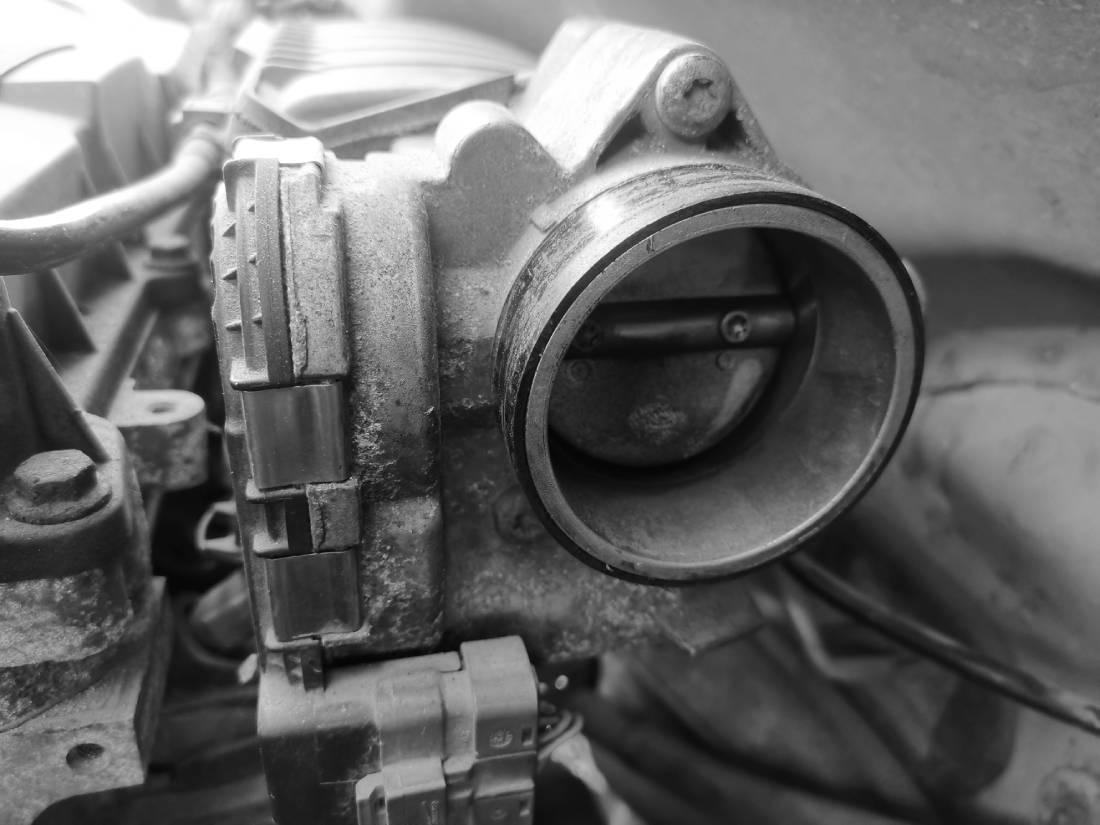
How to Identify an EGR Valve Malfunction?
If the check engine light suddenly comes on in your vehicle’s dashboard, it may be the first sign of an electrical or mechanical problem in the EGR system, but this alone is not enough to diagnose the issue. As a driver, certain noticeable and bothersome changes in your vehicle’s driving dynamics that you’ll feel while behind the wheel will help you understand much more clearly that this valve is the source of the problem.
Decline in Engine Performance
When the valve mechanism fails due to heavy soot buildup inside, preventing it from closing and causing it to remain constantly open, the cylinders are continuously filled with burnt exhaust gas instead of fresh air whenever the engine needs power. This situation causes the vehicle to respond very slowly and reluctantly to the gas pedal, especially when you want to accelerate on the highway, while passing another vehicle, or when climbing a steep hill. Since the engine cannot find enough oxygen for combustion, it cannot create the ideal air-fuel mixture, resulting in a significant loss of power transmitted to the wheels. If you feel that your vehicle has completely lost its former responsiveness, has become sluggish, and struggles to accelerate, this system is one of the first components to check.
Idle Fluctuations and Engine Stalling
In a properly functioning engine, the idle speed is steady, and the engine continues to run smoothly and rhythmically while the vehicle is waiting at a red light. However, when the EGR valve fails to close properly and remains open, exhaust gas continues to leak uncontrollably into the intake manifold even at the lowest RPMs. This situation completely disrupts the engine’s delicate air-fuel balance, causing the tachometer needle to fluctuate constantly and resulting in rough, uneven engine operation. Sometimes this RPM instability becomes so severe that the engine may suddenly stall while attempting to move the vehicle in stop-and-go traffic or during parking maneuvers, as it is unable to maintain a steady RPM.
Dark-Colored Smoke from the Exhaust
In internal combustion engines, the color and density of the exhaust smoke always provide very clear indications of the quality of combustion within the engine. When an excessive amount of exhaust gas enters the combustion chamber instead of fresh, oxygen-rich air due to a blockage or malfunction in the EGR valve, the fuel injected into the cylinders cannot burn completely and begins to be expelled unburned. As a result of this incomplete and inefficient combustion, you will notice a very dense, thick, and black smoke coming from the vehicle’s exhaust. This black smoke cloud becomes much more noticeable, especially when shifting gears or suddenly flooring the gas pedal, serving as the most concrete evidence that something is wrong with the exhaust system.
Increased Fuel Consumption
As a natural consequence of issues like performance loss and incomplete combustion, your vehicle’s fuel consumption also increases significantly. When the engine loses power, the driver feels a psychological and physical need to press the gas pedal much harder than before to accelerate the vehicle or maintain the current speed. This causes the engine control unit to continuously send more fuel to the cylinders. However, since there isn’t enough oxygen in the combustion chamber, this extra fuel is expelled unburned instead of being converted into power, resulting in wasted fuel. As a result, your vehicle’s range decreases, and the cost of fuel per mile increases noticeably.
Solutions for a Faulty EGR Valve
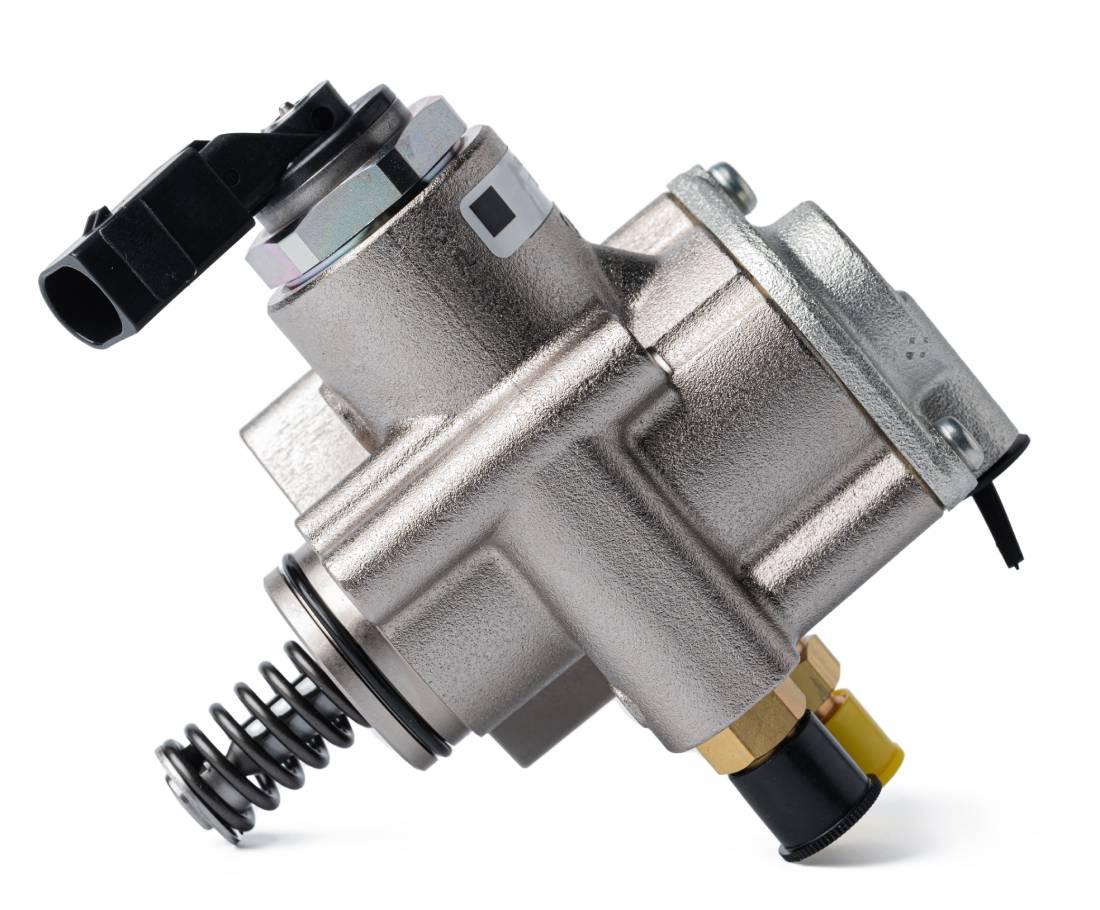
Once the fault has been definitively identified, the solution will vary depending on the extent of the damage to the valve, the level of carbon buildup, and its mechanical condition. With the right intervention, you can quickly restore your vehicle’s performance and fuel efficiency to factory settings.
- If there is no mechanical failure inside the valve and only carbon buildup or a soot layer has formed, the part is removed by a qualified technician and thoroughly cleaned using special chemical solvents designed for carbon removal, then de-sooted and prepared for reuse.
- If there is wear, breakage, or irreversible jamming in the mechanical components inside the valve—such as the pin, spring, or gear mechanism—cleaning will be ineffective, so the valve must be replaced with an original, brand-new replacement part.
- If there is a fault in the sensors of the electronic control unit that regulates the valve’s opening and closing—even in the absence of a mechanical issue—the system is connected using computerized diagnostic tools (OBD) to clear software error codes or repair the relevant cable connectors causing the problem.
A proper diagnosis performed by a qualified and experienced technician prevents unnecessary replacement costs and ensures the problem is resolved permanently at the most cost-effective price.
Evaluation for the EGR Valve
The EGR valve is one of the most critical engineering marvels in modern motor vehicles, ensuring they are environmentally friendly while also extending the lifespan of engine components by balancing excessive heat in the combustion chamber. Soot buildup and malfunctions in this valve, which can occur due to driving habits or fuel quality, can dramatically reduce your vehicle’s overall performance, leading to significant loss of power, idle instability, engine stalling, and the emission of black exhaust smoke along with increased fuel consumption. While regular chemical cleaning procedures are usually sufficient to resolve the issue, replacing the part with a new one when it has reached the end of its physical lifespan or has failed electronically is the safest and most reliable method to prevent damage to the engine. Avoiding neglect of routine vehicle maintenance, always using high-quality fuel from reliable stations, and refraining from operating the vehicle at low RPMs before the engine has warmed up will ensure this sensitive system performs its function quietly and without issues for many years.