





The driveshaft is a critically important mechanical power transmission component in motor vehicles, typically made of high-strength steel, that transmits rotational motion from the engine and transmission to the wheels via the differential, enabling the vehicle to move safely. The vehicle’s ability to move smoothly on the road, navigate turns safely, and transfer engine power to the wheels without loss during acceleration depends entirely on the proper functioning of this component. Even the slightest damage to this mechanism, which wears out depending on usage conditions, road conditions, and time, not only immediately reduces driving comfort but can also pave the way for major accidents that pose a life-threatening risk.
What Is an Axle?
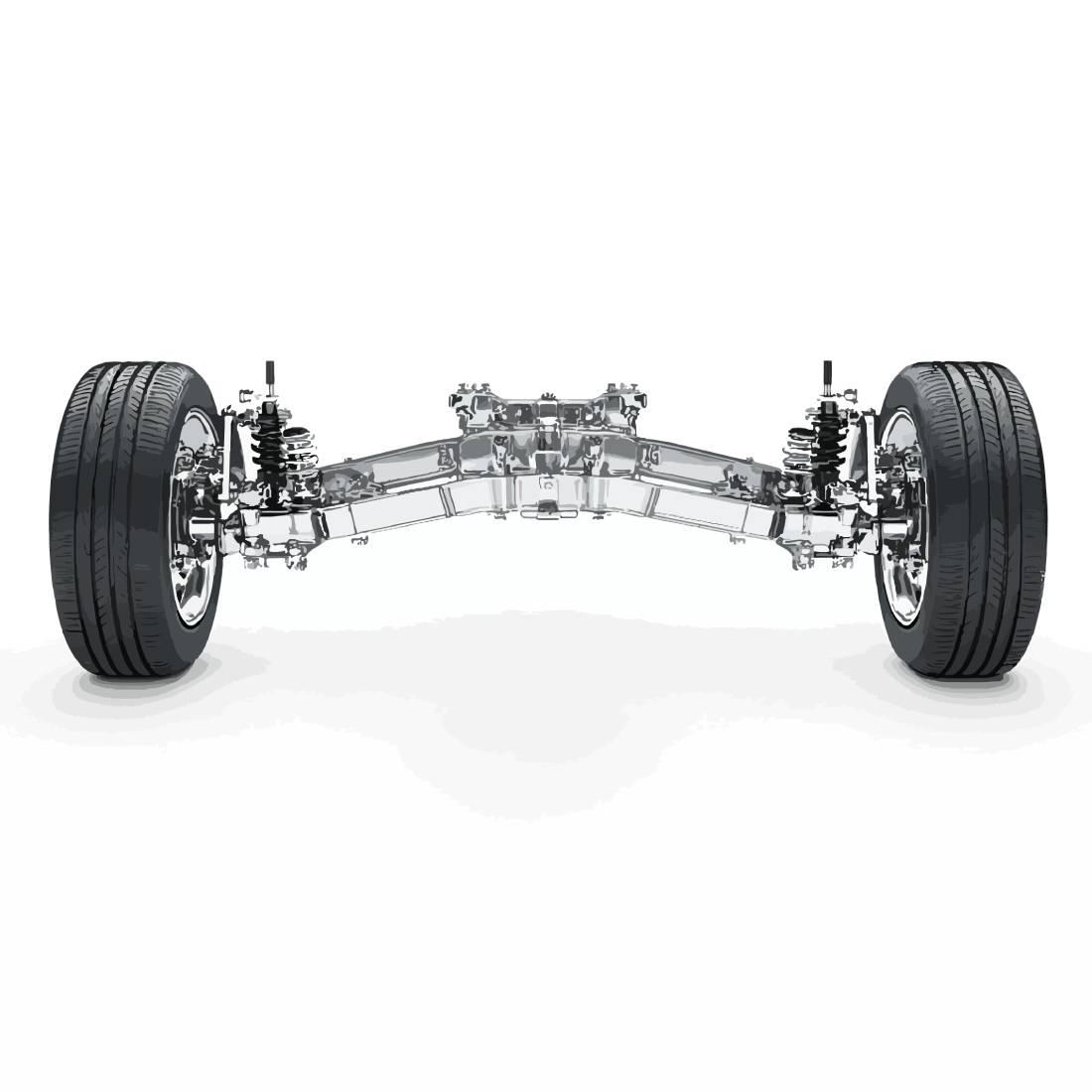
Playing a central role in the drivetrain of motor vehicles, the axle is a rod-shaped component with movable ends that directly transmits the mechanical rotational power from the differential system to the wheels. This system, which bears the vehicle’s entire weight and converts the immense torque produced by the engine into the rotational motion of the wheels, forms one of the cornerstones of driving dynamics and road grip. Typically featuring a complex mechanism comprising bearings, flexible rubber boots that protect against external elements, and joints that enable movement, axles can be found in different positions and with varying engineering designs depending on whether the vehicle is front-wheel drive, rear-wheel drive, or all-wheel drive.
Front Axle Systems
In front-wheel-drive vehicles, these systems transmit the acceleration generated by the engine directly to the front wheels and operate in full integration with steering maneuvers as well as power transmission. Since they simultaneously handle both steering the vehicle in the desired direction and accelerating it, they are constantly under stress, bending, and rotating during driving. This high level of activity and dual-purpose design causes front axles to wear out and fatigue much more quickly than rear axles, thereby requiring more frequent and regular maintenance.
Rear Axle Systems
In rear-wheel-drive or all-wheel-drive vehicles, these are robust power transmission components that transfer mechanical power from the differential to the rear wheels. Since they do not have the additional task of steering, unlike front axles, they typically feature a structurally simpler design, and because their joint systems are not subjected to the same intense stress as those on the front, their wear rates are relatively lower. However, since they bear a significant portion of the vehicle’s load—and especially when the trunk is full, they support the entire weight—they may encounter structural issues such as bending under heavy loads, metal fatigue, or long-term wear and tear.
The Role and Importance of the Axle in a Vehicle
The axle mechanism does not merely perform the simple function of transmitting the engine’s torque to the wheels; it also carries out vital functions that directly affect driving ergonomics, vehicle stability, and road safety. When the vehicle accelerates suddenly, slows down with hard braking, or takes a sharp turn, the axle ensures that the wheels maintain continuous and balanced contact with the road surface, thereby preventing the vehicle from skidding. The flawless and smooth operation of the axles ensures the vehicle glides vibration-free on the road while significantly contributing to optimized fuel consumption by preventing the waste of engine power.
For this delicate mechanism to function flawlessly, the components that maintain the system’s integrity—particularly the axle boots—must be robust. These accordion-shaped plastic or rubber boots surrounding the joints prevent the high-viscosity grease inside the system from leaking out, while also blocking harmful external elements like dust, mud, stones, and water from reaching the mechanism’s core. If these protective components tear, it can cause the mechanism to run dry, lead to dangerous levels of friction, and result in the axle joints failing within a very short time, causing the system to lock up completely.
Common Causes of Axle Failure
Although axle mechanisms are manufactured from highly durable steel alloys, they can fail over time due to various environmental, mechanical, and driver-related factors. Understanding the root cause of the problem is crucial for extending the system’s lifespan by adopting proper driving habits and avoiding costly repairs.
- Dust, dirt, and water entering the system as the rubber boots protecting the axle harden and tear over time, rapidly wearing down the delicate ball joints and damaging the mechanism’s physical structure.
- Consistently overloading the vehicle beyond the manufacturer’s specified load capacity can lead to metal fatigue, causing the rotating shafts to bend or crack.
- Severe impacts, such as driving into deep potholes at high speed, making hard transitions over speed bumps without slowing down, or the wheel hitting the curb directly, can cause physical deformation in the axle shaft.
- Failure to perform the regular lubrication required for the system to operate smoothly, or increased friction resulting from oil leakage due to a damaged oil seal, causing internal components to heat up rapidly and melt into one another.
- Natural wear and tear of mechanical parts, as well as the metal aging process, which, over time, creates gaps in the system and leads to loss of function, depending on the vehicle’s age and mileage.
Taking these factors into account and reducing unnecessary weight in the vehicle will significantly extend the lifespan of the vehicle’s drivetrain.
What Are the Signs of an Axle Failure?
A problem occurring in any component of the axle system while the vehicle is in motion immediately makes itself known to the driver through various physical, vibrational, and auditory signals. Detecting these signs early during driving allows the issue to be resolved before the mechanism fails completely, thereby preventing the driver from getting stranded and reducing repair costs.
Vibration in the Steering Wheel and Vehicle
A bend, warp, or imbalance in the axle shaft manifests as severe mechanical vibration, particularly as the vehicle accelerates. This vibration, which intensifies when the accelerator is pressed and is distinctly felt from the wheels through the steering wheel and even into the vehicle’s chassis, is one of the most common and earliest indicators of a driveshaft failure. If the vibration suddenly decreases or disappears entirely when the driver releases the accelerator or presses the clutch, this confirms that the issue originates directly from the powertrain components. If this vibration issue is ignored and the vehicle is continued to be driven, the resulting unbalanced rotational force can place extra strain on the vehicle’s suspension system, shock absorbers, and steering box, potentially causing permanent damage in these areas as well.
Clicking and Knocking Noises When Turning
Rhythmic clicking, tapping, or metallic knocking noises coming from the wheel on the side of the turn when the vehicle is turning right or left typically indicate significant wear or damage to the outer axle housing. This condition, which is usually caused by a torn axle boot, the leakage of oil inside, and the entry of abrasive particles that damage the ball joints, becomes much louder and more pronounced as the steering angle increases. When the driver completes the turn, straightens the steering wheel, and begins moving in a straight line, these metallic sounds usually subside temporarily. These mechanical clicking noises encountered during turns are the most critical indication that the axle is on the verge of breaking or coming out of alignment.
Oil Leaks and Visible Damage
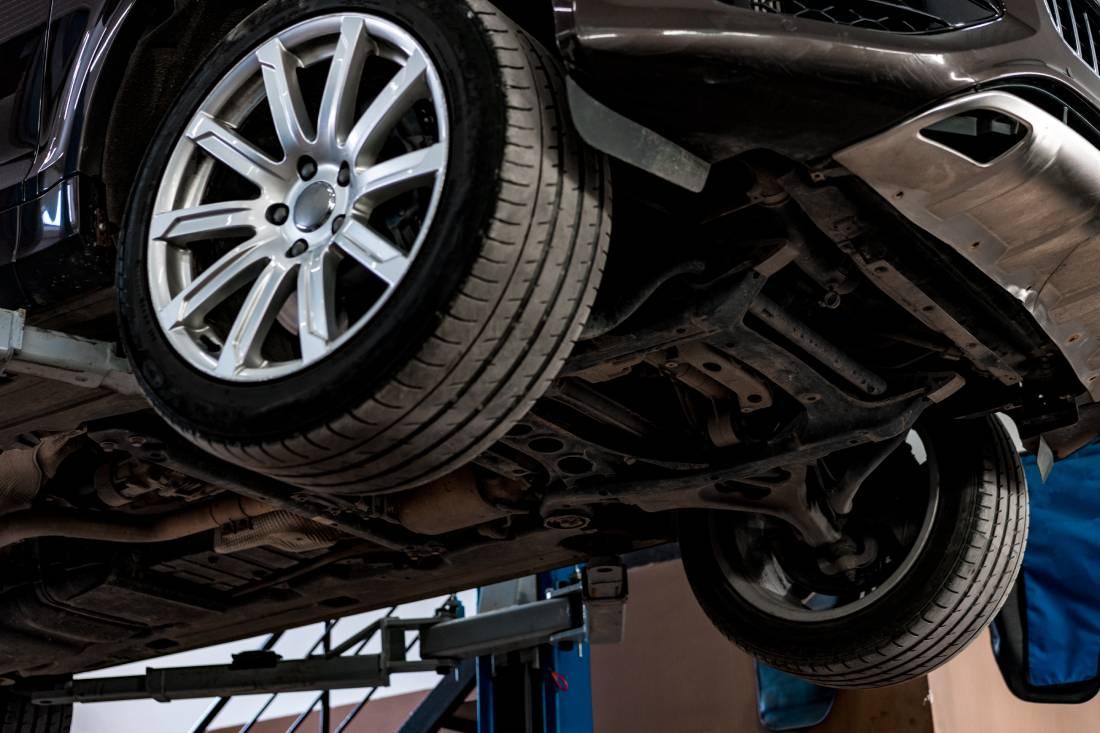
When looking under the vehicle, the presence of a dark, thick, and sticky grease-like substance on the ground where the vehicle is parked or on the inner side of the front tires is the clearest evidence that the axle boot has physically torn. The special grease inside the boot is flung outward by the centrifugal force generated as the axle rotates rapidly, staining and soiling areas such as the brake calipers, shock absorbers, and wheel wells. This moving mechanism, deprived of grease, heats up rapidly; metal-to-metal friction reaches its maximum level, and within a short time, the components crumble and shatter beyond repair.
How to Repair and Replace Drive Shafts
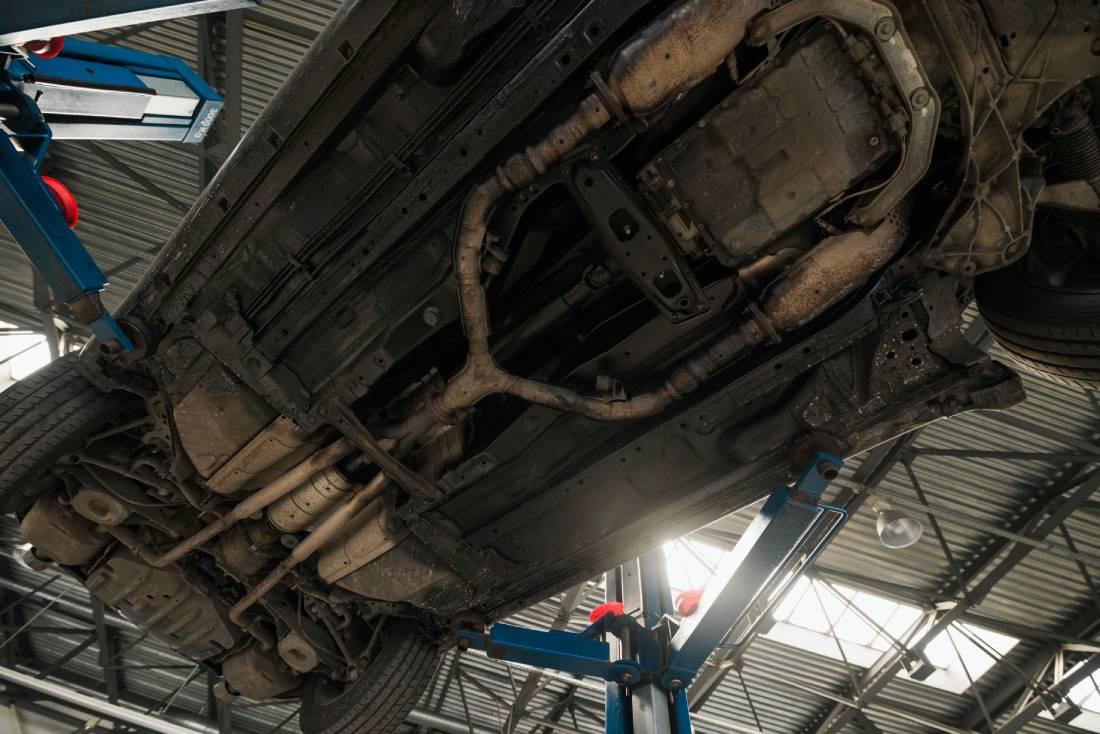
Diagnosing and repairing drive shaft issues is a delicate repair process that must be performed by specialized technicians using professional lifts and appropriate mechanical equipment, as it directly affects the vehicle’s suspension geometry. Depending on the severity of the issue, simply replacing a torn axle boot and refilling the joint with fresh grease may be sufficient to resolve the problem. However, if wear has penetrated the joints, the ball bearings have scattered, or there is physical bending in the axle shaft, replacing the entire axle with a new unit is mandatory for safety reasons rather than performing a partial repair. Following repair or replacement, the vehicle must undergo a detailed wheel alignment to prevent the risk of misalignment in the wheels’ contact angles with the road.
In conclusion, the axle is one of the most critical systems that transmits the combustion energy from the engine to the wheels, establishing the vehicle’s connection to the road and enabling its movement. Distinct clunking noises from the wheels during turns, annoying steering vibrations that increase with acceleration, and dark-colored oil leaks observed on the underside of the vehicle or inside the rims indicate that the axle system is sending warning signals. If a driver notices these symptoms, they should contact an authorized service center immediately to prevent the mechanism from locking up while driving—which could lead to a major accident—and to restore driving safety.