





- What Is a Spark Plug and What Does It Do?
- What Causes Spark Plug Failure?
- How to Identify a Spark Plug Malfunction?
- What Are the Potential Damages to a Vehicle Caused by a Spark Plug Malfunction?
- What Should Be Done in Case of a Spark Plug Malfunction?
- What Are the Different Types of Spark Plugs and Their Replacement Intervals?
- Frequently Asked Questions About Spark Plug Failures
A spark plug malfunction occurs when spark plugs—which play a vital role in the vehicle’s ignition system—wear out, become dirty, or fail over time, resulting in reduced engine performance, increased fuel consumption, and issues such as misfiring. The inability to properly ignite the fuel-air mixture inside the cylinder directly and negatively affects many aspects of the vehicle’s performance, from the moment it is first started to its acceleration capabilities. It is crucial for drivers to recognize the signs of this malfunction early to ensure driving safety and prevent more significant engine damage that could strain their budgets. In this guide, you’ll find all the details you’re curious about—from the causes and symptoms of spark plug failure to the damage it inflicts on the vehicle and the methods for resolving the issue.
What Is a Spark Plug and What Does It Do?
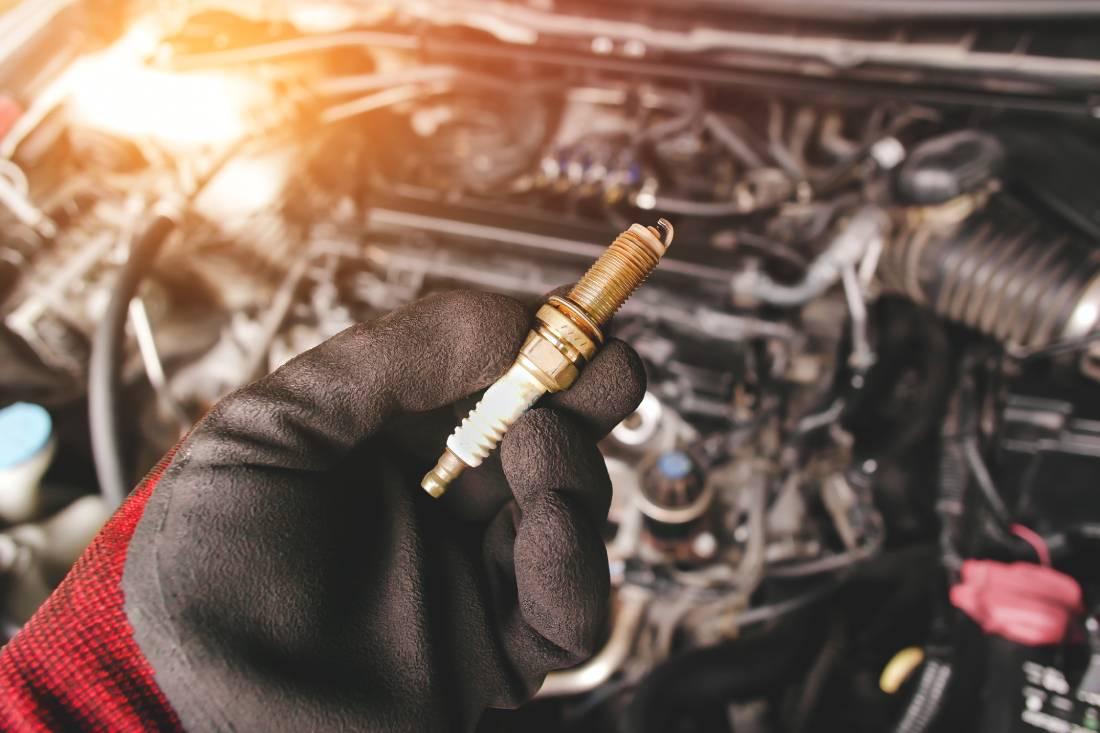
A spark plug is an electromechanical engine component in internal combustion and gasoline engines that ignites the fuel-air mixture drawn into the cylinder by producing a spark. It converts the high-voltage electricity from the battery and distributor into a spark in the gap between its electrodes, thereby initiating the combustion process required by the engine. The high energy released as a result of this combustion drives the pistons, producing the fundamental power that propels the vehicle forward. A properly functioning spark plug is the most essential guarantee of the engine’s efficient, smooth operation and optimal fuel consumption.
What Causes Spark Plug Failure?
Spark plug failure is a mechanical problem that directly affects the engine’s operating principle and typically develops due to specific physical or chemical factors. Exposed to high heat, pressure, and a constant electrical current, these components lose their functional capabilities over time, leading to irregularities in the engine.
Wear and Tear Over Time
Like all engine parts, spark plugs have a specific service life determined by the manufacturer. As mileage increases, the electrodes at the tip of the spark plug wear down and begin to melt due to the constant production of sparks. The widening of the gap between the electrodes causes the spark to weaken or fail to ignite altogether, directly reducing ignition quality.
Carbon and Oil Deposits
Incomplete combustion of fuel inside the engine cylinders or oil entering the cylinder due to a leak in the engine leads to the buildup of carbon and oil on the spark plug electrodes. When the spark plug electrodes are coated with a black layer of carbon or engine oil, it prevents the flow of electricity and the formation of a spark. This causes the spark plug to lose its function entirely and results in erratic engine operation.
Incorrect Spark Plug Selection
Selecting a spark plug that is not suitable for the vehicle’s engine design, compression ratio, and heat range is one of the most common causes of premature failure. Installing a spark plug that is hotter or cooler than the engine requires can cause the electrodes to overheat and melt, or conversely, to become coated with carbon deposits and lose their effectiveness prematurely.
Ignition System Problems
Deformation of the spark plug wires that carry electricity to the spark plugs, wear on the distributor cap, or voltage irregularities in the ignition coil directly shorten the life of the spark plugs. Irregular current flow from these secondary components in the ignition system can cause the spark plug to burn out due to excessive load or fail to function properly due to insufficient current.
How to Identify a Spark Plug Malfunction?
When a spark plug malfunction occurs in your vehicle, the engine makes this quite clear to the driver through both audible and physical symptoms. Recognizing these symptoms—which directly affect driving comfort—at an early stage ensures the problem is resolved before it escalates.
Difficulty Starting or Failure to Start
A particularly clear sign of a spark plug failure is when the vehicle takes a long time to start—especially on cold mornings—or when the engine fails to engage even after the starter motor turns over. Weakened or malfunctioning spark plugs cannot produce the strong spark required for the engine’s initial ignition, causing the ignition process to fail.
Abnormal Increase in Fuel Consumption
When spark plugs fail to produce a proper spark, the gasoline entering the cylinder cannot be fully burned and is sent into the exhaust system unburned. To compensate for the loss of power and maintain the same performance, the engine’s computer system forces it to pump more fuel. This causes your vehicle to consume significantly more fuel than normal.
Engine Misfiring and Idling Vibration
When the vehicle is running while stationary—that is, at idle—unusual, jerky, or choppy sounds coming from the engine, along with a noticeable vibration in the steering wheel, indicate a spark plug issue. If a spark plug in one of the cylinders fails to fire, it disrupts the engine’s running balance and causes the uneven operation commonly known as “misfiring.”
Decreased Vehicle Performance and Traction
When you press the gas pedal, the vehicle’s inability to accelerate quickly, difficulty gaining speed, and a noticeable loss of traction—especially when climbing hills—are the result of insufficient ignition. Due to a weak spark, the engine cannot produce the torque it needs, and your responses to the gas pedal go unanswered.
Black Smoke from the Exhaust
Unburned fuel that fails to ignite completely inside the cylinder due to a faulty spark plug continues to burn in the exhaust system or is expelled directly. This causes dark, black smoke to emerge from the exhaust and a sharp odor of unburned fuel to waft from the rear of the vehicle.
What Are the Potential Damages to a Vehicle Caused by a Spark Plug Malfunction?
Although a spark plug malfunction may seem like a simple problem that is easy to fix, if neglected, it can cause a chain reaction of damage to other vital engine components. This malfunction in the ignition system paves the way for costly breakdowns that, over time, shorten the vehicle’s mechanical lifespan.
Catalytic Converter Damage
When unburned fuel is sent into the exhaust system, it accumulates inside the catalytic converter, which is responsible for filtering harmful substances from the exhaust gases. Combined with high temperatures, this fuel burns inside the converter, causing the filter to melt, become clogged, and become completely inoperable.
Problems in the Engine Combustion Chamber
If spark plugs are not replaced in a timely manner and become excessively worn, their tips may break off or melt and fall into the cylinder head. These hard metal fragments scratch the cylinder walls as the pistons move up and down, damage the valves, and cause severe damage that can completely seize the engine, requiring a complete engine rebuild.
Increased Environmental Emissions
Incomplete fuel combustion significantly increases the levels of carbon monoxide and other toxic gases released into the environment. This not only contributes to environmental pollution but also causes the vehicle to fail exhaust emission tests, resulting in the exceeding of legal limits.
What Should Be Done in Case of a Spark Plug Malfunction?
When a spark plug-related issue is detected in the vehicle or the symptoms listed above are observed, the appropriate corrective measures must be taken without delay. Proper diagnosis and replacement of the part are the safest steps to take to maintain engine health.
Physical Inspection and Troubleshooting
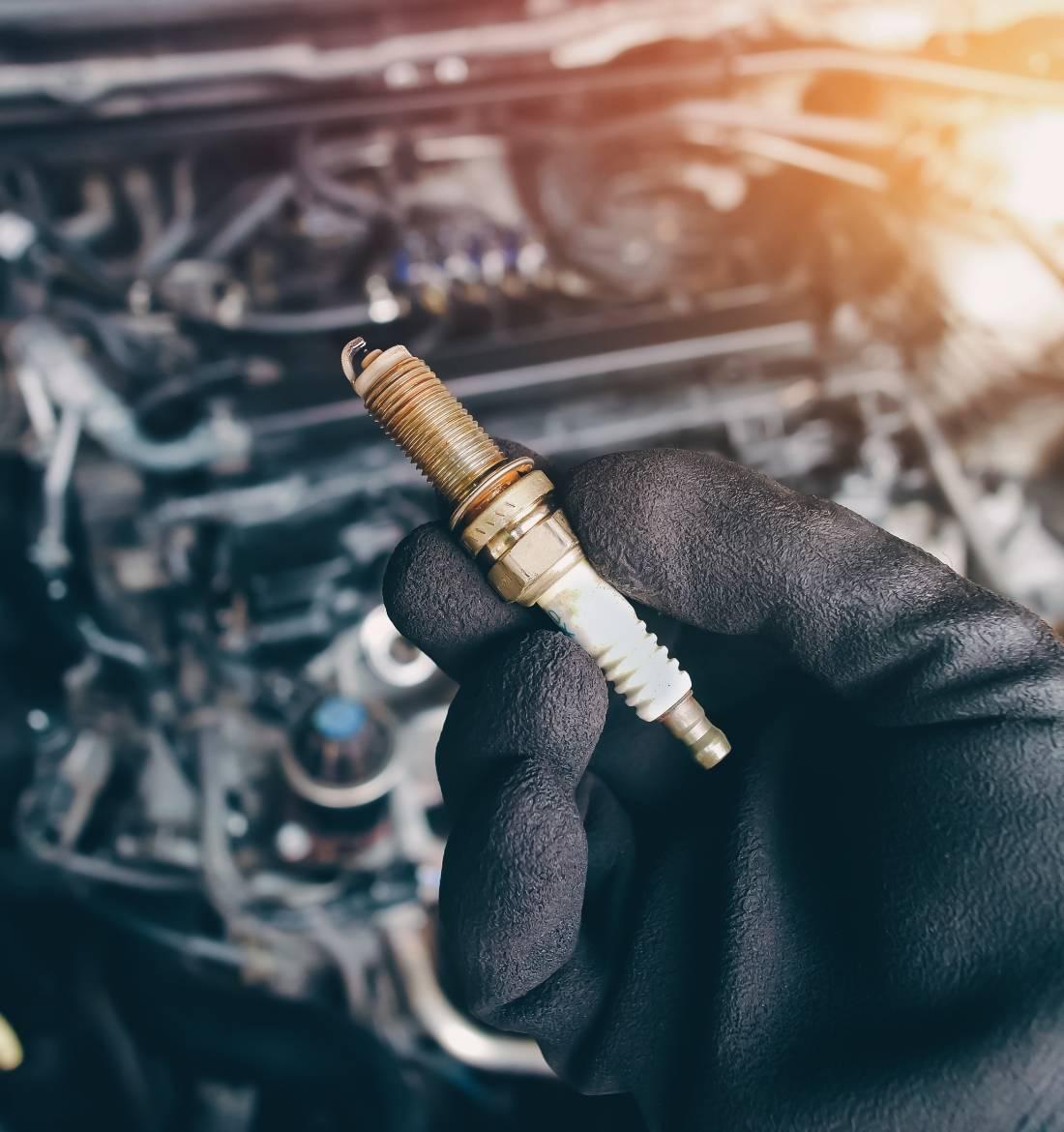
In the event of a malfunction, the spark plugs are first removed from the engine block using special wrenches, and the physical condition of their tips is examined. The electrode gap is measured with a feeler gauge; the tips are visually inspected for carbon buildup, oil residue, melting, or cracking to determine which cylinder is affected.
Cleaning the Spark Plugs
If the spark plugs have not yet reached the end of their service life but have simply accumulated carbon deposits due to a rich fuel mixture or short-distance driving, they can be cleaned. Using fine-bristled brushes and a special brake pad cleaner, the carbon deposits on the tip of the spark plug are gently removed, restoring the part to full functionality.
Spark Plug and Spark Plug Wire Replacement
The definitive solution for worn-out, melted, or cracked spark plugs is to replace them with new ones. To ensure optimal performance during spark plug replacement, the spark plug wires or ignition coils that carry current to the spark plugs should also be inspected and, if necessary, replaced as a set to extend the system’s lifespan.
What Are the Different Types of Spark Plugs and Their Replacement Intervals?
Spark plugs are categorized based on the quality and durability of the metal components used in their manufacture. Each type of spark plug has a different heat resistance rating and, consequently, a different service life in the vehicle.
Standard (Copper) Spark Plugs and Their Service Life
Copper-core spark plugs, commonly used in traditional engines, have excellent electrical conductivity but low resistance to high heat. For this reason, copper spark plugs wear out faster than other types and generally need to be replaced every 15,000 to 30,000 kilometers.
Platinum Spark Plugs and Their Lifespan
These spark plugs, which use platinum in the center electrode, are highly resistant to wear because platinum has a much higher melting point than copper. Platinum spark plugs can operate for long periods without a loss of performance, and their average replacement interval ranges from 50,000 to 70,000 kilometers, depending on the vehicle’s operating conditions.
Iridium Spark Plugs and Lifespan
Since iridium is one of the most durable metals in the world against high temperatures and corrosion, these spark plugs are top-tier performance products. Thanks to their extremely fine tip design, iridium spark plugs produce an exceptionally strong and stable spark, and their lifespan can reach up to 80,000 to 100,000 kilometers.
Frequently Asked Questions About Spark Plug Failures
Spark plug maintenance and failures are among the top issues that car owners most frequently encounter with mechanics at auto repair shops or service centers—and they are subjects of many differing opinions. The correct answers to the fundamental questions on drivers’ minds serve as a guide for proper vehicle maintenance.
Does a Spark Plug Failure Cause Permanent Damage to the Engine?
Yes, a spark plug failure that is neglected for a long time can cause debris to fall into the engine, rendering the cylinders and pistons inoperable. It can also lead to the engine running out of oil and causing bearing seizure as unburned fuel strips the oil from the cylinder walls.
Should All Spark Plugs Be Replaced When Just One Fails?
Yes, spark plugs must always be replaced as a set to maintain combustion balance and consistent performance across the engine’s cylinders. Replacing only the single faulty spark plug will create incompatibility with the other old spark plugs and disrupt the engine’s idle balance.
Can Spark Plug Failures Occur in Diesel Vehicles?
Diesel vehicles do not have spark plugs that generate a spark, as found in gasoline-powered vehicles; instead, they have “glow plugs” that heat the air inside the cylinder to facilitate combustion. Therefore, glow plug failure can occur in diesel vehicles as well, and this can prevent the engine from starting, especially in cold weather.
Are Spark Plug Failures More Common in LPG-Powered Vehicles?
Since LPG has a higher combustion temperature than gasoline, it increases the thermal load on spark plugs and spark plug wires. Due to this high heat, standard spark plugs wear out faster in LPG-powered vehicles; therefore, it is recommended that owners of LPG-powered vehicles check their spark plugs more frequently or opt for spark plugs specifically designed for LPG.
Will a Vehicle Fail Inspection Due to a Spark Plug Malfunction?
If the check engine light is on due to a spark plug malfunction, or if exhaust emission levels exceed legal limits due to unburned fuel, the vehicle may fail inspection. Excessive engine misfiring and heavy smoke from the exhaust will also result in the vehicle being reported as having a major defect during inspection.
In summary, a spark plug malfunction is a serious mechanical problem that directly affects engine performance, fuel efficiency, and environmental emission levels—and should not be overlooked. If you notice symptoms such as the vehicle having difficulty starting, idling roughly, or a sudden increase in fuel consumption, the spark plugs and ignition system should be inspected. Regular spark plug inspections and timely replacements not only preserve your driving pleasure but also reliably protect you from much more serious and costly engine failures you might encounter in the future.