





A shock absorber is a vital safety and comfort component in the suspension system of motor vehicles that dampens the kinetic energy transmitted to the vehicle body by road irregularities, potholes, and bumps by converting it into thermal energy. The primary function of this mechanism is to prevent springs from oscillating uncontrollably, ensuring that the wheels maintain constant and firm contact with the road under all driving conditions. Thanks to these components, the vehicle’s road holding, braking distance, and cornering ability are maintained at optimal levels, providing the driver with a safe ride and passengers with a smooth, comfortable journey.
What Is a Shock Absorber and How Does It Work?
Shock absorbers, the heart of the suspension system, are designed to maintain the vehicle’s dynamic balance and eliminate the negative effects caused by road surface irregularities. By continuously monitoring wheel movements, this system stabilizes driving dynamics by keeping sudden shifts in the vehicle’s center of gravity under control.
Principle of Operation and Energy Conversion
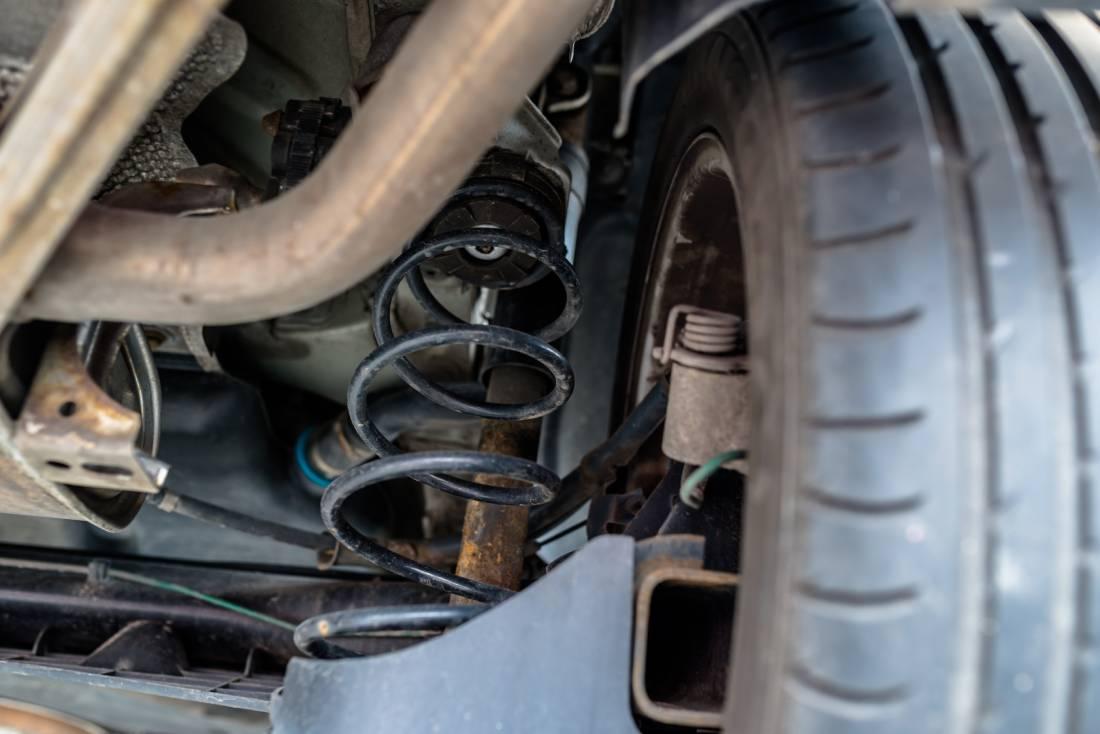
When a vehicle hits a pothole or drives over a bump, the coil springs in the suspension system compress to absorb the impact. However, due to their design, springs tend to rebound and flex repeatedly after being compressed. Shock absorbers come into play at this point, using the hydraulic fluid or gas inside them to slow down the spring’s kinetic energy. At the moment of impact, the piston forces the oil or gas through narrow valves inside the tube, and the resulting hydraulic resistance instantly stops the vibration by converting kinetic energy into a small amount of heat.
Thanks to this energy conversion, the wheel quickly re-establishes contact with the ground after hitting it, rather than bouncing into the air and bouncing uncontrollably. This flawlessly functioning operating principle is the fundamental physical mechanism underlying the vehicle’s ability to respond fully and accurately to the driver’s commands at any speed and during any maneuver.
Its Role and Importance Within the Suspension System
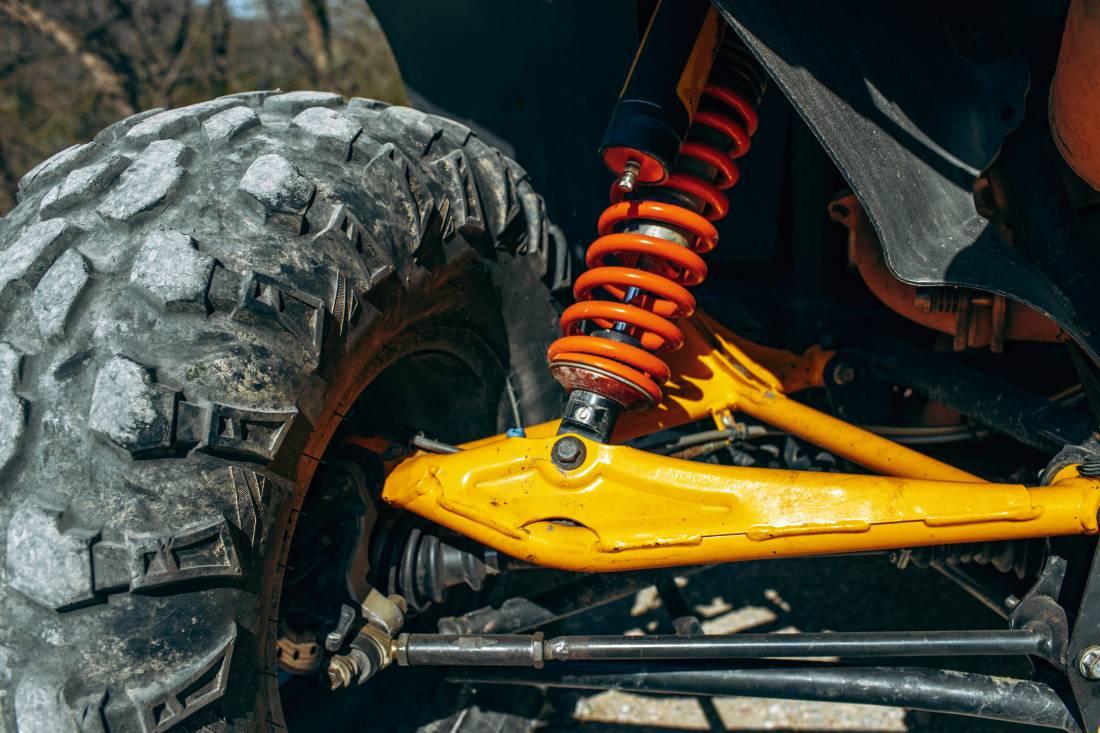
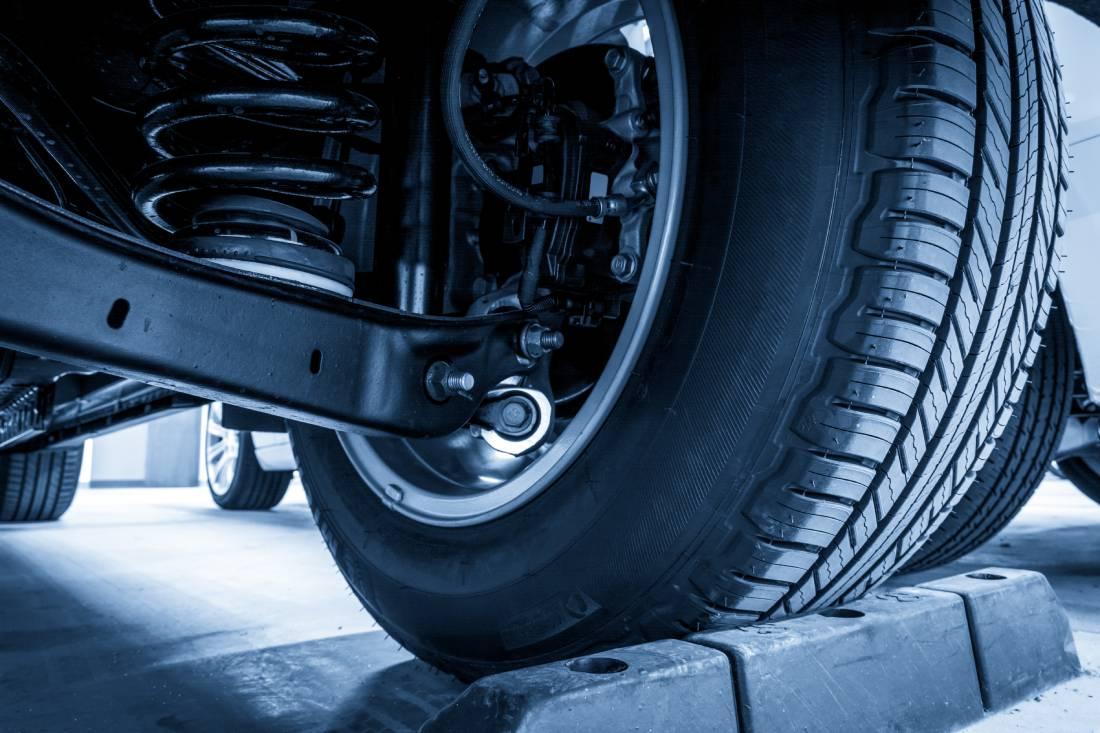
In modern vehicle designs, the suspension system consists of many moving parts, such as control arms, steering knuckles, stabilizer bars, and springs. The shock absorber acts like the conductor of an orchestra, ensuring that all these components move in harmony. If the spring’s rate of deflection is not balanced, the excessive load placed on other suspension components leads to metal fatigue and premature wear.
Thanks to this balancing function, not only does ride quality improve, but unwanted chassis movements—such as body roll or twisting—are also prevented. Maintaining continuous contact between the tire and the road is an essential requirement for the vehicle to meet the safety standards established during manufacturing.
What Are the Different Types of Shock Absorbers?
With the advancement of automotive technology, various damping components have been developed to suit the intended use, weight, and performance expectations of vehicles. These components, which operate on different principles, are among the most important factors directly influencing driving characteristics.
Hydraulic (Oil-Filled) Shock Absorbers
Hydraulic systems are the most widely used traditional damping components today. This structure, which contains only a piston equipped with a special hydraulic oil and valves, operates based on the resistance created as the oil flows through narrow channels. They are preferred in standard passenger vehicles designed primarily for urban use because they offer a smooth ride. This comfort-oriented design effectively filters out road imperfections at low speeds and during daily commutes.
However, during prolonged or spirited driving, or on very rough roads, the piston’s constant agitation of the oil can cause air bubbles to form in the hydraulic fluid. This phenomenon, known as cavitation, temporarily disrupts the oil’s flow properties, leading to brief losses in damping performance.
Gas-Charged Shock Absorbers
Gas-charged systems feature an advanced design that is typically filled with high-pressure nitrogen gas in addition to hydraulic oil. The pressurized gas creates constant pressure above the hydraulic oil inside, effectively preventing the oil from foaming and forming air bubbles. Thanks to this technology, the shock absorber continues to operate consistently without any loss of performance, even under the most challenging road conditions or during high-speed sports driving.
Gas-filled models, which provide a firmer ride feel compared to standard oil-filled systems, are widely used in performance vehicles, heavy-duty vehicles, and off-road vehicles where road grip and steering response are critical. Thanks to its high response speed, it minimizes body roll in corners, creating a sporty and safe dynamic.
How to Identify a Shock Absorber Malfunction?
Over time, suspension components exposed to harsh road conditions and constant use may lose their functionality due to valve wear or seal leaks. Detecting a problem in the system early is crucial to avoid compromising driving safety. There are basic signs of failure that drivers can notice without needing any special equipment. The most obvious signs to watch for are as follows:
- If the vehicle bounces much more than usual when driving over bumps or speed bumps, and the shaking just won’t stop, it means the suspension has lost its damping function.
- If, during sudden and hard braking, the front of the vehicle noticeably dips toward the ground while the rear tends to lift uncontrollably.
- If the vehicle’s body leans excessively outward when entering turns and you feel a significant loss of steering control.
- If the vehicle feels unstable, is affected by wind, or struggles to maintain traction even while driving on a straight road.
- If there are localized, wavy, jagged, or irregular wear patterns on the tread surfaces of the tires.
- If you hear rattling, knocking, or metallic grinding noises from the wheel areas while driving on rough or uneven roads.
- If there is an oil film, oil leaks, or any physical damage, such as dents or crushing, visible on the outer casing of the shock absorber.
If you encounter any of these issues, the best course of action is to consult an authorized service center to have a detailed suspension and road-holding test performed to determine the extent of the problem.
The Effects of Shock Absorber Failure on Driving Safety
A malfunctioning suspension system is not merely a mechanical failure that reduces comfort; it is a serious hazard that directly threatens personal safety. A decrease in damping capacity drastically weakens the vehicle’s ability to transfer power to the road and its braking capability.
Increased Braking Distance and Loss of Control
The greatest danger posed by faulty systems is the interruption of tire contact with the road surface. A malfunctioning shock absorber causes the wheel to bounce when braking. During the milliseconds the wheel is off the ground, the braking system cannot slow the vehicle, and the ABS system mistakenly engages, sensing that the tire is slipping. This chain reaction can extend the stopping distance by several meters, making a collision almost inevitable. Additionally, the risk of hydroplaning—caused by tires’ inability to disperse water on wet surfaces—increases significantly with a damaged suspension system.
Chassis and Tire Damage
A component that fails to absorb vibrations transmits the full force of road impacts directly to the vehicle’s chassis, suspension arms, control arms, and steering box. When these components are subjected to such high levels of shock—for which they were not designed—they can wear out and break well before their expected lifespan. Additionally, the inner cords of tires that constantly bounce against the road are damaged, and irreversible, wavy deformations occur in the tire tread. As a result, failing to replace a simple and relatively inexpensive part can lead to thousands of lira in severe damage to the vehicle’s suspension system.
How Should Shock Absorber Replacement and Maintenance Be Performed?
To maintain maximum road holding performance, regular maintenance of suspension components is essential. Performance losses that cannot be detected by sight or feel can only be identified using specialized testing equipment during periodic maintenance.
Replacement Intervals and Mileage Guidelines
Most vehicle manufacturers recommend that suspension components be inspected by a qualified technician every 20,000 kilometers. While the average service life of these parts typically ranges from 60,000 to 80,000 kilometers, constant heavy loads, use on poor road conditions, or a rough driving style can cut this lifespan in half. Even if the mileage limit has not been reached, if a visible oil leak or bending of the body is detected, the internal structure of the part is considered completely damaged and must be replaced immediately since repair is not possible.
The Mandatory Requirement for Replacing in Pairs
The most critical golden rule during the replacement process for these components is that the replacement must be performed simultaneously for the parts on the same axle (front two or rear two). Replacing only the left front part when it fails creates a significant asymmetry in damping resistance between the right and left sides. Since the newly installed part will be stiff while the old one remains soft, the vehicle will constantly pull toward the side with the old part, causing instability during braking and completely compromising driving safety. Additionally, checking the vehicle’s wheel alignment after the replacement is a mandatory procedure to ensure the new parts operate at the correct angles.
Although shock absorbers may seem like a minor detail in the daily driving experience, they are the cornerstone of the system that ensures the vehicle can be safely steered and stopped. These components, which ensure steering control by keeping the wheels firmly planted on the road, increase braking distance, wear out tires, and raise the risk of skidding when they become worn. Regularly testing this equipment during routine maintenance and replacing them in pairs without delay when signs of wear are detected is an indispensable requirement for both a comfortable ride and safe driving.