





- What is a Salvage-Registered Vehicle?
- Can You Buy a Salvage-Registered Vehicle?
- Under What Circumstances Is a Vehicle Written Off?
- Advantages and Disadvantages of Buying a Salvage-Titled Vehicle
- How to Perform a Pert Vehicle Inquiry
- Insurance, Comprehensive Insurance, and Credit Processes for Damaged Vehicles
- Frequently Asked Questions About Salvage-Registered Vehicles
What is a Salvage-Registered Vehicle?
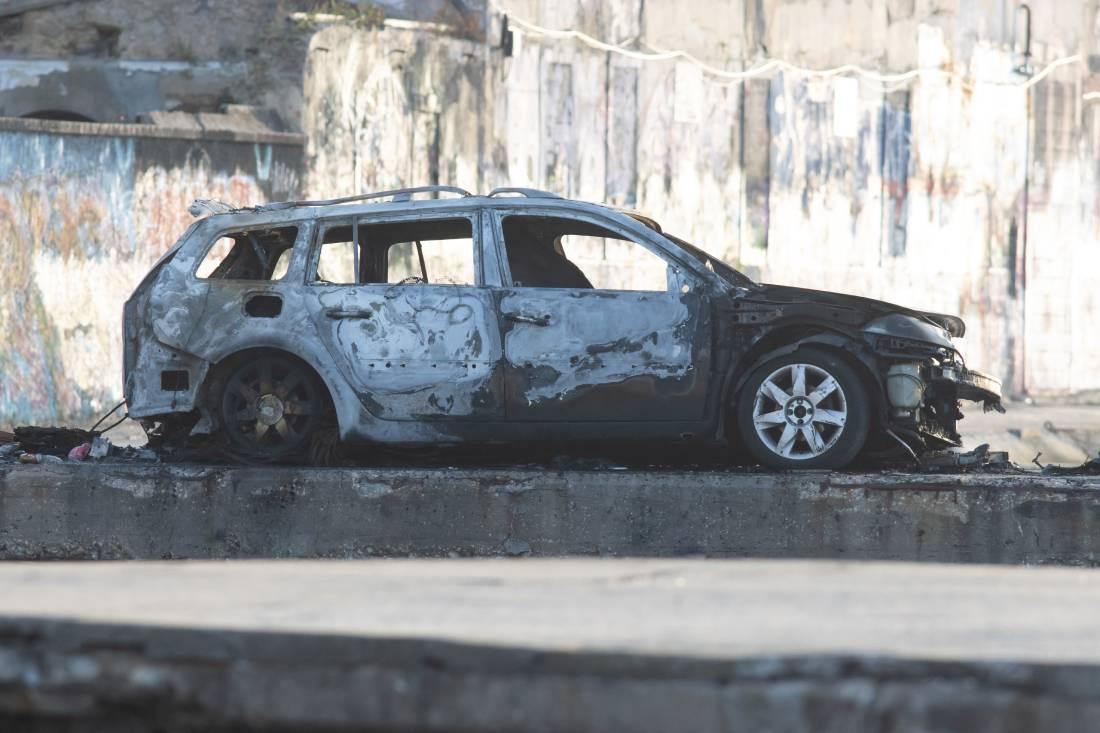
Salvage-registered vehicles are vehicles that insurance companies have assessed as having sustained significant damage. This registration is created to indicate the vehicle's damage status and recycling process. The salvage record is an important piece of information in the vehicle's history, and vehicles with this record usually undergo rehabilitation or are dismantled for parts. Thus, salvage-registered vehicles are informed about their condition before being resold on the market.
Can You Buy a Salvage-Registered Vehicle?
It is possible to purchase a vehicle with a salvage title, but this decision should be carefully evaluated. Buyers should thoroughly research the vehicle's history, damage status, and repairs. A salvage title can reduce the value of the vehicle; however, in some cases, it offers the opportunity to purchase at a more affordable price. Therefore, it is important for those considering purchasing a vehicle with a salvage title to obtain all information about the vehicle and have it undergo the necessary expert inspection.
Under What Circumstances Is a Vehicle Written Off?
A vehicle is written off when it is assessed as severely damaged by the insurance company. In this case, the vehicle's damage ratio, repair costs, and damaged parts are taken into account. Generally, damage to 70% or more of the vehicle and the deployment of airbags are reasons for writing off a vehicle. Additionally, the expert report and damage assessment process are also important factors in making this decision.
Vehicle Damage of 70 Percent or More
Vehicle damage of 70 percent or more is an important criterion for total loss. This situation indicates that repairing the vehicle is not economically feasible. The damage ratio is one of the most important factors considered by insurance companies. High damage ratios can seriously affect the functionality of the vehicle. Therefore, in such a damage situation, the vehicle is easily written off.
Deployment of Airbags
The deployment of airbags indicates that the vehicle has been involved in a serious accident. This event is often considered sufficient reason by insurance companies to write off the vehicle. Airbags usually deploy in high-impact collisions and indicate that the vehicle's safety systems are working effectively. Therefore, vehicles with deployed airbags are considered to have significant damage and are declared a total loss.
Expert Report and Damage Assessment Process
The expert report is a critical step in determining the damage to the vehicle. During this process, experts examine the condition of the vehicle in detail. Damage assessment is important for determining repair costs and the extent of the damage. Insurance companies may decide to write off the vehicle based on these reports. Therefore, the expert report has a decisive impact on the future of the vehicle.
Differences Between Totaled Vehicles and Vehicles with Major Damage Records
The differences between totaled vehicles and vehicles with major damage records relate to the damage status and repair processes. A totaled vehicle record indicates that the vehicle has been seriously damaged and that repairing it is not economically viable, while a major damage record may mean that the vehicle can be repaired. In this case, factors such as the damage ratio, costs, and legal limits play a decisive role. In addition, vehicles with a total loss record generally have a lower market value.
Damage Ratio and Legal Limits (70% Rule)
The damage ratio is an important factor in determining whether a vehicle will be recorded as a total loss. Legal limits include setting the damage ratio at 70%. This rule is a critical criterion affecting the vehicle's record. If a vehicle's damage exceeds this ratio, it is recorded as a total loss. However, damage below this ratio may only result in a heavy damage record.
The Relationship Between Repair Costs and Market Value
Repair costs have a significant impact on a vehicle's registration. If repair costs exceed the vehicle's market value, this may result in a total loss record. Market value is a factor considered when determining the market value of a vehicle. Therefore, the ratio of repair costs to this value determines the differences in records. Repair costs for vehicles with a total loss record usually result in a higher loss.
Vehicle Status with a Towing Certificate
A vehicle with a towing certificate is a status given to vehicles that have broken down or been in an accident. This status provides additional information about the condition of the vehicle. The difference between vehicles with a salvage title and vehicles with a tow certificate is the content of the record. Vehicles with a tow certificate are considered vehicles that need repair or transportation, while vehicles with a salvage title are vehicles that have suffered serious damage and are not economically viable to repair.
Advantages and Disadvantages of Buying a Salvage-Titled Vehicle
There are advantages and disadvantages to buying a salvage-titled vehicle. These vehicles are typically offered at prices below market value, which provides a purchasing advantage. However, salvage-titled vehicles may be difficult to sell in the used car market and may lose value. It is important for buyers to carefully weigh these advantages and disadvantages when making their purchase decision. Acting consciously reduces the risk of loss.
Price Advantage Below Market Value
The most notable advantage of accident-damaged vehicles is that they can be sold at prices below market value. This presents an attractive opportunity for buyers. However, this price advantage is based on the vehicle's history of damage and the impact of the record. When evaluating this price advantage, buyers should consider the condition of the vehicle and possible repairs. With the right assessment, it is possible to make an advantageous purchase.
Difficulty in Resale and Loss of Value
The resale of vehicles with accident records can be a significant problem. These vehicles are less preferred by buyers; therefore, market demand is low. Value loss is one of the negative effects of the accident record on the vehicle. During the sale, lower prices may be offered due to the existence of the record. This situation negatively affects the return on investment and causes difficulties for the owners of vehicles with accident records.
Repair Quality and Driving Safety Risks
The repair quality of vehicles with accident records may pose risks in terms of driving safety. These vehicles may not have been repaired with sufficient care for various reasons, which can lead to safety issues. The quality of materials used during repairs can affect the vehicle's future performance. Therefore, when purchasing vehicles with accident records, it is necessary to pay attention to the repair process and the parts used. It is extremely important to consider these factors for a safe driving experience.
Spare Parts and Service Issues
Vehicles with accident records may sometimes experience problems with spare parts supply and service. The quality and availability of parts used during the repair process directly affect the vehicle's performance. In addition, spare parts for some models may be difficult to find, which increases costs. Buyers should consider these possibilities when purchasing vehicles with accident records to help prevent problems they may encounter in the future.
How to Perform a Pert Vehicle Inquiry
The Pert vehicle inquiry process is an important step for buyers. This process allows buyers to obtain information about the vehicle's damage history and record. The inquiry can be performed using various methods, all of which are quite simple. Buyers can use these processes to better understand the condition of the vehicle and make an informed purchase decision. Checking vehicles with accident records is critical to minimize risks.
Learning the Damage History with the Chassis Number
The chassis number is one of the most important elements that identifies the vehicle. The vehicle's damage history can be learned with this number. The inquiry process is usually done through insurance systems. Buyers can use this method to access the vehicle's damage records. Therefore, obtaining accurate information using the chassis number should be considered a safety measure before purchasing.
Vehicle License Plate Inquiry via e-Government
The e-Government system offers a practical method for accessing vehicle information. The vehicle license plate inquiry process provides information about the status of vehicles with damage records. This system provides users with fast and reliable information. The inquiry made through the license plate raises awareness about the vehicle's history and damage status. Therefore, performing a query via e-Government is an important step for an informed purchase process.
Tramer Record Query via SMS (5664)
Tramer record query via SMS is a fast and practical method. The number 5664 is used to take advantage of this system. It is possible to obtain information about the vehicle's damage history in just a few minutes. Checking via SMS is particularly advantageous for buyers with time constraints. This method provides an effective way to learn about the status of vehicles with damage records.
Insurance Information and Supervision Center (SBM) Records
Insurance Information and Supervision Center (SBM) records contain important data about the damage history of vehicles. These records are kept by insurance companies and disclose the damage information of the vehicle. Buyers can better understand the condition of vehicles with damage records by reviewing this data. SBM records are critical for making informed decisions during the vehicle purchase process.
Insurance, Comprehensive Insurance, and Credit Processes for Damaged Vehicles
Insurance, comprehensive insurance, and credit processes for damaged vehicles are important factors that affect the financial status of the vehicle. It can be difficult to obtain comprehensive insurance for vehicles with damage records; however, it is important to be aware of this issue. Furthermore, the possibility of obtaining a vehicle loan for damaged vehicles depends on the condition of the vehicle and the loan terms. These processes help buyers manage their costs and risks.
Can Comprehensive Insurance Be Obtained for a Damaged Vehicle?
Obtaining comprehensive insurance for damaged vehicles is often a difficult process. Insurance companies may tighten coverage conditions when issuing comprehensive insurance policies for such vehicles. However, in some cases, it may be possible to obtain limited comprehensive insurance for vehicles with damage records. In this case, buyers need to thoroughly understand the insurance terms and carefully review the policy. Comprehensive insurance is an important step to provide protection against potential risks.
Can I Get a Car Loan for a Salvage Vehicle?
It is possible to obtain a car loan for salvage vehicles, but the terms may vary. Loan approval depends on the condition of the vehicle and the bank's policies. Salvage registration can affect the value of the vehicle and determine the loan amount. There are important points buyers should consider when obtaining a loan for salvage vehicles; this ensures the financial process runs smoothly. Car loans are an important aid in financing a vehicle.
Traffic Insurance Pricing and Premium Differences
Traffic insurance premiums for damaged vehicles may differ from those for normal vehicles. This situation stems from the vehicle's history and damage record. Insurance companies may charge higher premiums for vehicles with damage records. Pricing is an important factor that affects the vehicle's risk profile. Therefore, traffic insurance prices for damaged vehicles should be carefully examined; this ensures that costs are managed correctly.
Frequently Asked Questions About Salvage-Registered Vehicles
Frequently asked questions about salvage-registered vehicles are designed to address buyers' concerns. These questions help provide information about the vehicle's condition, repair processes, and the effects of the registration. By reviewing these questions, buyers can learn more about the characteristics and risks of vehicles with accident records. The answers to frequently asked questions are important for an informed purchasing process.
Can an accident record be removed from a vehicle?
The accident record remains as important information in the vehicle's history and generally cannot be removed from the vehicle. However, under certain conditions and through official processes, the status of the record can be reviewed. Buyers should know how this record affects the value of the vehicle and whether it can be removed. The accident record has an impact on the vehicle's safety standards and insurance-related status.
Is every vehicle with deployed airbags considered an accident vehicle?
Airbag deployment is generally considered an indicator of serious damage; however, this does not guarantee that every vehicle will be classified as a total loss. Insurance companies make decisions based on the extent of the damage and the associated costs. Airbag deployment can lead to high costs; however, in cases where the vehicle can be repaired, it may be recorded as major damage. Therefore, this situation does not always result in a total loss record.
Can a totaled vehicle pass inspection?
Totaled vehicles can undergo inspection processes. However, in order to pass inspection, the vehicle must be properly repaired and comply with the necessary standards. Inspection ensures that the vehicle is checked for safety and functionality. Therefore, there are important points to consider for totaled vehicles to pass inspection.
Is a vehicle with a heavy damage record considered damaged?
Vehicles with heavy damage records do not necessarily have a damage record. A heavy damage record indicates that the vehicle has been seriously damaged; however, repair costs may vary depending on the value of the vehicle. If a heavily damaged vehicle can be restored to working order after repairs, it may not result in a total loss record. In this case, there are differences between vehicles with heavy damage records and total loss vehicles.
Does the expert report indicate a total loss record?
The expert report is an important document for determining the condition and damage history of the vehicle. This report can affect the existence of a total loss record because the damage status is determined as a result of examinations conducted by experts. If the vehicle is truly in a total loss condition, the experts will report this. Therefore, the expert report can have a decisive effect on the vehicle's record.
What should you look for when buying a damaged vehicle?
Here are some points to consider when buying a damaged vehicle:
- Research the vehicle's history; check its damage records.
- Evaluate the vehicle after obtaining an expert report.
- Question the quality of repairs; review safety features.
- Evaluate the price according to market conditions; be wary of excessively low prices.
- Check the availability of spare parts and service.
- Ensure that all documents accompanying the vehicle are complete.