




- What is a Rev Limiter?
- Why is a Rev Limiter Important?
- How Does a Rev limiter Work?
- What Are the Types of Rev Limiters?
- What Happens to the Vehicle When the Rev Limiter Kicks In?
- Rev Limiter Removal and Potential Risks
- RPM Cutter Features in Different Engine Types
- Frequently Asked Questions About the RPM Limiter
A rev limiter is a system that prevents the engine from running above a certain RPM. This technology helps maintain healthy engine operation while preventing damage that could occur due to excessive RPM. Especially in high-RPM engines, the rev limiter acts as a critical protection mechanism. It aims to increase engine performance while extending engine life in the long term.
What is a Rev Limiter?
A rev limiter is a device or system that sets the maximum RPM limit for an engine. It is usually controlled by the electronic control unit (ECU). It prevents excessive revving by maintaining the engine's operating pattern. This protects the engine's internal components and reduces the occurrence of malfunctions. It can be applied in different ways in both gasoline and diesel engines.
Why is a Rev Limiter Important?
A rev limiter is vital for the healthy operation of the engine. Below is information on why the rev limiter is so important.
- Protecting the engine's limits: By limiting the engine's maximum RPM, it reduces wear on internal parts and extends its life.
- Preventing valve float and piston damage: It prevents problems such as valve float by maintaining the correct operating order of the valves.
- Preventing the engine from overheating: Excessive speed rapidly increases the engine's temperature; the rev limiter keeps this heat under control.
Protecting the Engine's Limits and Extending Its Life
The rev limiter plays an important role in protecting the engine's limits and extending its life. When the engine reaches its maximum speed, the rev limiter kicks in and limits its operation. This process prevents the engine's internal parts from being overloaded and reduces wear. As a result, the engine's life is extended and it requires less maintenance. This provides the user with an advantage by reducing costs in the long term.
Preventing Valve Float and Piston Damage
The rev limiter plays a critical role in preventing valve float and piston damage. In engines that reach high RPMs, valve float can occur, which can cause engine parts to collide. The rev limiter limits the engine speed, ensuring the valves operate safely.
- Safe valve operation: It regulates the opening and closing cycle of the valves, supporting efficient engine operation.
- Preventing piston damage: It minimizes potential damage to the piston by preventing engine component collisions.
- Preserving engine integrity: It thus protects the overall integrity and health of the engine, ensuring efficient operation for a longer period.
Preventing Engine Overheating and Overheating
The speed limiter helps prevent engine overheating and overheating. Excessive speed causes the temperature inside the engine to rise rapidly, which can lead to engine burnouts and other damage. The speed limiter limits the engine's operating speed, keeping heat production under control.
- Heat management: Balances the internal temperature of the engine, reducing the load on the cooling system.
- Long-term protection: Prevents malfunctions that may occur due to overheating, extending the life of the engine.
- Sustainable performance: Ensures that engine performance remains consistently high.
Protecting the Transmission and Drivetrain
The rev limiter protects the transmission and drivetrain, ensuring the integrity of the vehicle's overall systems. Sudden gear changes at high revs can cause wear on transmission parts. The rev limiter limits engine speed, allowing for smoother and safer gear changes.
- Transmission health: Extends the life of transmission assemblies and components.
- Drivetrain protection: Minimizes potential damage to the drivetrain.
- Driving comfort: Enhances user satisfaction by providing a more stable experience while driving.
How Does a Rev limiter Work?
A rev limiter works by using various methods to prevent the engine from running above a certain speed. This system operates through electronic control units and sensors. When engine speed is detected, the rev limiter kicks in and limits the engine's operation.
Electronic Control Unit (ECU) and Speed Detection
The rev limiter is a system managed by the electronic control unit (ECU). The ECU continuously monitors data related to engine operation and detects engine speed to take the necessary action. This process ensures efficient engine operation and maximum performance. Speed detection is a critical factor in maintaining engine health.
Role of the Crankshaft Sensor in RPM Control
The crankshaft sensor plays a vital role in controlling engine RPM. This sensor measures the rotational movement of the engine's crankshaft, providing information about engine RPM. The data obtained is transmitted to the RPM cut-off system, enabling the necessary interruptions to be made.
- Accurate measurement: Ensures the engine's operating pattern remains stable.
- Safe operation: Prevents the engine from over-revving, protecting the health of internal components.
- Efficient system integration: This increases the overall efficiency of the engine and reduces the risk of failure.
Fuel Cut Method (Fuel Cut) Operating Principle
The speed limiter operates by limiting the engine speed using the fuel cut method (fuel cut). In this method, when the engine runs at high speed, the signals going to the fuel injectors are cut off. Thus, fuel cannot reach the engine and it stops running. This process prevents overloading by protecting the engine's internal components. Fuel cut saves fuel and prevents damage to the engine.
Spark Cut Method and Its Effects
The spark cut method is another important operating principle of the rev limiter. In this method, when the engine reaches its rev limit, interruptions are made in the ignition system. By stopping certain parts of the ignition process in the engine, the engine speed is reduced. This application prevents the engine from over-revving, while also creating the following effects.
- Change in engine noise: A noticeable change in engine noise occurs during the cut-off process.
- Loss of efficiency: A temporary decrease in engine power occurs; however, this is beneficial for engine health in the long term.
- System balance: The engine's operating balance is maintained, ensuring the integrity of internal components.
What Are the Types of Rev Limiters?
Rev limiter types vary depending on the needs of the engine and vehicle. Each is designed to support different usage scenarios. Here are the current types of rev limiters and their features.
- Soft Cut: Gently stops the engine at high RPMs; generally provides comfort during daily driving.
- Hard Cut: Cuts abruptly, keeping the engine below the rev limiter; effective for performance-oriented driving.
- Variable rev limiters: Offer a flexible structure that can adapt to different driving conditions; provide an advanced driving experience.
Soft Cut and Its Applications
Soft cut is a type of rev limiter that gently restricts engine speed. This system is designed specifically to enhance everyday driving comfort. When the engine exceeds high speed, it gradually slows down the engine without causing sudden power loss. Soft cut is generally preferred for city driving and low performance requirements.
- Comfort-focused application: Provides a smooth experience that does not disturb the driver.
- Engine sensitivity: Applies less stress to the engine's internal components, ensuring a longer lifespan.
- Efficient consumption: Optimizes fuel consumption, offering an economical driving experience.
Hard Cut (Hard Cutter) and Performance Vehicles
Hard cut (hard cutter) is a system that abruptly cuts engine speed and is commonly used in performance vehicles. This type of speed cutter prevents excessive revving while maintaining maximum engine performance at high speeds. The hard cutter provides drivers with an intense experience while protecting the engine's key limits.
- Performance enhancement: Improves driving dynamics with instant response, but must be used carefully.
- Engine protection: Minimizes damage that could occur due to excessive revs.
- Driving pleasure: The hard cut creates a distinct feeling of power and acceleration while driving.
Variable Rev Limiters
Variable rev limiters are flexible systems that can be adjusted according to driving conditions and engine performance. These types of limiters aim to deliver the best performance by optimizing the engine at different RPM ranges. They have the ability to adapt based on user feedback or specific parameters. Thus, they both protect the engine and improve the driving experience.
What Happens to the Vehicle When the Rev Limiter Kicks In?
When the rev limiter kicks in, certain changes and effects occur in the vehicle. These effects directly impact the engine's operating pattern and the driving experience. Since the rev limiter prevents the engine from operating above a certain RPM, it causes instantaneous changes in the vehicle.
- Change in engine sound: When the cut-off switch is activated, there is a noticeable interruption and change in engine sound.
- Power loss: The vehicle experiences a sudden loss of power and acceleration, which affects driving dynamics.
- Increased vibration: Interruptions in the engine's operating pattern cause vibrations inside the vehicle.
Change in Engine Sound (Cut-off Sound)
When the rev limiter engages, there is a noticeable change in engine sound. This sound is commonly referred to as the “cut-off sound” and is easily noticeable to drivers. The cut-off sound indicates that the engine speed has dropped and its operating pattern has been affected.
- Intensity of the sound: The cut-off sound varies depending on how high the engine speed is.
- Driver perception: When drivers hear this sound, they can understand that the engine speed has gone too high.
- Engine health indicator: This sound is a critical warning sign for maintaining engine health.
Backfiring and Knocking Sounds
When the rev limiter is engaged, some vehicles may also experience backfiring and knocking sounds from the exhaust. This occurs due to sudden interruptions in the engine's operating cycle and is commonly observed during high-speed driving.
- Knocking sound: Knocking sounds occur when the engine's fuel mixture does not burn properly.
- Backfire: This occurs when there is excess gas buildup in the exhaust system.
- Tuning effect: Modified exhaust systems or engine settings can increase the likelihood of backfire events.
Instantaneous Power and Acceleration Loss in the Vehicle
Entering the rev limiter causes instantaneous power and acceleration loss in the vehicle. Limiting the engine speed reduces the power output from the engine, which affects driving dynamics. This is particularly noticeable during acceleration.
- Loss of acceleration: Drivers notice a slowdown in acceleration.
- Driving pleasure: This loss can reduce driving pleasure; however, it is important for engine health.
- Balanced performance: Preventing excessive revs ensures sustainable engine performance in the long term.
Engine Vibration and Driving Feel
When the rev limiter engages, an increase in engine vibration may occur. These vibrations stem from an imbalance in the engine's operating pattern and negatively impact the driving feel. The vibrations become more pronounced at high RPMs, especially due to the effect of the limiter sound.
- Driving comfort: Vibrations can reduce driving comfort and be uncomfortable for passengers and the driver.
- Degree of vibration: The intensity of the vibration depends on how high the engine speed is.
- Vibration management: The engine and vehicle design are expected to minimize these types of vibrations.
Rev Limiter Removal and Potential Risks
Although some drivers choose to remove the rev limiter to increase engine performance, it carries serious risks. Disabling the rev limiter via software can negatively affect engine health. This can lead to engine failure and long-term damage. Therefore, it is an application that requires caution.
Software-Based Rev Limiter Removal (Chip Tuning)
Software-based rev limiter removal is possible with chip tuning applications. This process removes the engine's maximum rev limit by changing the settings of the engine control unit. Drivers therefore believe they will achieve higher performance.
- Risks: However, this application can damage the integrity of the engine and cause it to rev excessively.
- Process requiring expertise: This type of modification can have dangerous consequences if not performed by experts.
- Engine health: It should be noted as a factor that threatens the health and durability of the engine.
Damage to the Engine from Removing the Rev Limiter
There are many disadvantages to removing the rev limiter. After the process, the engine's excessive revving can cause serious damage to its internal parts. This situation can have serious consequences for the piston, valve, and crankshaft.
- Internal damage: Excessive revving damages the engine's internal components, increasing repair costs.
- Engine life: It shortens the engine's life, requiring more frequent maintenance.
- Loss of efficiency: In the long term, it causes a significant drop in engine efficiency.
Bearing Seizure and Engine Lockup Risk
Canceling the speed limiter creates a risk of bearing seizure and engine lockup. Excessive speed disrupts the engine's operating pattern, which can lead to bearing seizure. Bearing seizure is one of the most serious engine failures and is very costly to repair.
- Overloading: Overloading the motor parts can cause critical damage.
- Seizure: Motor seizure can lead to faulty operation and dangerous situations.
- Detection and repair: Detecting and repairing this type of damage is time-consuming and costly.
Loss of Warranty Coverage
Disabling the rev limiter also results in loss of warranty coverage. Any modification made to the engine may void the manufacturer's warranty. This situation may make the support and services required by drivers inaccessible.
- Loss of warranty: Not being able to benefit from the warranty in the event of engine failure can result in significant costs.
- Service support: Manufacturers or authorized service centers are not expected to provide support for modifications.
- Driver awareness: It is important for drivers to be aware of the warranty and to make decisions considering the possible consequences.
RPM Cutter Features in Different Engine Types
RPM cutter features in different engine types vary depending on the engine's structure and operating mode. Gasoline, diesel, and other specialized engine types have RPM cutter systems tailored to their specific needs. This is important for maintaining engine efficiency and health.
Rev Limiter in Gasoline Engines
In gasoline engines, the rev limiter is a system designed to limit the engine's maximum speed. These limiters generally work to optimize engine performance and protect against excessive speed. Limiting the speed of gasoline engines increases fuel efficiency and extends engine life.
- Working principle: Managed by the electronic control unit, it engages with crankshaft sensors.
- Consumption advantage: Prevents excessive fuel consumption caused by high-speed operation.
- Engine health: Protects engine health by preventing valve float and piston damage.
RPM Limiter (Governor) Logic in Diesel Vehicles
In diesel vehicles, the RPM limiter typically operates with a governor system. This system controls the engine speed under load and prevents excessive RPM. Due to their operating structure, diesel engines require lower RPM limiter settings; therefore, they play a critical role in engine efficiency.
- Load control: It ensures optimal performance by balancing the load carried by the engine with its speed.
- Prevention of overheating: The governor prevents the engine from overheating and malfunctioning.
- Consumption and emissions: It contributes to improved emission values by reducing fuel consumption.
RPM Protection System in Automatic Transmission Vehicles
In automatic transmission vehicles, the RPM protection system prevents the engine from exceeding its maximum RPM. This system ensures a more comfortable experience for the driver while protecting the health of the engine and transmission. RPM protection enables smoother and safer gear shifts.
- System integration: Ensures harmony between the engine, transmission, and driving dynamics, thereby reducing vibrations and instability.
- Driving comfort: Drivers enjoy a more relaxed driving experience with less effort.
- Engine protection: Preventing excessive RPM preserves the integrity of the engine's internal components, ensuring long-term use.
RPM Limiter Issues in LPG Vehicles
RPM limiters in LPG vehicles may encounter certain specific difficulties. Engines running on LPG require specific rev limiter settings, and incorrect settings can negatively affect engine performance. RPM limiter systems in LPG vehicles generally have to operate more sensitively due to the nature of the fuel.
- Incorrect settings: Ineffective operation of the rev limiter system can cause the engine to rev excessively.
- Performance decline: There are drops in engine efficiency; this causes LPG vehicles to become less economical.
- Expert intervention: It is recommended to seek expert technical support for rev limiter problems in LPG vehicles.
Frequently Asked Questions About the RPM Limiter
Frequently asked questions about the RPM limiter help drivers learn more about how this system works and its effects. Here are some important questions and answers about the RPM limiter.
Does Entering the RPM Cutter Harm the Engine?
Entering the RPM cutter is not harmful to the health of the engine. On the contrary, the RPM cutter protects the engine, preventing damage from excessive RPM. However, constantly driving at high RPMs can shorten the life of the engine. Therefore, it is important not to exceed the rev limiter's limits; this way, you can protect the health of your engine.
What is the Redline (Red Zone) and Why is it Dangerous?
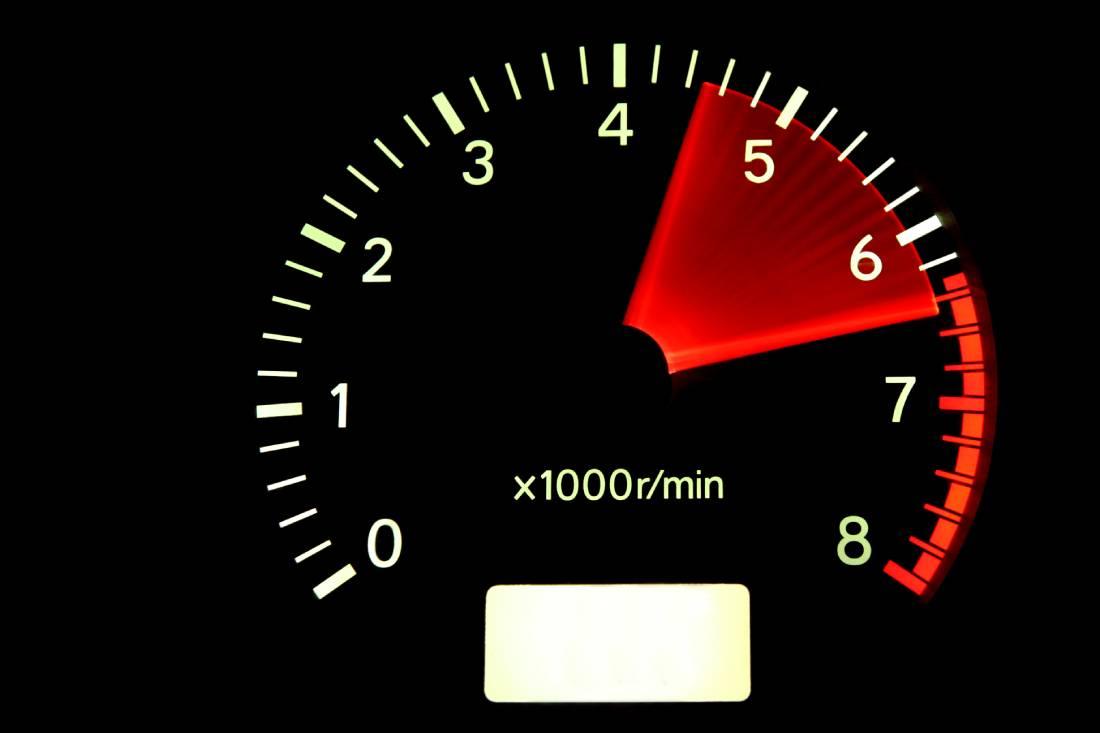
The redline (red zone) is the range that indicates a motor's maximum RPM. Exceeding this zone is extremely dangerous for the engine because it can cause excessive strain on internal parts and lead to serious damage. Approaching the engine's redline requires caution; exceeding the upper limit can disrupt the engine's operating order and cause permanent damage. The redline serves as a reference for drivers to understand the engine's limits and is an important consideration for healthy driving.
Why Does the RPM Limiter Engage Earlier When Revving the Engine?
When revving the engine, the rev limiter may engage earlier to protect the engine because this causes the engine to rev unnecessarily. Revving the engine disrupts its normal operating pattern, creating stress on its internal parts. The rev limiter engages in such situations to keep the engine running at maximum efficiency. This prevents damage to the engine.
What is the Relationship Between Launch Control and Rev Limiter?
The launch control system enables vehicles to accelerate faster at the start, while the rev limiter controls this process by limiting the engine's maximum RPM. Working together, the two systems ensure that the driver achieves the best performance safely. Launch control prevents wheel spin and ensures driving stability by holding the engine at a specific RPM. This integration enriches the driving experience while protecting engine health.
Is Popcorn Software the Same as a Rev Limiter?
Popcorn software is a modification application that alters the rev limiter behavior of vehicles. This software differentiates the driving experience by producing popping sounds at a specific engine speed. However, there is a difference between popcorn software and the standard rev limiter function; while this software can threaten engine health, the traditional rev limiter aims to protect the engine. Therefore, caution should be exercised regarding the use of such software.
Is it dangerous to rev the engine during the break-in period?
During the break-in period, revving the engine may be dangerous for the health of the engine. During this period, it is important to avoid excessive revving because the internal parts of the engine need to adjust to each other. Although the rev limiter protects the engine, caution is required even at the lowest RPMs during the break-in process. Therefore, drivers should not overwork the engine during the break-in period; this will extend the engine's life.
How Can the Rev Limiter Sound Be Changed?
The rev limiter sound can usually be changed through engine settings and the exhaust system. Modified exhaust systems can affect the engine's explosive sound, while some software modifications can also change the tone of the cut-off sound. However, the effects of such changes on engine health should be carefully evaluated. Drivers should take care to preserve the integrity of the engine before making any changes to the rev limiter sound.