






- What is a Front-Wheel Drive Vehicle?
- Why Are Front-Wheel Drive Vehicles Important?
- How Does a Front-Wheel Drive Vehicle Work?
- What Are the Advantages of Front-Wheel Drive Vehicles?
- Front-Wheel Drive Vehicle Disadvantages and Risks Encountered
- When Should a Front-Wheel Drive Vehicle Be Preferred?
- Frequently Asked Questions About Front-Wheel Drive Vehicles
One of the most fundamental technical features encountered when purchasing a vehicle in today's automotive world is the drive system. Among these systems, which directly affect numerous factors ranging from driving dynamics to fuel economy, interior space to safety performance, the most common is the front-wheel drive (FWD) system. So, what exactly is a front-wheel drive vehicle, which has become indispensable in modern automobiles, and why is it so popular? In this guide, we will take an in-depth look at all the details a driver needs to know about front-wheel drive vehicles.
What is a Front-Wheel Drive Vehicle?
A front-wheel drive vehicle is a transmission system architecture in which the power produced by the engine is transmitted only to the front wheels via a transmission and differential. In this system, the front wheels perform two critical tasks simultaneously: propelling the vehicle forward (traction) and steering the vehicle (steering).
Historically, rear-wheel drive systems were standard in the early days of automobiles. However, the front-wheel drive architecture, which began to gain popularity in the 1930s with models such as the Citroën Traction Avant and set the standard in 1959 with the legendary Mini, is now used in more than 70% of passenger cars today. In this system, the engine is typically positioned at the front of the vehicle, parallel to the wheel axle (transversely). This layout allows mechanical components to be much closer to each other.
Why Are Front-Wheel Drive Vehicles Important?
The importance of front-wheel drive vehicles for the automotive industry and users can be summarized in a few key points. First and foremost, this system provides space efficiency. Since the engine, transmission, and differential are grouped together in a single compact unit at the front of the vehicle, there is no need for a bulky shaft tunnel extending from the bottom to the rear of the vehicle. This means a flatter floor and more legroom for passengers.
Second, it offers significant advantages in terms of production costs and weight. Using fewer parts reduces the vehicle's total weight. A lighter vehicle consumes less energy, which is vital for car manufacturers today as global emission standards become stricter. Front-wheel drive is the fundamental reason why vehicles in the economical and compact classes can be offered at affordable prices.
How Does a Front-Wheel Drive Vehicle Work?
The working principle of the front-wheel drive system is the focus of complex engineering on a simple result. We can summarize the operation of the system in the following steps:
- Power Generation: The engine (usually mounted transversely) produces mechanical energy through the combustion of fuel.
- Transmission and Differential (Transaxle): In front-wheel drive vehicles, the transmission and differential are usually combined in a single housing. This is called a “transaxle.” The rotational motion from the engine's crankshaft is transmitted here.
- Constant Velocity (CV) Joints and Axles: Power is transferred from the transmission to the front wheels via axle shafts. The most critical component here is the CV joints. These joints ensure uninterrupted power transmission while the wheels move both up and down (suspension movement) and left and right (steering movement).
- Traction: The front wheels grip the road and initiate movement by pulling the vehicle from the front rather than pushing it from behind.
The greatest technical achievement of this system is that steering and power transmission can operate on the same axle without interfering with each other.
What Are the Advantages of Front-Wheel Drive Vehicles?
There are many advantages that directly benefit the user behind the widespread popularity of front-wheel drive vehicles:
- Superior Traction: The heaviest parts, such as the engine and transmission, are directly above the front wheels. This weight allows the tires to grip the road more firmly. This makes it easier for the vehicle to start without skidding, especially on rainy or lightly snowy roads.
- Fuel Economy: There is no long and heavy drive shaft (cardan shaft) required to transmit power to the rear wheels. Friction losses in the transmission are lower, and the vehicle is lighter. This combination directly results in lower fuel consumption.
- Interior Space: Since there is no shaft tunnel passing under the rear seats, the floor is flat for passengers sitting in the back. In addition, the luggage space can be used more efficiently.
- Driving Ease and Safety: When used at their limits, front-wheel drive vehicles tend to “understeer”. This situation is much easier to control for inexperienced drivers than rear-wheel drive vehicles, which tend to oversteer. Lifting your foot off the gas pedal is usually sufficient to bring the vehicle back on track.
- Low Maintenance Cost: Fewer parts mean fewer components requiring maintenance in the long term.
Front-Wheel Drive Vehicle Disadvantages and Risks Encountered
As with any system, front-wheel drive has physical limitations and certain disadvantages:
- Understeer: When entering corners too quickly, the front wheels may lose traction as they cannot handle both steering and traction load. The vehicle tends to go straight instead of turning in the direction the steering wheel is turned.
- Torque Steer: Especially in high-horsepower front-wheel drive vehicles, when the accelerator is pressed suddenly, the steering wheel pulls to one side. This is caused by torque imbalance due to the difference in length between the right and left axle shafts.
- Weight Balance: Since all heavy components are at the front, the vehicle's weight distribution is typically 60% front and 40% rear. This can cause the front to dive excessively during hard braking and the rear to lighten and become unstable.
- Limited Turning Radius: The transverse placement of the engine and transmission limits the area in which the front wheels can turn. Therefore, front-wheel drive vehicles can generally turn in a wider area than their rear-wheel drive competitors.
- Acceleration Limitation: When accelerating, the vehicle's weight shifts to the rear. This reduces the pressure on the front wheels and, in very powerful vehicles, causes the wheels to spin. For this reason, rear-wheel drive is generally preferred in performance-oriented sports cars.
When Should a Front-Wheel Drive Vehicle Be Preferred?
Front-wheel drive vehicles are designed to be “the vehicle for every road and every day.” However, their performance stands out in certain conditions:
- City Traffic: With its economical design, it is ideal for city driving with frequent stops and starts and narrow parking spaces.
- Slippery and Wet Surfaces: In rainy weather, the weight of the engine over the wheels ensures a safe start.
- Family Use: The spacious interior and flat floor provide comfort for families with children.
- Economy-Focused Long Distances: It is budget-friendly with minimal friction loss when driving at a constant speed on highways.
Unless you are a professional racer or plan to drive in heavy off-road conditions, the front-wheel drive system safely meets all the needs of a modern driver.

Frequently Asked Questions About Front-Wheel Drive Vehicles
In this section, we answer the most common technical and practical questions users have about front-wheel drive (FWD) systems.
Do Front-Wheel Drive Vehicles Increase Fuel Consumption?
On the contrary, front-wheel drive vehicles generally reduce fuel consumption. The main reason for this is that the distance the engine's power travels before reaching the wheels is very short. The long drive shaft and additional differential gears in rear-wheel drive vehicles add weight and cause mechanical energy loss. Power loss is minimal in front-wheel drive, which means every drop of fuel is used more efficiently.

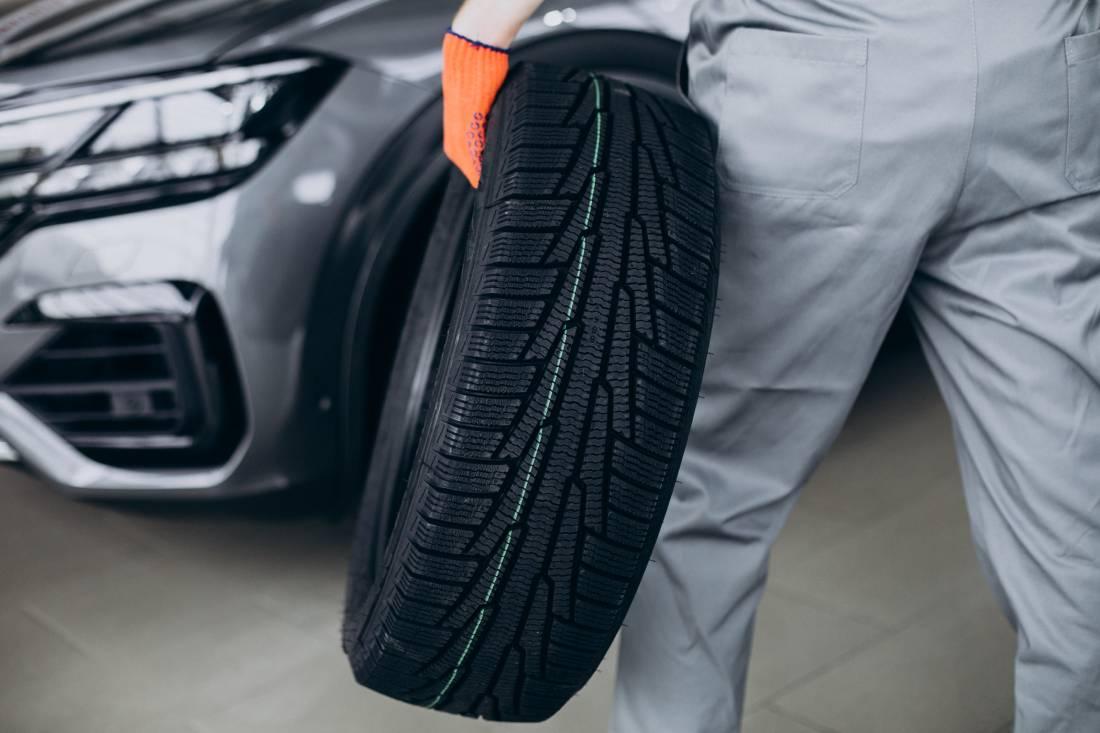
How Should Tires Be Selected for Front-Wheel Drive Vehicles?
Front tires on front-wheel drive vehicles wear out much faster because they are responsible for acceleration, braking, and steering. Therefore:
- The tread depth of the tires should be checked regularly.
- The front and rear tires should be rotated every 10,000 kilometers.
- Since the grip of the front tires is vital, even if the budget is limited, the two best tires should always be fitted to the front (however, experts recommend that all four tires be in similar condition).
What Are the Common Problems with Front-Wheel Drive Vehicles?
The most common problems in these vehicles are axle and CV joint (axle head) issues. A “clicking” sound when turning the steering wheel fully indicates that the axle head is worn. Additionally, torn axle boots can allow dust and sand to enter, causing the system to malfunction. Since the transmission and differential are integrated, transmission oil maintenance is also critically important for this system.
Are Front-Wheel Drive Vehicles Safe in Winter Conditions?
Yes, front-wheel drive vehicles have an advantage over rear-wheel drive vehicles on snow and ice. Since the weight of the engine is on the drive wheels, it is easier for the tires to “grip” the snow. While rear-wheel drive vehicles with empty trunks quickly lose traction in snow, front-wheel drive vehicles remain more stable thanks to the weight at the front. However, it should be noted that winter tires are the key factor in braking and cornering, not the drive system.

What Should Be Considered in Front-Wheel Drive Vehicle Maintenance?
The following points should not be overlooked during maintenance:
- Axle Boots: They should be checked for tears during every maintenance.
- Transaxle Oil: Transmission and differential oil should be changed according to the manufacturer's specifications.
- Front Alignment (Wheel Alignment): Since the front wheels carry the entire load, misalignment compromises driving safety and causes uneven tire wear.
- Shock Absorbers: Front shock absorbers carry the weight of the engine and can wear out faster than the rear ones.
Which Drivers Are Front-Wheel Drive Vehicles Suitable For?
Front-wheel drive vehicles are ideal for everyday users, new drivers, those who prioritize fuel economy, and those who prioritize city driving. They are the most logical choice for anyone seeking a predictable, easy-to-control, and low-cost driving experience. If you don't have an extreme passion for speed or need to carry heavy loads, a front-wheel drive vehicle will provide you with a comfortable lifestyle.