





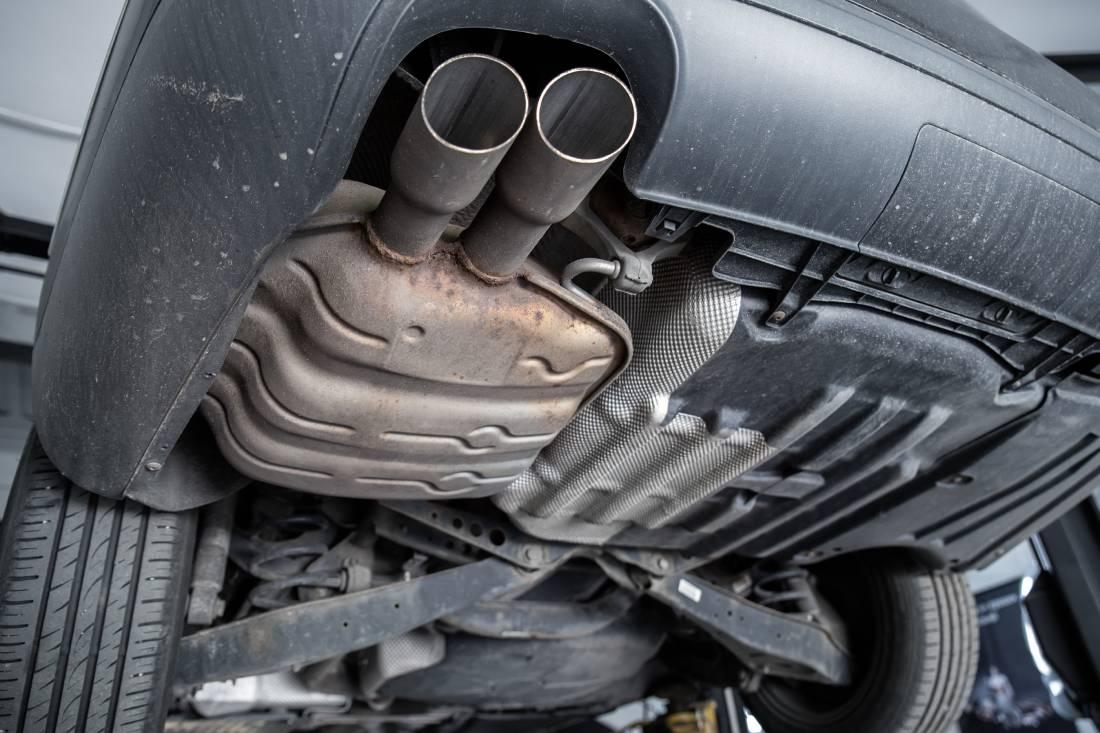
The catalytic converter is a critical emission control component located in the exhaust system of vehicles with internal combustion engines; it converts the toxic gases produced by the combustion process into less harmful compounds through chemical reactions before they are released into the atmosphere; If this component malfunctions, it is typically indicated by a check engine light on the dashboard, a strong, foul odor resembling rotten eggs or sulfur emanating from the exhaust, a noticeable loss of power in the vehicle’s performance, a sudden increase in fuel consumption, and abnormal rattling noises coming from the undercarriage. Understanding the operating principle of this system—which plays a leading role in preventing environmental pollution—and the factors that cause it to degrade over time is crucial for early diagnosis of potential issues and reducing repair costs.
What Is a Catalytic Converter?
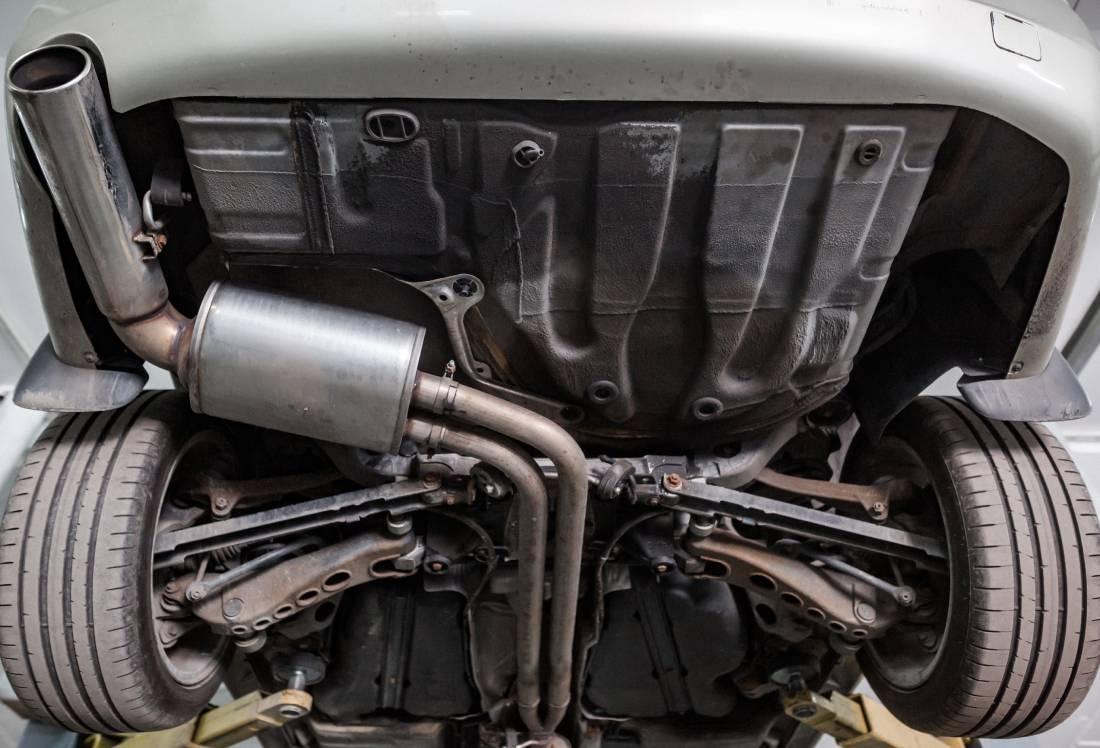
A catalytic converter is a mechanical filter that, when viewed from the outside, resembles an ordinary exhaust muffler but contains advanced technology within its internal structure. Positioned between the exhaust manifold and the muffler, this component features a durable outer casing typically made of stainless steel. Inside the outer casing lies a ceramic or metallic monolithic structure composed of thousands of small cells resembling a honeycomb. The surface of this honeycomb structure is coated with precious metals that accelerate chemical reactions.
Precious metals such as platinum, palladium, and rhodium used in the internal structure act as catalysts in the removal of harmful components from exhaust gases. As the exhaust gas passes through this honeycomb structure, it reaches very high temperatures and undergoes an immediate chemical transformation upon contact with these metals. Manufacturers opt for this complex honeycomb structure to maximize surface area, thereby ensuring greater contact between the gas and the metal.
What Does a Catalytic Converter Do?
The combustion process occurring in engine cylinders is never 100% efficient, resulting in the release of carbon monoxide, nitrogen oxides, and hydrocarbons—substances that are extremely harmful to the environment. The primary function of the catalytic converter is to capture these toxic gas molecules—which threaten human health and ecological balance—and convert them into less harmful gases using the high heat and precious metals within it. As a result of these reactions, carbon monoxide is converted into carbon dioxide, hydrocarbons into water vapor and carbon dioxide, and nitrogen oxides into pure nitrogen and oxygen.
This conversion process not only protects environmental health but also ensures compliance with emission standards for modern vehicles. Passing exhaust emission tests during mandatory vehicle inspections in our country and around the world depends on the flawless operation of this component. Driving on the road without a catalytic converter or with a hollowed-out converter is not only subject to legal penalties but also endangers public health by drastically increasing the amount of toxic gases released into the air.
What Causes Catalytic Converter Failure?
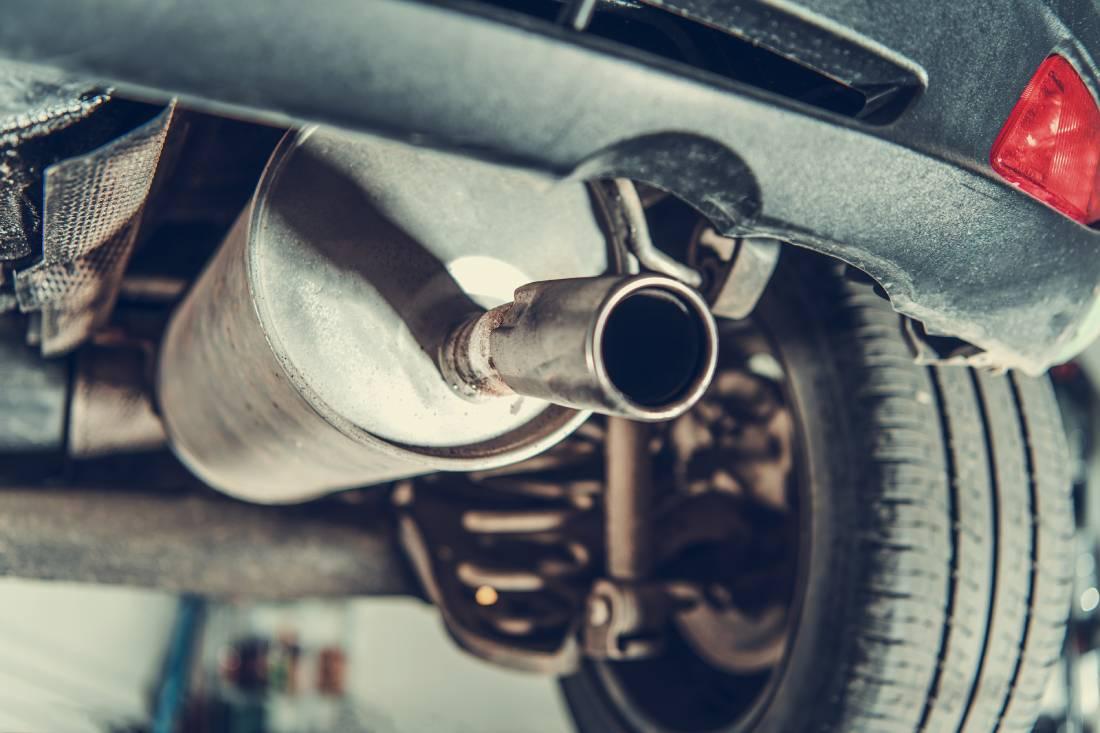
This emissions control device, which operates under extremely high temperatures and harsh conditions within a vehicle’s exhaust system, may lose its functionality over time due to environmental factors or malfunctions in internal engine components. In particular, malfunctions in the combustion chamber and the use of low-quality consumables pave the way for permanent and irreversible damage to the converter’s internal structure. Below are the primary factors leading to the premature failure of this critical component:
- The use of low-quality or non-standard fuel causes unburned fuel that cannot be fully combusted in the combustion chamber to reach the exhaust system, causing the delicate honeycomb structures inside the catalytic converter to overheat and melt.
- Engine oil particles mixed into the exhaust gas as a result of oil burning or piston ring leaks coat the converter’s filtration surfaces with a thick layer, completely preventing the chemical reaction from occurring.
- Faulty spark plugs or ignition coils in the ignition system cause the fuel to ignite within the exhaust system instead of the cylinder, leading to the ceramic structure of the device cracking under severe pressure.
- Leakage of engine coolant into the combustion chamber and its expulsion through the exhaust due to damage to the cylinder head gasket causes the converter cells to become irreversibly clogged.
- If the underside of the vehicle strikes hard obstacles such as speed bumps, potholes, or rocks while driving, it can cause the outer metal casing to deform and the fragile ceramic body inside to shatter.
All these internal and external factors disrupt the proper functioning of the engine system, significantly shortening the lifespan of the catalytic converter—the heart of the emission control system.
How Can You Tell If the Catalytic Converter Is Faulty?
A blockage, melting, or physical damage in your vehicle’s exhaust emission system manifests itself through a wide range of symptoms that directly affect driving comfort and engine health. For drivers to recognize these warning signs early and interpret them correctly is the most important step to prevent the problem from spreading to other engine components and increasing repair costs.
The Check Engine Light Coming On
Modern vehicles are equipped with oxygen sensors (lambda sensors) that continuously measure the oxygen levels in the gases entering and exiting the exhaust system. Located at the inlet and outlet of the catalytic converter, these sensors instantly transmit the efficiency of the chemical reaction inside to the engine control unit.
When the catalytic converter becomes clogged or its cells degrade and lose their function, the sensors cannot read the expected emission values and send an error signal to the engine control unit. In this case, the yellow engine malfunction indicator light on the instrument panel illuminates. When connected to a diagnostic tool, error codes such as “Catalytic Converter System Efficiency Below Threshold” are typically read to confirm the diagnosis.
Bad Odor from the Exhaust
The fuel used in internal combustion engines contains trace amounts of sulfur, and under normal conditions, the catalytic converter converts this sulfur into odorless sulfur dioxide gas. However, when the device malfunctions, this chemical conversion process stops or is incomplete.
As a result of this failure to convert, hydrogen sulfide gas is directly expelled through the exhaust. This gas has a very sharp and unpleasant odor, commonly described by the public as the smell of rotten eggs or strong sulfur. This odor can even penetrate into the vehicle’s interior, especially when the vehicle is idling or the engine is warm.
Increased Fuel Consumption and Loss of Performance
When exhaust gases cannot be expelled from the engine smoothly, it causes backpressure to build up in the system. When the catalytic converter becomes clogged, the engine has to expend much more energy to push the exhaust gases out, effectively causing the engine to choke.
As a result of the engine being unable to breathe freely, the vehicle’s throttle response weakens, and the car becomes sluggish when climbing hills or during sudden acceleration. Since more pressure on the gas pedal is required to reach the desired speed, the engine control unit pumps more fuel into the cylinders. This vicious cycle leads to a dramatic drop in performance and a significant increase in fuel consumption.
Abnormal Noises from the Exhaust
The ceramic monolith inside the catalytic converter is highly fragile and can crack and break into pieces due to physical impact or overheating. These broken ceramic pieces begin to move freely inside the outer steel casing.
While the vehicle is idling, especially when the engine is cold or when the accelerator is pressed, clinking or rattling sounds resembling a tin can being struck can be heard from the underside of the vehicle. These mechanical sounds are the most definitive physical evidence that the ceramic structure has completely disintegrated and the device must be replaced with a new one.
Ways to Extend the Life of a Catalytic Converter
Maximizing the service life of this valuable and costly component of the exhaust emission system in accordance with factory specifications is directly linked to regular vehicle maintenance and responsible driving habits. Having periodic maintenance performed on time and addressing minor engine issues before they escalate are the most important steps to ensure the system operates properly.
- Engine oil, oil filter, and air filter changes must be performed in full at the mileage or annual intervals specified by the manufacturer.
- Using high-quality fuel from known and reliable gas stations improves combustion efficiency and prevents the buildup of deposits in the exhaust system.
- When the lifespan of the spark plugs—which control the engine’s ignition system—the ignition coil, and the oxygen sensors that regulate the air-fuel mixture expires, they must be replaced with original parts.
- Reducing speed on rough roads while driving and taking care to prevent the vehicle’s undercarriage from sustaining impacts helps prevent mechanical failures.
In summary, the catalytic converter is a vital component that neutralizes the toxic gases emitted by vehicles, keeps exhaust emissions within legal standards, and directly supports the engine’s optimal performance. If this component malfunctions, resulting in unpleasant odors, noticeable performance losses, and warning lights on the dashboard, these issues should be taken seriously, and a professional service should be consulted; maintaining regular periodic maintenance habits helps protect both the vehicle’s health and your budget.