




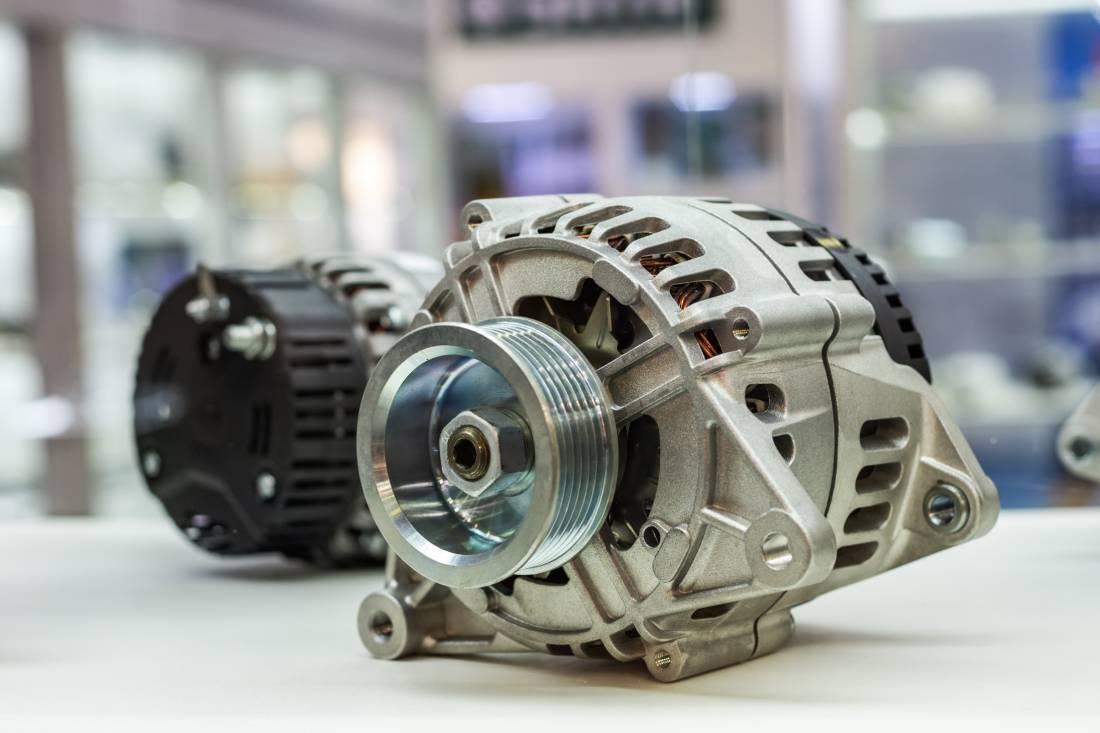
The alternator is a vital engine component that converts mechanical energy into electrical energy while the vehicle’s engine is running, thereby both charging the battery and providing the uninterrupted power required by all of the vehicle’s electrical systems; If this component fails, the system cannot produce sufficient electricity, causing the battery warning light on the instrument panel to illuminate, noticeable fluctuations or dimming in headlight brightness, difficulty starting the vehicle in the morning, and the driver may detect grinding noises from under the hood or the smell of burning due to overheating, signaling the malfunction.
What Is an Alternator and What Does It Do?
The alternator, which serves as the continuous power generation center for cars and many commercial vehicles with internal combustion engines, forms the heart of the vehicle’s energy cycle. By converting the mechanical power derived from the engine’s rotational force into electrical current, it ensures the system operates smoothly while the vehicle is in motion. It not only meets the vehicle’s immediate energy needs but also maintains the battery’s charge level at an optimal level for use by the ignition and other electronic systems when the engine is off.
How an Alternator Works
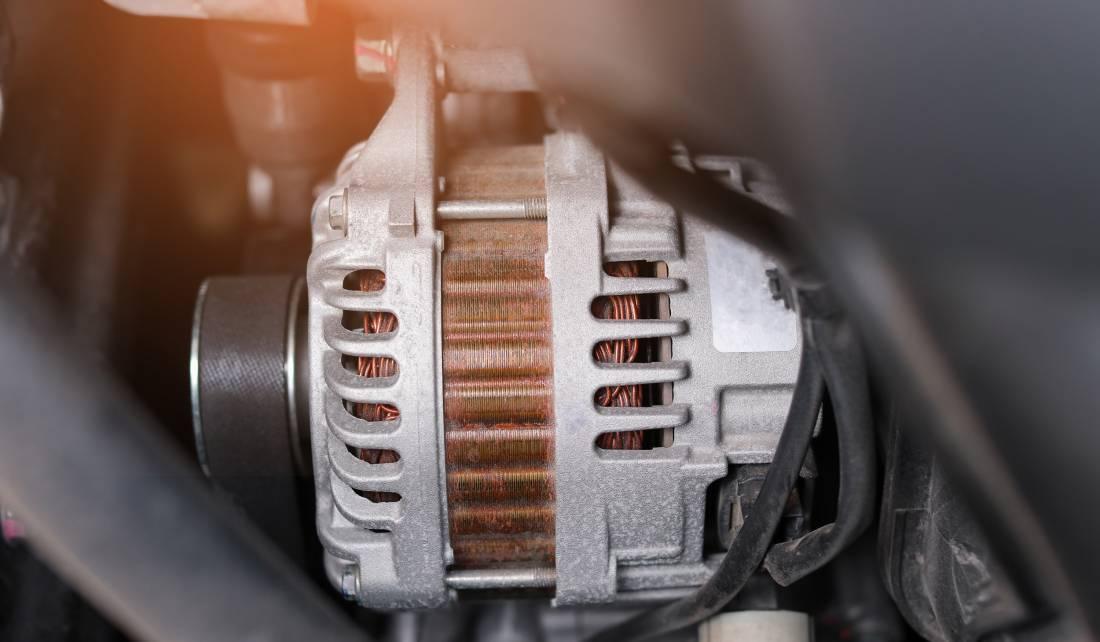
In modern vehicles, electricity generation is based on the fundamental principle of electromagnetic induction. As soon as the engine starts, the rotational motion of the crankshaft is transmitted to the alternator’s pulley via a belt. When the pulley begins to rotate, the magnetic components inside the alternator move at high speed, creating a strong magnetic field. As this magnetic field rotates around the stationary wire windings, it generates electrical energy known as alternating current (AC).
This generated alternating current cannot be used directly by the vehicle’s systems because the electronic components and battery in automobiles are designed to operate on direct current. At this point, special electronic circuits within the device come into play, converting the fluctuating current into direct current that flows in a steady line. Since the conversion process occurs extremely quickly and continuously, the electrical current flows without interruption as long as the vehicle is in motion.
Because the engine speed fluctuates constantly during the power generation process, maintaining a stable voltage is of great importance. The power generated differs depending on whether the vehicle is idling or traveling at high speeds on a highway. Thanks to the stabilizing components integrated into the system, the voltage output is limited to a specific level, preventing the vehicle’s sensitive electronic control units, sensors, or lighting systems from being damaged by high current.
Basic Components of the Alternator
For the alternator to generate electricity smoothly, it relies on several key mechanisms that work in perfect harmony. Each of these mechanisms plays a critical role in the processes of converting mechanical motion into electricity and adapting it for use by the vehicle’s systems.
- It contains a coil assembly that rotates around its own axis using the motion it receives from the engine’s crankshaft, thereby generating an electromagnetic field.
- Thanks to its housing structure—which surrounds the rotating part and features fixed copper windings—it generates alternating current under the influence of a varying magnetic field.
- It converts the generated alternating current into direct current that the vehicle’s electrical systems and battery can use directly, and transmits it to the system.
- By stabilizing the voltage—which tends to rise rapidly as engine speed increases—within specific limits, it prevents electronic components from burning out due to high current.
- To prevent the system from overheating under continuous and intense operating conditions, it provides cooling by creating airflow through fins integrated into the housing.
When all these components operate smoothly, stably, and in perfect synchronization, your vehicle’s energy needs are reliably met even under the most demanding driving conditions.
How to Identify an Alternator Failure?
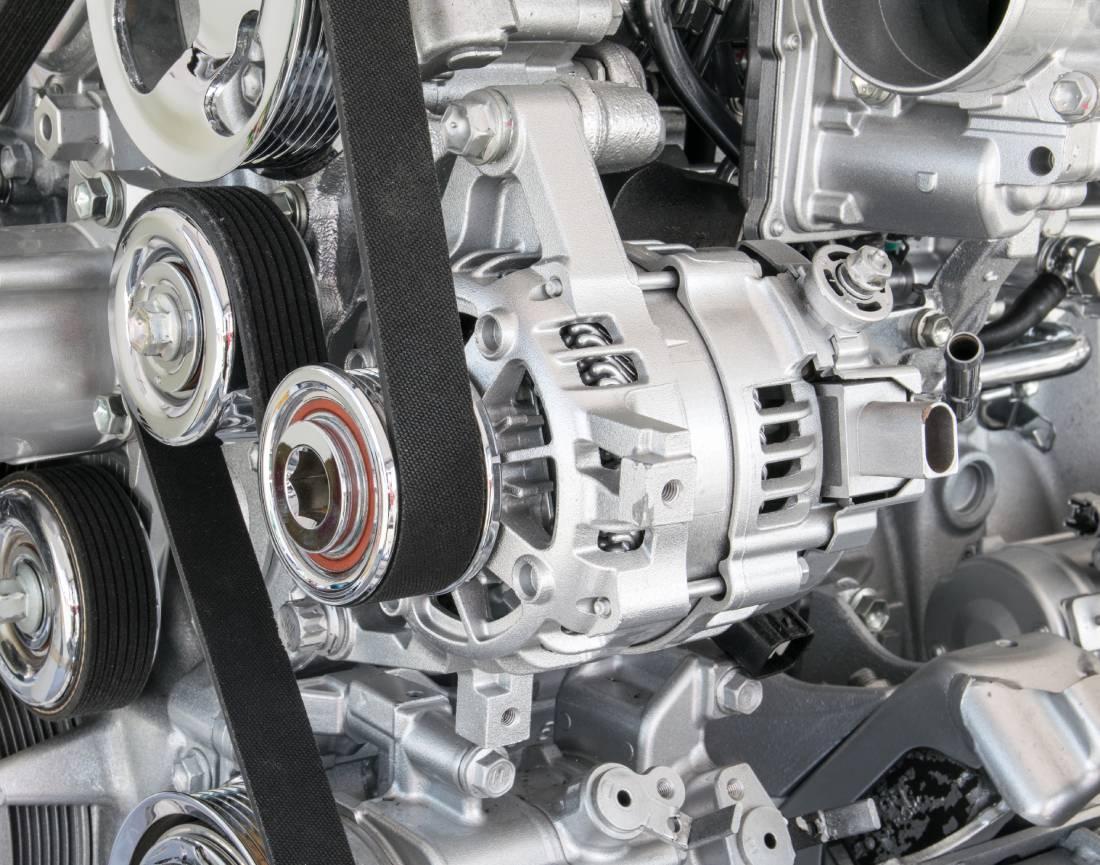
When a vehicle’s electrical system begins to fail—whether gradually or suddenly—it alerts the driver in advance through various warning signs, indicating that the system is about to fail and that there is a risk of being stranded on the road. The issue may stem from physical mechanical wear and tear, or it could result from a small electronic circuit inside the unit malfunctioning. Detecting the malfunction early on is critically important to prevent permanent damage to the vehicle’s other expensive electronic components or the battery itself.
The Warning Light Illuminating
The red warning light shaped like a battery on the instrument panel is a warning that drivers encounter most frequently and often misinterpret as a direct battery failure. In reality, this light illuminates as a result of the computer continuously monitoring the system’s voltage output. When the vehicle’s computer detects that the voltage from the electrical generation system has dropped below a certain limit or, conversely, has risen excessively, it activates this warning light to alert the driver.
The warning light may stay on constantly, or it may flash only when driving at high speeds or when energy-intensive features like the air conditioner are turned on along with the radio. This indicates that the alternator is struggling and can no longer handle the vehicle’s entire load on its own. When the system’s capacity becomes insufficient, the vehicle begins to temporarily draw on the stored energy in the battery, and the warning light remains on.
Flickering and Dimming of Headlights
One of the clearest and most visible signs of a weakening in the electrical generation unit is a loss of power in the vehicle’s lighting system. During night driving, a shorter headlight beam range, reduced light intensity, or the dashboard lights suddenly dimming and then brightening again indicate an irregularity in the electrical current. In particular, the headlights becoming brighter when the accelerator is pressed and then dimming again when the vehicle returns to idle is a very typical sign of a malfunction.
In modern cars, electric power steering, heated seats, and advanced audio systems draw significant amounts of electrical current. Fluctuations in the headlights typically become much more noticeable when heavy electronic loads are activated. If this insufficient electrical flow persists for a long time, the lifespan of the headlight bulbs may be shortened, or the lighting relays may be damaged.
Battery Problems and Difficult Starting
When the alternator fails to function properly, the entire load required to turn the engine and power the electrical components falls on the battery. Car batteries are designed to provide high current only during the initial startup; they are not suitable for providing long-term, uninterrupted power. Therefore, when the engine stops, the battery drains completely in a very short time and dies.
Drivers often encounter a faint clicking sound from the starter motor when they get into their vehicles in the morning or when they stop the car briefly and try to restart it. If your battery frequently discharges even though it is new, and you have to jump-start the vehicle using jumper cables, the problem lies not in the battery itself but in the electrical generation system responsible for charging it.
Unusual Noises and a Burning Smell
Physical wear and tear or overheating in this unit, which performs mechanical conversion and operates at very high RPMs, gives rise to certain symptoms that are easily detectable by the senses. Drivers paying attention to unusual noises coming from under the hood or through the vehicle’s ventilation grilles, as well as unusual odors, plays a major role in identifying the source of the problem before getting stranded on the road.
- A worn-out, loose, or nearly broken drive belt emits a constant, annoying squealing or whistling sound while the engine is running, especially in cold weather.
- If the bearings that facilitate rotational movement within the unit deteriorate over time or become rusted and worn, a humming or grinding sound resembling metal-on-metal friction is heard, which increases as the RPM rises.
- Overloading the windings that generate electricity, causing the insulation materials to melt and forcing the unit to operate continuously at maximum capacity, results in a sharp, burning-cable-like odor emanating from the ventilation ducts.
- Due to the drive belt slipping on the pulley and overheating from friction, a heavy, distinct burning odor resembling burning rubber or melting plastic is produced.
If such sounds or odors are detected while driving, it is critical to immediately pull the vehicle over to a safe location and shut off the engine to prevent a potential electrical short-circuit fire or damage to other engine components caused by a broken belt.
What to Do to Extend the Life of Your Alternator
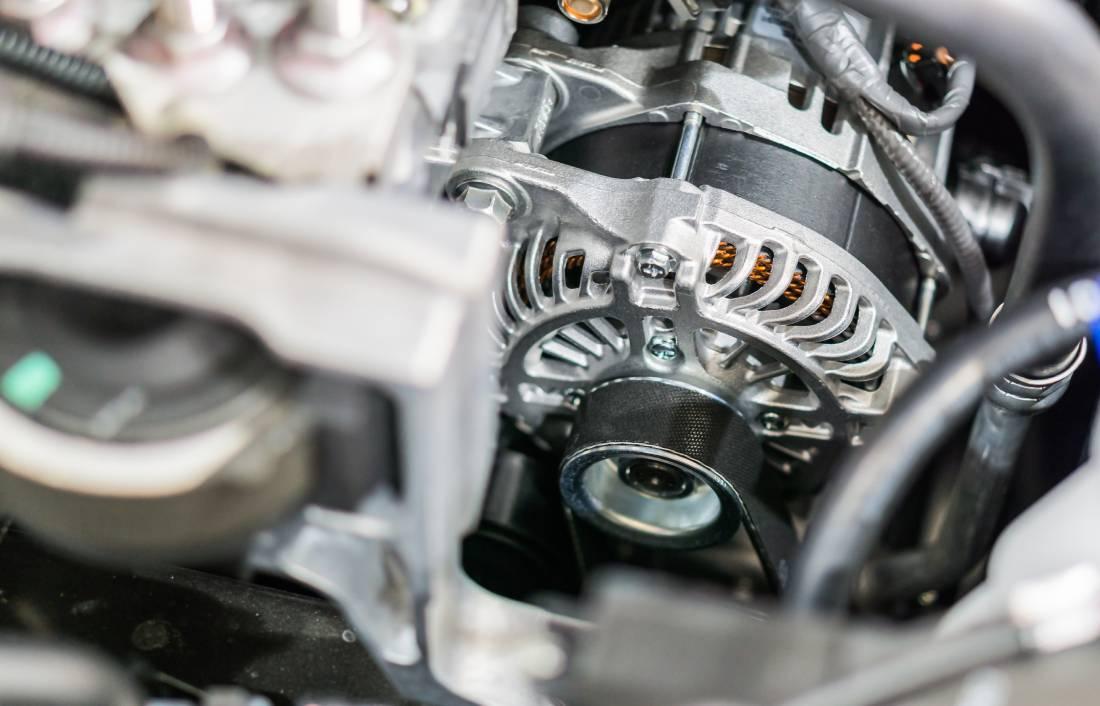
Extending the life of the vehicle’s electrical system—one of the most heavily used and stressed components—is possible with regular and proper maintenance. The first and most important step is to periodically inspect the belt that transmits motion from the engine. If the belt has cracks, is frayed, or is less taut than it should be, it must be replaced immediately. A loose belt prevents the system from rotating at full speed, leading to insufficient power generation and overheating.
Another important point to note is that high-power-consuming aftermarket electronic accessories should not be added to the system beyond the vehicle’s original factory specifications. Massive sound systems, non-standard off-road lighting, or powerful inverters that draw energy far exceeding the standard capacity cause the system to operate constantly at its limits, resulting in internal components melting and burning out in a very short time. If such equipment is to be added to the vehicle, this unit must also be upgraded to a model with a higher amperage.
In addition, while cleaning the motor, care must be taken to avoid direct contact between the windings and electronic components and water or lubricating chemicals. If oil, power steering fluid, or antifreeze leaks in the engine compartment drip directly onto the unit, these fluids will cause rapid deterioration of the internal carbon brushes, bearings, and conductive windings. Keeping the engine compartment clean and free of leaks will significantly extend the life of this critical component.
In summary, if the engine is the heart of your vehicle, the alternator is the primary source of the nervous system that supplies it with energy. Understanding the operating principle of this component—which converts mechanical energy into electricity with high efficiency—and correctly interpreting the early warning signs when it begins to fail provides drivers with significant savings in both time and money. A well-maintained electrical generation unit—supported by a healthy battery and protected from overloading—will ensure your vehicle remains on the road trouble-free for years to come.