





The oxygen sensor (lambda sensor) is a critical electronic component located in the exhaust system of vehicles with internal combustion engines; it measures the amount of unburned oxygen in the exhaust gases exiting the engine and reports this data to the engine control unit (ECU). When this component, which ensures vehicles operate with an ideal air-fuel mixture, malfunctions, it leads to significant issues such as a sharp increase in fuel consumption, a noticeable drop in engine performance, fluctuations at idle, and the smell of raw fuel coming from the exhaust. To ensure your vehicle does not harm the environment or strain your budget, it is crucial to correctly understand the operational dynamics of this small yet vital component and interpret the signals it sends when a malfunction occurs.
What Is an Oxygen Sensor?
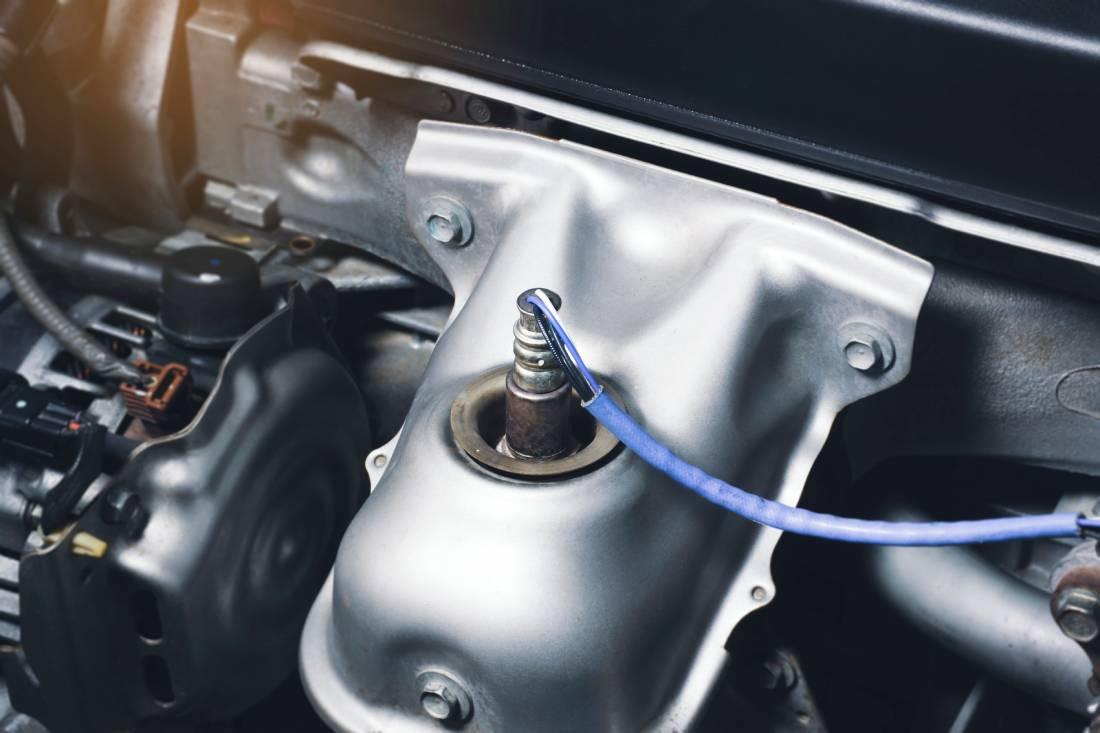
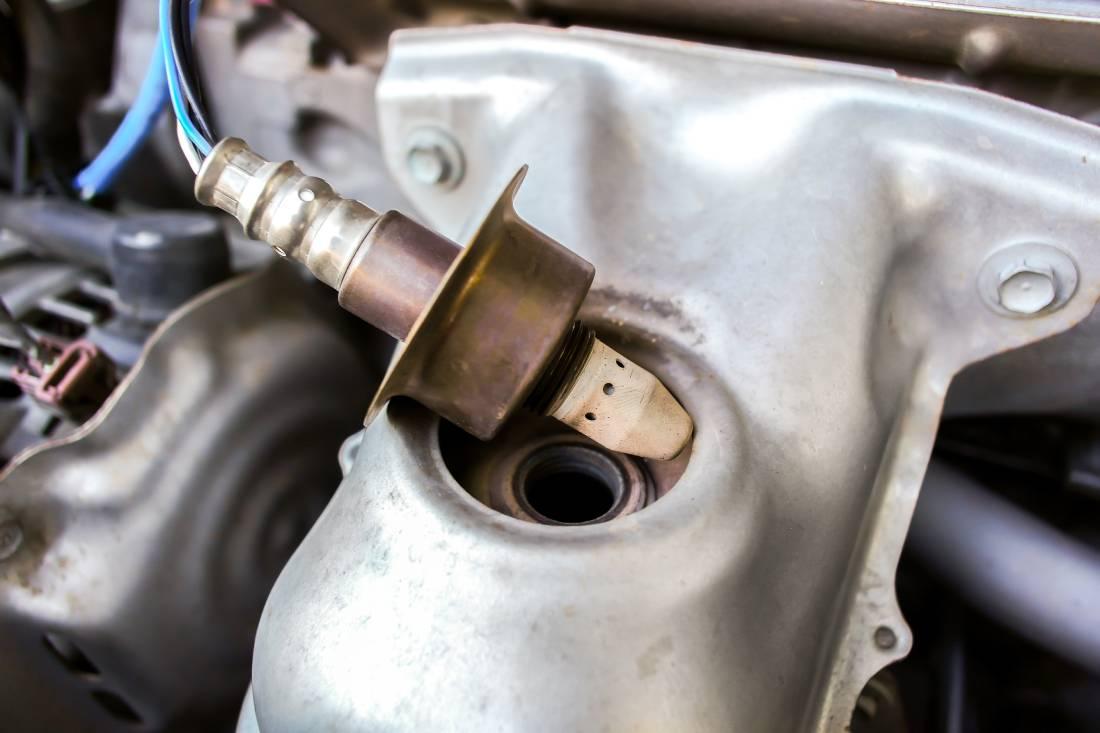
The oxygen sensor, commonly known in the automotive industry as the lambda sensor, is a critical electrochemical measuring device that forms the backbone of modern engine management systems. Mounted on the exhaust manifold or immediately before and after the catalytic converter, these sensors continuously analyze the efficiency of the combustion process occurring in the engine. Structurally, these components are typically manufactured from specialized ceramic materials such as zirconium dioxide or titanium dioxide and are designed to withstand extremely high temperatures. While the sensor’s outer surface is directly exposed to hot exhaust gases, its inner portion is in contact with the clean air from outside. The difference in oxygen levels between the two sides generates an electrical voltage on the sensor, enabling highly precise measurements.
These real-time measurement values are converted into electrical signals and transmitted to the engine control unit, often referred to as the vehicle’s “brain.” The engine control unit uses this incoming data to recalculate and adjust the amount of fuel to be sent to the cylinders in extremely short intervals—as brief as one-tenth of a second. This ensures that the engine always operates under optimal conditions. In many modern vehicles today, at least two oxygen sensors are installed in the exhaust system to meet increasingly stringent emission standards.
What Does an Oxygen Sensor Do?
The primary function of an oxygen sensor is to balance the vehicle’s engine performance, optimize fuel consumption, and minimize harmful gas emissions. It plays a critical role in two key functions, enabling the engine to adapt instantly to varying speeds, loads, and environmental conditions.
Regulation of the Fuel-Air Mixture
For internal combustion engines to operate at maximum efficiency and with minimal vibration, a mixture of 14.7 parts air to 1 part fuel—known technically as the ideal stoichiometric ratio—must be achieved. The oxygen sensor continuously monitors the level of unburned oxygen in the exhaust gas to determine whether the mixture in the cylinders is rich (more fuel than air) or lean (more air than fuel). Based on this data, the engine control unit adjusts the duration that the injectors remain open, instantly reducing or increasing the fuel injection volume.
Thanks to this continuous feedback loop, your vehicle is fueled to deliver optimal engine performance at any speed, air temperature, or altitude. Accurate measurements by the sensor ensure the engine produces the exact energy it needs while directly preventing unnecessary fuel consumption, thereby significantly contributing to fuel economy.
Emissions Control and Environmental Protection
Another vital function of oxygen sensors is to ensure that toxic gases released into the environment as a result of fuel combustion in the engine are kept under control. When the combustion process does not occur at the ideal air-fuel ratio, the exhaust emits high levels of components such as carbon monoxide, hydrocarbons, and nitrogen oxides, which are extremely harmful to both human health and the ecosystem. When the mixture is balanced using sensor data, combustion occurs fully, and the formation of these toxic gases is minimized while they are still inside the cylinder.
Additionally, the second oxygen sensor located after the catalytic converter monitors how effectively the converter is functioning. When the converter’s capacity to filter and convert these harmful gases decreases, the second sensor detects this issue and activates the engine malfunction light on the dashboard, thereby preventing an environmental hazard from escalating. This ensures that vehicles remain within legal emission limits.
Common Causes of Oxygen Sensor Failure
Since oxygen sensors in vehicles are constantly exposed to extreme temperatures of hundreds of degrees, vibrations, and various chemical gases, they can wear out physically over time and lose their functionality. The quality of the fuel used, the internal condition of the engine, and external environmental factors typically play a role in the failure of this sensitive electronic component.
- Using low-quality fuel or fuel with high additive content that does not meet legal standards causes a thick layer of soot to build up on the sensor’s sensing tip, completely compromising measurement accuracy.
- Microscopic oil particles that mix with the exhaust gas as a result of engine oil leaking into the combustion chamber from the piston rings or valve seals clog the fine pores that allow air to pass through the sensor.
- If engine coolant enters the exhaust system due to a small leak in the cylinder head gasket, the silicate components in the fluid can damage the sensor’s chemical structure.
- Severe impacts from the underside of the vehicle, rapid passage over speed bumps, or intense engine vibrations can cause melting in the sensor’s outer cable and breaks in the internal electrical connections.
- Since the ceramic materials that make up the sensor have a natural service life, parts that operate for thousands of hours over very long distances naturally lose their response time and measurement accuracy.
To prevent such external and internal factors, paying attention to the vehicle’s periodic maintenance is of great importance for the oxygen sensor to function for a much longer and healthier lifespan.
What Are the Signs of an Oxygen Sensor Malfunction?
When the oxygen sensor fails to function properly, a series of noticeable and bothersome problems begin to arise because the engine control unit cannot detect the actual conditions in the cylinders. Some key differences you’ll notice in your vehicle’s driving dynamics, the engine’s operating noise, and especially in fuel consumption data are the clearest indicators of this malfunction.
- Even though your usual driving route and habits remain unchanged, your vehicle begins to consume fuel at much higher rates than before.
- While the vehicle is idling or waiting in traffic, the engine RPM fluctuates erratically, and the engine runs roughly.
- Especially during mid-range acceleration and when climbing hills, a noticeable stuttering is felt in the engine, or the vehicle delays in responding to the accelerator despite being pressed.
- The yellow engine warning light on the instrument panel remains constantly lit or flashes at certain RPMs to warn the driver of a potential hazard.
- Due to unburned fuel being expelled from the exhaust system, a sharp, unpleasant odor resembling rotten eggs or sulfur emanates from the rear of the vehicle.
- The vehicle fails the exhaust emission tests during periodic inspections due to toxic gas emission levels exceeding the limits and is classified as having a major defect.
- In cold weather, starting the engine in the morning becomes difficult, and the engine tends to stall on its own until it is fully warmed up.
Recognizing these symptoms early on and taking them seriously is the first step in preventing irreversible damage to other costly engine components, such as the catalytic converter.
What to Do in Case of an Oxygen Sensor Malfunction
If you suspect symptoms indicating an oxygen sensor failure while driving, you must initiate the professional repair process to prevent the issue from leading to more significant mechanical damage. Accurate diagnosis and thorough repair steps will ensure your vehicle quickly returns to its former optimal performance.
Diagnosis and Use of Diagnostic Tools
Sudden drops in performance, misfiring issues, or excessive increases in fuel consumption in vehicles may not always be solely caused by the oxygen sensor; a faulty ignition coil or spark plug can also cause similar problems. For this reason, the use of professional diagnostic computers known as OBD-II is a technical necessity to identify the root cause of the malfunction beyond any doubt. These devices, which connect to the vehicle’s electronic port, read the error codes recorded by the engine control unit and display on the screen exactly which sensor is causing the problem.
The error codes displayed on the diagnostic screen directly indicate whether the sensor is providing low voltage, detecting an overly rich fuel mixture, or if no communication signal is being received from the sensor. Thanks to this precise diagnostic and error-coding method, unnecessary part replacements based on trial and error are prevented. The fault diagnosis process can be safely completed in a short time at specialized service centers or private repair shops equipped with the necessary tools, without any physical intervention on the vehicle.
Sensor Cleaning and Part Replacement
After performing a computerized diagnostic check, the faulty sensor is removed and its physical condition is thoroughly inspected. This helps determine whether the issue is caused by a temporary blockage due to contamination or by hardware damage. If the sensor’s pores are clogged only by superficial carbon deposits caused by low-quality fuel, a careful surface cleaning using special chemical sprays and carbon removers can restore the part to working condition. However, since a sensor with a cracked internal ceramic structure or a malfunctioning heating element cannot be repaired through cleaning, it must be replaced with a new one.
When performing the mechanical replacement, selecting a high-quality oxygen sensor from a reliable brand that is a direct fit for the vehicle and fully meets manufacturer standards is crucial for compatibility. Using a sensor with an incompatible socket design or a low-quality aftermarket part will result in the engine control unit receiving erroneous data again in a very short time. After the new part is installed in its place in the exhaust system, the old error codes in the system’s memory are completely erased using a diagnostic tool, and the vehicle is tested on the road to confirm that it communicates seamlessly with the new sensor.
Maintenance and Service Life of the Oxygen Sensor
Automobile manufacturers estimate an average service life for oxygen sensors to ensure they continue to operate with the same measurement accuracy as when new. While older-generation sensors typically require replacement between 50,000 and 80,000 kilometers, the new-generation heated sensors used in today’s modern vehicles can continue to function reliably for up to 160,000 kilometers. However, since these extended service life estimates are based entirely on factory data, the driver’s driving style and maintenance habits directly impact the sensor’s lifespan. Neglected engine maintenance, air filters left unchanged for extended periods, and the use of low-quality oil can lead to premature sensor failure.
The oxygen sensor is a hidden technological hero that ensures a healthy intake and exhaust of air in an internal combustion engine, helps protect your budget, and defends the environment by filtering out toxic gases released into the air. Understanding the function of this critical component—which operates in an out-of-sight location under the car—being able to interpret the symptoms it exhibits when malfunctioning, and taking swift action for repairs when a failure occurs provides a significant advantage to vehicle owners. Ultimately, the smooth and stable operation of the oxygen sensor on your vehicle translates to lower fuel costs, uninterrupted driving comfort, and a much more environmentally friendly, clean driving experience.