





The oil pressure sensor is a vital electromechanical sensor that continuously measures the oil pressure in the vehicle’s engine and transmits the data it collects to the engine control unit or directly to the instrument panel. To prevent wear caused by friction in the moving metal parts inside the engine, engine oil must circulate at a specific pressure level within the system, and the oil pressure sensor monitors whether this pressure is at the ideal level. When oil pressure drops below the engine’s safe operating limits, it immediately alerts the driver, preventing the engine from sustaining irreversible major damage.
What Is an Oil Pressure Sensor?
When vehicle engines operate at high RPMs, they require a continuous lubrication system to prevent direct contact between internal metal parts and minimize the coefficient of friction. The oil pressure sensor is a small sensor typically mounted near the oil filter on the engine block that detects the hydraulic pressure supplied by the engine oil pump. Its primary function is to detect the level of fluid pressure in the system and convert this physical condition into a mechanical or electronic signal.
The sensor typically contains a pressure-sensitive diaphragm or a spring-loaded mechanism. When engine oil exerts pressure on this diaphragm, the internal electrical circuit opens or closes depending on the oil pressure level. When the pressure level drops below the safe range specified by the manufacturer, the sensor immediately detects this and sends a visual warning to the driver by illuminating the oil warning light on the instrument panel. In newer vehicles, this sensor not only illuminates the light but also digitally transmits real-time pressure data to the vehicle’s computer (ECU).
What Does the Oil Pressure Sensor Do?
For the engine to operate healthily, quietly, and with a long service life, oil must reach all moving parts at sufficient speed and pressure. The oil pressure sensor acts as the constant guardian of this vital circulation system, safeguarding engine health. Directly integrated with the engine control unit, this component continuously monitors oil pressure to detect any blockages, leaks, sump damage, or oil pump failures in the system.
A timely warning in the event of a drop in pressure prevents major failures—such as engine bearing seizure, piston melting, or complete engine seizure—which are extremely costly to repair. Thanks to the oil pressure sensor activating in time, the driver can safely stop the vehicle before the engine runs completely dry of oil or water and suffers physical damage. Therefore, this small component serves as one of the most important shields protecting the heart of your vehicle.
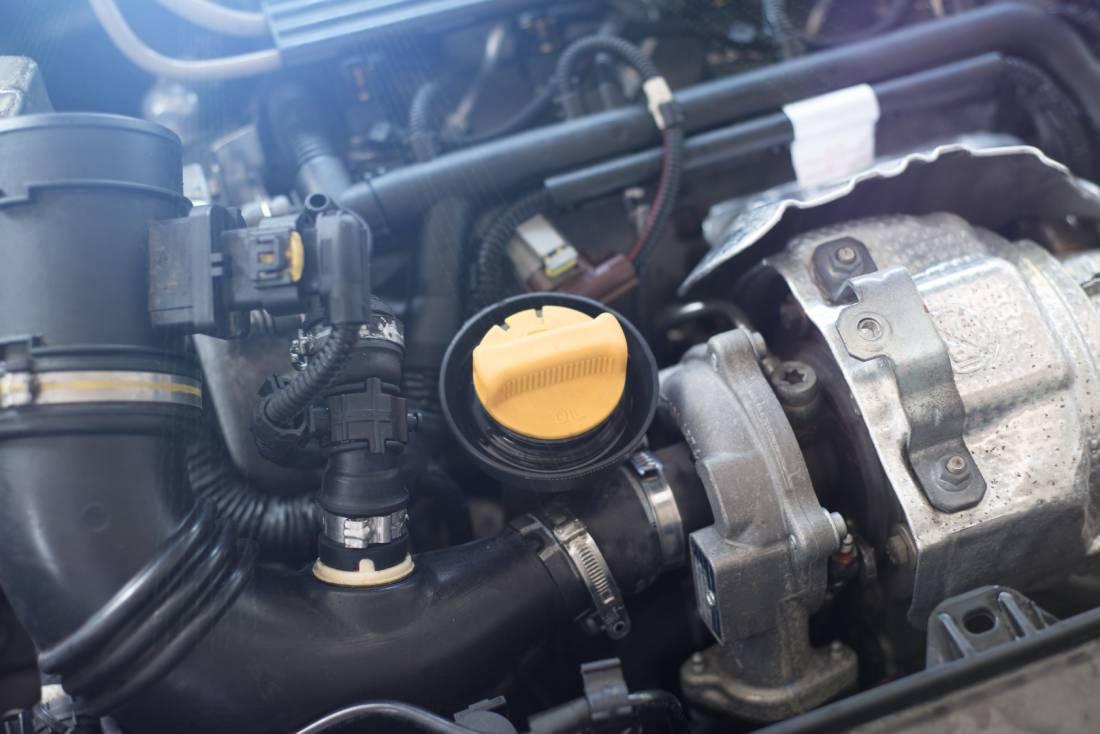
How to Identify an Oil Pressure Sensor Malfunction?
When the oil pressure sensor malfunctions in a vehicle, the system cannot provide accurate pressure readings and signals this issue to the driver through various symptoms. Correctly interpreting these symptoms is crucial to preventing the engine from sustaining permanent and costly damage. Situations where oil pressure is insufficient directly affect driving quality and the engine’s overall response, making them easily noticeable.
The Oil Warning Light Illuminating
The red oil can icon on the instrument panel is the most common and obvious indicator of an oil pressure sensor failure. If the system cannot measure correctly or if there is an actual loss of pressure, the light alerts the driver.
- If the oil light stays on while the engine is running or flashes irregularly while driving, the sensor may be sending an incorrect signal.
- If the oil light comes on when the vehicle is idling and goes off when you press the accelerator, it means the sensor is unable to correctly detect the low pressure during idling.
- If there are no issues when the engine is cold but the light comes on once it warms up, the sensor’s internal mechanism may have failed due to heat.
When such warnings occur, determining whether the issue stems from a genuinely dangerous drop in pressure or simply a faulty sensor that’s providing inaccurate readings is critical for engine health.
Abnormal Noises from the Engine
If the oil pressure sensor is faulty and fails to alert the driver to low oil pressure, engine components will run dry and begin to produce sounds that are significantly different and more disturbing than normal. This condition, resulting from insufficient lubrication, is the clearest indication that metal is rubbing against metal and mechanical wear has begun.
- Rhythmic, metallic clicking noises begin to emanate from the upper part of the engine, particularly from the cylinder head area where the valves and tappets are located.
- When the accelerator pedal is pressed and the RPM increases, knocking-like sounds—deeper, more intense, and louder—can be heard from the lower part of the engine block.
- The engine’s overall operating noise becomes louder than normal, and the vibration becomes rough and noticeable inside the cabin.
- Since these types of sounds indicate that friction has reached dangerous levels, it is critical to immediately pull the vehicle over to a safe location and shut it off as soon as they are heard.
Loss of Performance and Overheating
If the lubrication system fails to function properly or runs dry due to incorrect pressure readings, it not only causes noise but also directly and negatively impacts the engine’s overall performance. Moving parts that cannot operate properly lead to significant losses in the vehicle’s driving dynamics and increased heat generation.
- Due to the rapid increase in internal engine friction, the vehicle struggles to accelerate, and throttle response weakens, resulting in reduced traction.
- Because the oil cannot fully perform its cooling function on internal engine components and due to increased friction, the engine temperature gauge rises above normal limits.
- While the vehicle is idling or stopped at traffic lights, fluctuations occur on the tachometer, and the engine tends to stall on its own.
If these symptoms—including low oil pressure warnings, performance issues, and overheating—are observed, professional technical assistance should be sought immediately.
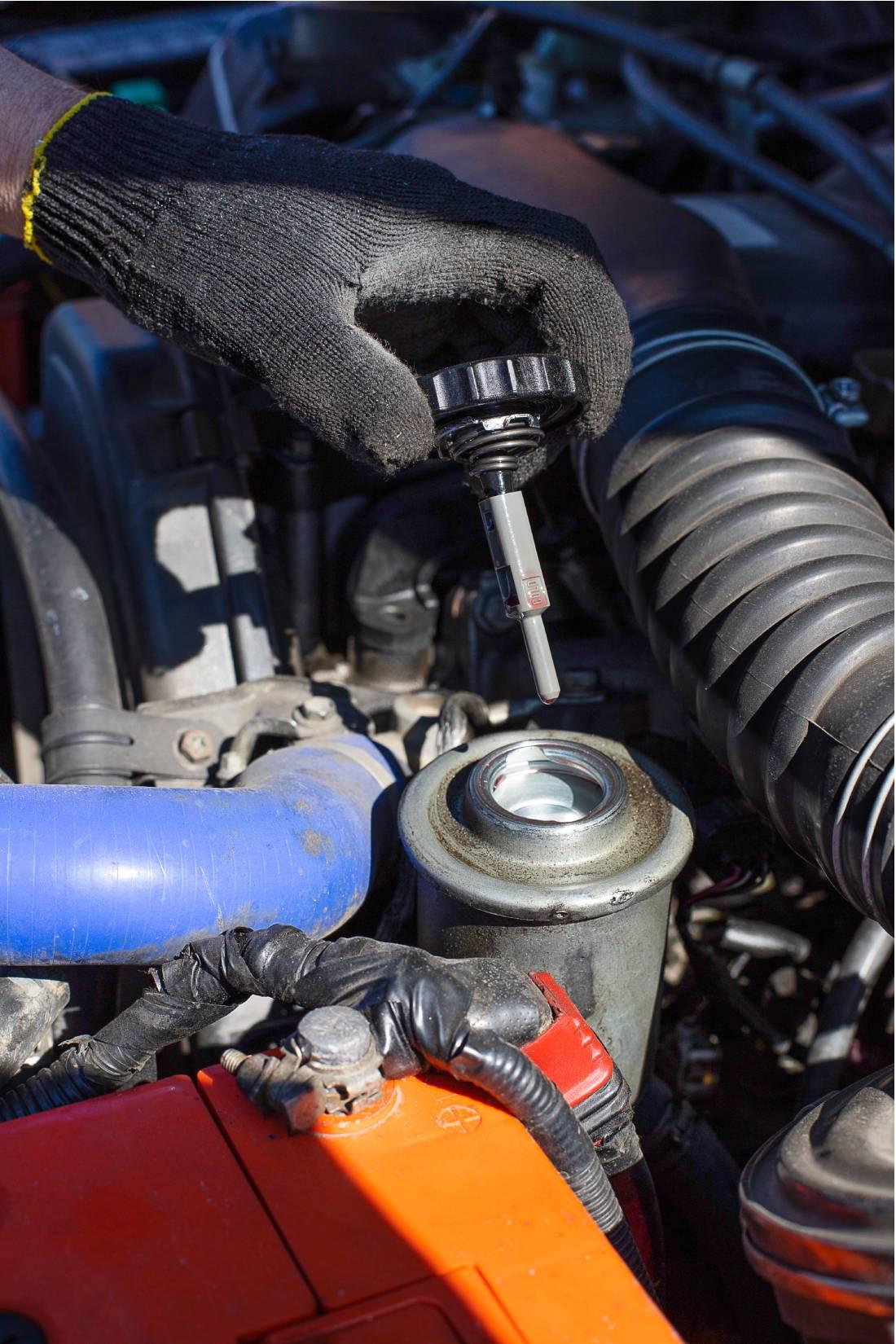
What Causes an Oil Pressure Sensor Malfunction?
Since the oil pressure sensor is a component that operates under harsh conditions—directly exposed to heat and vibration on the engine block—it may fail over time due to various external or internal factors. The sensor’s continuous exposure to high heat, chemical compounds, and pressure gradually weakens its structure.
- The pressure-sensitive diaphragm or electronic circuits inside the sensor wear out mechanically over time, reaching the end of their service life and losing their ability to measure.
- Sludge and deposits formed due to the failure to change engine oil at regular intervals can clog the sensor’s oil-reading tip, causing the system to produce incorrect data.
- Breaks in the electrical cables connected to the sensor due to engine heat, oxidation in the sockets, or short circuits completely block the signal transmission to the engine control unit.
- Using low-quality oil or oil with the wrong viscosity—outside the standards recommended by the vehicle manufacturer—causes permanent damage to the sensor’s internal precision mechanisms.
The vast majority of these issues can be easily prevented by not neglecting vehicle maintenance and replacing the engine oil on time with genuine products.
What Should Be Done If the Oil Sensor Fails?
If you experience any of the symptoms of an oil sensor malfunction while driving—especially if the red oil warning light on the dashboard comes on—the first thing you should do is pull the vehicle safely to the right without panicking and shut off the engine immediately. The cause of the light coming on could be as simple as a sensor malfunction, or it could be due to the engine running out of oil as a result of a cracked oil pan or the oil pump completely failing. If the engine continues to run without adequate lubrication, driving the vehicle even just a few hundred meters can cause the engine bearings to seize, damage the camshaft, and completely lock up the engine, resulting in irreparable and extremely costly damage.
After the vehicle is turned off, allow the engine to cool down slightly and let the oil settle in the oil pan, then physically check the current oil level by pulling out the dipstick. If the oil level on the dipstick appears normal and there is no visible oil leak under the vehicle or around the oil pan, the problem is most likely directly with the oil pressure sensor or its electrical wiring. However, to definitively diagnose the issue, a connection must be established with an OBD (On-Board Diagnostics) device, or a professional mechanic must measure the actual engine oil pressure using a mechanical pressure gauge. For this reason, rather than continuing on the road and taking a significant risk, having the vehicle towed to the nearest service center is the safest and most sensible approach.
In Conclusion: The Oil Level Sensor
The oil pressure sensor is one of the vehicle’s most critical components—it ensures the engine operates safely, efficiently, and with a long service life, and while its replacement cost is low, its function is vital. By immediately alerting the driver to any abnormalities in the engine’s internal oil pressure, it prevents major failures—such as engine seizure or bearing failure—that could result in tens of thousands of lira in repair costs. If it malfunctions, clear signs such as the oil warning light coming on, metallic grinding noises from the engine, and a drop in performance will appear. The moment these signs are noticed, stopping the vehicle, checking the oil level, and consulting a service center for a proper diagnosis will both extend your vehicle’s engine life and save you from a significant financial burden.