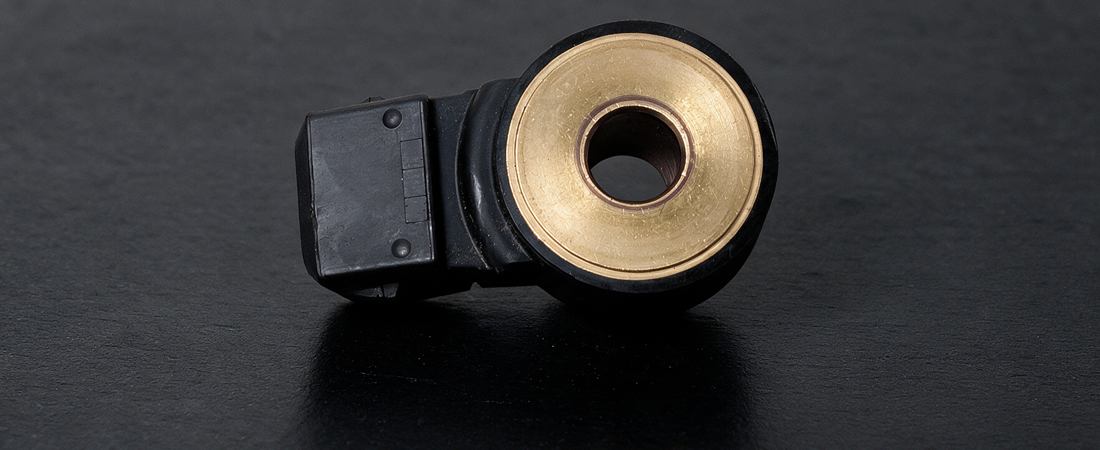






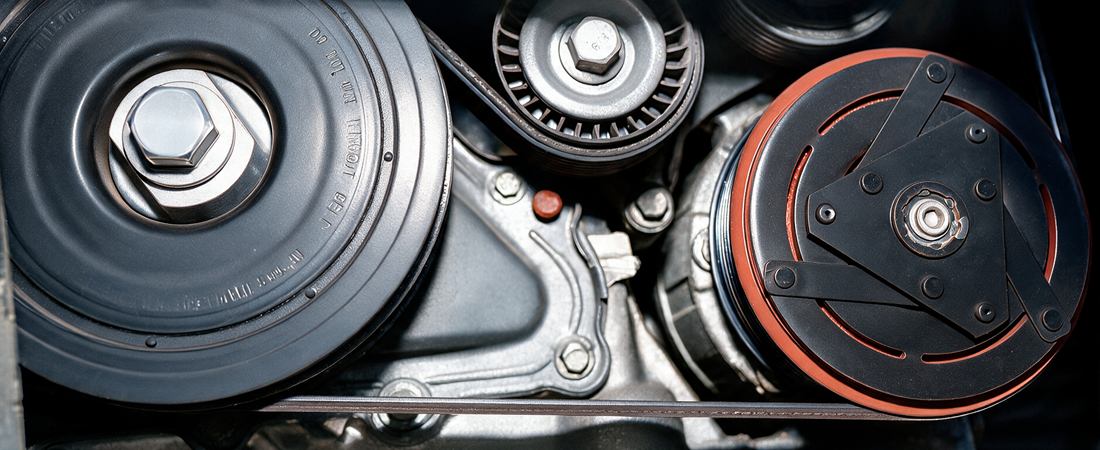
The crankshaft pulley is a critical component located at the bottom of the engine that rotates connected to the crankshaft and transfers the mechanical power produced by the engine via a V-belt to other vital components such as the alternator, water pump, power steering pump, and air conditioning compressor. When this part fails, symptoms usually emerge, such as abnormal metallic noises coming from the engine compartment, noticeable vibrations at idle, sudden stiffening of the steering, and battery charge warning lights illuminating on the instrument panel. Early detection of these symptoms by vehicle owners prevents damage to other engine systems, avoiding larger expenses and preserving driving comfort.
What Is a Crankshaft Pulley?
The crankshaft pulley is a cylindrical, pulley-shaped power transmission component located at the lowest part of internal combustion engines and mounted directly onto the end of the crankshaft. It is generally manufactured with a metal exterior and a special rubber filler material on its interior to dampen vibrations. This structural feature helps absorb natural vibrations occurring during engine operation without damaging other mechanical parts.
In many modern vehicles, this part serves not only as a rotational transmitter, but also acts as a harmonic balancer. As the crankshaft momentarily accelerates and decelerates due to explosions in the cylinders, the rubber layer inside the pulley smooths out this imbalance, ensuring smooth and quiet engine operation.
What Does a Crankshaft Pulley Do?
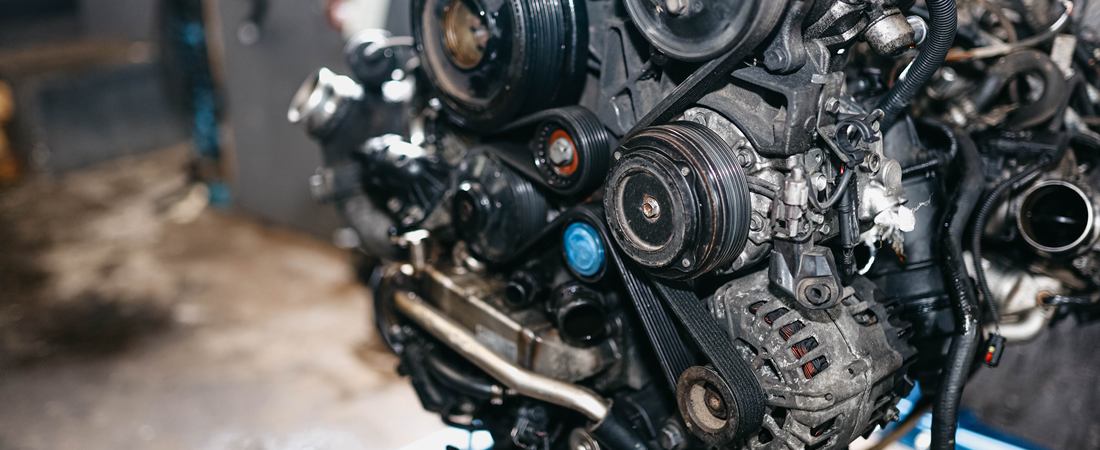
The primary function of the crankshaft pulley is to transmit the rotational movement of the crankshaft to other auxiliary systems in the vehicle via a belt (usually a V-belt or serpentine belt). Rotating from the moment the vehicle engine starts, this pulley sits at the heart of systems that convert engine power into electricity, cooling capability, and hydraulic pressure. Thanks to this power transmission, many comfort and safety features in the vehicle become active.
The flawless operation of the system is possible when the belt seats smoothly into the grooves on the pulley at the correct tension. As the pulley rotates, it spins the alternator to charge the battery, drives the water pump to circulate engine coolant, and operates the hydraulic power steering pump to provide the driver with smooth maneuverability. At the same time, it powers the air conditioning compressor, allowing the cabin interior to be kept at the desired temperature.
How to Identify Crankshaft Pulley Failure?
When the crankshaft pulley fails, the vehicle gives various physical and auditory feedback to the driver, indicating the source of the problem. These symptoms usually do not appear suddenly; they gradually intensify over time to reach a level that catches the driver's attention.
Rattling and Noises from the Engine
Abnormal noises coming from the engine compartment are among the most common and first-noticed symptoms of pulley failure. Especially while the engine is idling or during the initial morning start, a rhythmic rattling, metal-on-metal scraping sound, or a high-pitched squeal may be heard.
When the vibration-dampening rubber layer inside the pulley tears or snaps, the outer metal ring and the inner metal hub begin to strike against each other. As a result of these collisions, a disturbing rattling noise that increases or decreases in proportion to engine RPM reaches into the cabin. The source of the sound usually comes from behind the vehicle's front right wheel arch or from the belt section of the engine.
Vibration and Shaking in the Vehicle
When the harmonic balancer capability of the crankshaft pulley is lost, natural tremors during engine operation cannot be absorbed. This situation creates an unusual feeling of vibration throughout the vehicle.
While the vehicle is idling, much more shaking than normal is felt in the steering wheel, pedals, or seats. As engine RPM rises, the frequency of vibration may change or its severity may increase. In cases where the rubber section has completely lost function, the engine shakes violently while running, as if an engine mount has snapped.
V-Belt Snapping or Rapid Wear
A faulty crankshaft pulley begins to wobble (run out of true) instead of rotating smoothly around its axis. This wobbling motion causes the V-belt on the pulley to constantly stretch and rub at incorrect angles.
Rapid wear, fraying, or cracks occur along the edges of the belt. If only the belt is replaced without solving the root issue, the newly fitted belt will undergo the exact same deformation within a very short time. In advanced wobbling scenarios, the belt can fling off the pulley or snap completely, causing the vehicle to break down on the road.
Stiffening in the Steering System
One of the most important components to which the crankshaft pulley transfers rotational power is the power steering pump. If the rubber part of the pulley snaps—causing the outer ring to spin freely—or if the belt slips off, the power steering pump loses power.
While driving or performing parking maneuvers, the steering suddenly becomes heavy enough to make turning quite difficult. The driver experiences great physical difficulty in steering the vehicle. Even in vehicles equipped with electric power steering systems, steering assistance may indirectly deactivate because the alternator cannot generate sufficient electricity.
Battery and Alternator Problems
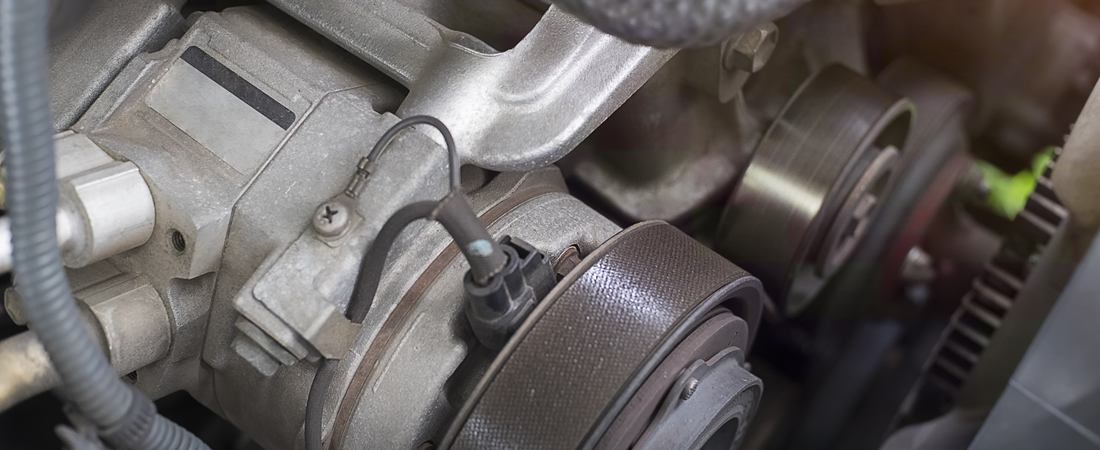
The alternator receives the rotational speed it requires to operate directly from the crankshaft pulley. The inner and outer parts of the pulley separating and slipping cause the alternator to be unable to rotate at sufficient RPM.
In this situation, the alternator cannot charge the battery, and the red battery warning light illuminates on the vehicle's instrument panel. Symptoms of low electrical voltage—such as dimming headlights, slow-moving wipers, and the multimedia screen shutting off—begin to occur sequentially.
Why Does a Crankshaft Pulley Fail?
Because this component is continuously exposed to rotational movement, high temperatures, and physical stress, it begins to lose its structural integrity over time. Mechanical wear and damage caused to the material by external factors generally lie at the root of failures.
Material Fatigue Over Time
The crankshaft pulley comes under mechanical stress by rotating at high RPMs every second the engine is running. Being exposed to the exact same strain throughout hundreds of thousands of kilometers of usage causes natural material fatigue. Micro-cracks form in metal components, connection points weaken, and the part eventually loses its original durability, reaching a state requiring replacement.
Overheating and Rubber Cracking
Located at the heart of the pulley, the rubber insulator absorbing vibrations experiences a constant thermal cycle between the high heat produced by the engine and the cold ambient air.
Constantly heating up and cooling down, the rubber material loses its elasticity over time and hardens. Losing its flex tolerance, deep cracks begin to form on this hardened structure. Oil or engine fluids dripping onto the pulley also ruin the chemical makeup of the rubber, making the breakdown process significantly faster.
Incorrect Belt Tension and Assembly
Overtightening the V-belt during engine maintenance causes an excessively high radial load to be placed on the crankshaft pulley.
This disproportionate pulling force constantly flexes the inner rubber part of the pulley toward one side, causing it to snap long before its expected lifetime. Furthermore, failing to tighten the pulley bolt to the manufacturer-specified torque value during previous repair procedures, or creating an axial misalignment while seating the pulley into its housing, initiates early failure processes.
What Happens If a Crankshaft Pulley Fails?
When crankshaft pulley failure is not taken seriously, the problem does not remain a simple noise; it turns into chain-reaction issues spreading across the vehicle's running gear. The consequences of this failure directly threaten both engine health and driving safety.
Damage to Other Engine Components
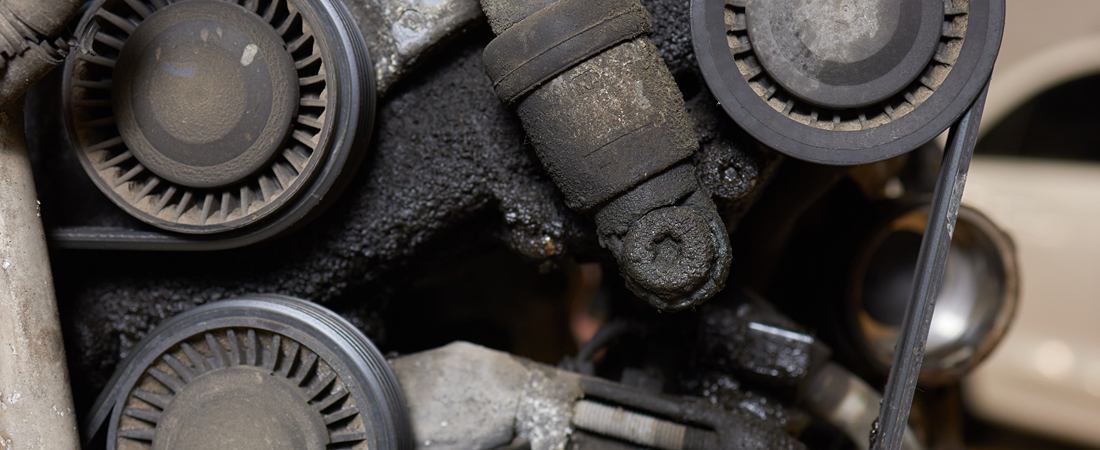
A V-belt flinging off or snapping from the crankshaft pulley is whipped around the engine bay at very high speeds, striking surrounding parts like a whip.
A snapped belt can cut radiator hoses or snap sensor wiring of the electrical harness. In some vehicle models, a snapped V-belt can slip into the timing belt cover; this causes the timing belt to jump teeth and bends engine valves, leading to severe damage requiring the engine to be completely disassembled.
Water Pump Failure and Overheating
When the crankshaft pulley loses function, the circulation pump (water pump) stops spinning. Circulation of the engine coolant completely ceases.
With this circulation stopping, heat inside the engine block reaches dangerous levels within seconds. The temperature gauge needle on the dash quickly rises to the red zone, and the engine overheats. If left unaddressed, the cylinder head gasket burns, and engine oil mixes into the engine's internal cooling channels.
Jeopardized Driving Safety
When this failure occurs suddenly while driving, it becomes severely difficult for the driver to control the vehicle safely, directly presenting an accident risk.
The steering system loses hydraulic assistance and stiffens as if completely locked.
Because the braking system may lose vacuum assistance, the brake pedal becomes too heavy to depress effectively.
When the alternator disengages, the battery drains rapidly, and the engine of the moving vehicle suddenly stalls.
When caught unprepared for these sudden mechanical changes, keeping the vehicle in its lane or safely pulling over requires immense effort from the driver.
How Is a Crankshaft Pulley Replaced?
Crankshaft pulley replacement is a specialized garage procedure requiring dedicated tools and solid mechanical knowledge. Following the correct steps sequentially is mandatory for the new component to operate with a long lifespan and high efficiency.
Removing the Old Pulley and Belts
As the first step, the vehicle's front right wheel and inner fender plastic are removed to gain access to the lower side of the engine. The V-belt tensioner assembly is loosened to free the belt from the pulleys. Then, the center bolt securing the crankshaft pulley on the shaft—usually tightened with very high torque—is carefully unscrewed using an impact wrench or crankshaft locking tools. The pulley is extracted from its seat using minor rocking motions.
Installing the New Original Pulley
The dismounted area is cleared of oil and dirt, and the end of the crankshaft is cleaned with rust penetrants. The keyway of the new crankshaft pulley is aligned to seat fully onto the shaft protrusion. The center bolt is tightened using a torque wrench according to the torque values specified in the vehicle manufacturer's factory data. At this stage, specialized thread-locking liquid adhesives are typically used to prevent the bolt from loosening due to vibration.
Adjusting Belt Tension Settings
After securing the pulley, the new V-belt is routed correctly over the grooves of all auxiliary pulleys (alternator, air conditioning, steering, etc.). Releasing the tensioner pulley allows the belt to reach its ideal automatic tension. The engine is run briefly to observe that the belt and pulley rotate silently, smoothly, and without wobbling.
Frequently Asked Questions About the Crankshaft Pulley
Vehicle owners experiencing issues with the crankshaft pulley have many important details on their minds regarding cost, time, and repair methods.
Can a Crankshaft Pulley Be Repaired?
A crankshaft pulley is strictly not a repairable part. Re-gluing, welding, or chemically filling the torn or snapped rubber portion yields neither safe nor permanent results. Because the precise weight balance of this component operating at high RPMs cannot be achieved through repair, replacing it directly with a new one is the sole method.
How Long Does Crankshaft Pulley Replacement Take?
Replacement duration varies depending on the vehicle's make, model, and engine layout. On standard front-wheel-drive passenger vehicles with easy access, this process takes approximately 1 to 2 hours. However, in vehicles with tight engine bays or extra front panel parts that need removal, this timeframe can extend up to 3–4 hours.
Does a Faulty Crankshaft Pulley Damage the Engine?
Yes, operating with a faulty pulley can cause direct and severe damage to the engine. A snapped belt tangling into the timing system can shatter internal engine mechanics, while a stopped water pump causes immediate overheating, burning the cylinder head gasket. A situation that could be solved with just a pulley replacement may require an engine overhaul if neglected.
What Is the Average Lifespan of a Crankshaft Pulley in Kilometers?
The average lifespan of a crankshaft pulley ranges between 100,000 and 150,000 kilometers, depending on operating conditions and component quality. Frequent stop-and-go driving in heavy traffic, extremely hot climate conditions, and heavy air conditioning usage are the main factors shortening the lifespan of this part.
Should the V-Belt Also Be Replaced When Replacing the Crankshaft Pulley?
When replacing the crankshaft pulley, replacing the V-belt and tensioner pulley as well is strongly recommended. The wobbling and vibration created by the old pulley have likely ruined the structure and cords of the existing belt. To protect the lifespan of the new pulley and avoid paying labor fees twice, renewing the system as a whole is the healthiest approach.
In summary, the crankshaft pulley is a vital component that distributes power produced by the engine to essential systems while absorbing engine vibrations—one that can directly paralyze the vehicle's running gear when it fails. Upon noticing rhythmic rattling noises from the pulley, stiffening steering, or unexplained battery charging issues, consulting a specialist without delay will guarantee driving safety and protect the engine from severe, costly damage. Ensuring the V-belt and pulley assembly are visually inspected during your vehicle's periodic maintenance is one of the most fundamental rules of safe driving.